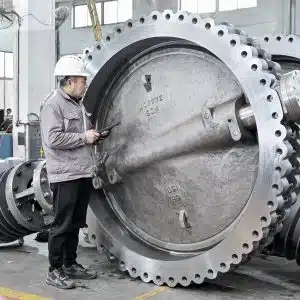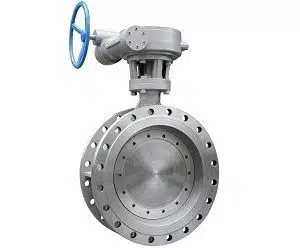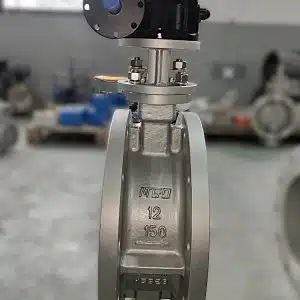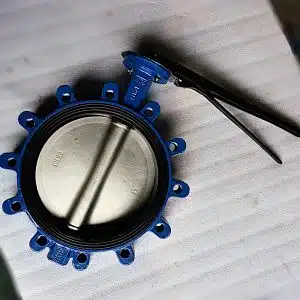
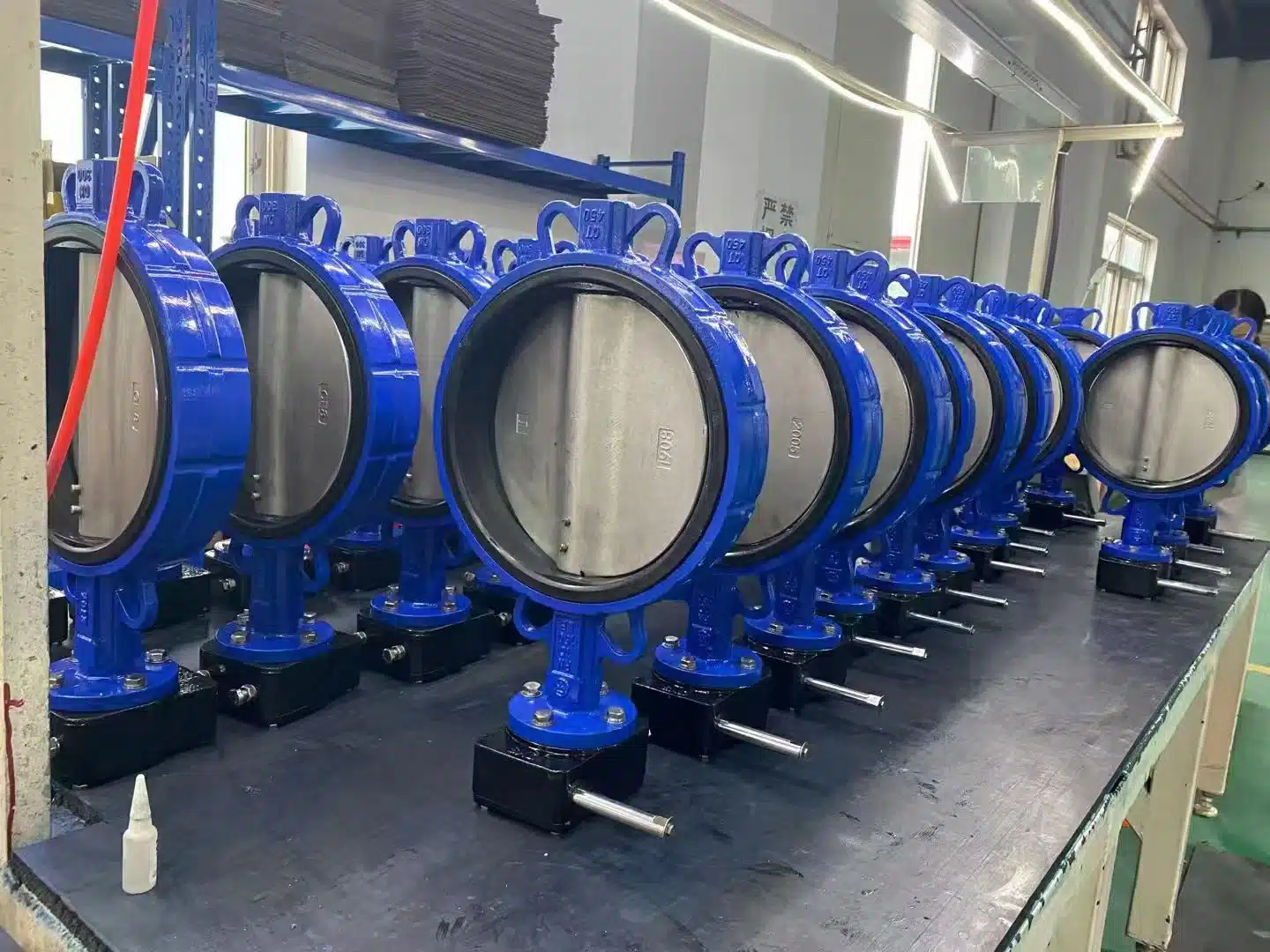
A wafer butterfly valve controls fluid flow in pipelines with a simple disc mechanism. You install it between flanges, which saves space due to its compact and lightweight design. You often see this valve in systems where quick shut-off and reliable sealing matter. The design differs from lug type butterfly valves, so you should know which style fits your needs. Many industries rely on these valves to keep operations running smoothly.
| Industry | Market Size (2025) | Revenue Forecast (2030) | Growth Rate (CAGR) |
|---|---|---|---|
| Oil & Gas | N/A | N/A | N/A |
| Water & Wastewater Treatment | N/A | N/A | N/A |
| Power Generation | N/A | N/A | N/A |
| Chemical Processing | N/A | N/A | N/A |
- The butterfly valve market could reach USD 12.67 billion by 2025.
- Revenue may grow to USD 15.78 billion by 2030.
- The expected growth rate is 4.5% per year.
Key Takeaways
- Wafer butterfly valves are small and light. They fit well in tight pipeline spaces.
- These valves close fast and seal well. This is important for water treatment and HVAC.
- You can install them easily. Put the valve between two flanges. Bolt it in place. This saves time and work.
- Doing regular maintenance helps a lot. Lubricate and check the valve often. This stops leaks and makes the valve last longer.
- Picking the right material and size is very important. It helps the valve work well and prevents problems.
Wafer Butterfly Valve Basics
What Is a Wafer Butterfly Valve
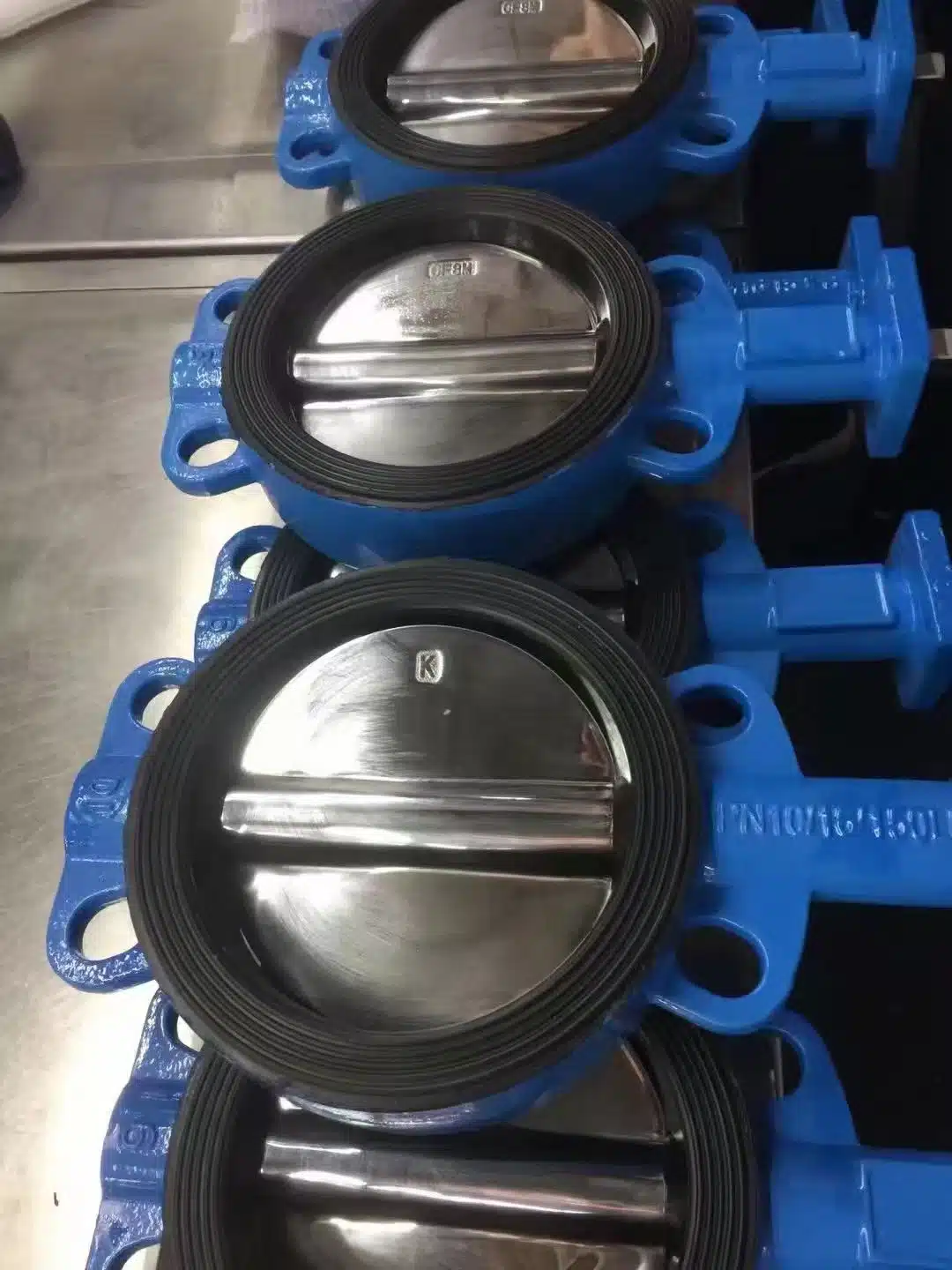
A wafer butterfly valve helps control liquids or gases in pipes. It has a disc inside that turns when you move the handle or actuator. The disc lines up with the flow when open, so fluid moves easily. When closed, the disc turns sideways and blocks the flow. This makes a tight seal to stop leaks. You can use this valve to quickly stop or start flow, or to adjust how much fluid goes through.
Tip: Wafer butterfly valves are used in HVAC, water treatment, and chemical processing. They are good for turning flow on or off and for changing flow rates.
Primary functions of a wafer butterfly valve include:
- Turning a disc to control fluid flow.
- Letting fluid pass easily when open.
- Making a tight seal to stop leaks when closed.
- Giving both on/off and some flow control.
Key Features
The wafer butterfly valve is small and light. You put it between two pipe flanges. This saves space and makes the piping system lighter. Other valves like gate or globe valves take up more room and weigh more.
| Valve Type | Space Savings | Weight Savings |
|---|---|---|
| Wafer Butterfly | Significant | Significant |
| Ball Valve | Moderate | Moderate |
| Check Valve | Low | Low |
| Globe Valve | Low | Low |
| Gate Valve | Low | Low |
Wafer butterfly valves come in many materials. The material you pick changes how the valve works in different places. Stainless steel does not rust and is good for harsh chemicals. Ductile iron is strong and cheap, so it works well for water. NTGD makes wafer butterfly valves in many materials to fit your needs.
| Application | Recommended Material | Key Features |
|---|---|---|
| General water supply, wastewater treatment | 304 Stainless Steel | Cost-effective, resists mild corrosion |
| Seawater, cooling water systems | 316 Stainless Steel | Strong resistance to pitting corrosion |
| High-temp chemical, weak acids/alkalis | 316L Stainless Steel | Heat and corrosion resistant |
| Oil & gas, hydrogen sulfide, strong acids | 2205/2507 Duplex Stainless | High strength, excellent corrosion resistance |
| Concentrated sulfuric/nitric acid | C276 Hastelloy | Superior corrosion resistance |
| Seawater desalination, chloride-rich | Titanium Alloy (Ti-6Al-4V) | Lightweight, extreme corrosion resistance |
- Ductile iron is strong and bends without breaking. It is good for water but not for high chloride.
- Stainless steels with molybdenum, like 316, are best for seawater because they do not rust.
- Cast steel is strong but can rust if chemicals are present.
- Aluminum alloy is light and works for low pressure, but it is not very strong.
- Plastic valves do not rust and are good for very harsh chemicals.
It is easy to install a wafer butterfly valve. You just put it between two flanges and bolt it in place. This makes fixing or changing the valve simple. NTGD makes sure their valves are high quality, so you can trust them in tough jobs.
How It Works
Operating Principle
When you use a wafer butterfly valve, you control flow by turning a disc inside. The disc connects to a stem. The stem links to a handle or actuator. When you turn the handle, the disc spins. If the valve is open, the disc lines up with the flow. Fluid moves through the pipe easily. If you close the valve, the disc turns sideways. It blocks the flow. This movement lets you start, stop, or change the flow fast.
You can compare wafer butterfly valves to other types in this table:
| Type of Valve | Design Features | Operating Principle |
|---|---|---|
| Wafer Butterfly Valve | Goes between two pipe flanges. Bolts hold it in place. | Disc turns to control flow. When open, disc is straight with flow. When closed, disc is sideways. |
| Lugged Butterfly Valve | Has threaded lugs for bolting to flanges. | Disc turns to control flow. This type works for higher pressure because it bolts on tightly. |
Note: The wafer butterfly valve fits tightly between flanges. It uses fewer bolts. This makes it quick to install and keeps the piping system light.
Main Components
A wafer butterfly valve has important parts. Each part helps the valve work well. Knowing these parts shows why the valve is easy and dependable.
| Component | Role in Valve Operation |
|---|---|
| Body | Connects the valve to pipes and holds the inside parts. |
| Disk | Opens or closes to let fluid pass or stop. |
| Stem | Connects the disk to the handle or actuator. |
| Seat | Makes a tight seal to stop leaks when closed. |
- The body connects the valve to your pipes and holds everything.
- The disk moves to open or close and lets fluid pass or stop.
- The stem joins the disk to the handle or actuator so you can turn it.
- The seat seals the valve when closed to stop leaks.
If you pick a wafer butterfly valve, you get a simple design. It has fewer parts than other valves. This means less fixing and fewer problems. You can count on this valve for quick and steady flow control in many systems.
Wafer-Style vs. Lug Type Butterfly Valve
Installation Differences
There are big differences in how you install these valves. You put a wafer-style butterfly valve between two pipe flanges. Long bolts go through the flanges and the valve body. This holds everything together. This design is quick to install. It keeps the system light. If you want to remove or fix the valve, you must shut down the whole pipeline.
A lug type butterfly valve has threaded lugs around its body. You bolt each flange right to these lugs. This lets you disconnect one side of the pipeline. The other side stays sealed. You can do repairs or replace parts without stopping the whole system.
| Aspect | Wafer-Style Butterfly Valve | Lug Type Butterfly Valve |
|---|---|---|
| Mounting Design | Between flanges, bolts pass through | Threaded lugs, direct bolting |
| End-of-Line Service | Not suitable | Can act as end-of-line valve |
| Installation Flexibility | Full system shutdown needed | Partial system isolation possible |
Tip: Pick a lug type butterfly valve if you need to fix part of your system. Choose a wafer-style butterfly valve for easy and cheap installation.
Application Comparison
Wafer-style butterfly valves are used where space is small and costs matter. Food and drink factories use them because they are small and not expensive. HVAC systems use wafer-style butterfly valves for easy setup and little upkeep. These valves work well when you do not need to close off each side of the pipeline.
Lug type butterfly valves are good for high-pressure systems. They are used where you only want to shut down part of the line. Chemical plants and water treatment places use lug type butterfly valves. They handle tough fluids and let you close off one side.
- Wafer-style butterfly valves work best with clean fluids like water or air.
- Lug type butterfly valves handle fluids with bits in them and higher pressure.
- Wafer-style butterfly valves are good for simple shut-off and flow control.
- Lug type butterfly valves are best for lots of repairs and closing off parts of the system.
You cannot switch these valves in most systems. Lug type butterfly valves have threaded lugs. This lets you close off one side for repairs. Wafer-style butterfly valves do not have this feature. If you need to shut down just one part, use a lug type butterfly valve. If you want a light, low-cost valve for basic flow control, pick a wafer butterfly valve.
Advantages and Limitations
Benefits
If you pick a wafer butterfly valve, you get many good things. These valves are easy to use and work well. Here are the main benefits in the table below:
| Benefit | Description |
|---|---|
| Low Torque Operation | You do not need much force to use the valve. This means motors last longer and you fix them less. |
| Bi-Directional Flow Control | You can move fluid both ways. This makes your system easier to build and saves materials. |
| Compact Design | The valve is small, so it fits in tight spots. You can put it in or take it out fast. |
| Simple Maintenance | You can reach the parts easily to fix them. This keeps repairs quick and cheap. |
| Versatile Use | The valve works in many jobs and with many fluids. This helps you keep fewer spare parts. |
You will also see these helpful things:
- The valve is light and small, so you can install it fast.
- It lasts a long time because it does not rust easily.
- It seals well, so leaks are rare and your system works better.
- There are not many moving parts, so you do not fix it often.
- It costs less than other valves, so you save money.
Tip: Wafer butterfly valves often use only through bolts to install. This easy way saves you time and money, which helps when you need to spend less.
Drawbacks
Wafer butterfly valves have many good points, but there are some problems too. These issues may matter for some jobs:
- Throttling Limitations: It is hard to control flow very exactly. The disc shape can make the flow uneven, cause shaking, or make noise.
- Seal Wear and Tear: The disc and seat touch every time you use the valve. This can wear them out, cause damage from chemicals, or make leaks.
- Limited High-Pressure Use: Most wafer butterfly valves do not work well with high pressure. If you use them above their limit, they might leak or break.
- Susceptibility to Particulates: If your fluid has solids, the valve can get blocked or worn down. This makes it work less well.
| Feature | Wafer Butterfly Valve | Flanged Butterfly Valve |
|---|---|---|
| High-Pressure Reliability | Not as good, might leak | Better, seals well |
| High-Temperature Performance | Bolts can stretch, might leak | Made for very hot jobs |
| Installation | Needs careful lining up | Easier and more steady |
Note: Do not use wafer butterfly valves at the end of a pipe or in places with high pressure or heat. For these jobs, flanged or lug type valves are a better choice.
Applications and Selection
Common Uses
Wafer butterfly valves are used in many jobs. They help control flow and are easy to put in. Here are some places where you see them a lot:
| Industry | Application Details |
|---|---|
| Water and Wastewater Treatment | Used to move water and wastewater in treatment plants. |
| HVAC Systems | Used to control air, water, or steam in heating and cooling. |
| Chemical and Petrochemical | Used for moving chemicals, gases, and fluids in mixing. |
These valves are also found in food factories, fire safety, and power plants. They work well when you need to stop flow fast or use the valve often.
Tip: Pick a wafer butterfly valve if you want a small and light valve for tight spots.
Choosing the Right Valve
Picking the right valve stops leaks and saves money. First, check what size you need. The valve must fit your pipe and handle the flow and pressure. If you choose the wrong size, you might get leaks or slow flow.
Next, think about the material. What goes through the valve matters. Some fluids need stainless steel so the valve does not rust. Others are fine with ductile iron or plastic. Also, look at the temperature and pressure ratings. Make sure the valve can handle your system.
You also need to pick how you will open the valve. Here are the main types:
| Operator Type | Description | Performance Impact |
|---|---|---|
| Manual Actuated | Uses a lever or wheel. Good for simple jobs. | Easy to use but slower and needs someone to turn it. |
| Electric Actuated | Uses a motor to open and close. | Fast and exact. Works well in automatic systems. |
| Pneumatic Actuated | Uses air to move the valve. Good for tough or clean jobs. | Quick and steady. Needs an air supply. |
| Hydraulic Actuated | Uses fluid for strong force. | Best for hard jobs that need lots of power. |
Prices can be very different. The cost depends on what it is made of, the size, and the brand. Stainless steel and big valves cost more. Manual valves are cheaper than electric or air ones. Cheap valves may break more, so think about quality and how long it will last.
Note: Always pick a valve that fits your system. Think about flow, pressure, heat, and what goes through it. This helps you get the best results and saves money.
Installation and Maintenance
Installation Steps
You can install a wafer butterfly valve quickly if you follow the right steps. Start by placing the valve between the two flanges. Make sure the bolt holes line up. Insert all flange bolts loosely to keep the valve centered. Open the disc fully and check that it does not touch the pipe. This step helps prevent damage.
- Place the valve between the flanges, aligning the bolt holes.
- Insert bolts and nuts loosely to keep the valve centered.
- Open the disc fully to check for clearance.
- Gradually tighten the bolts by hand, making sure the disc moves freely.
- Close the disc slowly and check for any contact with the pipe.
- Fully open the disc and tighten all bolts to the correct torque.
- Rotate the disc from closed to open to confirm smooth movement.
Tip: Always check that the piping is straight before tightening the bolts. Do not use gaskets unless the manufacturer recommends them.
| Installation Error | Description | Solution |
|---|---|---|
| Incorrect Flange Alignment | Flanges not parallel can cause leaks. | Align flanges before tightening bolts. |
| Insufficient Disc Clearance | Disc may hit pipe or fittings. | Allow enough space for disc movement. |
| Wrong Gasket or Bolting Method | Can damage the valve or cause leaks. | Use correct gaskets and new bolts. |
| Forcing Valve During Installation | May damage the disc or seat. | Never force the valve open or closed. |
Maintenance Tips
Regular care keeps your wafer butterfly valve working well. You should inspect the valve often for leaks or wear. Lubricate the stem and moving parts with lithium-based grease. Clean the valve with a silicon-based product to remove dirt and debris. If you do not use the valve often, rotate it once a month to keep it from sticking.
- Protect the seat and seals by keeping the valve packed until installation.
- Store the valve in a cool, dry place if you do not use it right away.
- Check the pressure rating before use.
- Lubricate moving parts to prevent corrosion.
- Inspect for leaks, cracks, or worn parts during routine checks.
Note: Set up a maintenance schedule to catch problems early and extend the valve’s life.
Troubleshooting
If you notice problems, you can fix most issues with simple checks.
- Leakage: Inspect the seat for wear or scratches. Replace worn parts and tighten stem packing.
- Sticking: Lubricate the stem and bearings. Check for misalignment or debris.
- Disc Damage: Look for signs of corrosion or high flow. Replace damaged discs and use protective coatings.
- Slow Operation: Check for poor lubrication and apply grease as needed.
- Obstructions: Clean the valve and flush the pipeline to remove debris.
If you follow these steps, your wafer butterfly valve will stay reliable and efficient for years.
Wafer butterfly valves are small, light, and not expensive. They help control flow in water, HVAC, and chemical systems. Their simple shape makes them easy to put in and use. They can stop flow both ways, so they seal well. You should always pick the right size, material, and connection for your job. Checking and caring for the valve often stops leaks and keeps things working well. If your job is special, talk to a valve expert to get the best results.