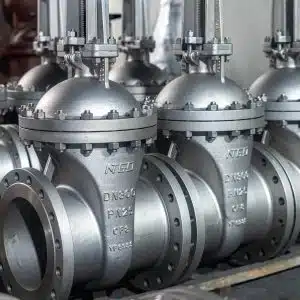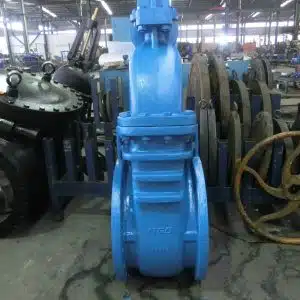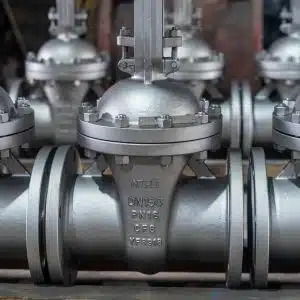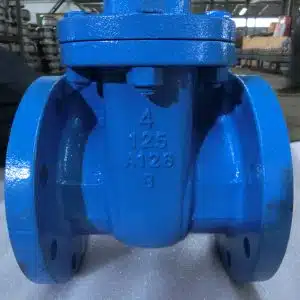
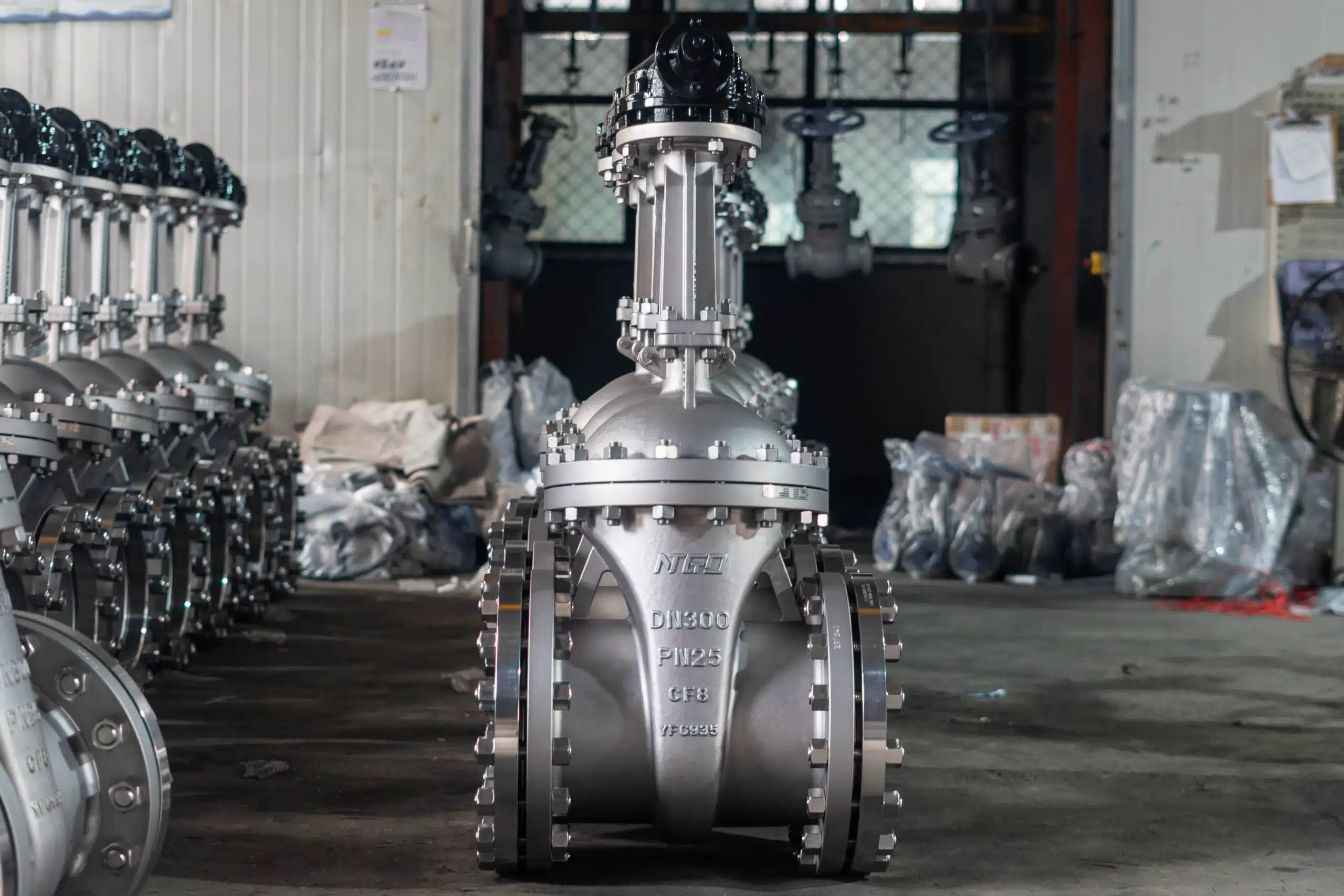
API 600 gate valves help control liquid and gas flow. They follow the API 600 standard for safety and durability. This standard includes sizes from 1″ to 42″ wide. It also covers pressure levels up to 2500. Strong materials like stainless steel and Stellite 6 are used. These materials lower repair costs and make valves last longer. Following API 600 prevents valve failures that can harm nature or cost money.
Key Takeaways
- API 600 gate valves manage liquid and gas flow safely and reliably.
- These valves range in size from 1″ to 42″ and handle pressure up to 2500.
- Using strong materials like stainless steel makes the valves last longer.
- Regular care, like checking and oiling, keeps valves working well.
- Knowing valve types, like rising or non-rising stems, helps you choose wisely.
- API 600 gate valves follow strict rules to stay safe and dependable.
- New smart valve designs save energy and protect the environment.
- Installing valves correctly and following rules makes them last longer.
Understanding the API 600 Standard
Scope and objectives of API 600
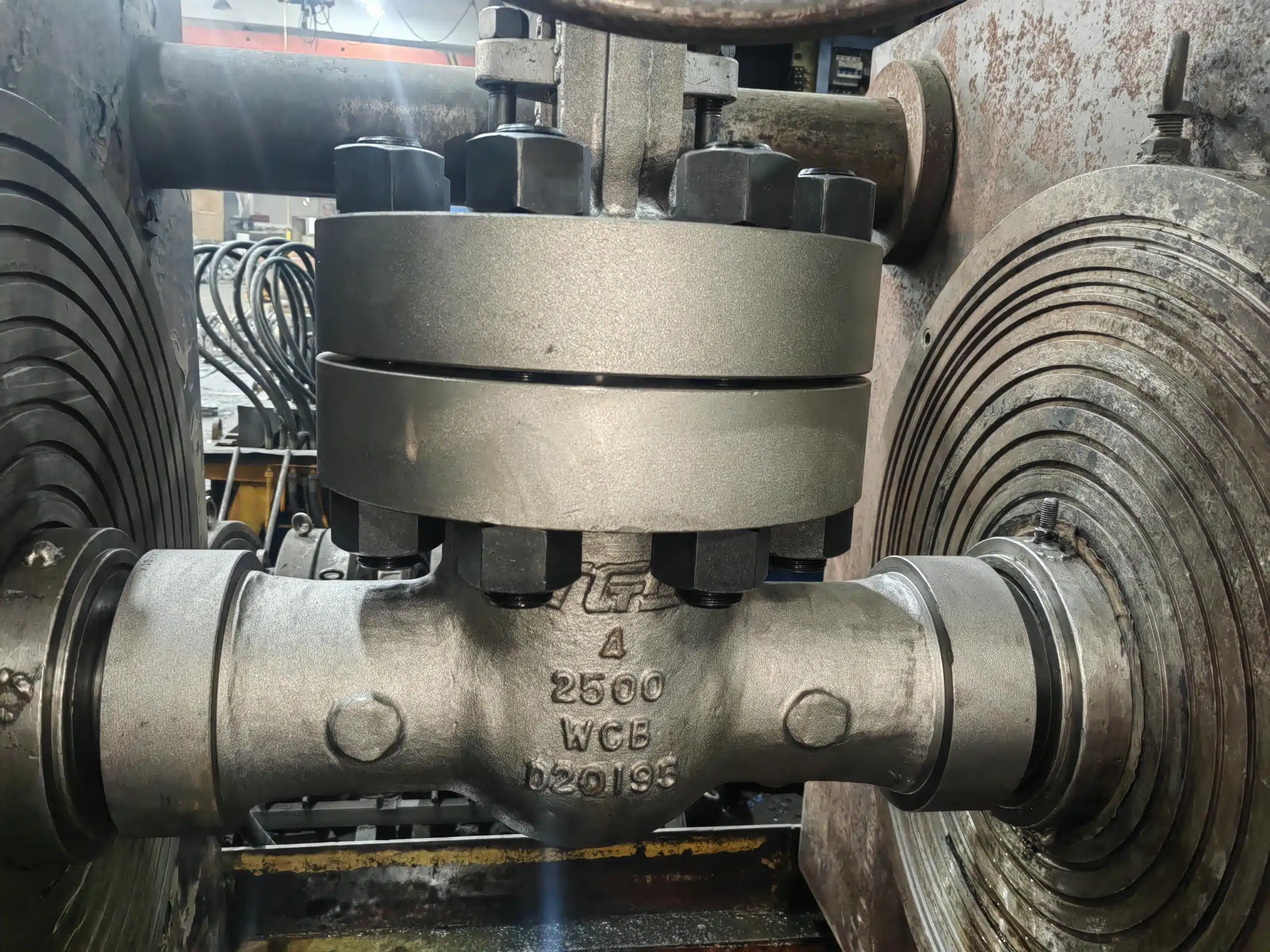
API 600 sets rules for gate valves in industries. It makes sure valves are safe, strong, and work well. This standard helps valves handle high pressure and heat. Its main purpose is to create a common guide for makers and users. This reduces valve problems and ensures they fit across industries.
API 600 covers gate valves from 1 to 42 inches wide. It includes pressure levels from 150 to 2500. It also lists rules for materials, designs, and tests. Following these rules ensures your valve works well in tough conditions.
Key requirements for gate valves under API 600
API 600 lists important rules for gate valves. These include how they are designed, what materials are used, and how they are tested. Valves must have a bolted bonnet for easy fixing and tight sealing. End connections, like flanged or butt weld ends, must follow the rules for proper fitting.
Trim setups in API 600 help valves handle different flows and liquids. The standard requires strict tests to check if valves can handle pressure, heat, and corrosion. Meeting these rules makes valves last longer and work better.
Materials and design specifications in API 600
API 600 tells manufacturers what materials and designs to use. Materials include cast carbon steel, stainless steel, and alloy steel. Each material has benefits like strength or rust resistance for different uses.
The designs focus on strength and easy repairs. For example, bolted bonnets let you reach inside parts easily. End connections, like flanged or butt weld ends, make sure valves fit pipes securely.
Here’s a table showing key design and material details:
| Feature | Details |
|---|---|
| Size Range | 1″ to 42″ Gate Valve Class 150 – 1500 |
| Design Type | Bolted Bonnet |
| End Connections | Flanged or Butt Weld Ends |
| Materials | Cast carbon steel, stainless steel, alloy steel |
| Trim Configurations | Available in all trim configurations |
| Other Sizes | Available on request |
These rules ensure the valve meets API 600 and works well. Choosing a valve that follows these rules saves money and improves efficiency.
Types of API 600 Gate Valves
Gate valves come in different designs for various uses. Knowing the types of gate valves in API 600 helps you pick the right one. Below are three common types.
Rising Stem Gate Valves
Rising stem gate valves are easy to spot. Their stem moves up or down when opening or closing. This movement shows the valve’s position clearly, improving safety and use.
Tip: Choose rising stem valves for quick position checks.
These valves have several benefits:
- The moving stem lowers friction, reducing wear on parts.
- Repairs are simpler since the stem is easy to reach. This saves time.
- The valve body stays strong under high pressure, handling up to 200.6 MPa.
But rising stem valves need more vertical space to install. Make sure there’s enough room above the valve for the stem to move.
Non-Rising Stem Gate Valves
Non-rising stem gate valves are great for tight spaces. Unlike rising stem valves, their stem doesn’t move upward. This compact design works well in areas with height limits, like underground pipes or small rooms.
These valves fit easily in cramped spaces. They don’t need extra vertical clearance, saving space. While they don’t show the valve’s position visually, they still perform well under tough conditions.
Note: Use non-rising stem valves where space is limited.
Wedge Gate Valves
Wedge gate valves are very popular. They have a wedge-shaped gate that seals tightly against the valve seats. This design stops leaks and works well in high-pressure systems.
The wedge shape prevents leaks, making it ideal for pipelines. You can pick solid, flexible, or split wedge designs based on your needs. Each type offers benefits like better sealing or handling temperature changes.
Did you know? Wedge gate valves work with many fluids like water, oil, and gas.
By learning about these gate valve types, you can choose the best one for your needs. Whether you need space-saving, easy repairs, or strong sealing, there’s a valve for your job.
Parallel Slide Gate Valves
Parallel slide gate valves are built for tough jobs. They work well in places with high pressure and heat. These valves use two flat discs to seal tightly. This makes them great for important industries like nuclear power, oil, and gas. They are strong and precise, which is crucial for these fields.
Unlike wedge gate valves, these valves use line pressure to seal. This design lowers stress on parts, helping them last longer. Some models have an eyelet follower design. This feature improves how the valve seats, making it run smoothly even in hard conditions.
Tip: Use parallel slide gate valves for steady sealing and long-lasting use.
Here’s a table showing key details about parallel slide gate valves:
| Specification | Detail |
|---|---|
| Size Range | NPS 2 – 24 (DN 50 – 600) |
| Pressure Class | ASME Classes 600 – 2500 |
| Operating Temperature | High Temperature |
| Valve Size | 5 inch, 6 inch (DN150) and Larger |
Velan’s Pressure Seal Parallel Slide Gate Valves are made to last. They work great in systems with high pressure. These valves are perfect for important tasks because they are strong and reliable.
The Sempell Dewrance High Pressure Parallel Slide Gate Valve is special. It has an eyelet follower that helps it work smoothly. This design also makes it last longer, even in tough conditions.
When picking a parallel slide gate valve, think about where it will be used. These valves are best for places with constant high pressure and heat. Their design reduces wear, so you save on repairs over time.
By learning about parallel slide gate valves, you can choose wisely. Whether for a power plant or oil refinery, these valves give steady and reliable performance.
Features of API 600 Gate Valves
Material options and their applications
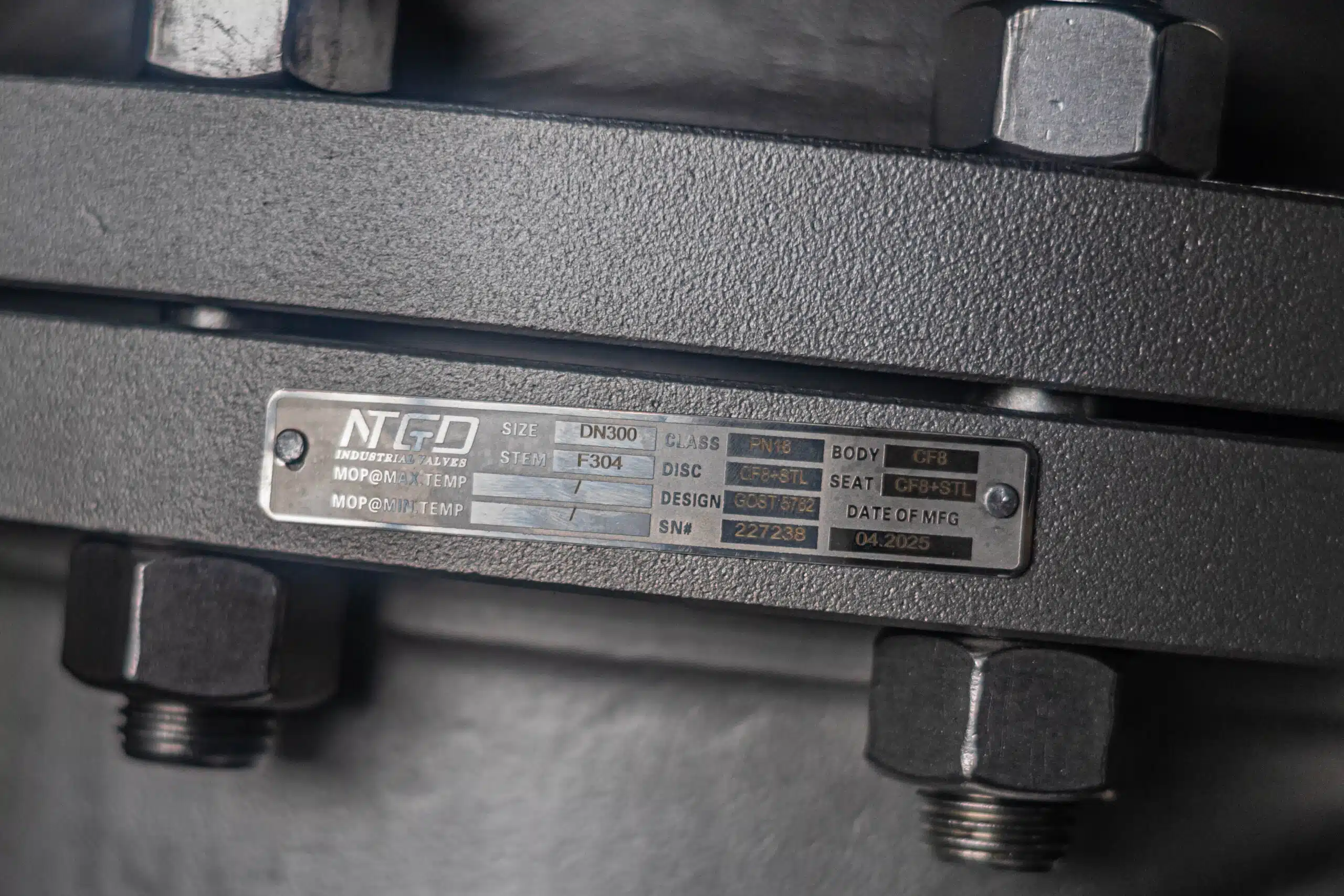
API 600 gate valves use strong materials for tough jobs. Common choices include cast carbon steel, stainless steel, and alloy steel. Each type works best for specific tasks.
- Cast Carbon Steel: This material is strong and affordable. It’s great for systems with medium pressure and heat.
- Stainless Steel: It resists rust and lasts longer. It’s used in chemical plants and water systems.
- Alloy Steel: This material handles very high pressure and heat. It’s often used in power plants and oil refineries.
The valve market follows these material trends. Higher material costs affect production prices. The growing oil and gas industry needs better valves. NTGD makes reliable API 600 gate valves to meet these demands.
Design characteristics for performance
API 600 gate valves are designed to work well and last long. Their features improve how they perform:
| Design Feature | What It Does | Why It Matters |
|---|---|---|
| Strong Structure | Thick walls made from forged steel. | Handles high pressure without breaking. |
| Tight Sealing | Gate fits snugly with valve seats. | Stops leaks and keeps fluids contained. |
| Rust Resistance | Made with stainless steel or alloy steel. | Reduces wear and lasts longer. |
These features make the valves reliable in hard conditions. For example, tight seals stop leaks in pipelines carrying dangerous liquids. Rust-resistant materials lower repair costs and save time.
In industries like oil refining and power plants, these valves are important. They control liquid flow in refineries and steam in power systems. Their strong design ensures safe and smooth operations under tough conditions.
Pressure and temperature ratings
API 600 gate valves can handle different pressures and temperatures. Ratings depend on the material used:
| Material Type | Pressure at 25°C | Pressure at 250°C |
|---|---|---|
| 316 Stainless Steel | 248 bar | 166 bar |
| Carbon Steel A105 | 255 bar | 209 bar |
These ratings show how flexible API 600 gate valves are. Stainless steel works well in places with rust risks. Carbon steel is better for high-pressure systems.
When choosing a valve, think about your system’s needs. Match the valve’s ratings to your pressure and heat levels. NTGD offers many API 600 gate valves to meet these needs. They are trusted by industries worldwide.
Compliance with industry standards
Picking a gate valve that follows industry rules is very important. These rules make sure the valve works safely and reliably in tough places. The API 600 standard sets high-quality rules for materials, testing, and design.
To meet API 600, makers must follow strict steps. These include using approved materials, passing tests, and regular checks. Below is a table of key certification rules:
| Certification Rules | Details |
|---|---|
| API Monogram Certification | Needed to meet API 600 rules |
| Material Rules | Must follow ASTM A216 standards |
| Testing Rules | Includes API 598, API 641, and fireproof tests (API 607/6FA) |
| Yearly Audit | Needed to keep certification active |
Tip: Look for the API Monogram on a valve. It shows the valve meets API 600 rules and passed tough tests.
Testing is very important for following the rules. For example, API 598 tests check if the valve can handle pressure without leaks. Fireproof tests, like API 607, make sure the valve works in extreme heat. These tests prove the valve is safe for critical jobs.
Material rules are also key. API 600 requires materials like ASTM A216 for cast steel parts. These materials handle high pressure and heat safely. Picking valves with these materials lowers failure risks and makes them last longer.
Yearly checks help keep the rules in place. Makers get inspected every year to renew their certifications. These checks confirm the materials and processes still meet API 600 rules.
Choosing a valve that follows industry rules ensures safety and good performance. It protects your work, meets legal needs, and gives you confidence in your choice.
Benefits of API 600 Gate Valves
Safety and reliability
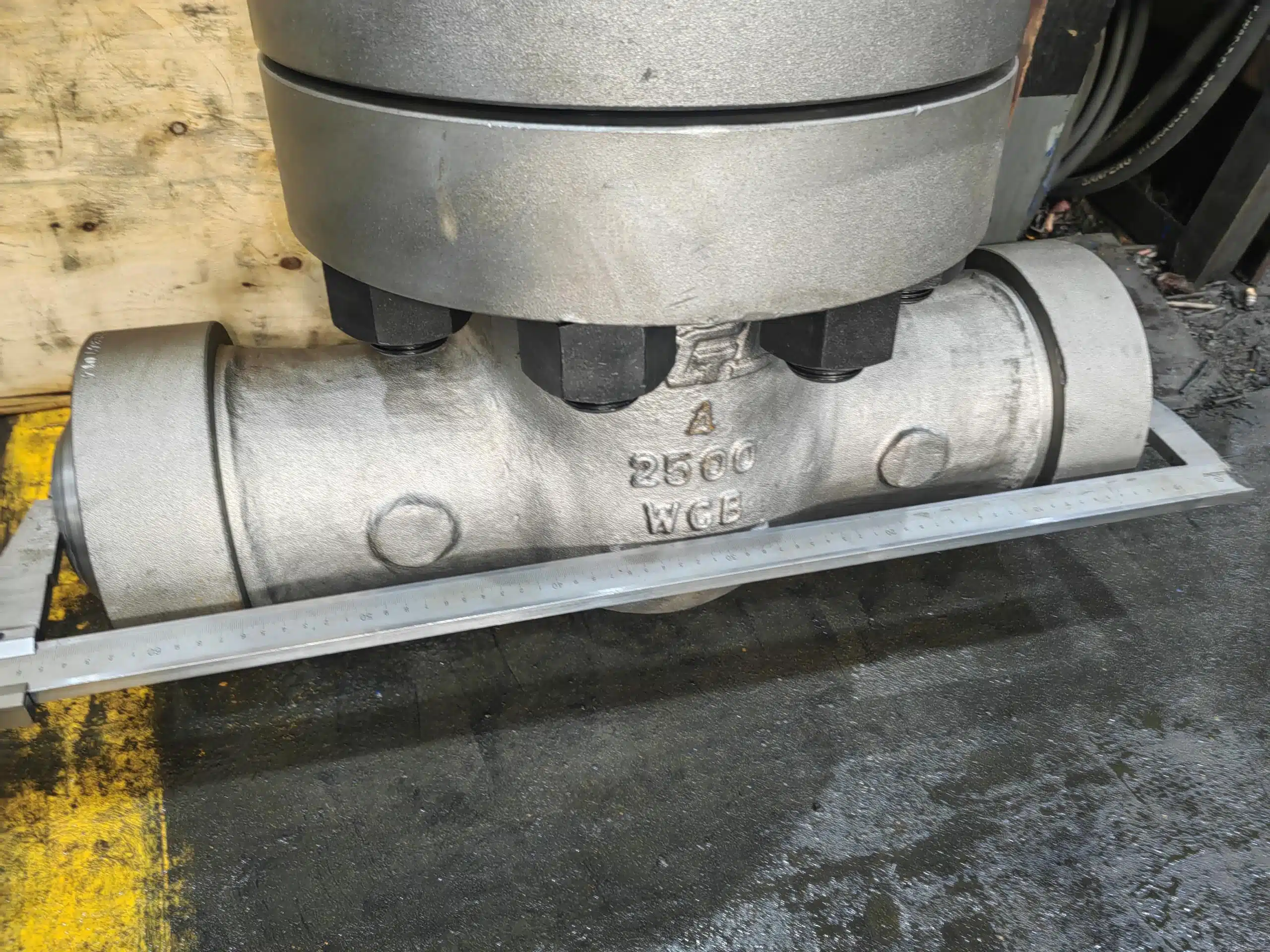
API 600 gate valves are made to be safe and reliable. Their strong build and strict rules make them work well in important jobs. Engineers use smart tools to improve valve designs for places like offshore platforms. This makes valves lighter, reduces stress on structures, and keeps operations safer.
Did you know? Better designs in API 600 valves help meet safety rules and avoid failures.
Testing is key to making sure valves are reliable. Pressure tests under API 598 check if valves can handle pressure without breaking. Functional tests mimic real-life use to ensure smooth operation and proper shutoff. Corrosion tests follow NACE MR0175 rules to make sure valves resist rust in tough conditions.
| Testing Type | Standards Used | Purpose |
|---|---|---|
| Pressure Testing | API 598, ASME B16.34 | Checks if valves can handle pressure before use. |
| Functional Testing | N/A | Tests valve operation and shutoff in real-world conditions. |
| Corrosion Analysis | NACE MR0175 | Ensures valves resist rust in harsh environments. |
| Compliance Standards | API 600, API 602, ISO 5208 | Confirms valves meet safety and reliability rules. |
Regular checks also help keep valves safe. For example, in 2018, a valve failure on an offshore platform showed the need for inspections. After fixing its schedule, the company cut unplanned shutdowns by 40%.
Long service life and durability
API 600 gate valves are made to last a long time. They follow strict rules and use strong materials like cast steel. This steel is tough and resists rust. The valves have thick walls and large sizes, making them durable even under high pressure.
Tip: Pick API 600 gate valves for jobs needing long-lasting and low-maintenance tools.
Reports show these valves last a long time. For example, API 600 cast steel valves pass tough tests for pressure, smooth use, and rust resistance. This makes them perfect for industries like oil and gas, where durability matters.
| Feature | Description |
|---|---|
| Construction Standards | Made with steel under API 600 rules for strength and reliability. |
| Design Features | Thick walls, large sizes, and tight seals to stop leaks. |
| Industry Applications | Used in oil and gas for fire safety and low pressure drop. |
| Compliance | Meets global rules like ISO 15848 and API 624 for low emissions. |
Using these valves lowers downtime and repair costs, keeping systems running smoothly for years.
High performance in demanding conditions
API 600 gate valves work well in tough places. Their thick walls and strong materials let them handle high pressure and heat without breaking. This makes them great for jobs in oil refining and power plants.
Fun Fact: API 600 gate valves stay reliable even in very hot systems.
Performance details show their strengths:
| Performance Metric | Description |
|---|---|
| Strength | Thick walls and strong materials handle tough conditions. |
| Durability | Built to last with little need for repairs. |
| High Pressure Handling | Works well under high pressure without failing. |
| Heat Resistance | Stays reliable in very hot systems. |
| Corrosion Resistance | Resists rust and chemical damage for longer use. |
These valves use rust-resistant materials like stainless steel and alloy steel. They keep working in harsh places, making them a dependable choice for hard jobs.
Regulatory compliance and quality assurance
Following rules ensures your gate valve works safely and reliably. Meeting these rules protects your system and keeps it safe. The API 600 standard is a trusted guide for gate valves. It gives clear rules for materials, design, and testing to ensure good performance.
When buying a gate valve, check for certifications. The API Monogram is an important sign. It means the valve passed strict tests and meets API 600 rules. Manufacturers must pass regular checks to keep this certification. This ensures valves stay high-quality over time.
Testing is key to making sure valves are safe. Pressure tests, like API 598, check if valves can handle pressure without leaks. Fireproof tests, such as API 607, confirm valves work in extreme heat. These tests prove the valve is safe for tough jobs like oil refineries.
The materials used in valves are also very important. API 600 requires strong materials like cast carbon steel and stainless steel. These materials resist rust and last longer. Using approved materials lowers failure risks and makes valves more durable.
Regular checks and maintenance help keep valves working well. Following a maintenance plan helps find problems early and avoid big repairs. For example, checking seals and seats keeps them in good shape. This makes the valve safer and more reliable.
Picking a valve that follows industry rules is smart. It ensures your system runs safely and efficiently, even in hard conditions. Always choose valves that meet compliance and quality standards for your needs.
Applications of API 600 Gate Valves
Oil and gas industry
API 600 gate valves are important in oil and gas work. They keep systems safe and efficient under high pressure. Their strong build and API rules make them great for tough jobs.
- Why API 600 Matters in Oil and Gas:
- API 600 uses carbon and alloy steel for high pressure.
- API 603 uses stainless steel to stop rust in harsh places.
- API 6FA fire tests check if valves stay safe during fires.
These valves meet strict standards for tough conditions. API certification proves they are strong and reliable. For example, they handle pressures from Class 150 to 1500 in many systems.
| Aspect | Description |
|---|---|
| Material Selection | API 600 uses strong materials for high-pressure systems. |
| Pressure Ratings | Valves handle pressures from Class 150 to 1500. |
| Sealing Integrity | API 600 ensures tight seals to stop leaks in key systems. |
| Design Requirements | API 600 sets rules for long-lasting and reliable valve designs. |
API 600 gate valves make oil and gas work safer and greener. They are trusted for pipelines and equipment in tough conditions.
Power generation plants
Power plants need API 600 gate valves for smooth and safe operations. These valves control steam flow and shut off sections for repairs. Their thick walls and strong materials handle the heat and pressure in power plants.
These valves work well in very hot systems. Stainless steel stops rust and stays strong in superheated steam. Tight seals prevent leaks, saving energy and cutting downtime.
Tip: Use API 600 gate valves for dependable power plant systems.
They also follow global rules like ISO 15848 for low emissions. This helps meet environmental laws while keeping systems efficient. API 600 valves improve safety and lower repair costs in power plants.
Chemical and petrochemical processing
Chemical plants need valves that handle dangerous fluids safely. API 600 gate valves are built for high pressure and heat. They stop leaks and control fluid flow in key processes.
| Industry/Application | Performance Characteristics |
|---|---|
| Chemical Processing | Handles harmful fluids under high pressure and heat. |
These valves resist rust, even with strong chemicals. Their tight seals protect workers and equipment from leaks.
Did you know? API 600 valves are popular in petrochemical plants for safety and durability.
Using these valves boosts efficiency and lowers risks in chemical work. Their strong design and industry approval make them reliable for hard jobs.
Water treatment facilities
Water treatment plants need strong and efficient valves. These valves control water flow and ensure clean water delivery. API 600 gate valves are perfect for these tasks. Their tough design and reliable use make them great for water treatment challenges.
Why API 600 Gate Valves Are Important
Water treatment has steps like filtering, adding chemicals, and distributing water. Each step needs accurate flow control for safety and efficiency. Gate valves are dependable for stopping or controlling water flow. They seal tightly to prevent leaks, saving water and lowering costs.
Tip: Choose API 600 gate valves for systems needing long-lasting reliability.
These valves work under different pressures and temperatures. This makes them useful for many water treatment jobs. Whether it’s a city water plant or an industrial wastewater system, these valves keep things running smoothly.
Key Features for Water Treatment
API 600 gate valves have features that help water treatment plants:
- Corrosion Resistance: Stainless steel stops rust, even in treated water.
- Tight Sealing: Keeps water clean and free from contamination.
- Low Pressure Drop: Allows water to flow easily, saving energy.
| Feature | Benefit |
|---|---|
| Corrosion Resistance | Makes valves last longer |
| Tight Sealing | Protects water quality |
| Low Pressure Drop | Saves energy during operation |
Uses in Water Treatment
API 600 gate valves are used in many parts of water treatment plants:
- Intake Systems: Manage raw water entering the plant.
- Filtration Units: Shut off sections for cleaning or repairs.
- Chemical Dosing: Control the flow of treatment chemicals.
- Distribution Networks: Deliver water consistently to users.
Picking the right valve improves efficiency and reduces downtime. Regular care helps these valves last longer, ensuring they stay reliable.
Did you know? Well-maintained gate valves can work for decades, even in tough conditions.
API 600 gate valves are trusted worldwide for water treatment. Their strength, performance, and compliance with rules make them vital for managing water systems.
Comparing API 600 Gate Valves with Other Valve Types
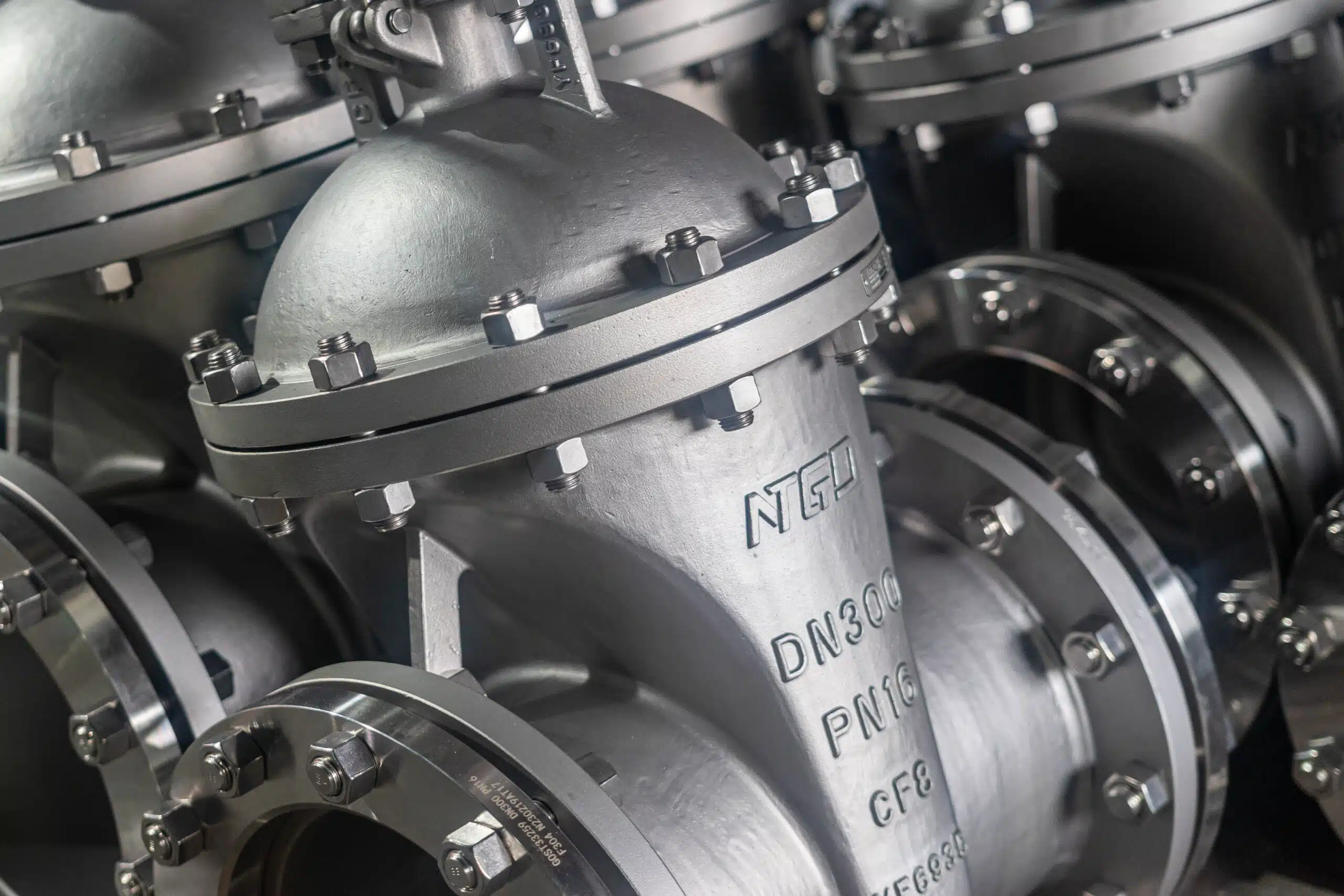
API 600 Gate Valves vs. Globe Valves
API 600 gate valves and globe valves work differently. Gate valves use a flat gate that moves up and down to start or stop flow. This makes them great for simple on/off tasks. Globe valves have a disk that adjusts flow more precisely, making them better for controlling flow.
Gate valves are best for systems needing straight flow with little resistance. They seal tightly when closed, stopping leaks. But they open and close slowly and aren’t good for flow control. Globe valves open faster but cause more pressure drop because of their design.
| Feature | Gate Valve | Globe Valve |
|---|---|---|
| Design and Operation | Flat gate moves up/down for on/off control. | Disk adjusts flow for precise control. |
| Applications | Best for straight flow, low resistance. | Great for flow control and frequent use. |
| Advantages | Tight seal, low pressure drop. | Good for flow control, quick operation. |
| Disadvantages | Slow operation, not for flow control. | Causes higher pressure drop, not ideal for full flow. |
Tip: Pick gate valves for low pressure drop needs. Use globe valves for accurate flow control.
API 600 Gate Valves vs. Ball Valves
Gate valves and ball valves have different uses. Gate valves use a wedge-shaped gate that moves up and down, working well in systems with high flow. Ball valves have a round disc that turns quickly, making them great for fast shut-off.
Gate valves are better for systems needing full flow with little resistance. But they wear out faster if used to control flow partially. Ball valves are good for low-flow systems and need less upkeep because they wear less.
| Feature | Ball Valve | Gate Valve |
|---|---|---|
| Operating Mechanism | Round disc turns fast for quick shut-off. | Wedge-shaped gate moves up/down, slower to operate. |
| Flow Control | Tight control, good for low flow. | Best for high flow, wears faster with partial use. |
| Maintenance Requirements | Less wear means fewer repairs needed. | More wear needs regular checks and fixes. |
Note: Choose ball valves for quick shut-off jobs. Use gate valves for high-flow systems needing strength.
API 600 Gate Valves vs. Butterfly Valves
Gate valves and butterfly valves are made for different tasks. Gate valves use a vertical gate to stop or start flow, sealing tightly for on/off jobs. Butterfly valves have a rotating disc that works faster, making them good for frequent flow changes.
Gate valves handle high-pressure systems well, making them useful in industries like oil and gas. Butterfly valves are smaller and lighter but don’t seal as tightly and cause more pressure drop.
Did you know? Butterfly valves save space, while gate valves are better for strong sealing.
When choosing, think about your system’s pressure needs and flow control. Gate valves are durable and reliable. Butterfly valves are easy to use and fit in small spaces.
Selection Criteria for API 600 Gate Valves
Material and trim selection
Picking the right material and trim is very important. Materials must match the system to avoid damage. Stainless steel works well in places with rust risks. Cast carbon steel is better for high-pressure systems.
The trim includes parts that touch the fluid. These parts must handle the fluid’s properties, like being rough or corrosive. Below is a table showing key parts and their material needs:
| Component | Description |
|---|---|
| Trim | Parts touching fluid; must resist damage and rust. |
| Stem | Needs strength and rust resistance for smooth movement. |
| Body/Gate Seating Surfaces | Must resist wear and rust; often coated with trim material. |
| Backseat Bushing | Helps seal in emergencies; should resist rust better than the body. |
| Small Internal Parts | Important for valve function; materials should match the trim and be strong. |
Tip: Always check the fluid type and system conditions before picking materials. This helps the valve work well for a long time.
Design and size considerations
The valve’s design and size must fit your system. The diameter and length decide how it connects to pipes. A good fit stops leaks and keeps things running smoothly.
Gate valves come in different designs, like wedge or parallel types. They also have rising or non-rising stems. Each type has a special use. For example, wedge valves seal tightly, while parallel valves handle high pressure well.
Size matters too. A small valve may block flow, while a big one can waste energy. Below is a table showing key design and size details:
| Criteria | Description |
|---|---|
| Size | Diameter and length of the valve. |
| Connection Method | Ways to connect, like flange, threaded, or welded ends. |
| Structure | Types of valves (wedge or parallel) and stem styles (rising or non-rising). |
| Operation Mode | Manual, electric, pneumatic, or hydraulic operation. |
Note: Pick a valve design that matches your system’s needs for the best results.
Compatibility with operating conditions
Your valve must work well with your system’s conditions. This includes pressure, temperature, and the fluid type. For example, valves in hot steam systems need materials that handle heat.
Pressure and temperature ratings are very important. Stainless steel handles higher heat than carbon steel. The valve must also suit the fluid, like water, oil, gas, or chemicals.
| Criteria | Description |
|---|---|
| Pressure | Maximum pressure the valve can handle. |
| Temperature and Operating Conditions | Temperature range and fluid type for proper valve choice. |
Did you know? Using a valve with the wrong ratings can cause system problems. Always check these details before installing.
By choosing the right material, design, size, and compatibility, your valve will work better and last longer. This improves performance and reduces repairs over time.
Following Important Standards
Picking a gate valve that follows standards is very important. These rules make sure the valve works safely and reliably in tough places. Choosing valves that meet industry guidelines lowers risks and improves system performance.
The API 600 standard is a trusted guide for gate valves. It has strict rules for materials, design, and testing. Valves meeting API 600 are tested to handle high pressure, heat, and corrosion. This certification proves the valve will work well in critical jobs.
Other standards also help ensure quality. For example, API 598 checks valves for leaks and pressure strength. ASME B16.34 sets rules for valve design in high-pressure systems. Together, these standards make valves strong and dependable.
Look for certifications like the API Monogram when choosing a valve. This mark shows the valve passed tests and meets industry rules. Manufacturers with this certification are checked regularly to stay compliant. This keeps their valves reliable over time.
Materials are also important for valve quality. Standards like ASTM A216 and ASTM A351 ensure cast steel and stainless steel can handle tough conditions. Picking certified materials makes valves last longer and reduces failures.
Following standards ensures safety and gives peace of mind. Certified valves meet system needs and follow industry rules. Always choose valves with proper certifications for the best performance and reliability.
Installation and Maintenance of API 600 Gate Valves
Taking care of API 600 gate valves helps them last longer. Following the right steps avoids problems and keeps systems working well.
Preparing Before Installation
Before putting in a gate valve, check it carefully. Look for damage or dirt on the valve body, stem, and seating areas. Clean parts make the valve work better and last longer.
Make sure the valve fits your system. Check its size, pressure rating, and material to match your pipeline. This prevents leaks or problems later.
Clean the pipeline before installing the valve. Remove dirt, rust, or welding leftovers from pipe ends. This stops debris from harming the valve.
Tip: Keep the valve in a dry place before installing it. This stops rust and damage.
Installing the Valve
Putting the valve in correctly is very important. Line up the valve with the pipeline carefully. Matching flanges or weld ends prevents leaks and keeps the system efficient.
Tighten bolts using a cross-pattern. This spreads pressure evenly and avoids damage. Don’t tighten too much, as it can bend the valve. Follow torque guidelines for safety.
For welded connections, protect the valve’s inside parts from heat. Use shields or remove sensitive parts if needed. After welding, check for damage or misalignment.
Note: Test the valve after installing it. Make sure it seals well and opens and closes smoothly.
Regular Maintenance
Checking the valve often keeps it working well. Look for leaks, rust, or worn-out parts. Focus on the stem and seating areas since they wear out faster.
Lubricate moving parts like the stem regularly. This reduces friction and helps the valve last longer. Use a lubricant that works with the valve material and fluid type.
Open and close the valve fully to check its operation. If it doesn’t move smoothly or close properly, fix it quickly to avoid bigger problems.
Did you know? Regular care can make your valve last years longer, saving money on replacements.
By following these steps, your API 600 gate valves will stay strong and reliable. Good maintenance improves performance and lowers the chance of sudden failures.
Troubleshooting Common Problems
Even with good care, gate valves can have issues. Knowing how to fix them keeps your system working well. Below are common problems and simple solutions.
1. Valve Leakage
Leaks are a common problem with gate valves. They often happen because of worn seals, damaged seats, or bad installation. To fix this:
- Look for damage on the valve, especially seals and seats.
- Replace any worn seals or broken seats right away.
- Tighten bolts evenly to keep the valve aligned.
Tip: Check for leaks during regular inspections to catch them early.
2. Hard to Open or Close
If the valve is hard to move, parts like the stem might be stuck or rusty. Try these steps:
- Add lubricant to the stem to make it move easier.
- Clean out any dirt or buildup inside the valve.
- Replace rusty or badly damaged parts if needed.
Note: Using rust-proof materials like stainless steel helps avoid this issue.
3. Doesn’t Shut Off Completely
If the valve doesn’t close all the way, it can leak and waste fluid. This usually happens because of misaligned gates or worn seats. To fix it:
- Check if the gate is lined up correctly and adjust it.
- Look at the seats for damage and replace them if needed.
- Test the valve after fixing it to ensure it seals tightly.
4. Loud Noises or Vibrations
Too much noise or shaking can mean the flow is too fast or parts are loose. Fix this by:
- Slowing down the flow to reduce turbulence.
- Tightening any loose parts inside the valve.
- Checking the valve body for cracks or other damage.
Did you know? Proper setup and regular care can stop most noise problems.
5. Rust and Corrosion
Rust can weaken the valve and shorten its life. It’s common in systems with harsh fluids or environments. To prevent this:
- Use materials like stainless steel or alloy steel that resist rust.
- Add protective coatings to the valve’s surface.
- Inspect the valve often to spot rust early.
By solving these problems, you can make your gate valve last longer and work better. Regular care and quick fixes are key to avoiding expensive breakdowns.
Future Trends in API 600 Gate Valve Technology
New Materials and Coatings
Gate valves are getting better with new materials and coatings. Companies now use strong alloys like Monel 400 and Hastelloy C-276. These alloys fight rust and work well in tough conditions. For example, Emerson Electric’s valves stayed reliable for 18 months in HF service. This shows how better materials make valves last longer.
Teamwork between companies also helps improve valves. A U.S. refinery teamed up with ValvTechnologies to make a no-leak gate valve. This cut downtime by 42% in one year. Working together leads to smarter designs and higher profits. Studies show teamwork gives 3.2 times more returns than working alone.
Rules also push companies to innovate. The U.S. EPA now limits valve emissions to under 100 ppm. This led to new designs like bellows-sealed stems and metal seats. One refinery saw HF leaks drop by 70% after switching to these valves. These upgrades make valves safer and meet strict environmental rules.
Smart Valve Technology
Smart technology is changing how valves are used. Sensors now check valve performance all the time. They measure things like pressure, temperature, and flow rates. This helps find problems early before they cause big issues.
Smart valves also save time and energy. Automated systems adjust valve settings without needing people to do it. Some valves use IoT (Internet of Things) to send alerts when repairs are needed. This stops costly breakdowns and makes valves last longer.
Another cool trend is digital twins. These are virtual models that show how a valve works in different situations. You can use them to test designs or plan repairs. This helps avoid surprises and make smarter choices.
Sustainability and Energy Efficiency
Valve makers now focus on being eco-friendly. They design valves that use less energy and last longer. Low-emission valves help protect the environment. These valves meet global rules like ISO 15848 for emissions.
Energy-saving valves also cut costs. Designs with low pressure drops let fluids flow easily, saving energy. Strong materials like stainless steel last longer, reducing waste and replacements. This supports green practices and saves money.
Recycling is also important. Some companies now use recycled materials to make valves. This lowers resource use and supports eco-friendly goals. Choosing sustainable valves helps the planet and improves system performance.
API 600 gate valves are strong, safe, and work well. They are important for tough jobs in many industries. This guide explains their sturdy build, material choices, and how they meet industry rules. Picking the right valve, installing it properly, and taking care of it will make it last longer and work better. New technology brings smarter designs, greener materials, and better energy use. Learning more helps you choose wisely and get the most out of your valve.
FAQ
What does an API 600 gate valve do?
API 600 gate valves control liquid or gas flow in pipelines. They seal tightly to stop leaks and work well for on/off tasks. These valves handle high pressure and heat easily.
How do you pick the right material for an API 600 gate valve?
Choose materials based on your system’s needs. Use stainless steel for corrosive areas. For high pressure, cast carbon steel is strong and reliable. Match the material to the fluid and temperature.
Can API 600 gate valves handle very hot conditions?
Yes, they are built for high heat. Materials like stainless steel and alloy steel keep them working well in extreme temperatures. Always check the valve’s heat rating before using it.
Where are API 600 gate valves commonly used?
These valves are used in oil and gas, power plants, chemical factories, and water treatment. Their strength and compliance with rules make them great for tough jobs.
How often should you check an API 600 gate valve?
Check the valve every six months. Look for leaks, rust, or worn parts. Lubricate moving parts and replace damaged seals to keep it working well.
What’s the difference between rising and non-rising stem gate valves?
Rising stem valves show their position as the stem moves up or down. Non-rising stem valves don’t move, making them good for small spaces. Pick one based on your space needs.
Can API 600 gate valves handle corrosive fluids?
Yes, they can if made from materials like stainless steel or alloy steel. These materials resist rust and chemical damage, keeping the valve safe to use.
How do you know if an API 600 gate valve meets standards?
Look for the API Monogram on the valve. This mark shows it meets API 600 rules. Manufacturers are checked regularly to keep this certification.
Tip: Always check the valve’s certifications and materials before buying.