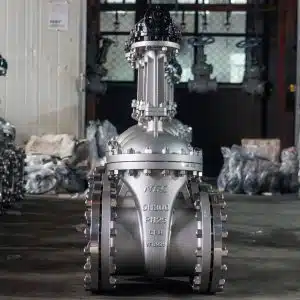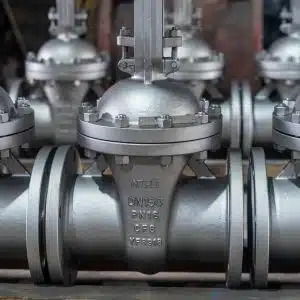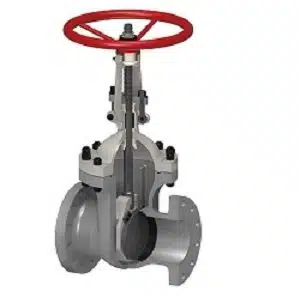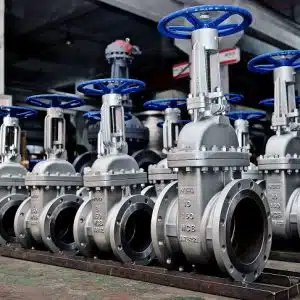
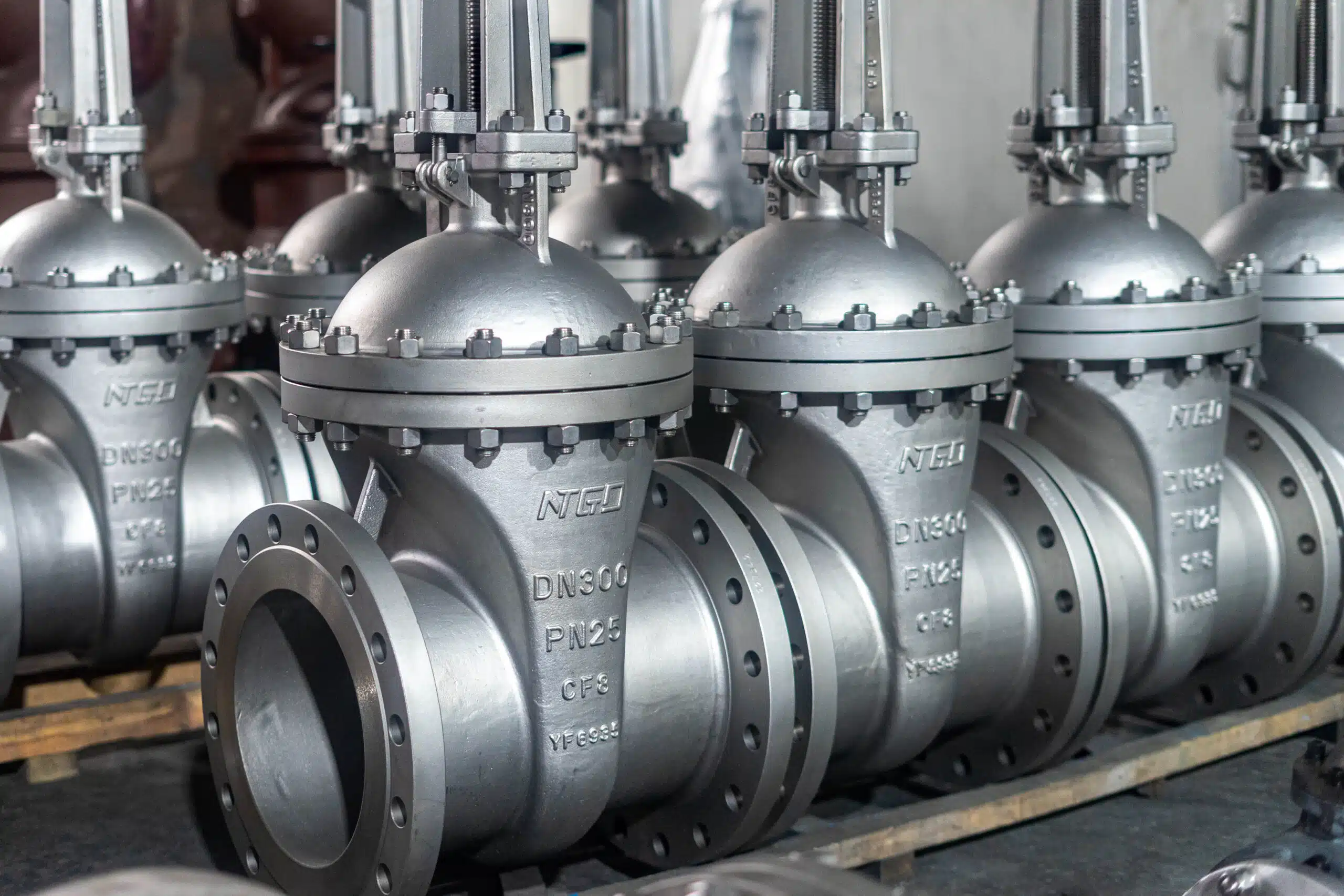
A metal seated gate valve controls how liquids or gases move. It uses a strong metal seat and gate. Its main difference is the hard sealing surface. This surface can handle high heat and strong chemicals. The valve is important in factories and plants. It gives strong flow control and good sealing.
When you pick or use a metal seated gate valve, you may worry about:
- Valve leaks from seats that are worn or surfaces that are damaged
- Rust and wearing down in rough places
- Trouble using or fixing the valve because of stem rust or dirt
- Losing pressure because the pipe has more resistance
Key Takeaways
- Metal seated gate valves control flow well and seal tightly. They work best with high heat and strong chemicals. These valves are tough and last longer than rubber seal valves. This means you do not have to replace them often. Check and clean metal seated gate valves often to stop leaks. This helps them work smoothly. Picking the right size and material for your valve is very important. It keeps your system safe and working well. Metal seated gate valves are great for hard jobs. They are used in oil, gas, and water treatment industries.
What Is a Metal Seated Gate Valve
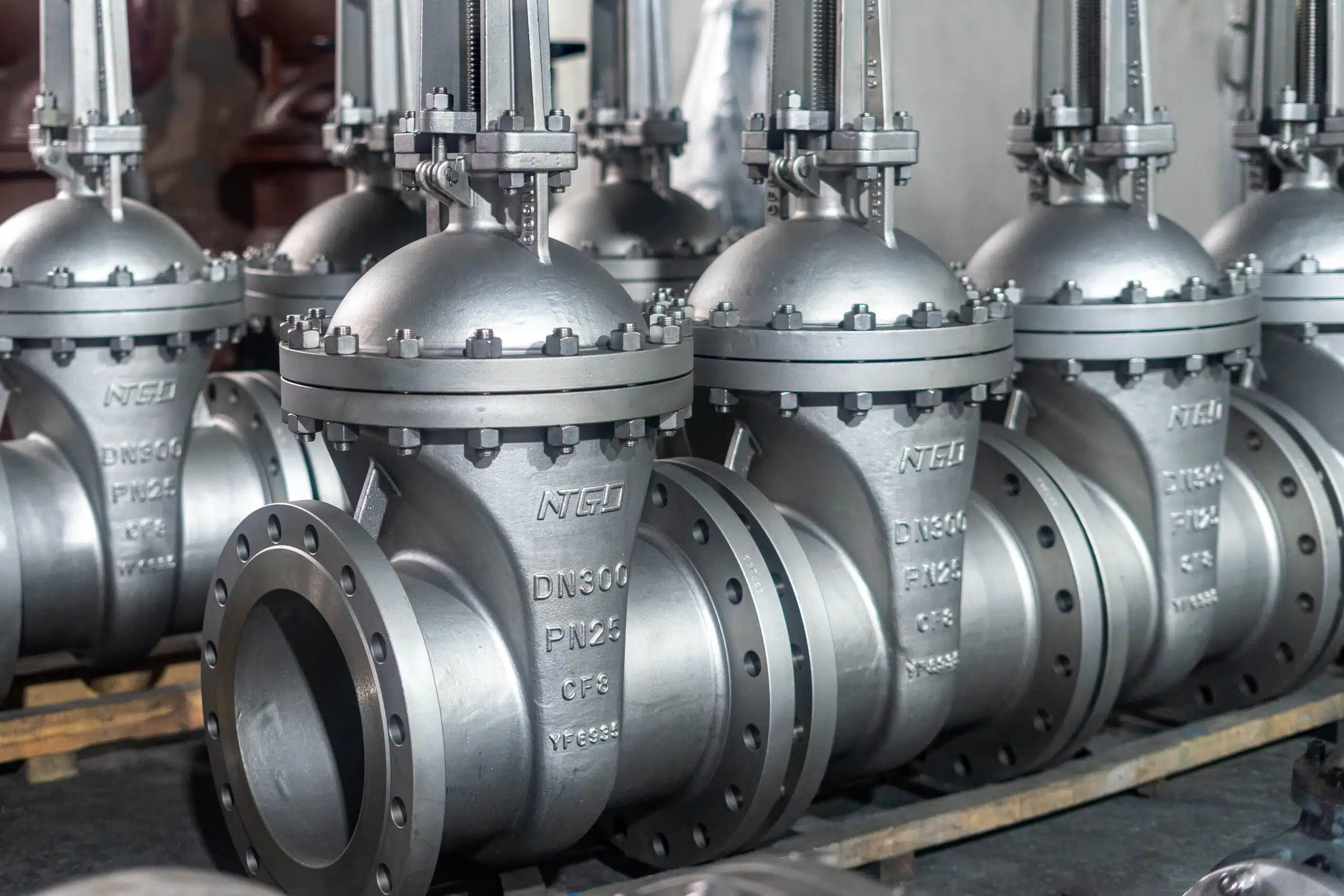
A metal seated gate valve is used to control how liquids or gases move. It works by having the gate and seat touch each other with metal. This stops or lets things flow. People use this valve in places with high heat, strong pressure, or harsh chemicals. These valves are made to follow strict rules. This helps them work safely and last a long time.
Structure and Standards
A metal seated gate valve has a strong body, a gate, and metal seats. The body is made from cast steel, stainless steel, or forged steel. The wedge fits tightly into the seat to stop flow. Some valves have a cone-shaped wedge for a better seal.
Valve makers build these valves to meet important rules. These rules help make sure the valve works well in hard places. Here is a table that shows the main rules and features:
| Feature | Description |
|---|---|
| Design Standards | AWWA C500, ANSI, ASTM |
| Applications | Wastewater and sewage applications |
| Size Range | 2” through 96” |
| Body and Wedge Guides | Bronze for valves 14” and larger |
| Coating | Fusion Bonded Epoxy (FBE) coating |
| Certification | Certified for use in drinking water (ANSI/NSF 61, ANSI/NSF 372) |
| Valve Types | Non-rising stem and outside stem & yoke (OS&Y) designs |
| Additional Features | Hand wheels, operating nuts, mounting pads for gears or electric actuators |
These valves also meet other rules for testing and safety. Here is a quick look at some of the most common rules:
| Standard | Description |
|---|---|
| API 598 | Test specification for all types of valves, including leakage rates and testing criteria |
| API 6D | Design standard for pipeline gate valves, now part of ISO 5208 |
| ISO 5208 | Specifies leakage rates and standards for gate, globe, and check valves |
| ASME B16.34 | Main design standard with pressure and temperature charts |
These rules help your metal seated gate valve last and work well in many systems.
Hard Seal and Sealing Surface
The main thing that makes a metal seated gate valve special is its hard seal. The sealing parts are made from strong metals like stainless steel or special alloys like Stellite. This makes the valve tough and able to handle high heat and pressure. You can use these valves where soft parts would melt or wear out fast.
Here is a table that compares the sealing surfaces of metal seated and resilient seated gate valves:
| Type of Valve | Material Composition | Wear Resistance |
|---|---|---|
| Resilient Seated Gate Valve | Lined with resilient rubber | Limited wear resistance, fails under high temperatures |
| Metal Seated Gate Valve | Made from metal (e.g., stainless steel) | High wear resistance, works in high temperatures and pressures |
The cone-shaped wedge in a metal seated gate valve helps make a tight seal. It pushes into a matching seat. This works well at first. But dirt and debris can build up in the seat area over time. This can make the seal not work as well. Resilient seated gate valves use a rubber surface. The rubber can bend around small bits of dirt. This helps them keep sealing even if there is some dirt.
You should pick a metal seated gate valve for tough jobs. These valves are best for high heat, high pressure, or places with strong chemicals. The hard metal seal helps the valve last a long time, even when the system is rough.
How Metal Seated Gate Valve Works
Operation Mechanism
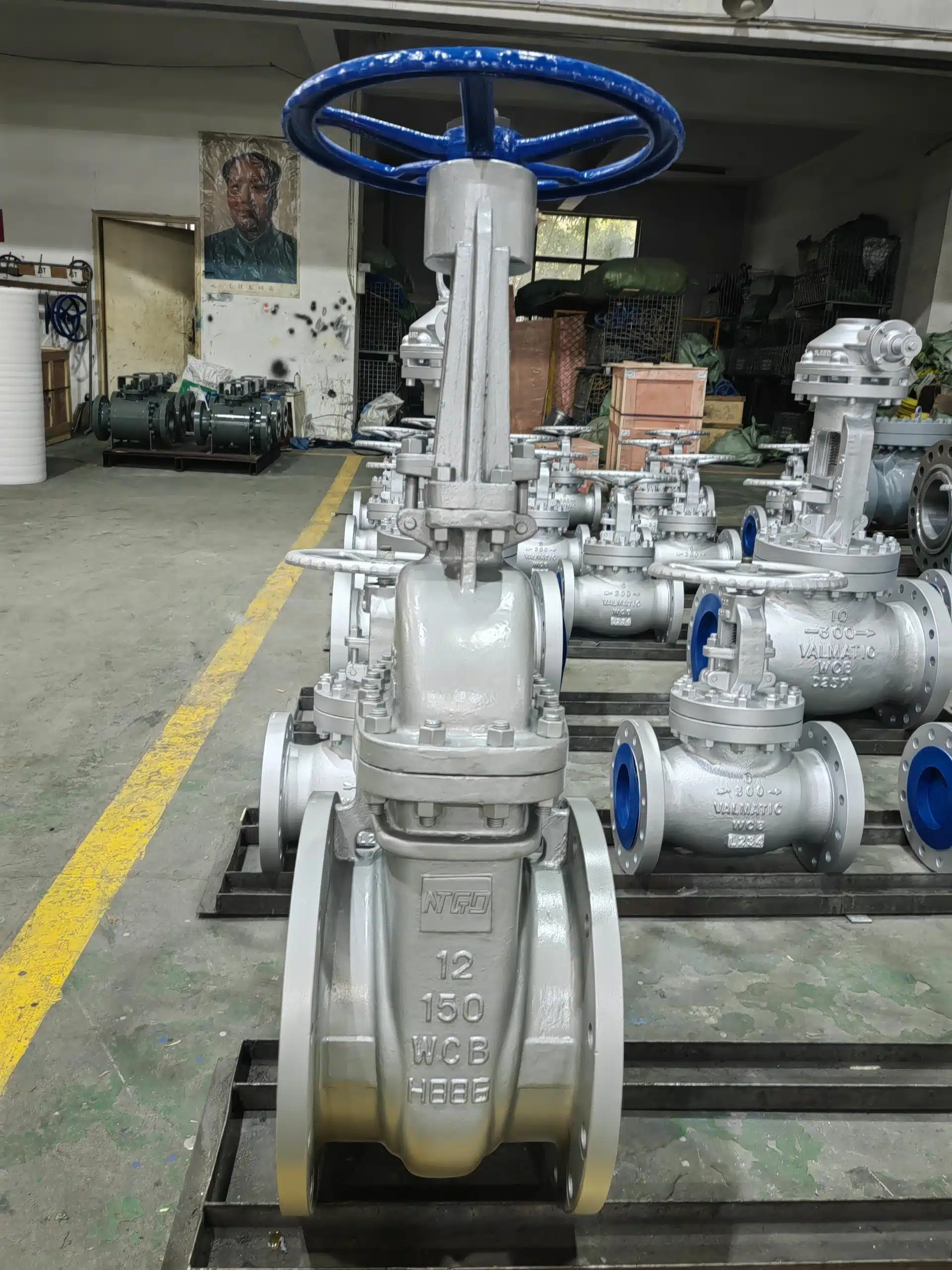
You can open or close a metal seated gate valve by turning a handwheel or using a machine. This makes the stem move up or down. The stem is attached to a gate inside the valve. When you turn the handwheel and lift the stem, the gate goes up. This lets liquid or gas pass through easily. If you turn the handwheel the other way, the stem goes down. The gate moves down and presses between two metal seats. This blocks the flow.
Here is a table that shows the main parts and what they do:
| Component | Description |
|---|---|
| Valve Body and Gate | The body is strong steel. The gate moves up and down to control flow. |
| Sealing Surface | Hard metal parts stop wear and handle high heat. |
| Stem | The stem moves the gate. You can use your hand or a machine. |
| Opening Mechanism | The stem lifts the gate straight up for full flow. |
| Sealing Mechanism | Metal touches metal to make a tight seal. You need force to close it all the way. |
| Resistance Features | The valve works well in tough places with high pressure and heat. |
| Service Life | Hard metal parts last longer than soft ones. |
| Leakage Rate | Careful work makes a good seal, but sometimes a little leaks. |
Metal seated gate valves are good when you need a strong seal that lasts. The hard metal parts help the valve work well even with high heat or pressure.
Flow Isolation Function
You use a metal seated gate valve to stop or let things flow in a pipe. The gate moves slowly, so it takes more time to open or close. This slow movement helps keep pressure from changing too fast. The valve can block flow well, even in tough places.
Ball valves open and close faster than metal seated gate valves. Ball valves also seal tighter and let less leak out. That is why ball valves are better for jobs where you need to open and close the valve a lot. But metal seated gate valves are best for big pipes and places where you do not need to move the valve often.
| Feature | Metal Seated Gate Valves | Ball Valves |
|---|---|---|
| Operation Speed | Slower | Faster |
| Leakage Rate | Higher | Lower |
| Suitability | High pressure, high temperature | Critical, severe service |
| Isolation Capability | Strong in harsh conditions | Effective, less robust |
| Application | Large pipelines, rare operation | Frequent operation |
- Metal seated gate valves give a strong seal in rough places.
- They open and close slower than ball valves.
- They may let a little more leak out.
- Ball valves are better for quick, tight shutoff.
If you need a valve for hard jobs and do not mind slow movement, a metal seated gate valve is a good pick.
Features and Benefits
Durability and Longevity
You want a valve that lasts a long time, even in tough places. A metal seat gate valve gives you high durability. The metal sealing surfaces use strong materials like stainless steel or copper alloy. These materials resist wear and keep working when other valves fail. You can use this valve in systems with solid particles or strong chemicals. The valve keeps its shape and strength, even when the flow is rough or the pressure is high.
- Metal seated gate valves work well in abrasive and corrosive environments.
- They last longer than valves with rubber or soft seals.
- The metal parts handle erosion and wear, so you do not need to replace them often.
Tip: If you need a valve for a place with sand, grit, or harsh chemicals, choose a metal seat gate valve. It will save you time and money on repairs.
Temperature and Corrosion Resistance
You need a valve that can handle heat and resist rust. Metal seated gate valves work in high temperatures where soft seals would melt or break down. Manufacturers rate these valves for use up to 400°F. Some high-temperature models can handle even more. Here is a table showing the temperature ranges for different grades:
| Valve Type | Temperature Range |
|---|---|
| Metal Seated Gate Valves | Up to 400°F |
High-temperature valves come in five grades:
- Grade PI: 25~550°C
- Grade PII: >550~650°C
- Grade PIII: >650~730°C
- Grade PIV: >730~816°C
- Grade PV: >816°C
You also get strong corrosion resistance. The metal sealing surfaces stand up to chemicals and rough flows. These valves keep sealing well, even when the fluid is harsh or has solid bits. You can trust a metal seated gate valve in places where rubber or plastic seals would wear out fast.
- Metal sealing surfaces resist both heat and chemicals.
- The valve keeps working in places with strong acids, bases, or saltwater.
- You get a longer service life, even in extreme conditions.
Stable Sealing Performance
You want a valve that seals tight and keeps your system safe. Metal seated gate valves give you stable sealing, even when the pressure or temperature changes. The hard metal seal stays strong under stress. You can use this valve in high-pressure systems without worrying about leaks.
However, you should know about common problems that can affect sealing:
- Natural seal failure happens after long use, especially with strong chemicals.
- Large pressure changes can cause dry friction or push the seal past its limit.
- Poor flushing can overheat the seal and cause it to burn out.
- Damaged bearings can make the valve vibrate, which wears out the seal.
Other issues include leaks at the joints, bonnet, or valve body. These often come from loose bolts, wrong seal sizes, or casting defects. You can prevent most problems with regular checks and good installation.
Note: Always check the valve for leaks after installation. Tighten bolts and use the right seals to keep your system safe.
A metal seated gate valve gives you a strong, stable seal in tough jobs. You get less downtime and fewer leaks, which means safer and more reliable operation.
Applications of Metal Seated Gate Valve
Industrial and Utility Use
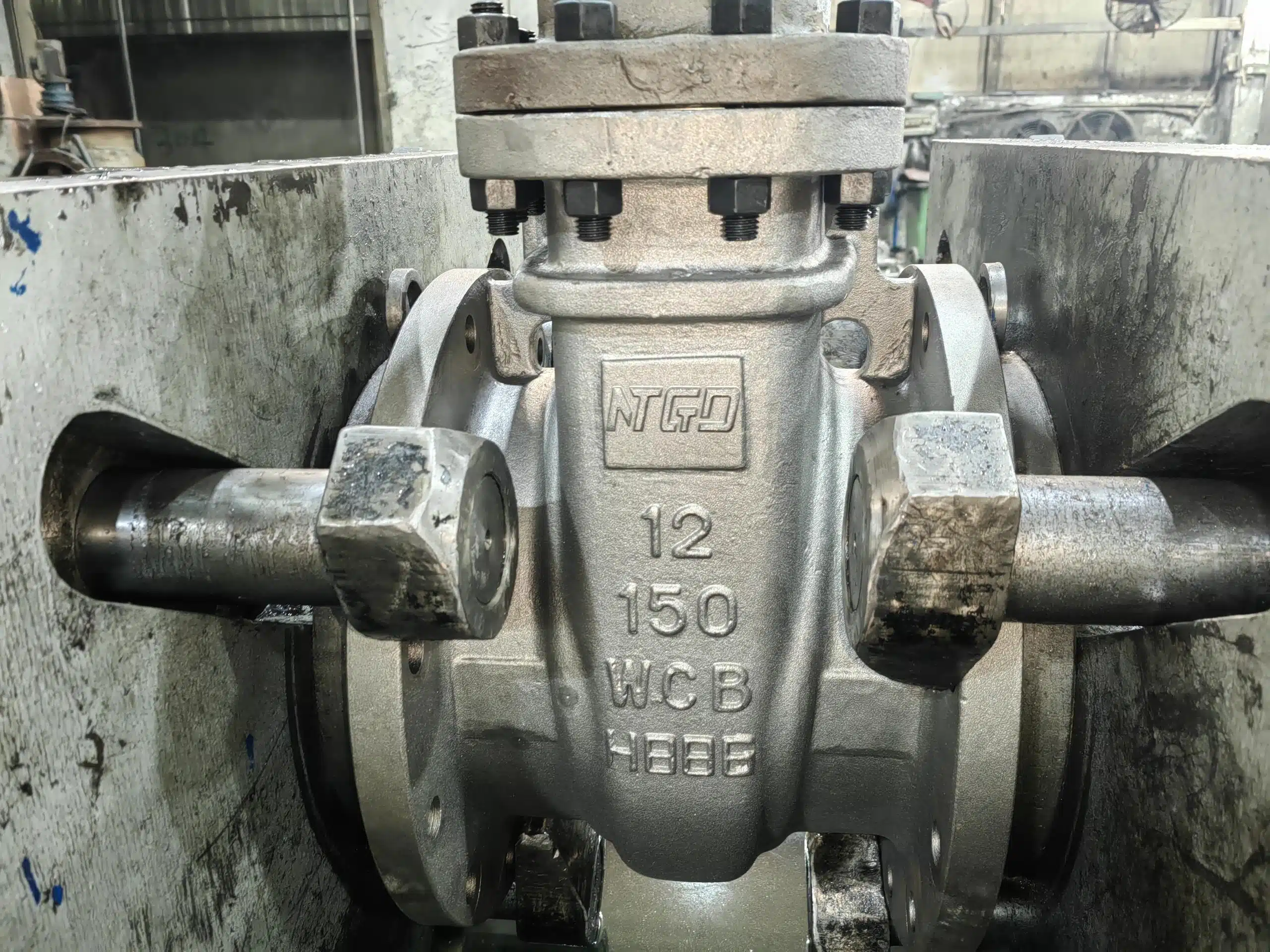
Metal seated gate valves are used in factories and power plants. They help control the flow of steam, chemicals, or thick liquids. These valves are strong and work well with hot or rough fluids. Metal seats last longer than soft seals. NTGD metal seated gate valves are good for hard jobs in factories, mines, and city services. They help keep systems safe and stop leaks.
- You can find these valves in:
- Chemical plants
- Steam systems
- Water treatment plants
- Mining sites
Tip: Pick NTGD metal seated gate valves if you need a valve that works well in tough places.
Oil, Gas, and Power Sectors
Metal seated gate valves are important in oil, gas, and power plants. These places need valves that can handle high heat and pressure. NTGD makes valves for these big jobs. They help keep people safe and make work easier. These valves last a long time and do not need to be changed often. The table below shows why metal seated gate valves are a good choice for these uses:
| Advantage | Description |
|---|---|
| Durability | Valves are very strong for tough jobs. |
| Safety | Valves help keep workers and systems safe. |
| Operational Efficiency | Valves let fluids move easily and seal tightly. |
| Long Service Life | Valves last longer, so you change them less. |
| Adaptability | Valves work in many places with different materials. |
NTGD metal seated gate valves help protect pipelines, refineries, and power plants.
Water Treatment Systems
Water treatment plants need valves they can trust. Metal seated gate valves help control water flow and stop leaks. These valves work well even when it is hot or under high pressure. NTGD valves last a long time and work smoothly. The table below shows how these valves help water treatment plants:
| Feature | Description |
|---|---|
| Durable sealing under harsh conditions | Keeps water flowing right and stops leaks. |
| High pressure and high temperature resistance | Good for hard jobs in water treatment plants. |
| Long service life | Helps the plant run well with less fixing needed. |
NTGD metal seated gate valves help keep water systems safe and working well. They also help save money on repairs and meet strict rules.
Selecting the Right Gate Valve
Picking the right metal seated gate valve keeps your system safe. You should think about a few things before you choose. Each thing can change how well the valve works in your system.
Size and Pressure Range
You need to pick a valve size that fits your pipe. Metal seated gate valves come in sizes from 2 to 108 inches. The size you pick changes how much liquid or gas can move. It also changes how much pressure the valve can take. Smaller valves can usually take more pressure for their size. The pressure rating tells you the most pressure the valve can handle. If you pick a valve with a low pressure rating, it might leak or break. If you pick a valve with a high pressure rating, it might cost more than you need.
- Check what the valve is made of. Cast steel is good for high pressure.
- Look at how the gate and seat fit together. This changes how much pressure the valve can take.
- Think about how much flow and pressure your system needs. Make sure the valve can handle it.
- Always match the valve’s pressure rating to your system’s highest pressure.
Tip: Never use a valve with a lower pressure rating than your system. This keeps things safe.
Material and Media Compatibility
The stuff moving through your valve could be water, oil, gas, or chemicals. You need to pick a valve material that matches what is flowing and the pressure. If you pick the wrong material, the valve could rust or break. Stainless steel does not rust and works for many things. Cast iron is strong but does not work with some chemicals. Bronze is good for seawater. Nickel works for high pressure and heat.
| Material | Properties | Application Considerations |
|---|---|---|
| Stainless Steel | Does not rust, lasts a long time | Good for many uses and pressures |
| Cast Iron | Strong, but can rust with some chemicals | Best for things that do not corrode |
| Bronze | Great for not rusting, used in the ocean | Good for seawater and medium pressure |
| Nickel | Handles high heat and pressure | Used in tough, high-pressure places |
- Always check if the seat can handle your media’s pressure and heat.
- Pick materials that do not rust for longer use.
- Make sure the valve matches both the media and pressure.
Connection Types (Threaded, Flanged)
You can pick threaded or flanged connections. Each type has good and bad points.
| Connection Type | Advantages | Disadvantages |
|---|---|---|
| Flanged | Strong, easy to fix, seals well at high pressure | Heavy, hard to line up, more work |
| Threaded | Quick to put in, saves space, costs less | Threads can break, hard to take apart, needs sealants |
- Use flanged valves for high pressure and strong sealing.
- Pick threaded valves for smaller pipes and lower pressure.
Note: Always think about safety and the environment. Pick valves that can take high pressure, heat, and harsh chemicals. Look for strong seat materials and good stem seals. Make sure the valve body can take heat and not bend.
Metal Seated vs. Other Gate Valves
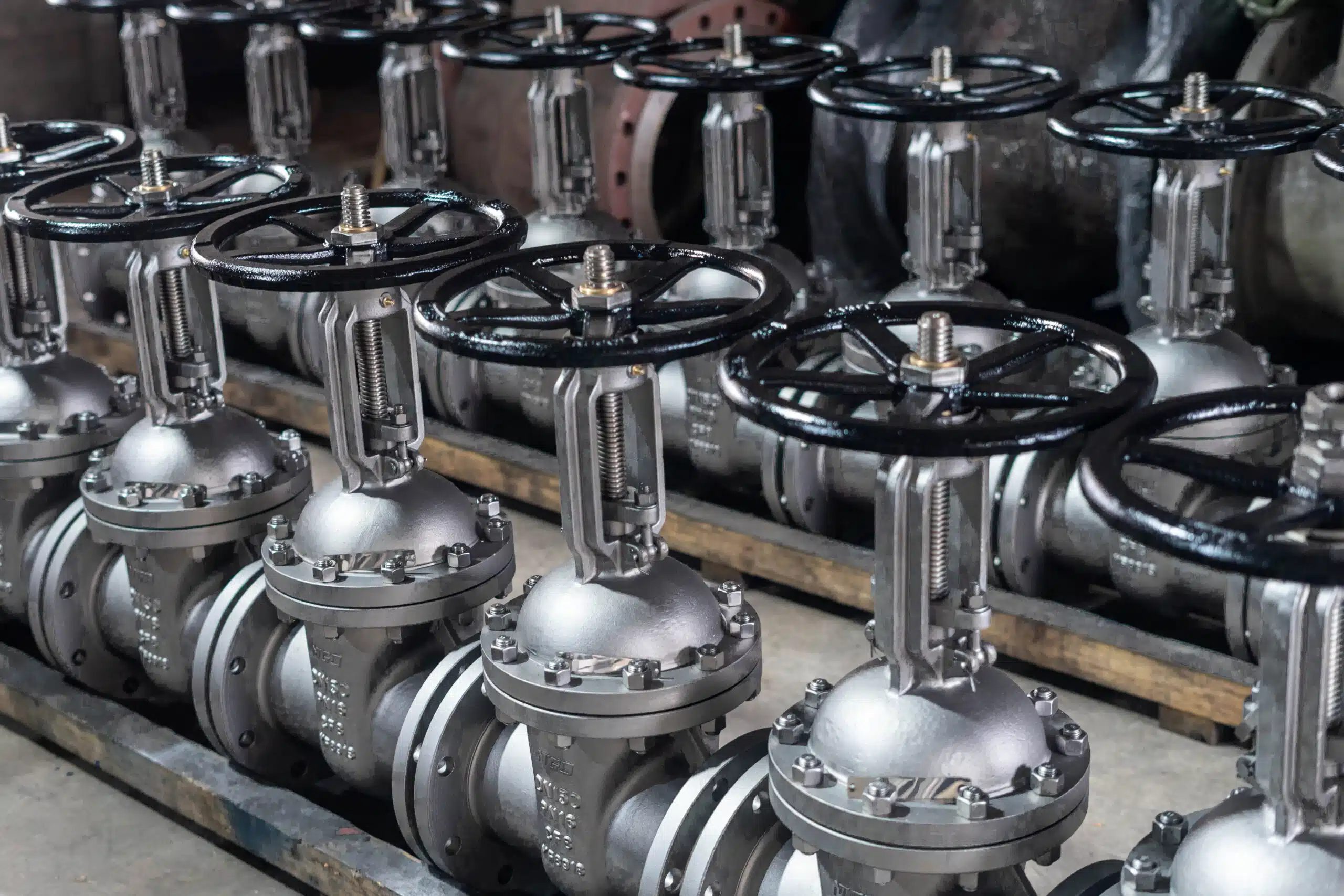
Metal Seated vs. Resilient Seated
When you look at metal seated and resilient seated gate valves, you see big differences. Metal seated valves use hard metal to seal. This makes them strong in hot places and with harsh chemicals. Resilient seated valves use a rubber-like seal. The rubber helps them stay tight, even if there is dirt or small scratches.
You can see how much each valve leaks in this table:
| Valve Type | Leakage Standard | Allowable Leakage Level |
|---|---|---|
| Resilient-seated | API 6D | Zero leakage (bubble tight) |
| Metal-seated | MSS SP-61 | Permissible leakage by class |
Resilient seated gate valves do not let any bubbles through. Metal seated valves can leak a little, and that is normal for metal seals.
Taking care of these valves is different. Metal seated valves need regular checks. The metal parts can wear out, so you might have to fix or change both the body and the gate. With resilient seated valves, you usually just change the gate. This makes them easier and faster to fix.
- Metal seated: Needs regular checks and care for both body and gate.
- Resilient seated: Easier to fix; usually just change the gate.
Tip: Use metal seated valves for tough jobs. Pick resilient seated valves if you want no leaks and easy fixing.
Gate Valve vs. Ball, Globe, Butterfly
There are many types of valves you can pick. Gate, ball, globe, and butterfly valves all have their own good points. Gate valves are best when you want to start or stop flow with little pressure drop. Ball valves close quickly and seal very tight. Globe valves help you control how much flows, not just stop it. Butterfly valves save space and cost less money.
Here is a table to compare gate valves and butterfly valves:
| Feature | Gate Valve | Butterfly Valve |
|---|---|---|
| Cost | More expensive | Less expensive |
| Installation Space | Needs more space | Compact |
| Weight | Heavier | Lighter |
| Maintenance | Good for pigging | Easier, but not for pigging |
| Operation | Slower closing | Faster closing |
| Flow Regulation | On/off only | Can throttle flow |
| Flow Resistance | Less resistance | More resistance |
| Pressure | Handles higher pressures | Lower pressure limits |
| Sealing Tightness | Higher sealing | Lower sealing |
| Application Suitability | Best for zero leakage | Good for flow control |
Gate valves are good when you need a tight shutoff and low pressure loss. Butterfly valves are better for big pipes and saving space. Ball valves are best for quick shutoff. Globe valves help you control the flow amount.
Note: Gate valves are best for stopping flow. Butterfly and globe valves are better for changing flow.
Maintenance and Operation
Inspection and Cleaning
It is important to keep your metal seated gate valve working well. You should check and clean it often. This helps stop problems and keeps your system safe. Look at the valve seat, disc, entry, and exit ports. This helps stop blockages and keeps things flowing. Metal seats can get more dirt in hard jobs than resilient seat gate valves. Both types need cleaning, but metal seats need extra care.
- Clean the valve seat, disc, and ports so dirt does not build up.
- Use a cleaning solution that fits your system. Make sure the valve is dry before you use it again.
Resilient seat gate valves can handle small dirt better. But you still need to clean both types. If you do not clean them, you might get leaks or stuck gates. Always look for rust or wear when you check the valve. This helps you find problems early.
Troubleshooting and Best Practices
If your metal seated gate valve has trouble, you can fix many problems easily. The table below shows common problems, why they happen, and how to fix them. Some problems are like those in resilient seat gate valves. But metal seats need more care for wear and dirt.
| Common Issue | Cause | Solution |
|---|---|---|
| Gate Valve Stuck | Worn threads, not enough oil, or dirt | Clean, oil, or change the stem. |
| Packing gland too tight | Packing is too tight, stem cannot move | Loosen packing a little for better use. |
| Disc deformation or damage | Rust, scale, or forced closing | Check and change if needed. |
| Debris accumulation | Sand, rust, or solid bits stuck inside | Clean the valve; add a strainer. |
| Improper installation | Valve put in at an angle, stress is uneven | Put valve in straight for smooth use. |
| Long periods of inactivity | Rust and sticking from not using | Use the valve sometimes to stop sticking. |
To help your valve last longer, follow these tips:
- Keep metal parts away from air and water.
- Use things that stop rust.
- Add special anodes for more protection.
- Change things like pH and airflow.
- Pick the right valve for your job, like a resilient seat gate valve for easier places.
- Check and clean the valve often.
- Plan regular care and fixing.
If you use these tips, your metal seated gate valve will last longer in tough jobs than a resilient seat gate valve. You will also have fewer leaks and safer use.
Metal seated gate valves give you many good things.
- They are very strong and do not rust easily.
- You can save money if you use them in places that are not too rough.
- These valves work in lots of different jobs and hard places.
| Standard | Description | Application Scenarios |
|---|---|---|
| API 600 | Steel gate valves for oil and gas | High-pressure pipelines |
| API 6A | Wellhead equipment | Offshore rigs |
| API 603 | Corrosion-resistant valves | Chemical plants |
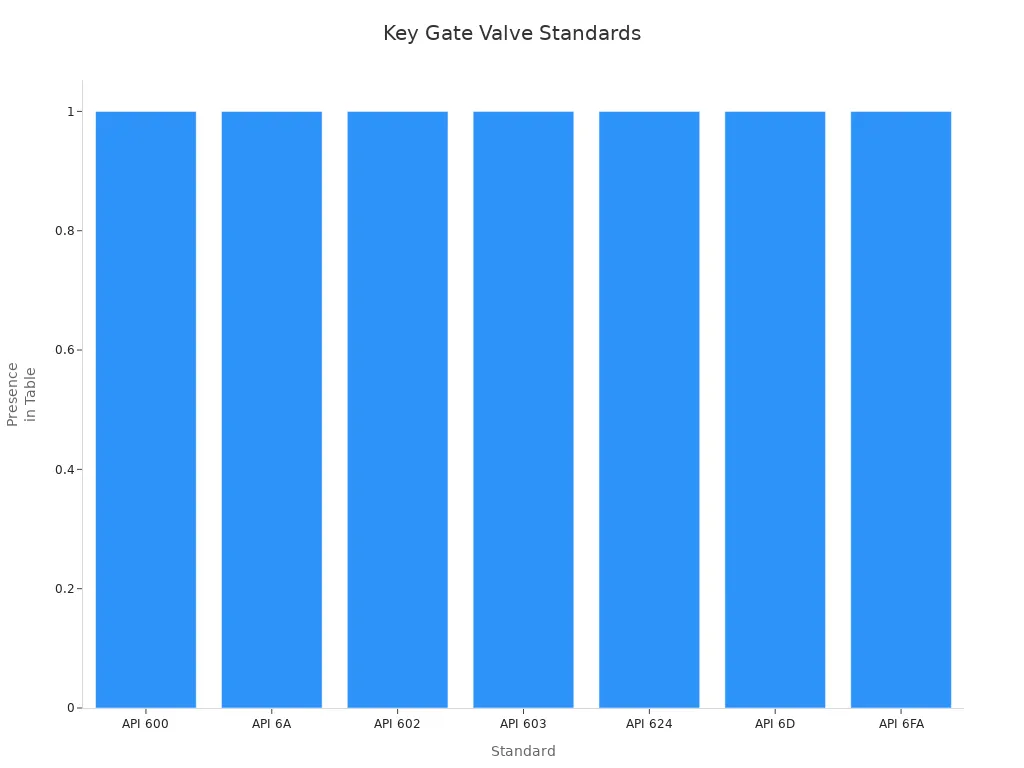
You need to pick the right metal seat gate valve for your job. Always check what rules or standards you need to follow. If you want help or want to learn about NTGD valves, talk to NTGD today.