
Key Features of Two Valve Types
Explore the differences between butterfly and ball valves.
| Features | Butterfly Valve | Ball Valve: |
|---|---|---|
| Weight | Lighter, good for big pipes | Heavier, needs support for big pipes |
| Installation space | Takes up less room | Needs more room |
| Flow restriction | Disc slows flow, small pressure drop | Full-port, no pressure drop |
| Cost | Cheaper for big pipes | Cheaper for small pipes |
| Sealing effectiveness | Not as good at sealing | Excellent sealing |
| Durability | Wear over time in harsh fluids | Very strong, lasts long |
| Maintenance | Easy and cheap to maintain | Harder and more expensive to maintain |
| Flow capacity | Slows flow due to disc | Full flow, no blockages |
| Space requirement | Needs less space | Needs more space |
Choosing a butterfly or ball valve depends on your needs. Think about things like use, price, and space available. For example, butterfly valves are good for light and small systems. Also, check how much flow control and upkeep you need. Each valve has special benefits for different uses. By looking at these points, you can pick the right valve for your goals.
Key Takeaways
- Butterfly valves are small and light, great for tight spaces or big systems.
- Ball valves seal tightly and work well under high pressure without leaking.
- Think about cost: butterfly valves cost less for big pipes, but ball valves last longer in smaller systems.
- Pick butterfly valves if you want easy setup and repairs; they are simple to fix or swap out.
- Use ball valves when you need full flow and little pressure loss, especially in delicate areas.
What Are Butterfly Valves and Ball Valves?
Overview of Butterfly Valves
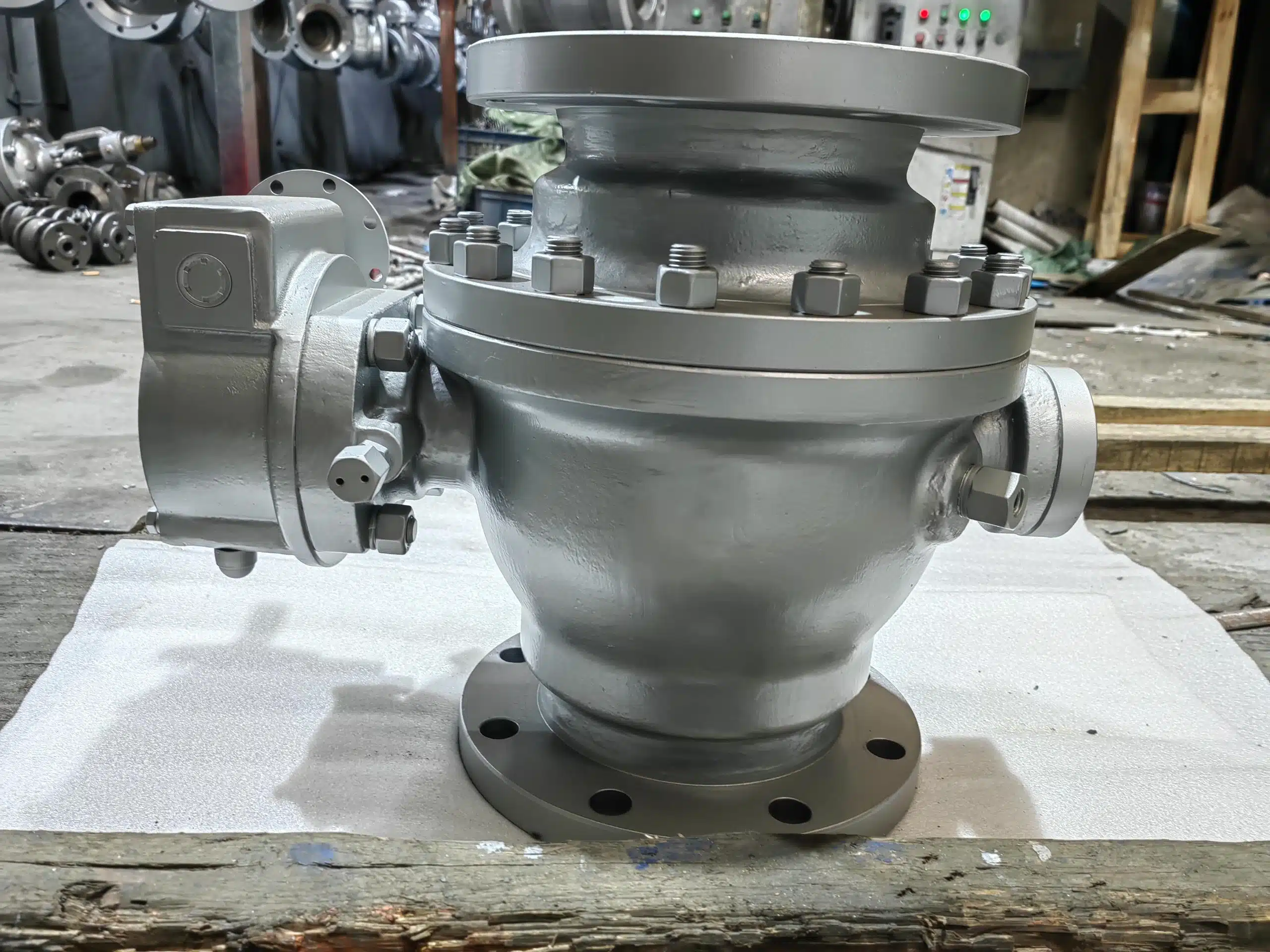
A butterfly valve is a small, lightweight tool. It helps control or stop flow in pipes. It has a disc on a turning shaft. The disc moves to let liquids or gases pass. When the disc is flat with the flow, the valve is open. If the disc is turned across the flow, the valve shuts.
These valves work well for big pipes, up to DN 700. They take up little room because they are slim. You can find them in water plants, HVAC systems, and chemical factories. They are cheaper for big pipes, so they save money. But the disc inside can slow the flow a bit, causing a small pressure drop.
Overview of Ball Valves
A ball valve has a round ball with a hole in it. The ball turns to line up the hole with the pipe to open. Turning it 90 degrees closes the valve tightly. This design works well even in high-pressure systems.
Ball valves are best for smaller pipes, up to DN 100. They need more room to fit because they are bigger. These valves are great for tight seals, like in oil pipelines, factories, and home plumbing. Full-port ball valves let flow pass freely, with no pressure drop. They cost more for big pipes but last long and work in many systems.
| Characteristic | Butterfly Valve | Ball Valve |
|---|---|---|
| Weight | Lighter, good for big pipes | Heavier, needs support for big pipes |
| Installation space | Takes up less room | Needs more room |
| Flow restriction | Disc slows flow, small pressure drop | Full-port, no pressure drop |
| Cost | Cheaper for big pipes | Cheaper for small pipes |
Similarities Between Butterfly Valves and Ball Valves
Common Features
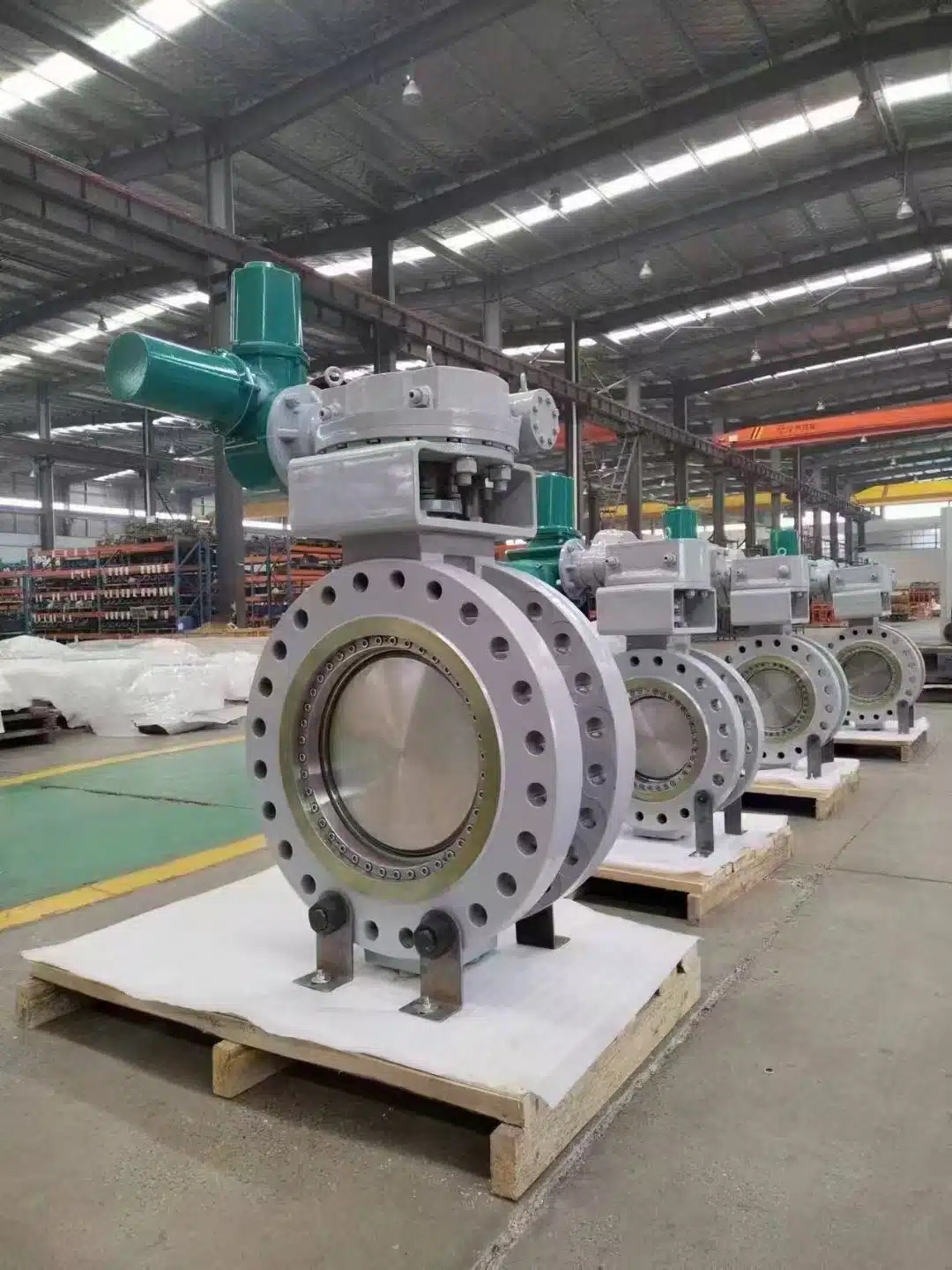
Both butterfly valves and ball valves share important traits. They are reliable for controlling flow in many systems. These valves let you manage liquids or gases easily and precisely. Their simple designs make fixing problems quick and hassle-free.
Another shared feature is their strength in tough conditions. They work well in high heat or corrosive environments. This makes them great for heavy-duty industrial tasks. Here’s a table to show their common features:
| Feature | Butterfly Valve | Ball Valve |
|---|---|---|
| Flow Control | Controls flow effectively | Controls flow effectively |
| Maintenance | Simple to maintain | Simple to maintain |
| Applications | Used in many industries | Used in many industries |
| Temperature Resistance | Handles high temperatures | Handles high temperatures |
| Corrosion Resistance | Resists corrosion well | Resists corrosion well |
These similarities explain why both valves are trusted for durability and efficiency.
Shared Applications
You can find both valves used in similar places. They are common in water treatment, chemical plants, and HVAC systems. They handle different fluids like water, oil, and gas, making them versatile.
In big systems like city water pipes or industrial setups, they control flow well. They also work in smaller setups like home plumbing or factory machines. Their flexibility makes them useful for high-pressure or low-flow needs.
Knowing these similarities shows how both valves are dependable for many uses.
Key Differences Between Butterfly Valves and Ball Valves
Design and Structure
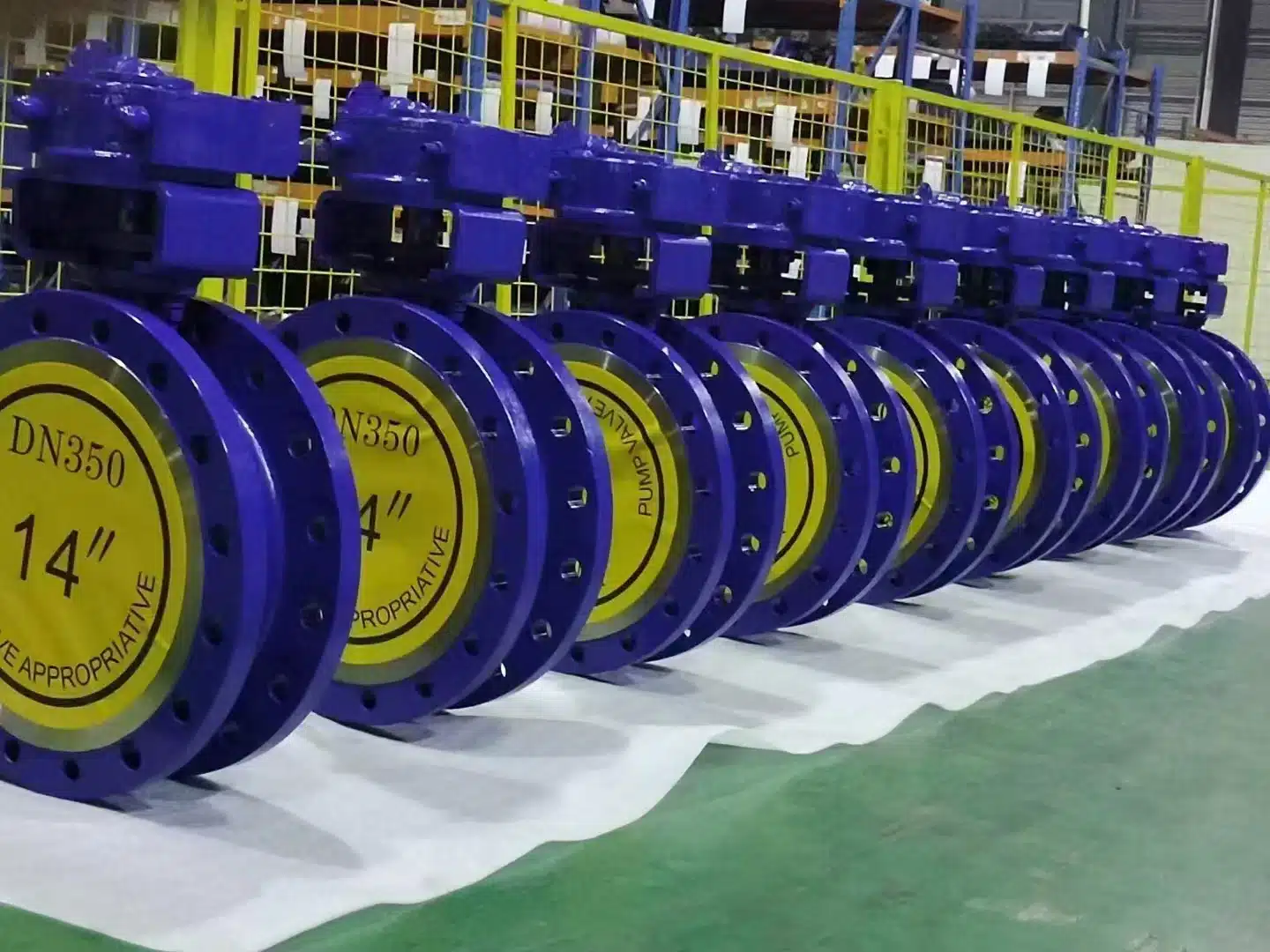
Butterfly valves and ball valves look and work differently. A butterfly valve has a disc on a turning shaft. The disc moves to control liquid or gas flow. Its small and light design fits tight spaces. These valves are common in big water systems or sewer lines. They are cheaper for large projects.
A ball valve has a round ball with a hole in it. When the hole lines up with the pipe, flow happens. This design seals tightly, making it great for gas pipelines. But ball valves are bigger and need more space to install.
| Feature | Butterfly Valve | Ball Valve |
|---|---|---|
| Structure | Disc on a turning shaft | Ball with a hole |
| Pressure Drop | Causes some pressure drop | Very little pressure drop |
| Sealing Effectiveness | Not as good at sealing | Excellent sealing |
| Space Requirement | Needs less space | Needs more space |
| Cost | Lower cost | Higher cost |
| Applications | Big water systems, sewer lines | Gas pipelines, sensitive uses |
Tip: For large water projects, butterfly valves save money and space.
Functionality and Operation
How these valves work is also different. A butterfly valve opens or closes with a quarter-turn. The disc stays in the flow path, which slows flow a bit. But it needs less force to operate, even in big sizes.
A ball valve also uses a quarter-turn to work. When open, it allows full flow with no blockages. It seals better, so there’s no leakage, even under high pressure. However, it needs more force to turn, especially in larger sizes.
| Feature | Ball Valves | Butterfly Valves |
|---|---|---|
| Sealing Performance | Better sealing | Meets standards, no visible leaks |
| Flow Capacity | Full flow, no blockages | Slows flow due to disc |
| Valve Operating Torque | Needs more force for big sizes | Needs less force |
| Applicable Temperature Range | Limited for very high heat | Handles higher temperatures |
If you need better sealing and flow, pick a ball valve. If easy use and low force matter, choose a butterfly valve.
Cost and Maintenance
Cost and upkeep are important when picking a valve. Butterfly valves are cheaper, especially for big sizes. Their simple design makes them affordable for large projects like water plants.
Ball valves cost more upfront but last longer. They seal better and are worth it for smaller pipes (DN300 or less). But fixing them can cost more, especially if parts wear out.
| Aspect | Butterfly Valve | Ball Valve |
|---|---|---|
| Initial Cost | Cheaper for big sizes | Costs more, especially for big sizes |
| Maintenance Complexity | Easy and cheap to maintain | Harder and more expensive to maintain |
| Long-Term Value | Good for saving money | Best for long-lasting use |
Think about your budget and how long you need the valve to last. For saving money, butterfly valves are better. For durability, ball valves are worth the extra cost.
Space and Installation Requirements
When picking between a butterfly valve and a ball valve, think about space. Butterfly valves are small and light. Their thin shape fits tight spots easily. They work well in big pipelines without adding much weight. You won’t need extra support to install them.
Ball valves are bigger and heavier. They have a solid ball inside, which makes them larger. This means they need more room to fit. For small pipelines, this isn’t a problem. But for bigger systems, you’ll need enough space for the valve and its movement.
Installing these valves is also different. Butterfly valves are simple to set up because they’re light. You can handle them easily, even in large sizes. Ball valves, being heavier, may need extra tools or help to install. This can take more time and cost more money.
Tip: If space is tight or you need a valve for a big pipeline, choose a butterfly valve.
Durability and Longevity
How long a valve lasts is important too. Butterfly valves are made for long use in many systems. They work well with medium pressure and temperature. But their disc stays in the flow path, which can wear out over time. This happens faster if the system has rough or harmful fluids.
Ball valves are very strong and last a long time. Their solid ball design seals tightly, stopping leaks. They’re great for high-pressure and hot systems. Their design also reduces wear, even in tough conditions. If you need a valve that handles harsh environments and lasts years, pick a ball valve.
Maintenance affects how long valves last. Butterfly valves are easier to fix because of their simple design. Parts can be replaced quickly and cheaply. Ball valves, while sturdy, may cost more to repair if they break. But they don’t need fixing often because they’re built to last.
Note: For systems needing strong durability and less upkeep, ball valves are the best choice.
Pros and Cons of Butterfly Valves
Advantages of Butterfly Valves
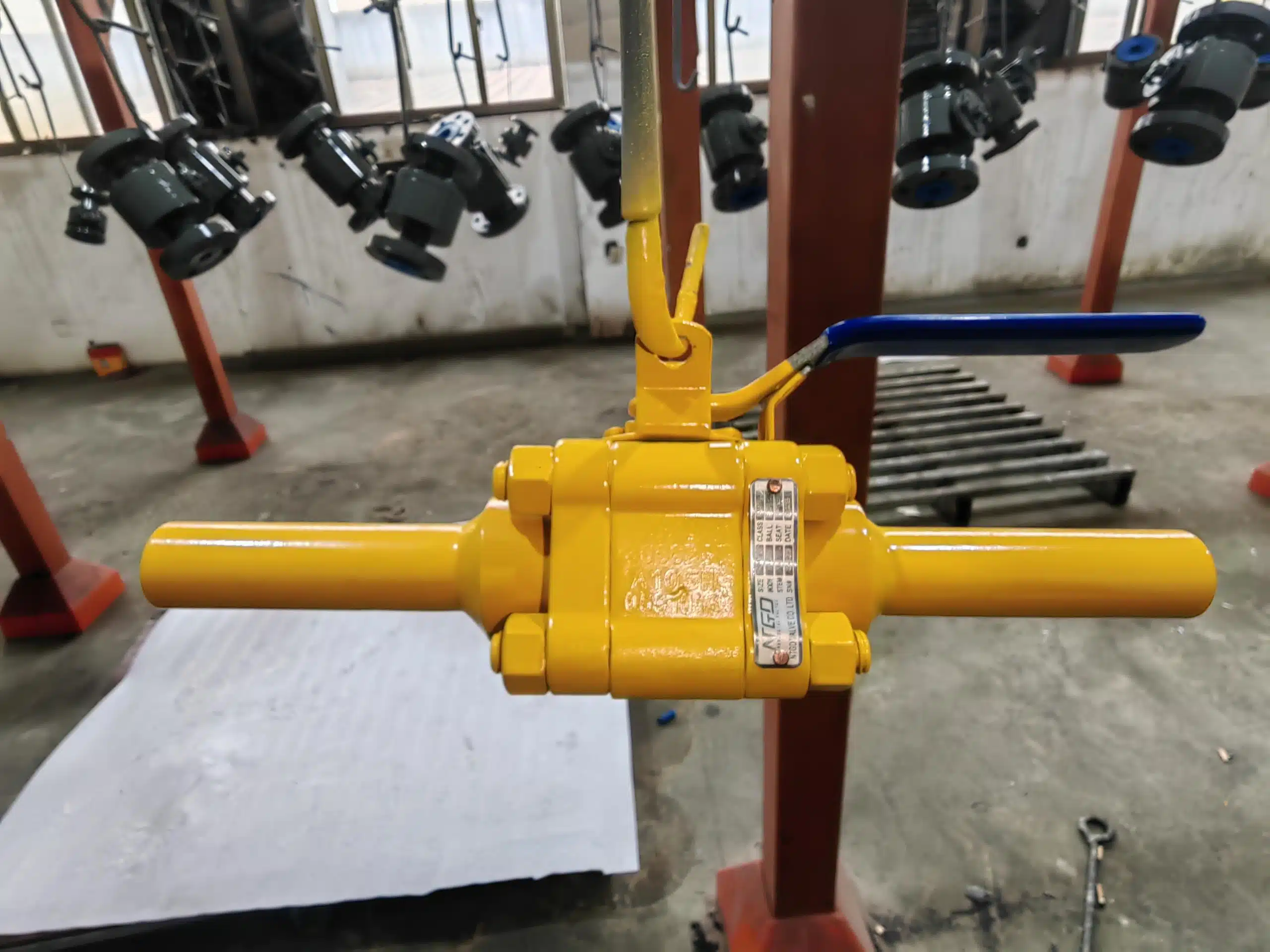
Butterfly valves have many benefits, making them widely used. They are light and small, so they fit in tight spaces easily. These valves are also affordable, especially for large pipes, which helps save money on big projects.
Different butterfly valve types offer special benefits for various uses. The table below shows their advantages:
| Type of Butterfly Valve | Advantages | Applications |
|---|---|---|
| Zero Offset Butterfly Valve | Simple design, works in low-pressure systems | Low-pressure systems |
| High Performance Double Offset | Less friction, lasts longer | Medium-pressure systems |
| Triple Offset Butterfly Valve | Tight shut-off, no sliding contact | High-pressure systems |
Butterfly valves are versatile and reduce pressure drop and torque. They work well in water plants, HVAC systems, and chemical factories. Their efficiency makes them great for controlling flow in many industries.
Tip: If you want a valve that is affordable, efficient, and easy to install, choose a butterfly valve.
Disadvantages of Butterfly Valves
Butterfly valves also have some downsides. The disc inside stays in the flow path, which can slow the flow slightly. This might not work well for systems needing full, unrestricted flow.
Another issue is sealing. Butterfly valves don’t seal as tightly as ball valves. This makes them less ideal for systems needing zero leaks, like high-pressure gas pipelines.
Durability can be a problem in tough conditions. The disc and parts may wear out faster with rough or harmful fluids. Regular maintenance is needed to keep them working well and lasting longer.
Note: Think about your system’s needs before picking a butterfly valve. For perfect sealing or handling harsh fluids, other valves might be better.
Pros and Cons of Ball Valves
Advantages of Ball Valves
Ball valves have many benefits, making them popular in industries. Their design creates a tight seal, stopping leaks even under high pressure. This makes them great for places like oil pipelines or chemical plants where reliability matters.
Ball valves are also very flexible. Different types fit specific needs:
- Floating ball valves work well in systems with low to medium pressure, like water treatment plants.
- Trunnion-mounted ball valves handle high pressure and large pipes, perfect for oil and gas setups.
- Rising stem ball valves give precise control and tight sealing, ideal for power plants and chemical factories.
Energy-saving features make ball valves even better. Special coatings and improved seals lower energy use. These upgrades help systems run smoothly and protect the environment. For example, in renewable energy setups, ball valves manage fluids well and work reliably in tough conditions.
Did you know? Ball valves are often used in renewable energy systems because they handle extreme conditions and keep flow steady.
Disadvantages of Ball Valves
Ball valves have some downsides too. They don’t work well for constant throttling. Using them this way can damage the valve and lower its performance. Also, ball valves struggle with slurry systems. Particles in slurries can build up inside, causing wear, leaks, or even failure.
| Disadvantage | Description |
|---|---|
| Not good for constant throttling | Continuous throttling can harm the valve and reduce its lifespan. |
| Problems with slurry systems | Slurry particles can cause wear, leaks, or valve failure. |
Fixing ball valves can be harder than other types. Repairs may need special tools or experts, which can take time and cost more. If your system uses abrasive fluids or slurries, you might need a different valve type.
Tip: For systems needing constant throttling or handling rough fluids, check if a ball valve is the best option.
When to Pick a Butterfly Valve or a Ball Valve
When to Use a Butterfly Valve
Pick a butterfly valve if space is tight. Its small size fits easily in narrow spots. This makes it great for water plants, HVAC systems, and factories. It’s light, so no extra support is needed during setup.
Butterfly valves are also budget-friendly for big projects. They cost less for large pipes compared to other valves. Their simple design keeps prices low, and fixing them is easy. This makes them a smart choice for saving money without losing quality.
Use butterfly valves if a perfect seal isn’t needed. They work well even with small leaks or pressure drops. For example, they’re used in city water systems and irrigation setups. They handle medium pressure and temperature, making them very useful.
Tip: Choose a butterfly valve if you need something affordable, compact, and easy to install.
When to Use a Ball Valve
Go for a ball valve if you need a tight seal with no leaks. These valves work well under high pressure. They’re perfect for oil pipelines, chemical plants, and gas systems. If your system handles sensitive fluids, ball valves are a safe pick.
Ball valves are also best for full, smooth flow. Unlike butterfly valves, they don’t block the flow path. This makes them ideal for power plants or food factories where flow must stay steady.
Durability is another reason to choose ball valves. They handle tough conditions like high heat and rough fluids. Their strong build lasts long and needs fewer repairs. If your system faces extreme conditions, ball valves are reliable.
Note: Pick a ball valve for precision, strength, and leak-proof performance.
Butterfly valves and ball valves are alike in some ways. Both can control flow and are used in many industries. But they are different in how they are built, their price, and how they work. Butterfly valves are small, light, and cheaper for big systems. Ball valves seal better and last longer, making them great for high-pressure or delicate tasks.
Tip: Think about your system’s needs, like space, cost, and how it will be used.
Pick a butterfly valve if you want to save money and space. Choose a ball valve if you need strong sealing, long life, and no leaks.
