
Comparing Speed and Efficiency
Explore the differences between electric and pneumatic ball valves.
| Features | Electric Ball Valve | Pneumatic Ball Valve |
|---|---|---|
| Response Speed | Slower (15-20 seconds) | Faster (6 seconds or less) |
| Cost | Higher starting price; saves energy later | Lower starting price; costs more to set up |
| Maintenance | Needs less fixing; regular checks help | May need fixing more often |
| Durability | Actuators last longer than ball valves | Regular care is important for longevity |
| Noise | Very quiet; suitable for noise-sensitive areas | Can be loud; not ideal for quiet places |
| Control Precision | Exact digital settings; easy to adjust | Very exact with air pressure control |
Pneumatic ball valves work faster than electric ball valves in machines. Fast response times help keep your process safe and running well. You get quicker fixes when things go wrong. Emergency shutdowns happen faster. This means fewer people get hurt at work. The table below shows how fast response helps with safety and performance:
| Aspect | Impact |
|---|---|
| Safety Protocols | Faster finding and fixing problems |
| Emergency Response | Quicker moves in important moments |
| Workplace Injuries | Fewer people hurt because of fast alerts and shutdowns |
| Operational Efficiency | Better watching and checking data |
Key Takeaways
- Pneumatic ball valves work very fast. They usually open or close in 6 seconds or less. This makes them good for emergencies.
- Electric ball valves give more exact control. They do not need much fixing. But they are slower. They take about 15 to 20 seconds to work.
- Think about where you will use the valve. Electric valves are quiet. They are good for offices. Pneumatic valves are better for loud and high-pressure places.
- Pick pneumatic actuators if you need fast action. They are also safer in dangerous areas. Pick electric actuators if you want steady control. They also break less often.
- Always look at what you need. Think about speed, control, and safety. This helps you pick the best valve for your system.
Quick Comparison
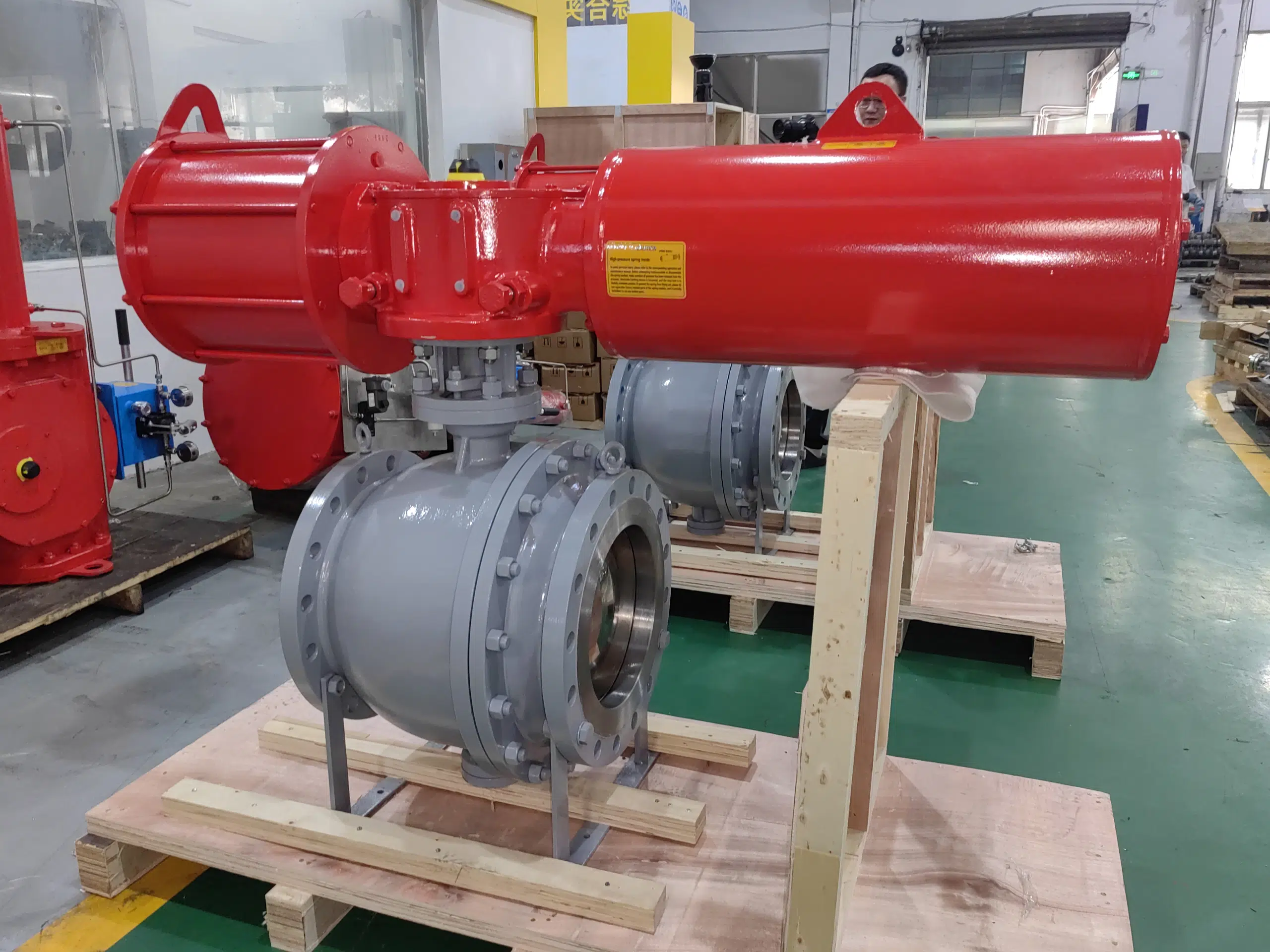
Response Speed
You want your system to act fast. Electric and pneumatic valve actuators are different in speed. Pneumatic actuated ball valves open and close very quickly. Electric ball valves take more time to move. Look at the table below to see the difference:
| Valve Type | Typical Response Time |
|---|---|
| Pneumatic Ball Valve | 6 seconds or less |
| Electric Ball Valve | 15-20 seconds |
Pneumatic actuated ball valves change flow fast. They help with quick shutdowns and fast changes. Electric ball valves are slower, but they still work well. You can use them when speed is not the most important thing.
Key Features
There are other things to think about besides speed. You should look at cost, how often you need to fix them, how long they last, noise, and how well you can control them. The table below shows these features side by side:
| Feature | Electric Ball Valve | Pneumatic Actuator Ball Valve |
|---|---|---|
| Response Speed | Slower (15-20 seconds) | Faster (6 seconds or less) |
| Cost | Higher starting price; saves energy later; easy to set up | Lower starting price; costs more to set up; uses more energy |
| Maintenance | Needs less fixing; regular checks help it last longer | Strong actuators; ball valves may need fixing more often |
| Durability | Actuators last longer than ball valves | Actuators last longer; regular care is important |
| Noise | Very quiet; good for places where noise matters | Can be loud and shake; not good for quiet places |
| Control Precision | Exact digital settings; easy to adjust | Very exact with air pressure; good for careful control |
- Electric actuators are quiet. You can use them in labs or offices.
- Pneumatic actuated ball valves can be noisy and shake. They are not good for quiet places.
- Both types let you control them well. Electric actuators use digital controls for exact moves. Pneumatic actuated ball valves use air pressure for small changes.
Tip: Pick the valve that fits your needs. Fast response is good for emergencies. Quiet is better for offices. Saving energy helps over time.
You can see how electric and pneumatic valve actuators fit your system. Electric ball valves save energy and need less fixing. Pneumatic actuated ball valves are best when you need speed and careful control.
How Speed Works
Electric Ball Valve Mechanism
You use an electric actuator to control the electric ball valve. When you send a signal, the actuator’s motor turns the valve. This motor action makes the valve move in a steady way. Electric actuators use digital controls for quick and accurate moves. Some advanced electric actuators can move the valve in 0.1 to 5 seconds. The actuator changes electric current into pulses to set the valve’s spot. Pulse width modulation (PWM) helps the actuator use power well and stay cool. This makes the valve move faster. You can trust electric actuators to work the same way every time.
| Component | Influence on Response Time |
|---|---|
| Actuator | The kind and quality of actuator affect how fast the valve moves. |
| Fluid Characteristics | Thick or sticky fluids make the valve move slower. |
| Mechanical Factors | Old parts or not enough oil slow the valve down. |
Pneumatic Actuator Ball Valve Mechanism
A pneumatic actuator ball valve uses air to move the valve. When you send a signal, the actuator fills with air and pushes the valve. Pneumatic actuators move fast because air moves quickly and is strong. Positioners help the actuator match the signal for the right movement. Proportional valves let you change the speed by changing the air flow. If you raise the air pressure, the actuator moves faster. Good exhaust flow helps the actuator work at its best speed.
| Factor | Description |
|---|---|
| Positioners | Make sure the actuator’s spot matches your signal. |
| Proportional valves | Change the speed by controlling air flow. |
| Air supply pressure | More pressure makes the actuator move faster. |
| Exhaust flow management | Lets the actuator release air fast for better speed. |
Speed Factors
You want to know what makes one valve faster than another. Many steps affect how fast a valve moves:
- Signal processing time: How fast the system reads your command.
- Actuator initiation delay: How long it takes for the actuator to start.
- Mechanical movement duration: How long the valve takes to turn.
- Position stabilization: The time for the valve to settle in place.
Electric actuators give steady and predictable speed because of digital controls. Pneumatic actuators move faster because air pressure works quickly. You should look at these things when you pick between an electric ball valve and a pneumatic actuator ball valve.
Real-World Impact
Process Control
You want your system to work well and not stop. The actuator’s speed is very important for control. Pneumatic actuated ball valves move fast and help you change flow quickly. This keeps the line running and stops long breaks. Electric actuators move slower but give steady and exact control. This is good when you need to keep things balanced.
For example, a factory in Asia used special actuators on their valves. These helped control the mix of natural gas and oxygen in a glass furnace. The right actuator made the fuel burn all the way. This saved energy and lowered costs.
You can see how electric and pneumatic valve actuators act differently. Pneumatic actuators react fast and help stop slowdowns. Electric actuators give very exact control. This is important for jobs that need small changes.
- Position control with a 4 to 20 mA signal can be very accurate, up to 0.1%.
- Burning all the fuel in furnaces means less waste and cleaner air.
Pros & Cons: Electric Ball Valve
You should think about the good and bad sides before picking an electric ball valve. The table below shows the main points:
| Advantages | Disadvantages |
|---|---|
| High stability and constant thrust | More complex structure, prone to failure |
| Can achieve high thrust (up to 225000kgf) | Higher technical requirements for maintenance |
| Good anti-deviation ability and accurate control | Motor overheating with frequent adjustments |
| Easier to set valve position states | Slower response time than pneumatic actuators |
| Maintains position during faults |
Electric actuators are good when you want steady control and less fixing. They can hold their spot if something goes wrong.
Pros & Cons: Pneumatic Actuator Ball Valve
Pneumatic actuated ball valves have different good and bad points. Here is a quick look:
| Advantages | Disadvantages |
|---|---|
| High force and speed | Limited precision and control |
| Simple and compact design | Compressed air requirements |
| Cost-effective solution | Noise and vibrations |
| Wide range of applications | Limited energy efficiency |
| Enhanced safety features | Maintenance and leakage issues |
You get fast moves and strong force with a pneumatic actuator ball valve. Pneumatic actuated ball valves are best where speed and safety are most important. You may need to check for leaks and handle noise, but you get quick action.
Actuated Ball Valves: Selection Guide
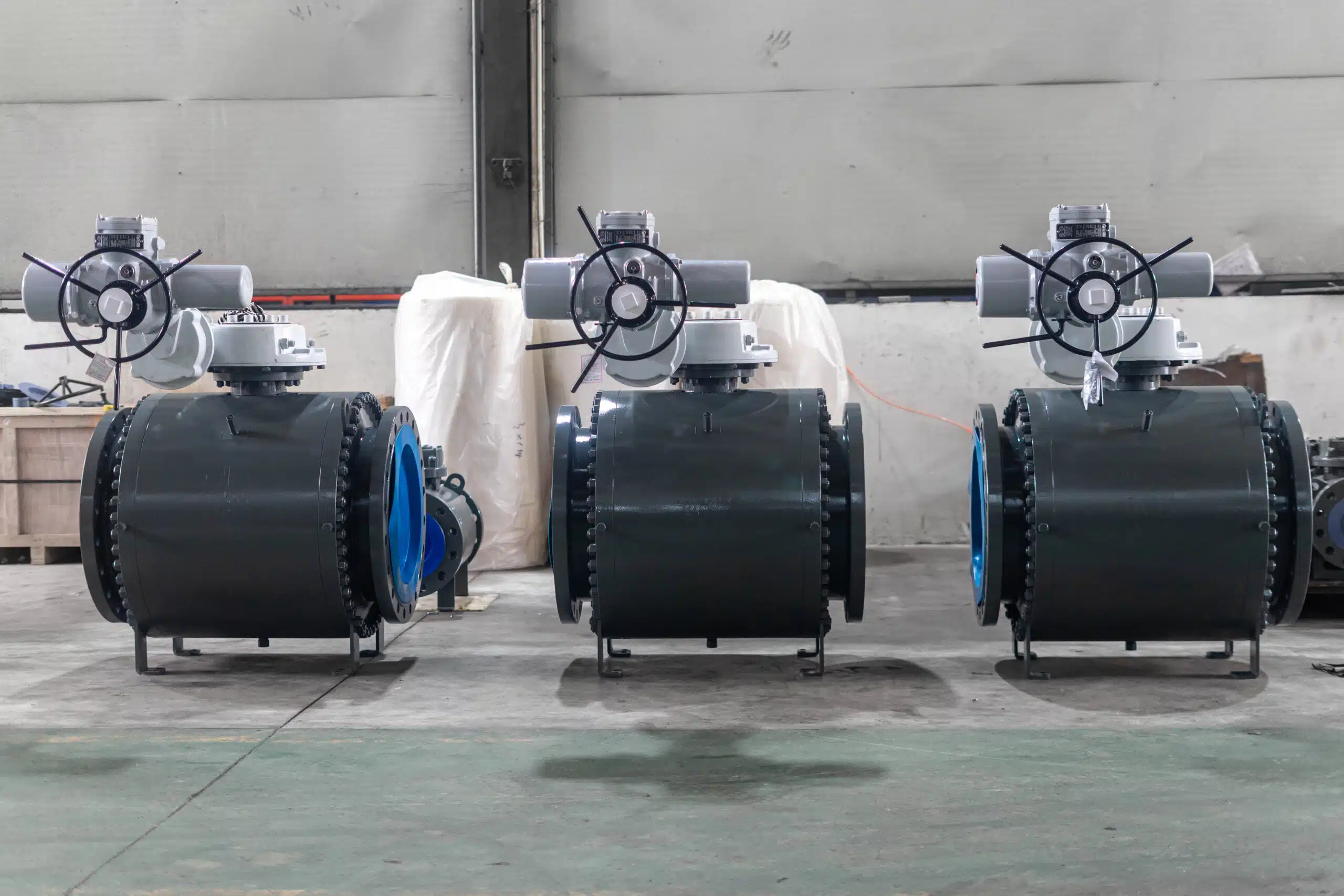
Picking the right actuated ball valve is important. You need to think about speed, control, safety, and where you will use it. The table below shows what to look at when you compare electric actuators and pneumatic actuators:
| Criteria | Electric Actuators | Pneumatic Actuators |
|---|---|---|
| Compatibility | Needs electricity (DC/AC options) | Needs air supply (40-120 psi) |
| Temperature Range | -40 to 150°F (-40 to 65°C) | -4 to 150°F (-20 to 70°C), up to 250°F with special parts |
| Hazardous Areas | Needs special enclosure for safety | Good for hazardous areas, explosion-proof |
| Sizing and Force | Torque changes by design | Torque changes by design |
| Safety | Must follow safety rules in risky places | Safer in hazardous environments |
| Cost | Higher torque means higher cost | Higher torque means higher cost |
When to Choose Electric
Pick electric actuators if you want steady and exact control. These valves are good if you need to set the valve in a certain spot or watch it from far away. They are also great if you want to fix them less often. Electric actuators use smart controls, so they work the same even if things change. If your job needs slow and careful moves, electric actuators are the best choice.
- Use electric actuators for:
- Exact positioning
- Steady control
- Watching from far away
- Needing less fixing
When to Choose Pneumatic
Pneumatic actuators are best when you need fast moves and strong force. These valves work well in places with high pressure or when you need the valve to open and close quickly. Pneumatic actuators are safer in dangerous places and can handle tough jobs. They last longer because they have fewer parts. If you need the valve to close by itself in an emergency, pneumatic actuators can do that with spring return.
- Use pneumatic actuators for:
- Fast moves
- Strong force or torque
- Tough or dangerous places
- Easy fail-safe needs
Application Examples
Actuated ball valves are used in many jobs. Here are some examples:
- Chemical plants use actuated ball valves to control dangerous fluids safely and quickly.
- Water treatment plants use them to control water flow from far away and keep water clean.
- Oil and gas companies use actuated ball valves to handle high pressure and for quick shutoff in emergencies.
- Food and drink factories use actuated ball valves to control liquids and gases and keep things clean.
- In chemical jobs, pneumatic actuated ball valves help with safe automation and exact fluid control.
- For moving hydrochloric acid, actuated ball valves stop leaks and keep pH levels right.
Tip: Always check how electric and pneumatic valve actuators are different before you pick one. Think about what your job needs, how safe it must be, and how fast you need the valve to move.
Pneumatic ball valves move fast. They open or close in about 6 seconds. Electric ball valves are slower. They take 15 to 20 seconds. Electric ball valves give you more control. You should pick the right speed for your job. Fast valves are best for safety systems. Slow but exact valves are good for mixing or blending. When picking a valve, look at torque, speed, power, and where you use it. Both types help you control how things flow in your system.
| Actuator Type | Speed (Open/Close Time) | Reliability Factors |
|---|---|---|
| Pneumatic | ~6 seconds | Needs clean air, regular checks |
| Electric | 15-20 seconds | Needs power, offers better diagnostics |
- Always choose a valve that matches your system and keeps it safe.
