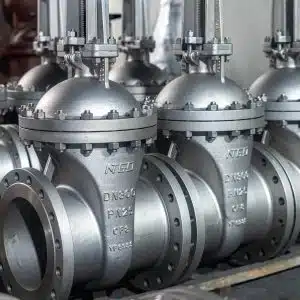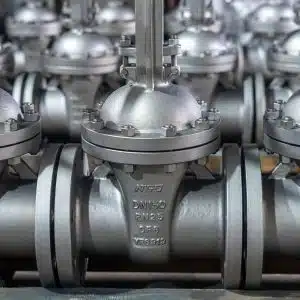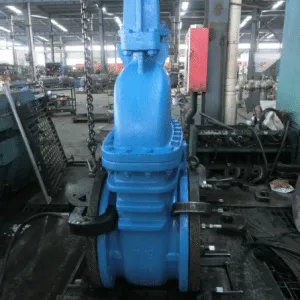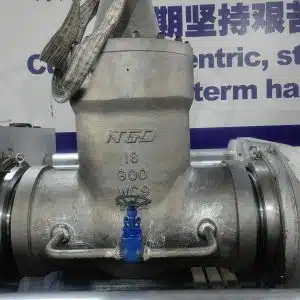
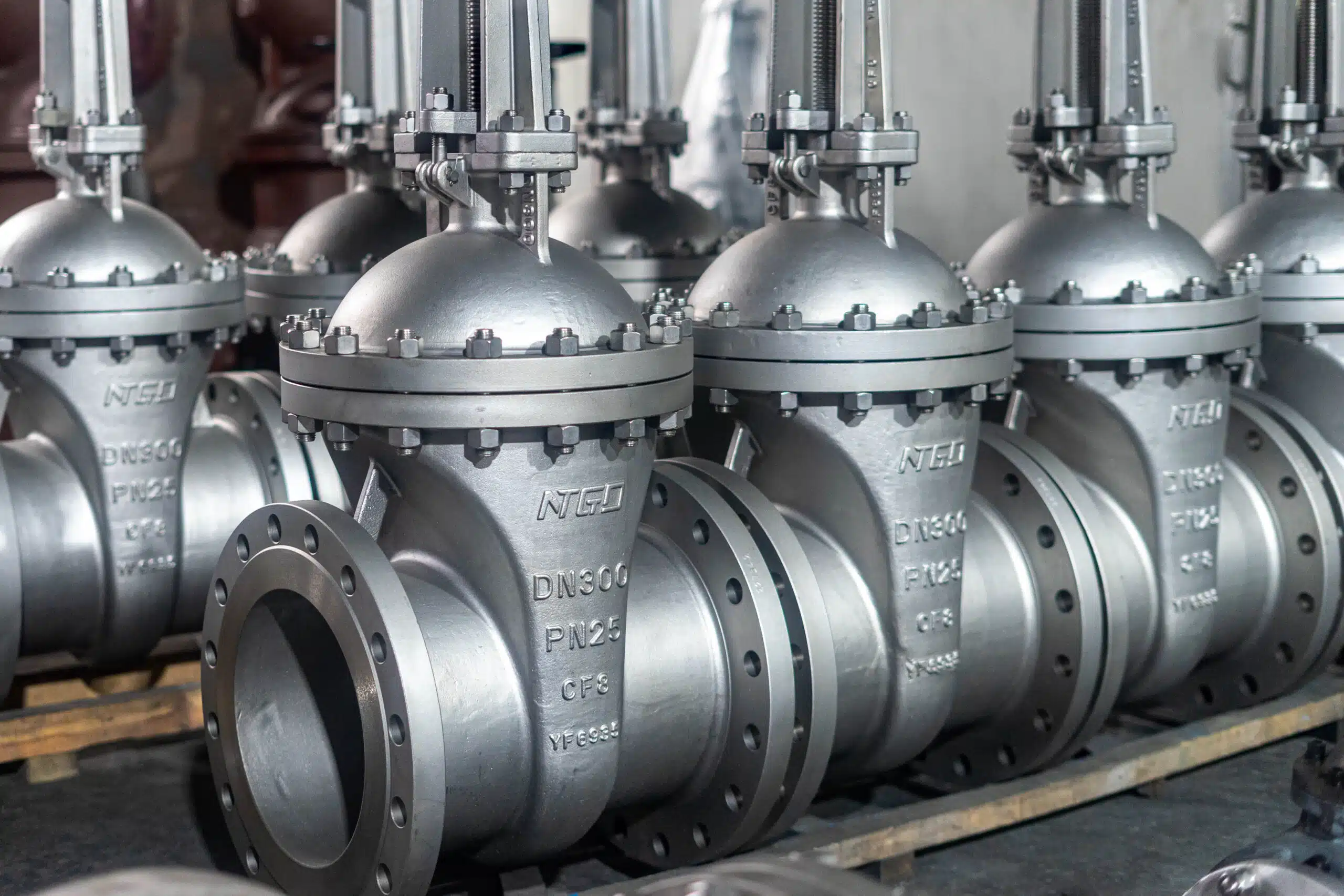
Imagine you need a valve that closes well, even if pipes move or get hot or cold. A Flexible Wedge Gate Valve controls how liquids or gases move by raising or lowering a flexible wedge inside the valve. You often find these valves where good performance is very important, like:
- Oil and gas work, cleaning, and moving
- Water plants that need strong seals
- Chemical factories that need tough parts
Engineers, workers, and buyers like this valve because it works well and seals tight in hard places. This guide will help you use, pick, and take care of it with confidence.
Key Takeaways
- Flexible Wedge Gate Valves work well with temperature changes. They keep tight seals even if pipes move or get bigger.
- Doing regular maintenance is important. Lubricate the stem and check for leaks often. This helps the valve last longer and work better.
- Pick the right size and material for your valve. This stops leaks and helps your system work well.
- When you install the valve, line it up carefully and clean it. This helps stop problems like leaks or the valve getting stuck.
- These valves are great for energy and chemical industries. They are needed where good flow control is very important.
Flexible Wedge Gate Valve Basics
Definition and Function
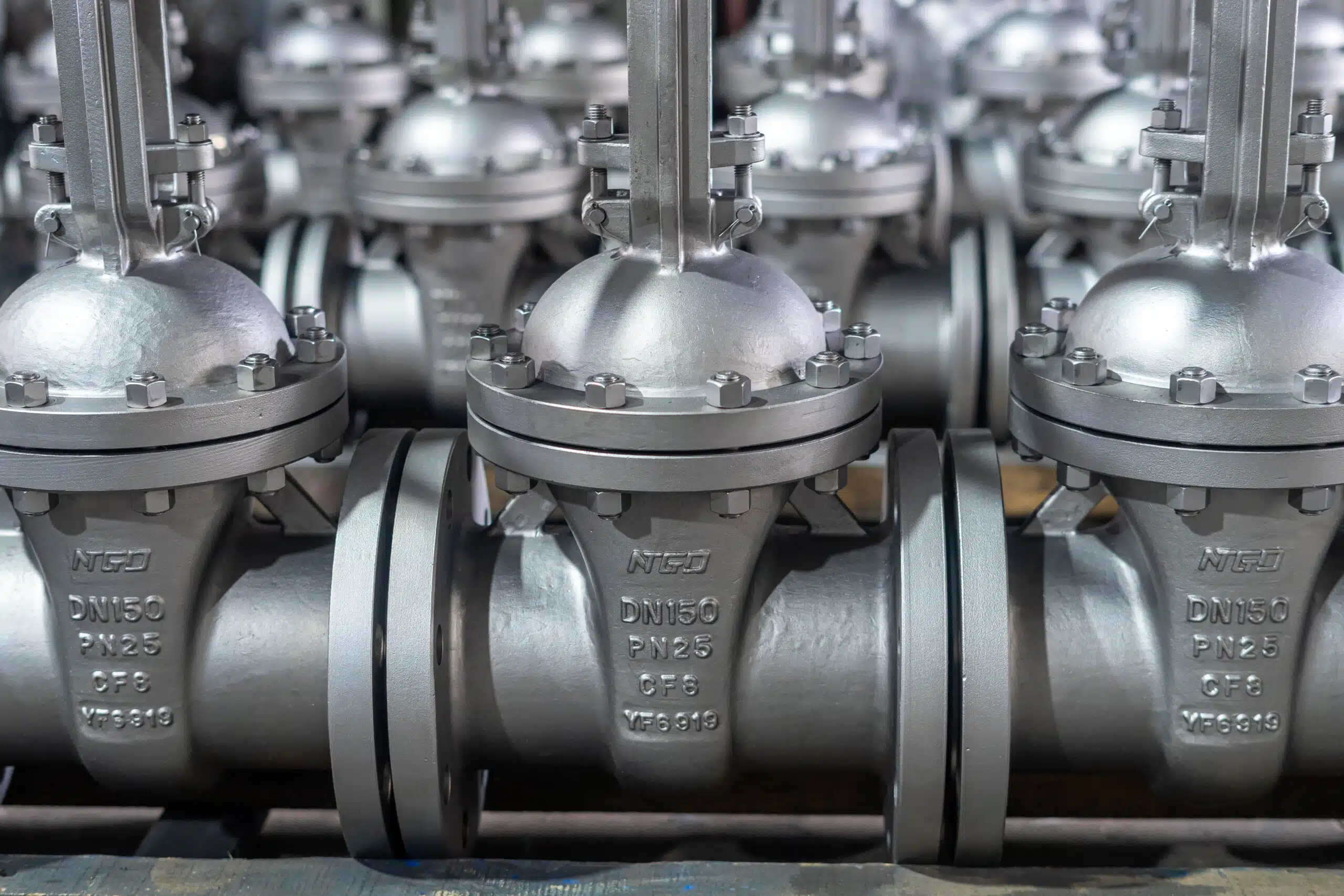
A flexible wedge gate valve is good for pipes that get hot or cold. It has a special wedge inside that can bend a little. This wedge helps the valve close tightly, even if pipes move or change temperature.
The flexible wedge gate valve has a disk with a cut around its edge. This cut helps the disk bend and fit better between the seats. The force that closes the valve spreads out evenly. This design stops the valve from getting stuck when closed. It is helpful in steam systems where heat can change the shape of the valve.
You will see these valves in places with hot or cold systems, like steam or hot water pipes. The wedge can bend, so the valve keeps sealing well for a long time. This makes the valve last longer and stops leaks. NTGD is a brand that makes these valves for many jobs.
Flexible wedge gate valves have a wedge made of two pieces that can bend. This lets them seal tight, even if temperature or pressure changes. This is important for making the valve last longer and work well, especially in steam and hot water systems.
Key Features
When you pick a flexible wedge gate valve, you get some great features:
- The design lets the valve handle changes in how the seats line up.
- The valve works in many temperatures and pressures, so it is useful in many places.
- Solid wedge gate valves are best for steady conditions, but flexible wedge gate valves work better when things change.
You can get flexible wedge gate valves in different materials. The table below shows some common ones and why they are used:
| Material | Properties |
|---|---|
| Stainless Steel | Very good at stopping rust and lasts a long time. You can use it in many places. |
| Carbon Steel | Strong and tough, good for high pressure and heat. |
| Alloy Steel | Strong and resists rust, good for harsh chemicals and high heat. |
- Use these valves where temperature or pressure changes a lot.
- They are good for places where things get bigger when heated.
- Pick them if you worry about rust or damage.
A flexible gate valve like the NTGD model helps keep your system safe and stops leaks, even when things change.
How It Works
Main Components
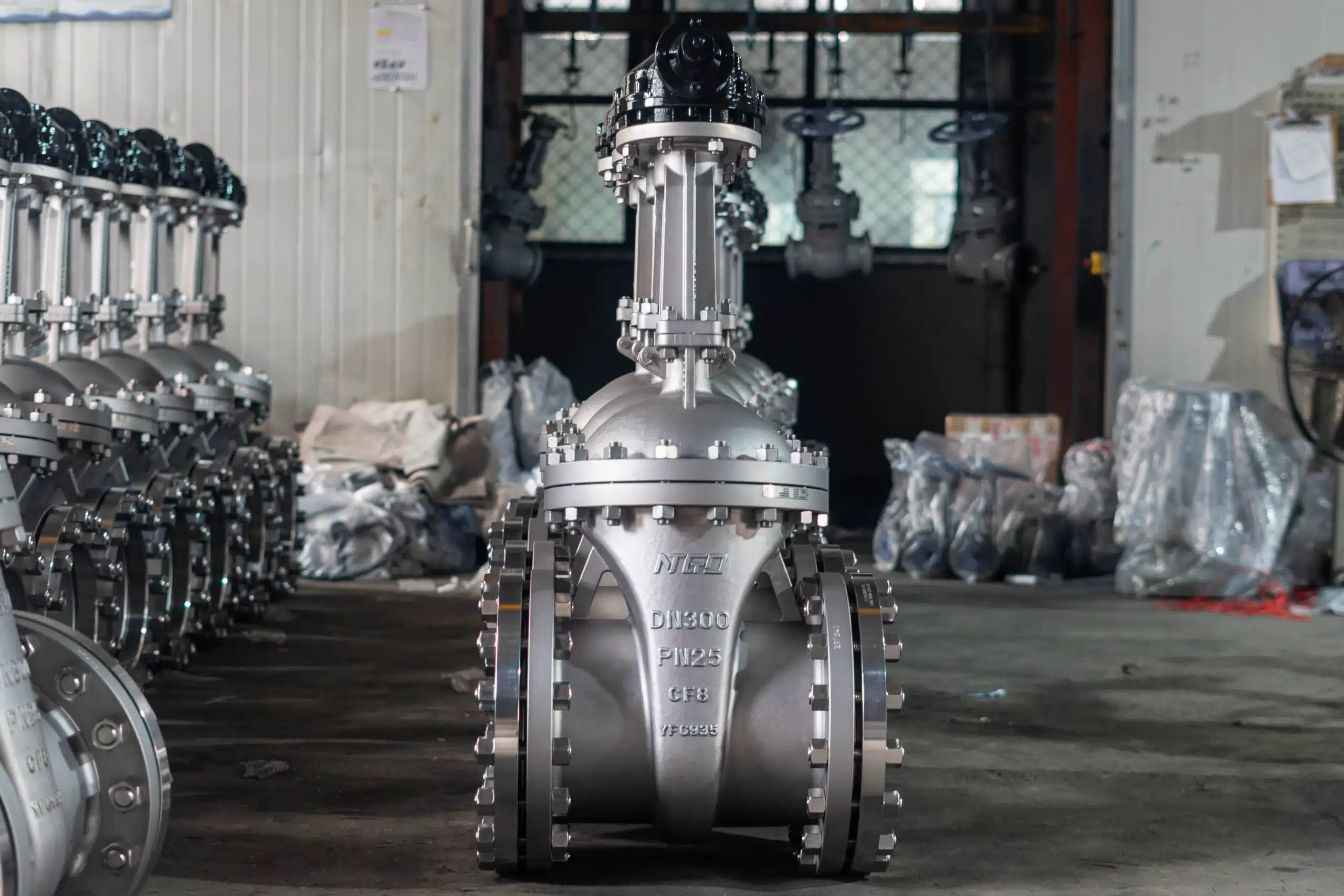
You need to know the main parts of a Flexible Wedge Gate Valve to understand how it works. Each part has a special job. The table below shows the main components and their functions:
| Component | Function |
|---|---|
| Valve Body | Holds all the inside parts and connects the valve to the pipe. |
| Bonnet | Seals the body and lets you reach the inside parts. |
| Wedge (Gate/Disc) | Makes a tight seal by pressing against the seats. |
| Stem | Moves the wedge up or down when you turn the handle or use an actuator. |
| Seat | Touches the wedge to stop flow in both directions. |
| Packing | Stops leaks where the stem goes through the bonnet. |
| Actuator | Moves the stem and wedge, either by hand or automatically. |
Tip: If you learn what each part does, you can spot problems faster and keep your valve working longer.
Operation Mechanism
When you use a Flexible Wedge Gate Valve, you turn the handle or use an actuator. The stem moves up or down. This action lifts or lowers the wedge inside the valve. The wedge has a groove or cut in the middle. This design lets the wedge bend a little. The wedge fits tightly against the seats, even if the seats are not lined up perfectly. You get a strong seal and less chance of the valve sticking. Solid wedge valves do not bend, so they may get stuck if the seats move or change shape.
Flexible Wedge vs. Solid Wedge
You might wonder how a flexible wedge compares to a solid wedge. The table below shows the main differences:
| Feature | Flexible Wedge | Solid Wedge |
|---|---|---|
| Sealing Performance | Seals well even if seats are not lined up | Seals well only if seats stay perfect |
| Resistance to Thermal Expansion | Handles heat and cold without damage | Can get stuck or damaged from heat |
| Ease of Installation | Needs careful setup; can be taken apart for repair | Simple to install; one solid piece |
| Maintenance | Easy to fix; you can replace just the wedge | Hard to fix; may need to replace the whole valve |
| Applications | Works in places with changing temperatures or vibration | Best for steady pressure and temperature |
Note: Choose a Flexible Wedge Gate Valve if you expect temperature changes or movement in your system. You get better sealing and easier repairs.
Advantages
Performance and Adaptability
You want a valve that works well, even if things change. The Flexible Wedge Gate Valve does a good job in many situations. The wedge has cuts around the edge. These cuts help it bend and fit tightly. It still seals well, even if the seats do not match up. This design lets the valve handle changes in heat or movement without leaking.
Tip: If your pipes get hot or shake, this valve keeps the seal tight.
The table below shows how this valve works compared to a regular valve:
| Metric | Modified Valve Performance | Conventional Valve Performance |
|---|---|---|
| Maximum Discharge Variation | 2% | 12% |
| Consistency in Discharge | Improved | Fluctuating |
| Flow Separation | Reduced | Present |
You can see the Flexible Wedge Gate Valve keeps the flow steady. It also helps stop problems from happening. The flexible wedge design lowers the chance of thermal binding. You do not have to worry about the valve sticking when it gets hot or cold.
| Feature | Function |
|---|---|
| Perimeter cuts | Make the wedge bend and fit better. |
| Flexible wedge design | Stops the valve from sticking when temperatures change. |
Durability and Reliability
You need a valve that lasts a long time and works in hard places. The strong build of the Flexible Wedge Gate Valve means it can last for years. Some valves, like the BS5163 resilient seated gate valve, can last 10 to 30 years. If you take care of your valve, it might last even longer.
- A BS5163 resilient seated gate valve can last 10 to 30 years if used right.
- With good care, it may last more than 30 years.
The valve has a two-piece disc that bends to handle stress from heat or cold. This design helps stop leaks, even when the flow is strong or the pressure is high. You can use this valve where temperatures change a lot and the flow is powerful.
| Feature | Description |
|---|---|
| Design | Two-piece disc bends to handle changes from heat or cold. |
| Risk Minimization | This design helps stop leaks in high-pressure places. |
| Common Applications | Used in places where temperatures change a lot. |
Note: If you want a valve that stays strong and works well, pick this type for your system.
Disadvantages
Limitations
There are some things to think about before picking a flexible gate valve. These valves have good points, but they also have some downsides.
| Limitation | Description |
|---|---|
| Potential for Seating Issues | You must put the wedge in the right spot when you install it. If you do not, the valve might not close tight. |
| Accurate Actuation Force | You need to use more strength to move the valve. Turning it many times can make it hard to use often. |
| More Bulkier Style | Flexible gate valves are bigger than some other valves. This can make them hard to fit in small places. |
If you push too hard, the valve can bend. This can make leaks and shorten how long the valve works. Always follow the maker’s rules when you put in or use the valve.
Tip: Look at the space you have before you put in a flexible gate valve. Make sure you can get to it for repairs.
Common Issues
Flexible gate valves can have some problems when you use them. Watch for these problems to keep your system working well.
- The wedge might not fit right if you do not install it carefully.
- You may have to use more strength to open or close the valve, especially if you use it a lot.
- The valve is big, so it can be hard to put in small spots.
- If you use too much force, the wedge can bend and leak.
You can stop many of these problems by doing things the right way. Always check the valve after you put it in. Use the right tools and do not force the valve. Check the valve often to find problems early and stop leaks.
Note: Flexible gate valves work well in many places, but you need to be careful when you put them in and use them. This helps you get the best results and avoid problems.
Applications
Industry Uses
The Flexible Wedge Gate Valve is used in many big industries. These valves help control flow where it must work well. People in energy, chemical plants, and mining use them a lot. Construction workers and water managers also need these valves for safe work.
Here is a table that shows where these valves are used most:
| Industry |
|---|
| Energy |
| Chemical Processing |
| Mining |
| Construction |
| Water Management |
Tip: If you move water, chemicals, or steam at work, you may need this valve.
Suitable Conditions
It is important to know when to use a Flexible Wedge Gate Valve. These valves work best in some situations. Use them for pipes bigger than 2 inches. They work well with all pressure levels, especially in large pipes. If your system gets hot or has strong flow, this valve keeps the seal tight.
The table below shows the best times to use these valves:
| Condition | Description |
|---|---|
| Valve Size | Flexible wedges are used for valves over 2 inches. |
| Pressure Class | Flexible wedges work for any pressure in big valves. |
| Application Type | Solid wedges are used more in low-pressure jobs. |
| Fluid Type | You should think about what flows in your pipes. |
| Temperature | The heat in your system helps pick the right valve. |
Think about what moves through your pipes. If you have hot water, steam, or chemicals, this valve seals well. You get the best results when you pick the right valve for your system.
Note: Always check pipe size, pressure, and heat before you choose a valve. This helps stop leaks and keeps your system safe.
Selecting Flexible Wedge Gate Valve
Application Needs
When you choose a Flexible Wedge Gate Valve, you need to think about your system’s needs. Every application is different. You want a valve that matches your working conditions. Here are some things you should consider:
- Temperature in your operating environment
- Pressure levels in your system
- What kind of liquid or gas will flow through the valve
- How easy it is to maintain the valve
- How long you want the valve to last
Flexible wedges work best in small and medium-sized valves, especially where temperatures change often. If your system has a lot of solid particles, this valve may not be the best choice. Solids can clog the valve and cause problems.
Tip: Always check what flows through your pipes before you pick a valve.
Size and Material
Picking the right size and material helps your valve work better and last longer. If you match the valve size to your pipe, you avoid pressure drops and keep the flow steady. Using the right pressure rating stops leaks and failures.
- Choose a valve size that fits your pipe diameter.
- Make sure the valve can handle your system’s pressure.
- Pick corrosion-resistant materials like stainless steel or brass for long life.
- Use strong materials such as cast iron or ductile iron for tough jobs.
- Check that the material can handle your system’s temperature and pressure.
Proper sizing makes your system more efficient. Good materials protect your valve from rust and damage.
Standards
You want a valve that meets industry standards. Standards make sure your valve is safe and works well. Here are some important standards for Flexible Wedge Gate Valve selection:
| Standard | Description |
|---|---|
| API | Standards like API 600 and API 602 set rules for steel gate valves. They help make sure valves are safe and perform well. |
| ASTM | ASTM standards tell you what materials and tests to use. They help you pick valves that meet quality needs. |
| ANSI | ANSI standards, such as B16.34, give you rules for valve size, pressure, and materials. They help make sure valves fit and work in many systems. |
Note: Always check if your valve meets these standards before you buy.
Installation Guide
Preparation
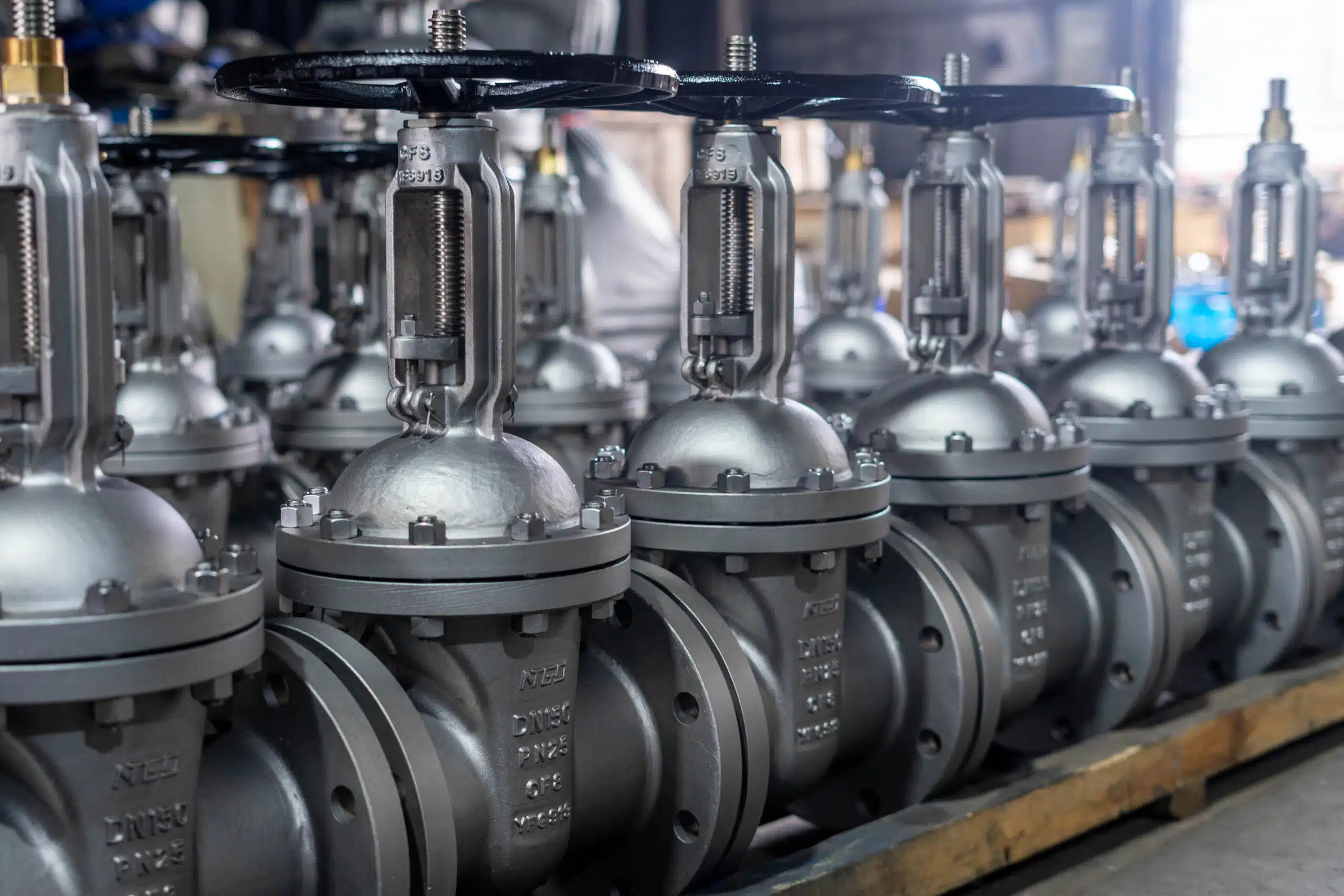
You need to get ready before you put in a flexible gate valve. Getting ready helps stop leaks and other problems later. Use this table to help you set up:
| Preparation Step | Action Required | Purpose |
|---|---|---|
| Internal Cleaning | Look inside the valve and clean the seats. | This stops dirt from hurting the seats or making leaks. |
| Operational Cycling | Open and close the valve one time. | This checks if the valve works and is not stuck. |
| Pipe Preparation | Clean the ends of the pipes and the flange faces. | This takes away dirt that could hurt the valve or flow. |
| Alignment Check | Make sure the pipe flanges are straight and holes match up. | This stops stress that can make leaks or break the valve. |
| Tool & Material Staging | Get gaskets, bolts, grease, and the right tools. | This makes the job go faster and helps you do it right. |
Tip: Always look for dirt or damage on the valve and pipes before you start. This helps your flexible gate valve last longer.
Steps
Follow these steps to put in your flexible gate valve the right way:
- Line up the valve with the pipe. You can put it sideways or up and down. Make sure you can reach the stem.
- Put the valve between the flanges if it has flanges. Add gaskets, match the bolt holes, and tighten the bolts in a crisscross way.
- If your valve has threads, wrap PTFE tape on the threads. Screw the valve onto the pipe and use a wrench to tighten it.
- If you need to weld, line up the valve, weld it safely, and check for leaks after it cools.
- Fill the pipe slowly. Look for leaks and test the valve by opening and closing it.
Note: You can put a flexible gate valve in any position. But always make sure you can reach the stem to use and fix it.
Best Practices
You want your flexible gate valve to work well and not have problems. Here are some good tips:
- Tighten the bolts the same amount so the joints do not leak.
- Make sure the seal ring fits and the sealing parts are smooth.
- Look for cracks or bad spots on the valve body before you use it.
- Change or fix any broken seals or parts before you put it in.
- Do not force the valve into place. If it does not fit, it can leak or break.
Remember: Careful work when you put in your flexible gate valve helps it seal tight and last longer. Check your work during and after you put it in to keep your system safe and working well.
Maintenance and Troubleshooting
Routine Care
You can keep your flexible gate valve working well with regular care. Simple steps help prevent leaks and make the valve last longer. Here are some important tasks you should do:
- Adjust the gland often to stop leaks around the stem.
- Lubricate the valve stem to reduce wear and make turning easier.
- Clean the inside parts to prevent blockages and keep the valve moving smoothly.
- Inspect and replace gaskets if you see signs of leaks.
- Check and tighten bolts and nuts to keep the seal strong.
Tip: Regular care helps you avoid big repairs and keeps your system safe.
Signs of Wear
You should watch for signs that your flexible gate valve needs attention. The table below shows common problems and what causes them:
| Component | Signs of Wear/Failure | Causes |
|---|---|---|
| Stem | Breaks, hard to open/close | Too much stress, overloading, bad material, pressure build-up |
| Gate | Jams, gets stuck, comes loose | Poor design, wrong use, heat expansion |
| Sealing Surface | Cracks, leaks | Bad welding, material fatigue, dirt in the pipe |
| Packing | Loose, worn, loses springiness | Not enough compression, wrong material, wear |
If you spot these issues early, you can fix them before they cause bigger problems.
Troubleshooting
When your flexible gate valve does not work right, you can use this table to find and fix the problem:
| Problem | Main Reasons | Solutions |
|---|---|---|
| Bonnet leaks | Bad fit, cold temps, impact damage | Check and fix seals, replace packing, make sure parts fit right |
| Valve seat or gate leaks | Heat stress, friction | Check sealing surfaces, clean area, replace springs or seats if needed |
| Valve will not close | Dirt or iron buildup | Clean the valve or replace it |
| Valve breaks | Weak parts, shallow threads | Use a curb box key to repair after shutting off water |
| Filler leaks | Clogs, stuck parts, too much pressure, misalignment | Compress packing evenly, add or replace packing if needed |
Note: Quick checks and repairs help your flexible gate valve last longer and work better.
Now you know why a flexible gate valve is helpful. These valves are simple to put in. They let liquids or gases move easily. They do not block the flow much. They are also very dependable. You can use them in many kinds of jobs. They seal tightly, so leaks are rare. Here are some tips to remember:
- Line up the valve with the pipe.
- Make sure all parts are clean before you start.
- Oil the valve and check it often.
| Resource | Description |
|---|---|
| Reliavalve | Find out more about flexible wedge gate valves and how they work. |
| EJ Company | Get facts about water control valves and the rules they follow. |
| Valco Group | See technical details for oil and gas jobs. |
Keep learning and use these ideas to help your flexible gate valve work its best.