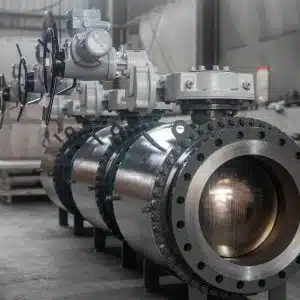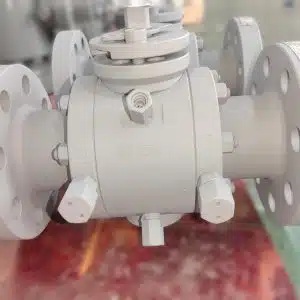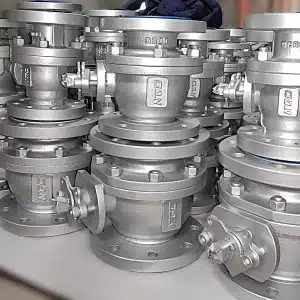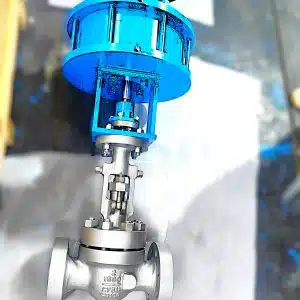
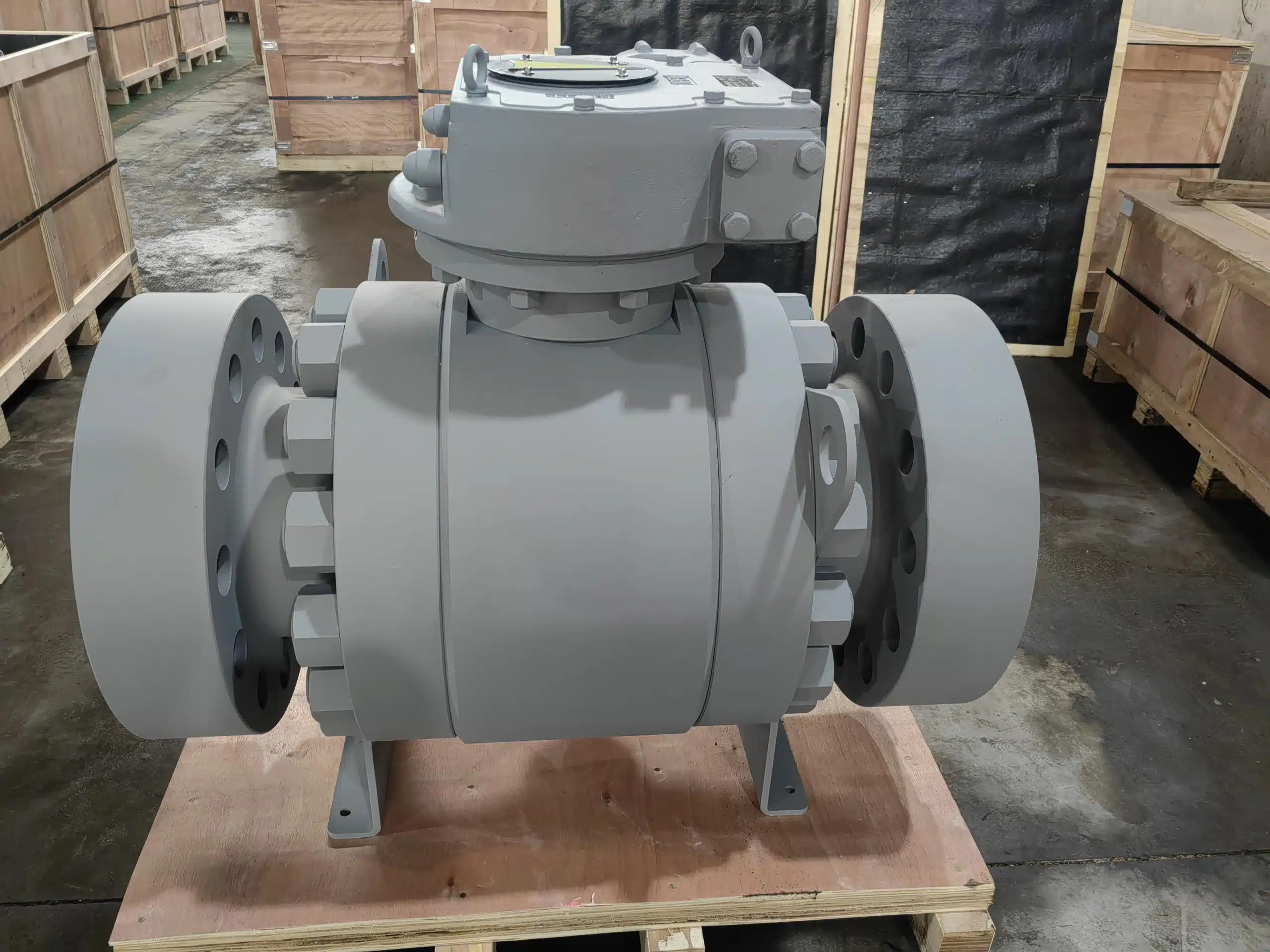
A full port ball valve is a valve with a big ball and hole. The hole matches the size of the pipeline. It lets fluids flow freely, reducing pressure loss and improving system efficiency. These valves are great when steady flow and low energy use are important.
Here are some key numbers about its performance:
- At 30° open, the Cv is 181, allowing smooth flow.
- At 64.29°, the Cv increases to 1674, showing better flow.
- At 90°, the Cv reaches 26045, giving top efficiency.
This accuracy and dependability make full port ball valves essential for controlling flow in many systems.
Key Takeaways
- Full port ball valves let fluids flow freely without slowing down.
- They have an opening the same size as the pipe, perfect for big flows.
- Strong materials like stainless steel make them tough and rust-proof.
- Checking and oiling them often keeps them working well for a long time.
- Pick the right valve based on your system’s needs; full port valves are great for big flows, while smaller ones fit tight spots.
- These valves save energy and cut costs by keeping pressure steady.
- Installing them needs careful placement and sealing to stop leaks.
- Knowing how full port and reduced port valves differ helps you choose the right one.
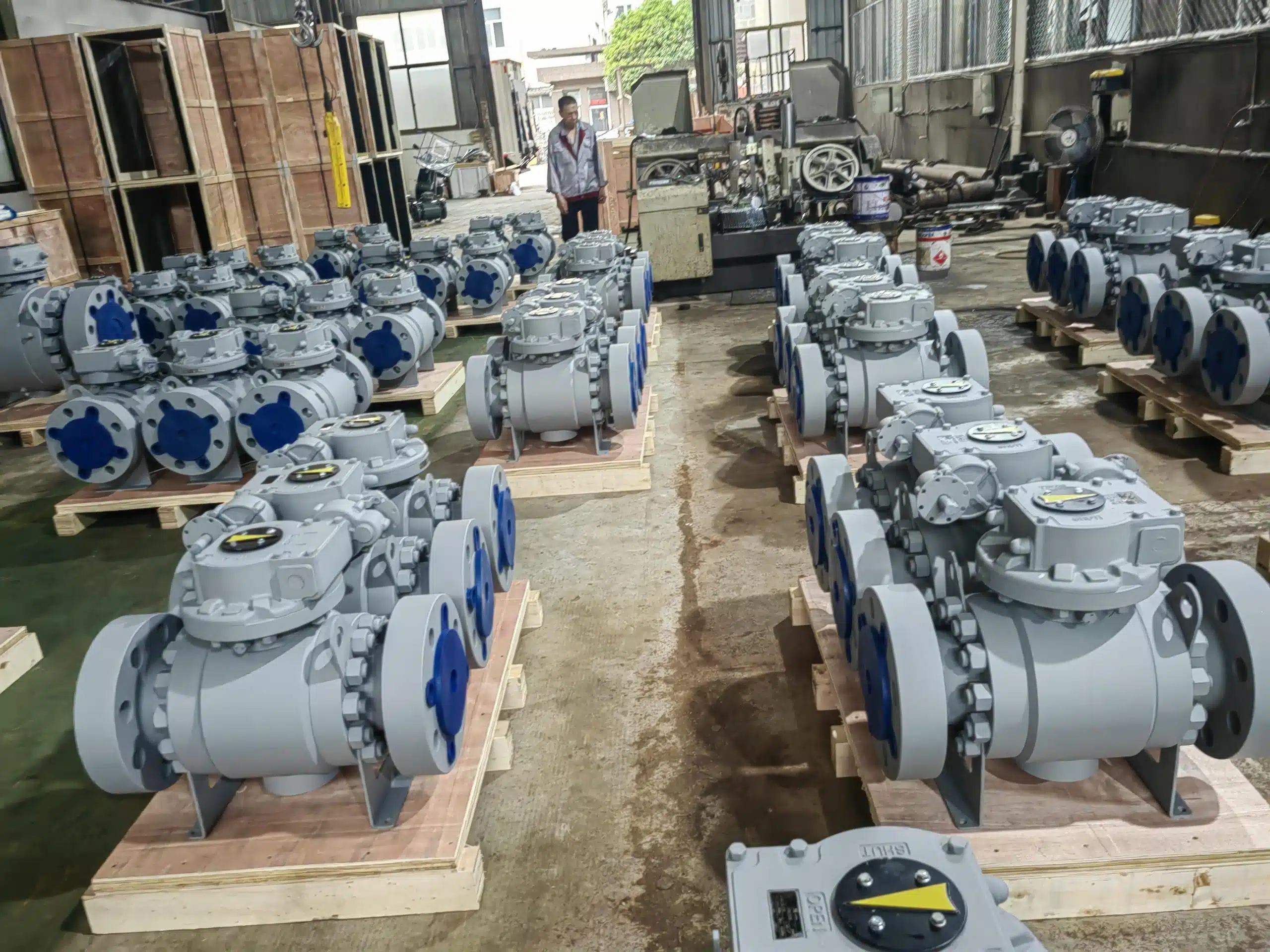
Design and Function of Full Port Ball Valves
Key Parts
Large Ball and Hole
A full port ball valve has a big ball and hole. The hole is the same size as the pipe. This lets fluids move without blockages or pressure drops. It works well for systems needing smooth flow and high efficiency. The large ball helps it work easily, even with high pressure.
Research on valve leaks under stress shows tight designs matter. Using helium tests, experts checked leaks after pressure hits. Results proved full port ball valves keep systems running efficiently.
Valve Body and Materials
The valve body is made from strong materials like steel, brass, or PVC. Stainless steel is popular because it resists rust and handles heat and pressure. The material choice depends on the job and fluid type.
| Specification Type | What It Means |
|---|---|
| Pressure Ratings | Shows the highest pressure the valve can safely handle. |
| Material Composition | Lists the materials used, affecting strength and fluid compatibility. |
| Temperature Tolerance | Tells the temperature range the valve can work in. |
How It Works
Simple Operation
A full port ball valve works with a basic mechanism. Turn the handle, and the ball inside turns too. Its hollow center lines up with the pipe, letting fluid pass. Turn the handle back, and it blocks the flow. This simple design makes it reliable and less likely to break.
| Feature | What It Does |
|---|---|
| Design | The hollow ball allows straight fluid flow with no blockages. |
| Maintenance | Needs little care because of its strong and simple design. |
Flow and Pressure Features
The full port design keeps flow steady, even at small openings. This makes it good for controlling flow precisely. It can also handle very high pressures, up to 1,000 bar, and temperatures up to 400°C. These features make it useful for homes, businesses, and factories.
A study tested full port ball valves using stress analysis tools. Manual and computer methods showed the valve works well for tough industrial jobs.
| Design Factor | What It Means |
|---|---|
| Line Pressure | The force inside the valve, important for stopping leaks. |
| Flow Rates | Different valves control fluid flow differently, affecting their use. |
| Temperature | Impacts both the fluid and valve materials, so careful selection is key. |
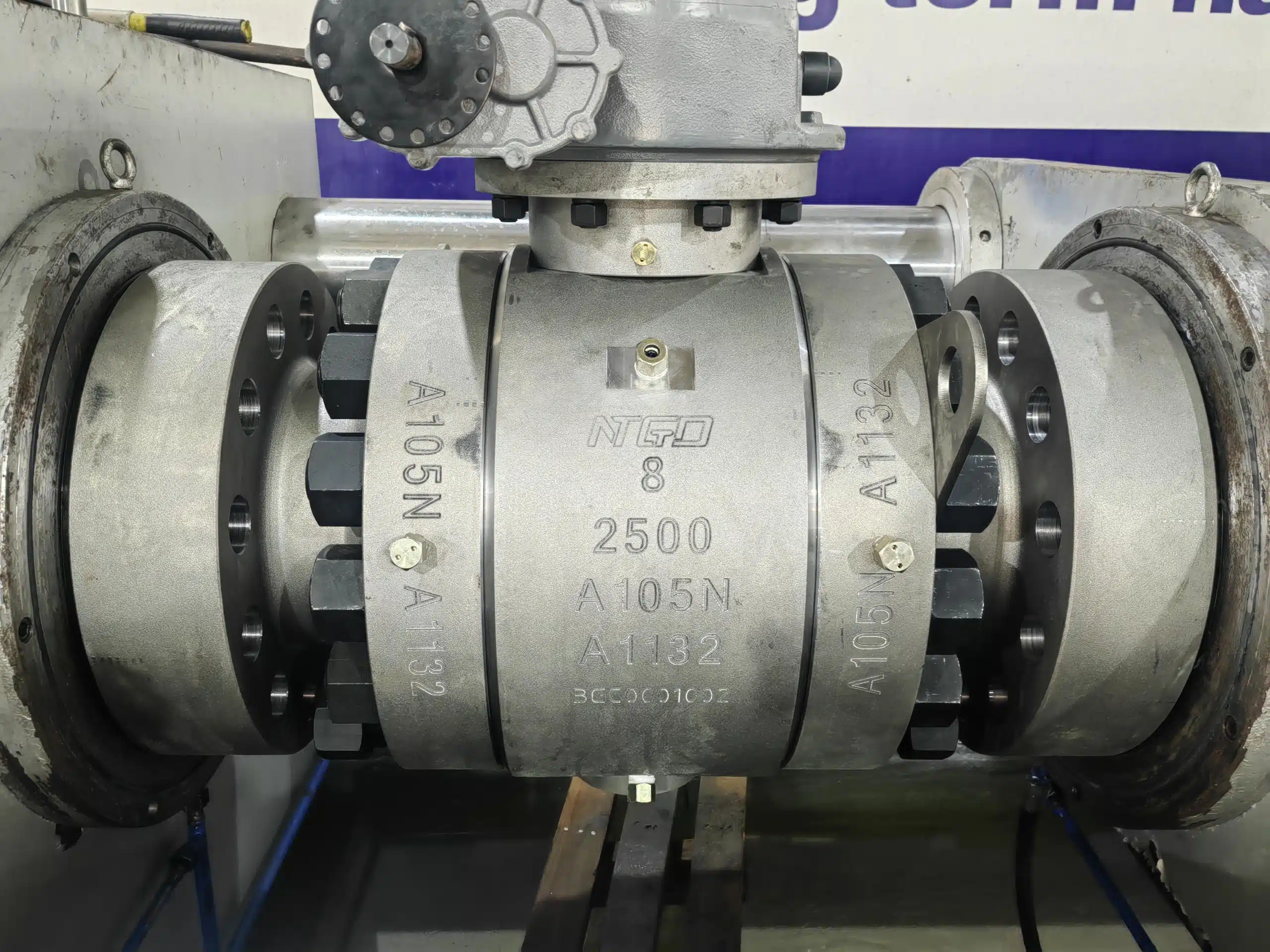
Comparing full port ball valves to other ball valves
Full port vs. standard port ball valves
Bore size differences
The bore size is the main difference between these two valves. A full port ball valve has a bore the same size as the pipe. This allows fluids to flow without any blockages. A standard port ball valve, however, has a smaller bore. This smaller size limits how much fluid can pass through.
| Feature | Full port ball valve | Standard port ball valve |
|---|---|---|
| Bore size | Matches the pipe’s size | Smaller than the pipe’s size |
| Flow capacity | High flow with little pressure loss | Lower flow due to smaller bore |
| Pressure drop | Very low | Higher because of restricted flow |
The larger bore in full port ball valves makes them great for systems needing high flow. Standard port ball valves are smaller and may not work well where flow efficiency matters.
Impact on flow rate and pressure drop
The design of a full port ball valve lets fluids move easily. This keeps pressure drop very low and flow steady. In contrast, the smaller bore in standard port ball valves slows the flow. This creates more pressure drop and less efficiency.
For example, in water systems, full port ball valves save energy and keep flow smooth. Standard port ball valves can cause inefficiencies because of their smaller bore.
If your system needs steady flow and energy savings, choose full port ball valves. But if space is limited, standard port ball valves might work better.
Full port vs. reduced port ball valves
Flow restriction and efficiency
Full port ball valves have a bore that matches the valve port. This design allows maximum flow and reduces turbulence. Reduced port ball valves have a smaller bore than the valve port. This smaller bore helps control fluid speed but limits flow.
| Type of Valve | Flow Passage Diameter | Suitability for Applications |
|---|---|---|
| Full Bore Ball Valve | Same as valve port | Best for high flow and blocking fluid completely |
| Reduced Bore Ball Valve | Smaller than valve port | Good for controlling flow speed |
While reduced port ball valves are less efficient for flow, they are useful for precise control. For example, in chemical processing, they help manage reactive fluids safely.
Applications suited for reduced port valves
Reduced port ball valves are used where controlling flow is very important. They work well in chemical dosing, labs, and small fluid systems. Their small size and ability to control flow make them ideal for specific tasks.
On the other hand, full port ball valves are better for large systems like pipelines or HVAC setups. These systems need high flow and low pressure drop.
Choosing between these valves depends on your needs. For unrestricted flow and energy savings, go with full port ball valves. For precise control in special tasks, pick reduced port ball valves.
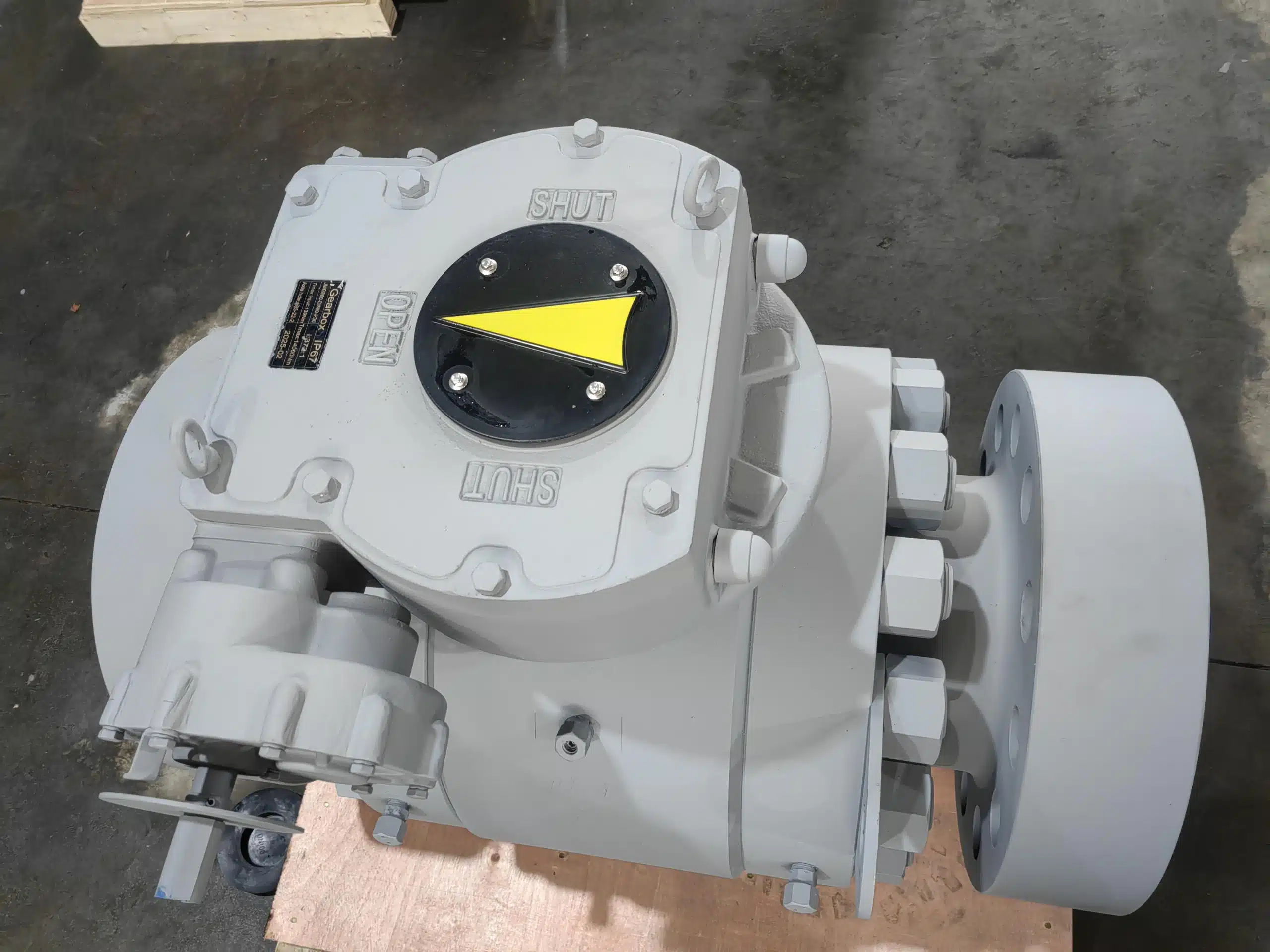
Applications and benefits of full port ball valves
Common applications
Oil and gas pipelines
Full port ball valves are crucial in oil and gas pipelines. They allow smooth flow, helping transport oil and gas efficiently. These valves handle high pressure and heat well. Studies show they reduce leaks and lower maintenance costs. As oil and gas activities grow, the need for reliable valves increases. NTGD makes strong stainless steel valves for tough jobs like LNG and hydrogen systems.
Water treatment systems
In water treatment, these valves control water flow accurately. They help in cleaning, filtering, and distributing water. The water treatment industry is growing fast, especially in countries like India. Full port valves keep energy use low by reducing pressure drops. They are durable and resist rust, making them great for handling water and other liquids.
HVAC systems
HVAC systems use full port ball valves to manage fluid flow. These valves control water, refrigerants, and other fluids efficiently. Their design reduces pressure loss, saving energy. NTGD makes stainless steel valves perfect for HVAC systems. They are reliable and last a long time.
Key benefits
Unrestricted flow and reduced pressure drop
The valve’s bore matches the pipe size, allowing free flow. This design lowers flow resistance and friction. In industries, it helps pumps work efficiently and keeps flow steady. Full port ball valves have higher flow capacity than other valves, making them ideal for high-flow needs.
Durability and reliability in high-pressure environments
These valves are strong and built to last. Materials like stainless steel make them tough and resistant to damage. They work well under high pressure and heat, perfect for pipelines and industrial systems. Their reliability prevents leaks and ensures smooth operation over time.
Energy efficiency and cost savings
Full port ball valves save energy by reducing pressure drops. This lowers the workload on pumps and compressors. Over time, this saves money for industries and homes. Their high flow capacity and low friction make them a smart, cost-effective choice.
Tip: Choose a valve based on your system’s needs, like pressure and fluid type. NTGD offers many options to fit different requirements.
Installation and maintenance of full port ball valves
Installation steps
Preparing the pipeline
Getting the pipeline ready is key for installing a full port ball valve. First, clean the pipeline well to remove dirt, rust, or anything that might block the valve. Check the ends of the pipeline for damage or uneven spots. Fix or replace any damaged parts before moving forward.
Make sure the valve fits the pipeline’s size, pressure needs, and material type. For example, stainless steel valves are great for areas with rust risks because they are strong and rust-resistant. Following these steps helps avoid problems and ensures the valve works properly.
Ensuring proper alignment and sealing
Correct alignment is very important for the valve to work well. Place the valve as the manufacturer suggests, making sure the flow direction matches the markings on the valve. If it’s not aligned, it could wear out unevenly or leak.
To seal it right, use good-quality gaskets or sealants that match the fluid type. Tighten the bolts evenly in a crisscross way to spread the pressure equally. After installing, test the valve by opening and closing it to check for smooth movement and no leaks.
Tip: Always follow the maker’s instructions, especially for valves with special flow or drainage needs.
Maintenance tips
Regular inspection and cleaning
Checking and cleaning your valve often helps it last longer and work better. Look at the valve regularly for damage, rust, or leaks. Clean it at least once a year, especially if it’s in a dusty or harsh environment. Use a cleaner that won’t harm the valve material.
Lubricating the valve is also important. Use a suitable lubricant on the moving parts to keep it working smoothly and sealing well. This is extra important for high-pressure systems where wear happens faster.
| Maintenance Task | How Often | Why It’s Important |
|---|---|---|
| Visual inspection | Every month | Spot early damage or wear. |
| Cleaning | Yearly or as needed | Clear debris and stop clogs. |
| Lubrication | Twice a year | Keep it moving smoothly and reduce wear. |
Troubleshooting common issues
Even with care, problems like leaks, jams, or wear can happen. Finding the cause is key to fixing it. For leaks, check if seals or gaskets are damaged or not installed right. Replace worn parts quickly to avoid bigger problems.
If the valve is stuck, dirt or rust might be the issue. Take the valve apart carefully, clean the inside, and put it back together following the maker’s guide. If parts wear out too much, think about switching to a tougher option like stainless steel valves, which are more reliable for tough jobs.
Note: Keeping a record of maintenance helps you track how the valve is doing and spot repeated problems early.
Full port ball valves are very efficient and reliable. Their design allows fluids to flow freely with little pressure loss. This makes them great for systems that need high performance. These valves save energy and need less upkeep, cutting costs over time. Studies show they cost more upfront but save money later. Most systems recover the cost in less than two years. Tools like IRR and NPV show how useful they are for managing flow. Think about your system’s needs and choose full port ball valves for a smart, lasting solution.
FAQ
What is the difference between a full port ball valve and a standard port ball valve?
A full port ball valve has a hole as big as the pipe. This allows fluids to flow freely without slowing down. A standard port ball valve has a smaller hole, which limits flow and increases pressure. Use full port valves for better flow and standard ones for tight spaces.
Can full port ball valves handle high-pressure systems?
Yes, they are built for high-pressure systems. Strong materials like stainless steel make them tough and reliable. They prevent leaks and work well even under extreme pressure.
How do I choose the right material for a full port ball valve?
Pick the material based on the fluid and system needs. Stainless steel is great for areas with rust or chemicals. Brass works for low-pressure systems, and PVC is best for water use. Match the material to your job.
Are full port ball valves energy-efficient?
Yes, they save energy by reducing pressure drops. This means pumps and compressors don’t have to work as hard. Over time, this lowers energy costs and improves efficiency.
How often should I maintain a full port ball valve?
Check the valve every month for damage or leaks. Clean it once a year, especially in tough environments. Lubricate moving parts twice a year to keep it working smoothly. Regular care helps it last longer.
Can full port ball valves be used in residential systems?
Yes, they work well in homes for plumbing and HVAC systems. They control flow efficiently, save energy, and last a long time. Their simple design makes them easy to install and maintain.
What are common issues with full port ball valves?
Leaks, jams, and wear are common problems. Leaks happen when seals or gaskets are damaged. Jams are caused by dirt or rust buildup. Cleaning and replacing worn parts can fix these issues.
How do I ensure proper installation of a full port ball valve?
Clean the pipeline before installing the valve. Align it with the flow direction correctly. Use good gaskets to seal it tightly. Tighten bolts evenly and test the valve to ensure it works smoothly.