
Energy efficiency is important for improving how factories work. Ball valves help by controlling fluids accurately and saving energy. They are made to seal tightly, stopping leaks and wasting less energy. Companies focus on making ball valves reliable and energy-saving for factories.
New designs, like low-torque valves, make them easier to use and need less energy. Research shows factories using these valves can cut energy use by 15% compared to older systems. These valves also work well under tough conditions, keeping things running smoothly.
Key Takeaways
- Ball valves save energy by controlling flow well and stopping leaks.
- Low torque ball valves use less energy and work easily in machines.
- Durable materials make ball valves last longer with less fixing needed.
- Smart controls and IoT help by tracking use and cutting manual tasks.
- Checking ball valves often keeps them working and saves energy.
How Ball Valves Work
Design and Structure
Ball valves are made to control fluids in factories. They are small and strong, working well with high pressure and heat. Important parts of their design include:
- A round ball with a hole to manage fluid flow.
- Strong materials like stainless steel or brass to stop rust.
- Choices for full or smaller openings that change how fluids move.
- Types like single-piece, three-piece, or top-entry valves for different uses.
The table below shows links to diagrams of ball valve designs:
| Diagram Title | Link |
|---|---|
| Schematic diagram of electric ball valve structure | View Diagram |
| Demystifying the Inner Workings of Ball Valves | View Diagram |
Mechanism of Fluid Control
Ball valves control fluids by turning the ball inside them. When the hole lines up with the pipe, fluids move easily. Turning the ball 90 degrees stops the flow completely. Studies show flow speed depends on how open the valve is and the pressure difference. For example:
| Study/Experiment | Key Findings |
|---|---|
| Full linearization of nonlinear flow control valves via variable gear ratio design | Flow speed changes with pressure and valve opening size. |
| Control of volumetric flow-rate of ball valve using V-port | Looks at ways to improve fluid control for better results. |
This control helps keep factories safe and efficient.
Role of Tight Sealing in Energy Conservation
Stopping leaks is important for saving energy. Ball valves use tight seals, often made from PTFE, to stop leaks. These seals keep fluids inside, saving energy and cutting costs. No leaks mean less waste and better system performance. Tight seals also make factories safer by stopping dangerous leaks in high-pressure systems.
Tip: Check ball valves often to keep seals working well and save energy.
Features That Enhance Energy Efficiency
Low Torque Operation
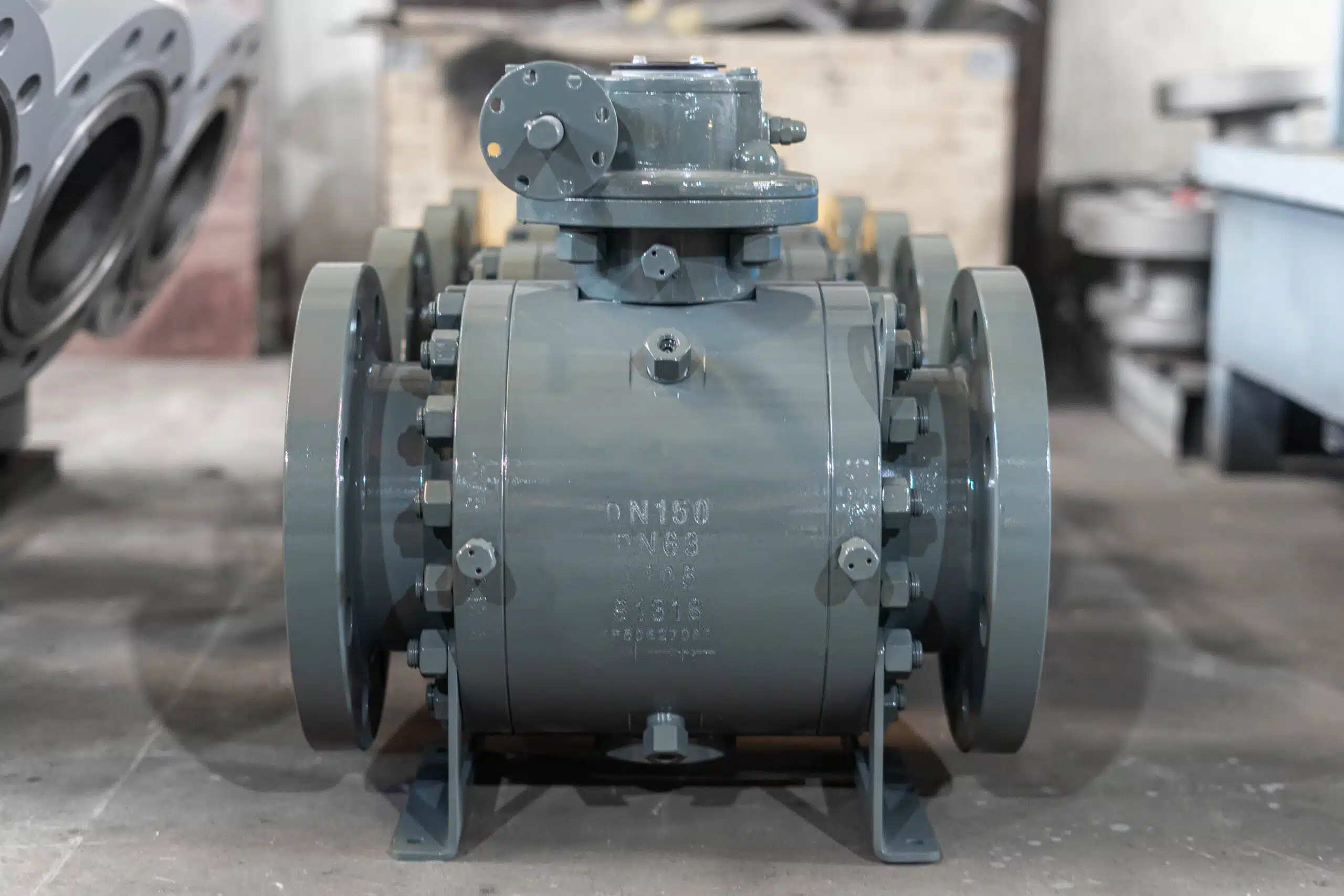
Ball valves with low torque need less energy to work. They are easier to turn, making fluid control simple. This smooth operation uses less energy, especially in automated systems. Advanced designs reduce friction between parts for better performance. For example, NTGD ball valves use precise engineering and strong materials to save energy.
Tests show changing valve shapes lowers the force needed to move them. This change improves energy use in hydraulic systems. The table below shows key results from these tests:
| Evidence Description | Key Findings |
|---|---|
| CFD Simulation of Flow Forces | Changing valve shape lowers force, saving energy. |
| Flow Evaluation of Ball Valve | Better flow design reduces energy use. |
| CFD Simulation of Flow Force Reduction | Lower flow forces allow smaller, energy-saving actuators. |
Using low torque ball valves improves system performance and saves energy.
Advanced Materials for Durability
The materials in ball valves affect how long they last and save energy. Strong alloys and composites make valves last longer, needing fewer replacements. NTGD ball valves use materials that resist rust and handle tough conditions. This strength reduces downtime and keeps systems running smoothly.
Here are benefits of using strong materials in ball valves:
- High Durability: Metal parts resist damage, rust, and heat.
- Leak-Proof Performance: Tight seals stop leaks, even under pressure.
- Longevity: Built to last long with little maintenance.
Studies show durable materials improve energy use. Lighter valves need less energy in systems where weight matters. Using these materials boosts reliability and saves energy.
Precision Engineering for Smooth Flow
Precision engineering helps ball valves give steady and smooth flow. This reduces turbulence and pressure drops, which waste energy. NTGD ball valves are carefully designed to improve flow and work efficiently.
Tests prove precision engineering is important. For example, flow calculations help engineers check valve performance under high pressure. The table below shows findings from these tests:
| Evidence Description | Key Findings |
|---|---|
| Experimental Method for Flow Coefficient | Confirms flow calculations for high-pressure systems. |
| Flow Evaluation of Ball Valve | Better flow design improves energy efficiency. |
Precision-engineered ball valves save energy and cut costs. They also make systems more reliable and consistent over time.
Advanced Technologies in Ball Valves
Automated Controls for Efficiency
Automated controls have changed how factories manage fluid flow. These systems let valves work without needing manual help. They control flow rates and pressure accurately, saving energy. Automation makes operations more efficient and reduces energy use.
For example, industries like oil refining use automated ball valves. These systems save energy and lower costs, as shown below:
| Industry | Power Saved Annually | CO2 Reduced | Money Saved |
|---|---|---|---|
| Petroleum Refinery | 2229 MWh | 1339 metric tons | €334,000 |
| Naptha Cracking | 3810 MWh | 2285 metric tons | $230,000 |
| Midstream Crude Oil | 11,000 MWh | 6000 metric tons | €880,000 |
Automated controls also improve safety. They allow quick shutdowns during emergencies. This reduces risks and keeps operations safe and efficient.
IoT Integration and Monitoring
IoT technology in ball valves has improved energy efficiency. IoT-enabled valves give real-time updates on flow and pressure. This helps you monitor systems and make better decisions.
With IoT, valves adjust automatically to changes. This reduces the need for manual work and prevents mistakes. Real-time alerts warn about problems, so you can fix them early. This lowers downtime and keeps systems running smoothly.
IoT also improves safety by allowing remote control. In emergencies, you can shut valves from a safe place. This protects workers and equipment. IoT makes industrial systems more efficient and reliable.
Predictive Maintenance Features
Predictive maintenance stops sudden failures and costly repairs. IoT systems analyze data to predict when valves need fixing. This helps you solve problems before they get worse.
Modern ball valves use strong materials and smart designs to last longer. Predictive maintenance uses this strength to alert you when repairs are needed. This saves energy and cuts maintenance costs.
It also improves safety by preventing sudden breakdowns in high-pressure systems. Fixing issues early keeps operations safe and efficient. Predictive maintenance ensures factories stay productive and energy-saving.
Applications in Industrial Plants
Chemical Plants and Fluid Management
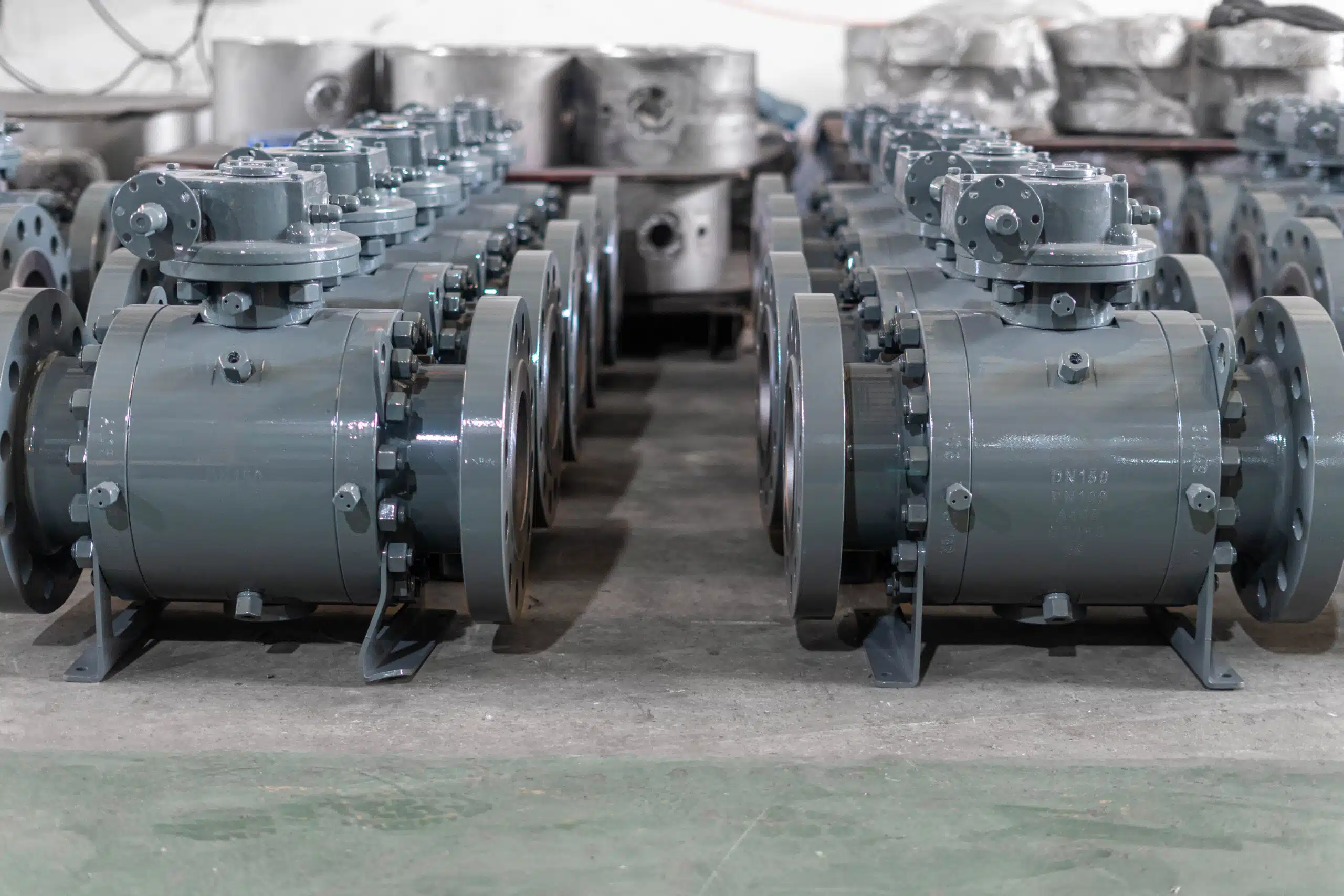
Ball valves are important in chemical plants for controlling fluid flow. They handle harmful fluids like corrosive liquids and slurries safely. Tight seals stop leaks that could harm the environment or cause problems. These valves work quickly and fit different pipes, making them useful for chemical processes.
For example:
- Ball valves move chemicals smoothly from tanks to pipelines.
- Automatic valves keep workers safe by reducing contact with dangerous fluids.
- In emergencies, they trap pressure to stop harmful leaks.
Their flexibility and dependability make them essential in chemical plants.
Power Generation Systems
Ball valves help power plants save energy and work better. Their wide openings let fluids flow freely, lowering pressure drops and saving energy. This design also reduces turbulence, helping valves and parts last longer.
Key benefits include:
| Metric | Value |
|---|---|
| Energy Savings | Up to 30% less energy used |
| Productivity Boost | Up to 25% more efficient |
| Long Lifespan | Over 10 years of use |
By keeping pressure steady and reducing wear, ball valves make power plants more efficient and eco-friendly.
Water Treatment Processes
Water treatment plants use ball valves for their strength and accuracy. These valves control water and chemicals during treatment, ensuring smooth operation. Their tight seals stop leaks, keeping water clean and safe.
Ball valves also handle high pressure and resist rust, making them last longer. Their easy operation uses less energy, helping water plants meet sustainability goals.
Note: Regular checks on ball valves in water systems keep them working well and save energy.
Environmental and Cost Benefits
Reduced Energy Use and Emissions
Ball valves help save energy by cutting energy waste. Their smart design lowers resistance in pipes, making fluids flow easily. This smooth flow means factories use less energy. For example, full port ball valves let more fluid pass with less pressure drop. Water plants using these valves report 20-50% less energy use. This shows how choosing the right valve can save energy.
Using less energy also means fewer emissions. Better materials and new technologies make ball valves work even better. This reduces pollution from factories and helps protect the environment. These improvements support green practices and help meet safety rules.
Lower Costs for Operations
Ball valves save money by lasting longer and needing fewer fixes. Strong materials make them reliable, even in tough conditions. Regular checks, supported by IoT tools, help spot problems early. Fixing issues before they grow saves time and repair costs.
Smart valves with automation save even more money. They reduce the need for workers to control them, cutting mistakes. Tracking data helps plan repairs and avoid long shutdowns. This keeps factories running smoothly and saves money in places like chemical plants.
| Evidence Type | Description |
|---|---|
| Cost Savings | Managing valve parts well avoids costly shutdowns. |
| Maintenance Benefits | Regular checks reduce repair time and plant downtime. |
| Durable Materials | Strong materials lower replacement costs and improve efficiency. |
| Performance Tracking | Cleaning and tracking data help plan replacements and cut costs. |
Helping Sustainability Goals
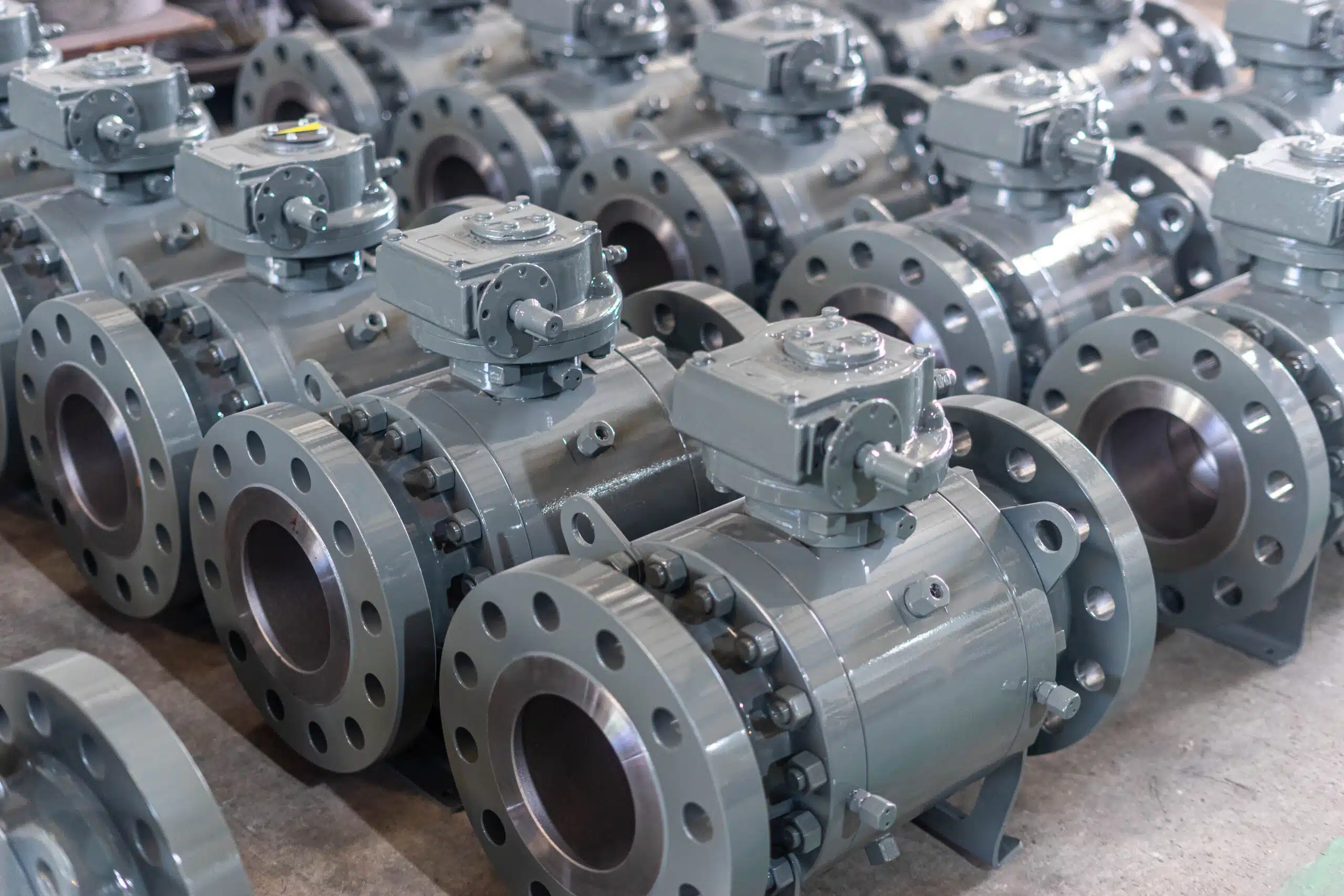
Ball valves support green goals by saving energy and stopping waste. Their tight seals stop leaks, using fluids and energy wisely. This improves safety and supports eco-friendly goals. Cutting emissions also helps protect nature and public health.
Ball valves last a long time because of their strong build and smart designs. This means fewer replacements, which is better for the planet. Using these valves helps factories stay efficient while caring for the environment.
Tip: Check ball valves often to keep them working well and support green goals.
Ball valves help factories save energy and work better. They have special features to control fluids and reduce energy waste. These valves are used in places like chemical plants, power plants, and water treatment systems. They improve how things run and help the environment by cutting emissions and saving resources. Using energy-saving ball valves lowers costs and supports eco-friendly goals.
