
Preventing leaks in ball valves is crucial for safety, and taking measures to prevent leakage is essential to avoid potential hazards. Leaks can lead to danger, waste valuable materials, and increase costs. When a ball valve fails to seal properly, it negatively impacts system performance and reduces efficiency. Prevent leakage to protect the environment from harmful substances and to ensure systems operate more effectively while conserving resources. Addressing leaks not only saves money but also supports sustainability and keeps your system safe.
Key Takeaways
- Check ball valves often to find leaks early. Replace worn seals quickly to keep the system working well.
- Use strong materials for valves and seals. Good materials last longer and stop leaks by resisting damage.
- Install valves the right way. Make sure parts fit tightly to avoid gaps that might leak.
- Watch pressure and temperature changes. Big changes can harm seals, so check often to keep valves working.
- Teach workers how to handle and install valves correctly. Training helps avoid errors, stops leaks, and keeps everyone safe.
Understanding Ball Valve Leakage
What is Ball Valve Leakage?
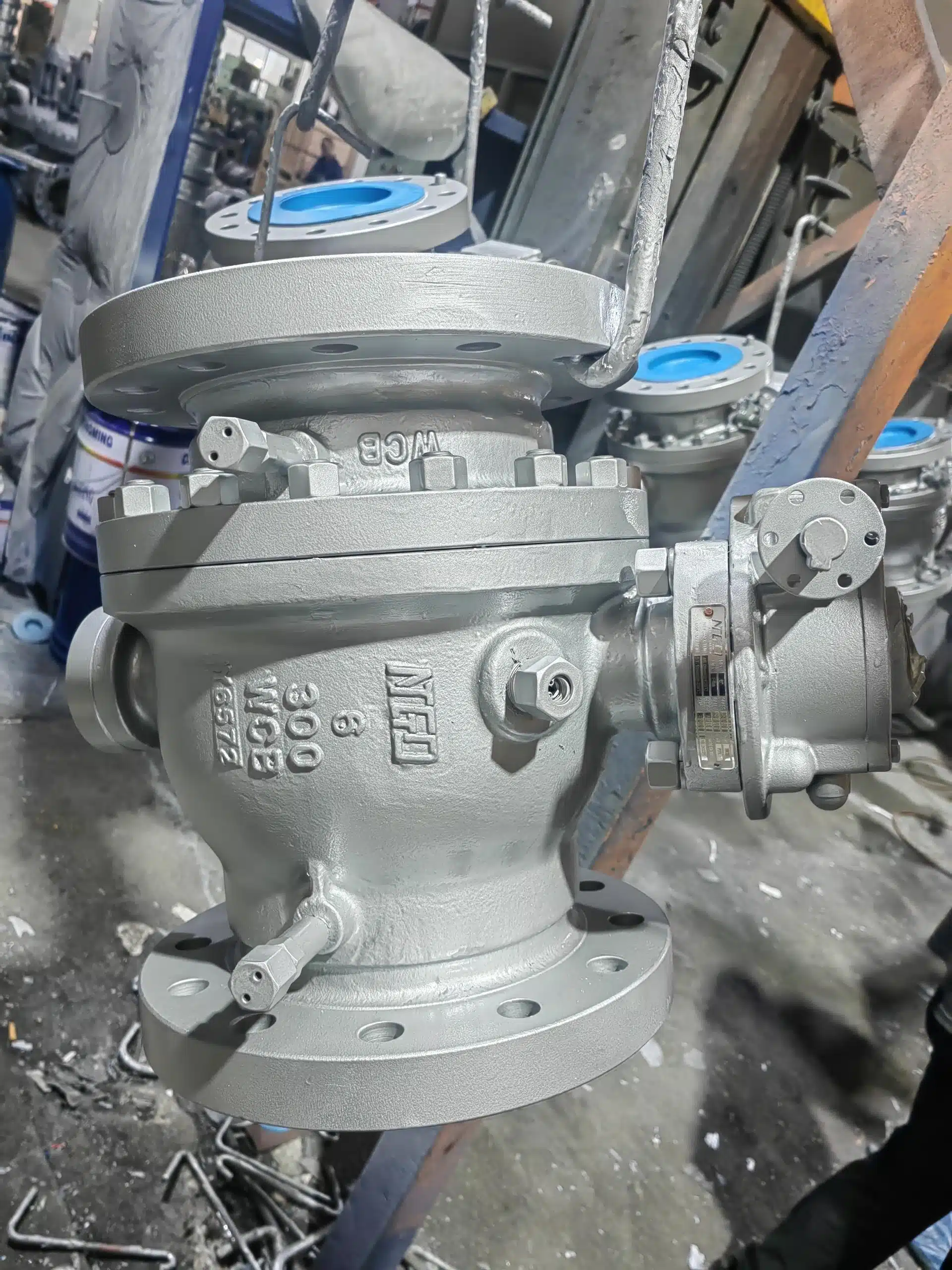
Ball valve leakage happens when liquid flows through a closed valve. This unwanted flow can create big problems in systems. You may lose important fluids, which raises costs. If the fluid is dangerous, leaks can cause pollution or health issues.
Fixing ball valve leaks quickly is very important. Ignoring leaks can harm your system and cost more to repair. Leaks can also be unsafe. By learning what causes leaks, you can stop them and keep your system working well.
Internal vs. External Ball Valve Leaks
Ball valve leaks happen in two main ways: inside and outside. Internal leaks occur when liquid escapes inside the valve. This usually happens between the ball and seat, even if the valve is shut. Internal leaks are harder to notice but can lower system performance over time.
External leaks happen when liquid escapes outside the valve. These leaks often come from broken seals or loose connections. External leaks are easier to see because they are outside the valve. But they can still cause big problems if not fixed.
Knowing the difference between internal and external leaks helps you find the issue faster. This understanding helps you fix leaks and avoid more damage.
Common Causes of Ball Valve Leakage
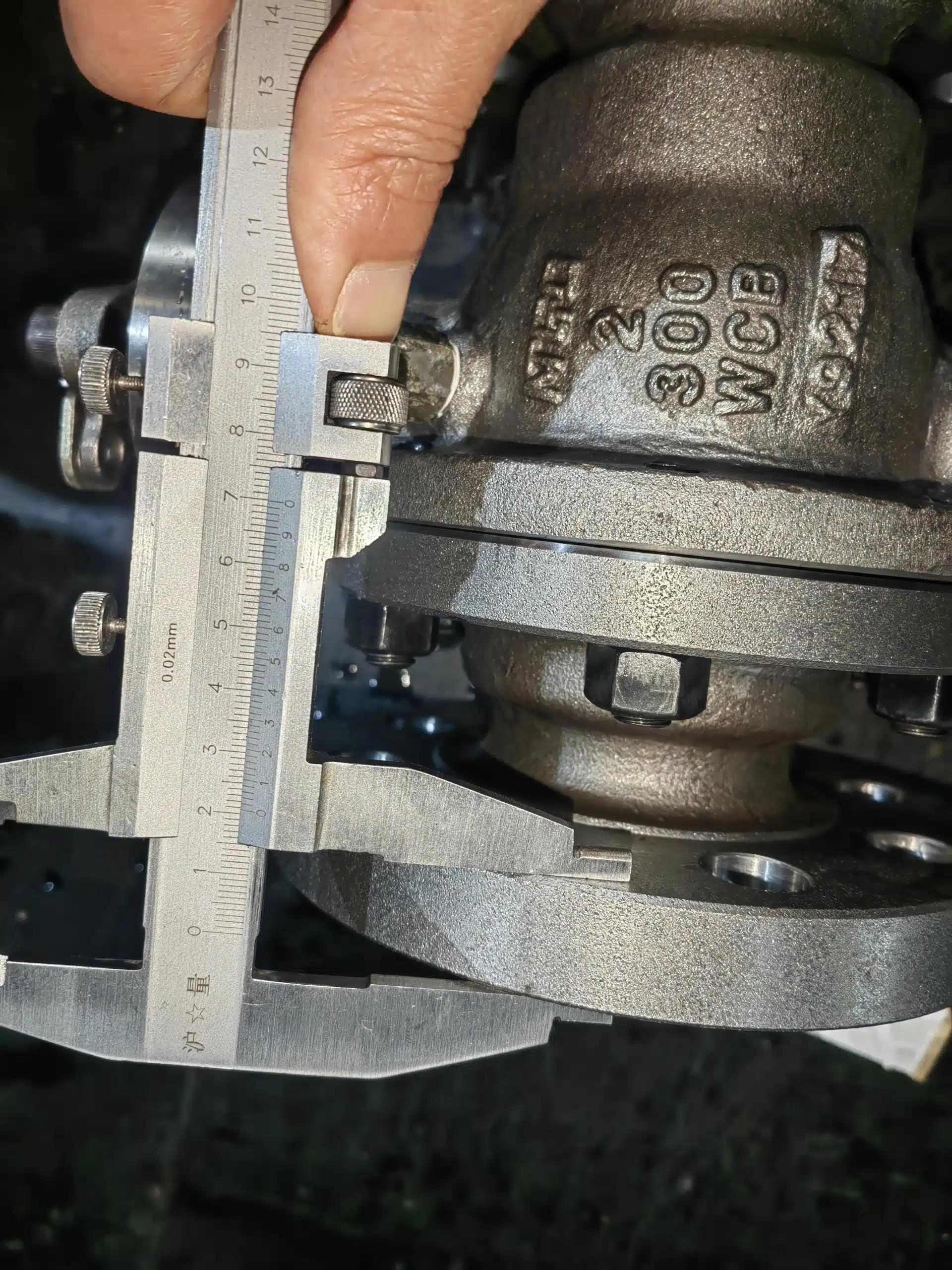
Knowing why ball valves leak can help you avoid problems. Below are the main reasons leaks happen.
Worn or Damaged Seals
Seals are important for stopping leaks in ball valves. Over time, seals can wear out from heavy use or high pressure. Worn seals can’t close tightly, which causes leaks. For example:
- If the ball isn’t fully open, soft seats might not seal well.
- Hard particles in the fluid can damage seals faster.
- Cheap seal materials may break quickly and cause leaks.
Check seals often and replace them if they look worn. Use good-quality seals that match your system to prevent leaks.
Corrosion and Material Wear
Corrosion and wear can also cause leaks in ball valves. Humid or chemical-filled environments can damage seals and parts. Abrasive fluids can wear down materials, making it hard for the valve to seal. The table below shows how these issues lead to leaks:
| Problem | How It Causes Leaks |
|---|---|
| Corrosion | Breaks seals, making leaks more likely. |
| Material Wear | Rough fluids wear out seals too soon. |
| Media Compatibility | Wrong fluids can increase wear and leaks. |
Choose valves made from materials that resist corrosion. Make sure the valve works well with the fluids in your system.
Improper Installation Practices
Bad installation can also make ball valves leak. Common mistakes include loose bolts, misaligned parts, or wrong torque settings. These errors stop the valve from sealing properly. Dirt or debris during setup can also block the valve. Here are examples of how bad installation causes leaks:
- Dirt stuck inside can stop the valve from closing fully.
- Seals or seats can get damaged during installation.
- Using the wrong valve size can hurt its performance.
Follow correct installation steps to avoid these problems. Keep the valve clean, aligned, and tightly secured. Good installation prevents leaks and helps the valve last longer.
Environmental and Operational Factors
The environment and how you use the valve can cause leaks. Changes in temperature, pressure, or surroundings can weaken seals. For example, high pressure can crack the valve, causing gaps. Temperature changes can make materials shrink or expand, breaking seals.
Bad usage habits also lead to leaks. Not tightening screws enough during maintenance leaves spaces for leaks. Over time, wear and tear on parts can damage seals and connections. The table below shows how these issues cause leaks:
| Problem | How It Causes Leaks |
|---|---|
| Loose screws | Gaps form, letting fluid escape. |
| Sudden pressure changes | High pressure can crack or stress the valve. |
| Temperature changes | Expanding or shrinking materials weaken seals. |
| Wear and tear | Damaged seals and connections allow leaks. |
| Internal vs. external leak difference | Internal leaks stay inside unless vented; external leaks go outside. |
To stop these problems, check the environment and use good practices. Inspect valves often for damage from temperature or pressure. Fixing these issues helps valves last longer and prevents leaks.
Use of Low-Quality or Incompatible Materials
Using cheap or wrong materials often causes valve leaks. Weak materials can’t handle tough conditions. For example, bad seals break down quickly in heat or with harsh fluids. This creates gaps and leaks.
Wrong materials also cause trouble. If valve parts don’t match the fluid or pressure, they fail fast. For instance, a valve that reacts with the fluid can corrode, breaking seals and parts.
To avoid this, pick strong materials that fit your system. Use valves and seals made for your fluid, pressure, and temperature. Spending more on quality materials saves money later by stopping leaks and keeping the system reliable.
Solutions for Preventing Leakage in Ball Valves
Regular Maintenance and Inspections
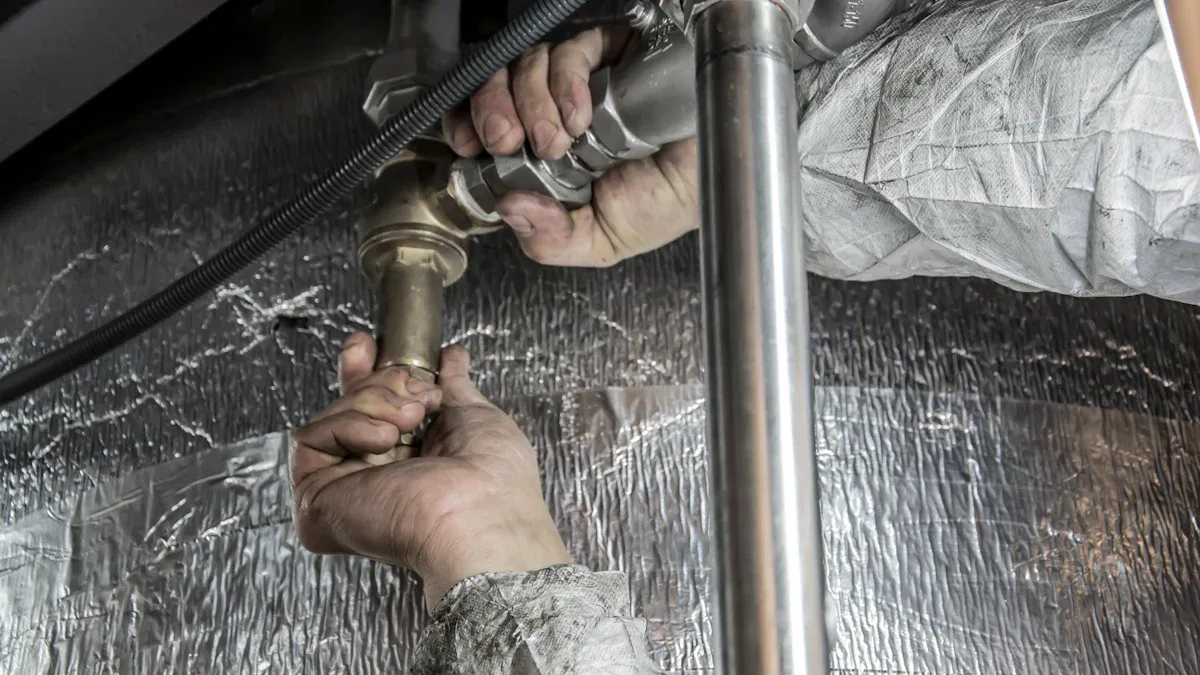
Checking ball valves often helps stop leaks early. Regular inspections find damage before it gets worse. For example, testing for leaks on a schedule lowers leak risks. The table below shows helpful maintenance timelines:
| Maintenance Task | How Often | Important Details |
|---|---|---|
| Leak tests for toilet tank dump valve | Every 250 flight hours | Test with at least 3 PSID across the valve. |
| Leak test for panel ball valve | 1,000–2,000 flight hours | Adjust based on past performance and reliability. |
| Fixing leaks found | Before next use | Clean, repair, and test for leaks again. |
Following these schedules keeps valves working well. NTGD suggests sticking to these timelines to avoid leaks and keep systems efficient.
Replacing Worn Components and Seals
Old seals often cause leaks in ball valves. Over time, seals can break or harden, making them less effective. Replacing damaged seals quickly stops leaks. Here’s how to replace seals properly:
- Take off the valve handle and stem to reach seals.
- Look for cracks, tears, or other damage on the seals.
- Put in new seals to make the valve seal tightly again.
Seals are key to stopping leaks by closing gaps in the valve. Ignoring worn seals can lead to big problems. NTGD advises using strong, high-quality seals to make valves last longer and work better.
Upgrading to High-Quality Materials
Better materials help prevent leaks in tough conditions. Weak materials wear out fast and cause leaks. Switching to strong materials like corrosion-resistant metals or advanced plastics improves valve performance. Studies show better designs and materials reduce leaks. The table below shares key findings:
| Study Name | Main Results | How It Was Studied |
|---|---|---|
| Flow Study of Ball Valve for Better Performance | CPVC ball valves resist leaks better. | Used CFD software to study flow. |
| Study of Water Leaks in Ball Valve Assembly | Valve design affects leaks and efficiency. | Used CFD software for analysis. |
NTGD provides valves made from top-quality materials for tough environments. Choosing these valves lowers leak risks and helps systems last longer.
Ensuring Proper Installation and Alignment
Installing ball valves correctly helps stop leaks. A proper setup ensures tight seals and good performance. Loose parts or misaligned pieces can create gaps for leaks. To prevent this, follow the installation steps carefully.
Check the valve and its parts before installing. Look for damage or dirt that might cause problems. Clean the valve to remove any particles that could harm the seals. When putting the valve together, align all parts properly. Misaligned parts can weaken seals and lead to leaks later.
Use the right tools and methods during installation. Tighten bolts to the recommended level. Too tight can break seals, while too loose leaves gaps. For threaded valves, use thread tape or pipe sealant. This helps create a better seal and reduces leak risks.
After installing, test the valve for leaks. Open and close it a few times to check alignment and sealing. If you find problems, review the instructions and fix them. Proper installation not only stops leaks but also makes the valve last longer.
Using Sealants and Lubricants Effectively
Sealants and lubricants help protect ball valves from leaks. If seals have small leaks, adding light lubricants or sealants can fix them. Products like Sealweld Total-Lube #911 work well for pipeline valves. They fill tiny gaps and improve sealing.
For threaded valves, use thread tape or pipe sealant when reassembling. These materials block fluid from leaking through the threads. They also protect seals from wearing out too quickly.
Always follow the product instructions when using sealants or lubricants. Using too much can clog the valve or cause problems. Spread the sealant evenly to avoid weak spots. Check the valve often to make sure the sealant is still working.
Sealants and lubricants are temporary fixes, not permanent solutions. Replacing old seals is the best way to stop leaks. Still, using these products correctly can keep valves working well and reduce downtime.
Troubleshooting a Ball Valve Leak
Finding Where the Leak is Coming From
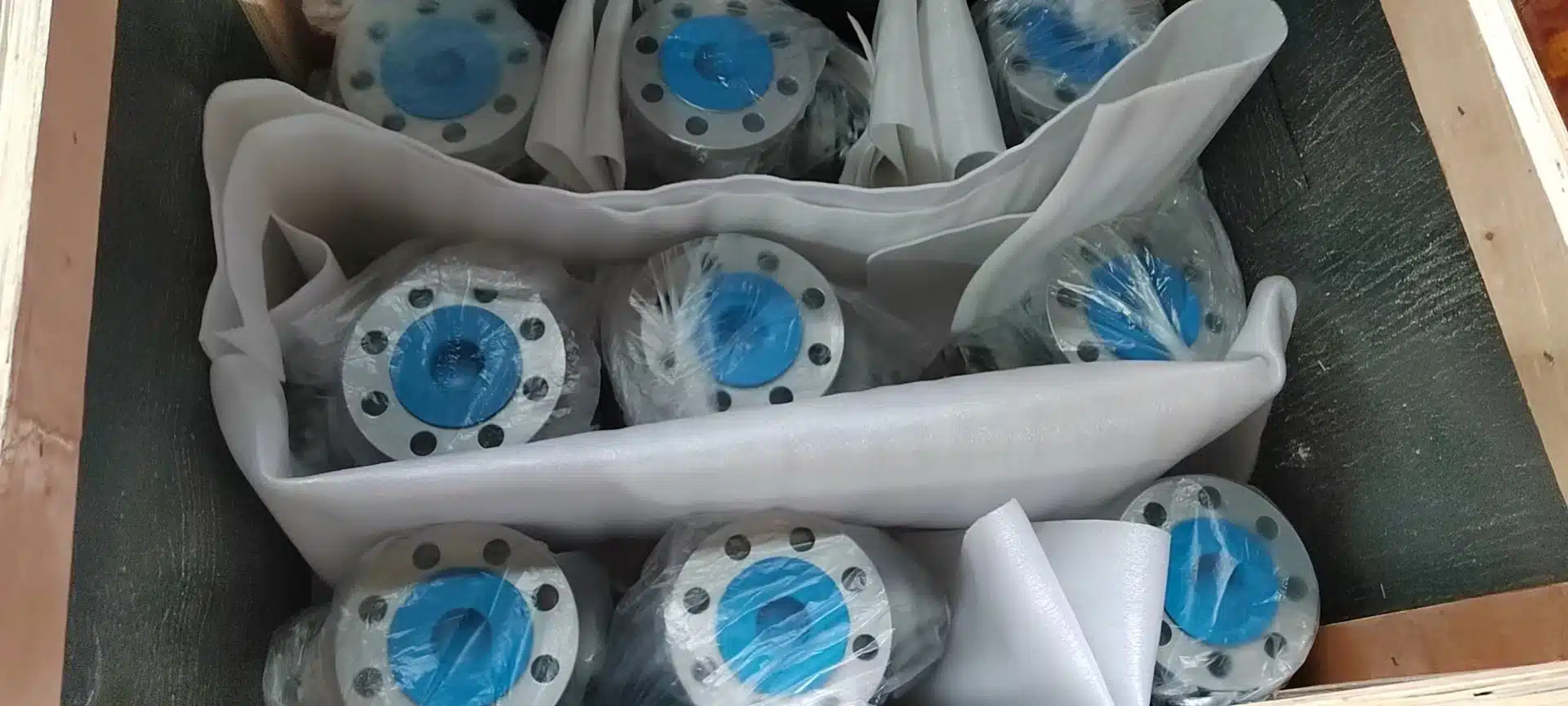
To fix a ball valve leak, find where it starts. Look closely at the valve to see where fluid is leaking. Start by checking the seals, as they often cause leaks. Look for cracks, damage, or if they are not lined up right. If the seals look fine, check the connections and fittings for loose or broken parts.
You can also use advanced tools like Computational Fluid Dynamics (CFD). CFD shows how fluid moves through the valve and spots leaks. Design analysis helps pick the right materials and valve design to stop leaks. The table below explains these methods:
| Method | What It Does |
|---|---|
| Computational Fluid Dynamics (CFD) | Checks fluid flow in valves to find leaks and improve design. |
| Design Analysis | Ensures good material choice and valve design to avoid leaks. |
By using both visual checks and advanced tools, you can quickly find the leak and fix it.
Telling Internal Leaks from External Leaks
Knowing if the leak is inside or outside the valve is important. Internal leaks happen when fluid passes through a closed valve. This is often caused by worn seals or a damaged ball. External leaks are easier to see and come from broken seals, loose parts, or cracks in the valve.
To figure out the type of leak, close the valve and watch. If fluid still flows, it’s an internal leak. For external leaks, look at the outside of the valve for fluid. Knowing the type of leak helps you choose the right fix.
Quick Fixes vs. Long-Term Repairs
When fixing a ball valve leak, decide between a quick or lasting fix. Quick fixes, like using sealants or lubricants, can stop small leaks fast. For example, thread tape or pipe sealant can block leaks in threaded parts. But these fixes only work for a short time.
Long-term repairs mean replacing old seals, broken parts, or the whole valve. These repairs take more time but stop leaks for good. Always aim for lasting fixes to keep your system safe and working well.
Preventing Leakage in Ball Valves: Best Practices
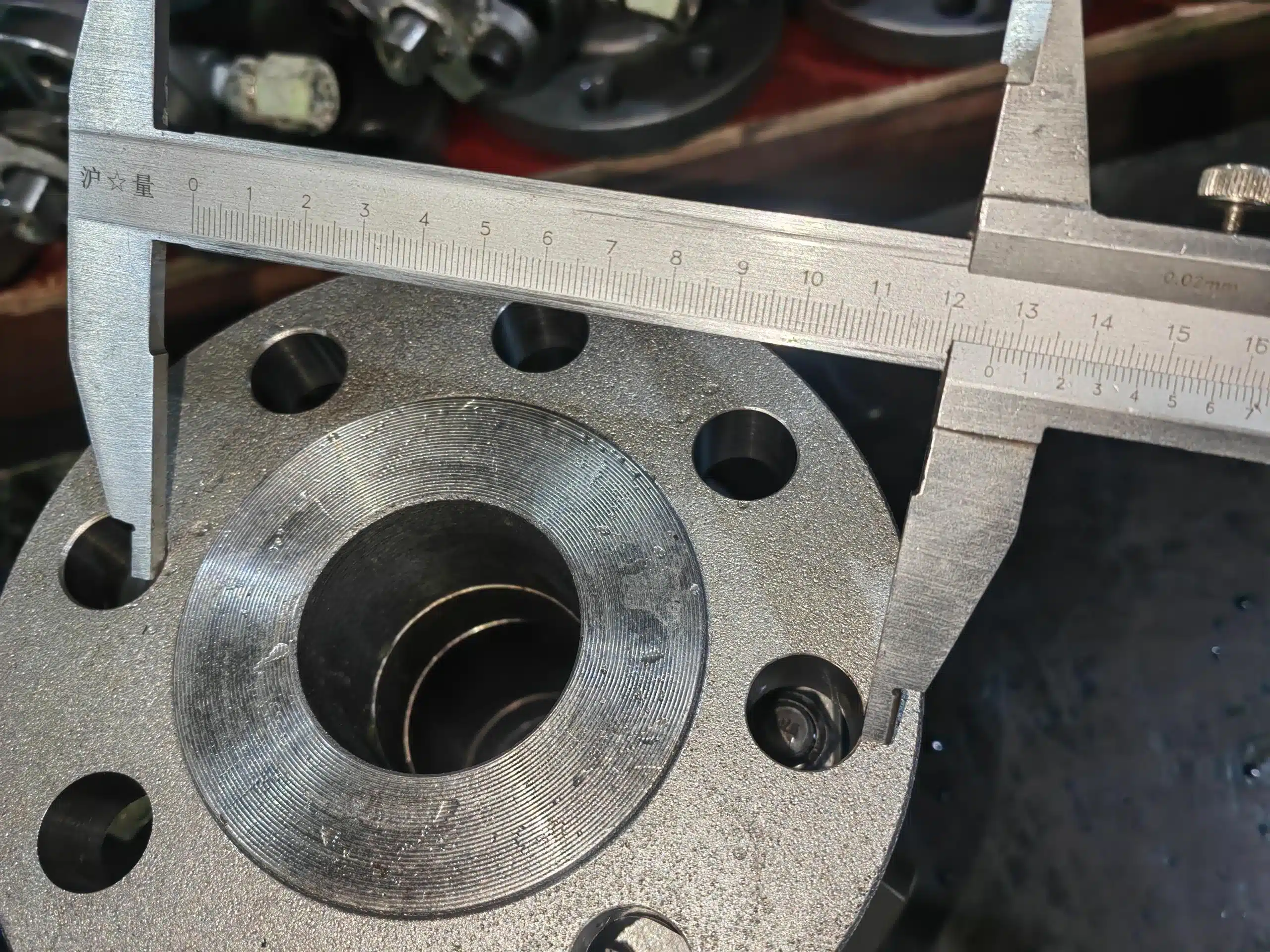
Regular Maintenance and Moving the Valve
Regular maintenance helps stop leaks in ball valves. Check valves often to ensure seals are not damaged. Seals can wear out from heavy use or tough conditions. Look for cracks or damage and replace bad seals early to avoid problems.
Moving the valve regularly is also important. Open and close the valve sometimes to stop it from getting stuck. Stuck valves can cause leaks because the ball won’t seal properly. Moving the valve also spreads lubricants evenly, reducing wear on parts. Add these steps to your routine to make valves last longer and prevent leaks.
Picking the Right Ball Valve for the Job
Choosing the right ball valve is key for good performance. Different jobs need specific valve designs, materials, and types. For example, three-piece valves are easier to fix, while one- or two-piece valves might need full replacement. The table below shows what to think about:
| Factor | What It Means |
|---|---|
| Expected Lifespan | Lasts 8–10 years with good care. |
| Actuation Type | The right type lowers costs and improves safety. |
| Design | Three-piece valves are easier to repair than one- or two-piece ones. |
| Temperature and Pressure | High-pressure valves need more care or replacement. |
| Media Compatibility | Use clean fluids; solids can damage valves. |
| Valve Materials | Metal valves are stronger and work with more fluids than PVC. |
Pick a valve that fits your system’s needs for pressure, temperature, and fluids. This helps prevent leaks and makes the valve last longer.
Teaching Proper Handling and Installation
Training workers to handle and install valves correctly stops leaks. Untrained workers might tighten bolts too much, misalign parts, or use the wrong tools. This can damage seals and hurt valve performance. Training teaches the right way to install and care for valves.
During training, stress the need for cleanliness. Dirt can harm seals and cause leaks. Teach workers to check valves for damage before installing them. Show them how to use sealants or lubricants properly. Good training prevents leaks and makes the system safer and more efficient.
Watching and Controlling Pressure and Environmental Factors
Keeping an eye on pressure and the environment helps stop leaks in ball valves. If seals and seats get uneven pressure, it’s often due to bad installation. This uneven pressure makes seals weaker and more likely to leak. Checking the system often helps find and fix these problems early, keeping the valve working well.
Sudden jumps in pressure can harm seals too. When seals are squeezed too much, they lose their shape and can’t seal tightly. This leads to leaks, especially in systems with high pressure. Watching pressure levels helps catch and stop these spikes, protecting the valve.
Temperature changes in the environment can also hurt valve performance. Materials grow or shrink with temperature shifts, which weakens seals over time. Regular checks help you find these weak spots and fix them before they cause leaks.
Testing pressure is also very important. It shows if the valve can hold pressure properly. If pressure drops during a test, it might mean there are leaks inside or seals are worn out. Fixing these problems quickly saves money and avoids bigger damage.
The table below shows how managing these factors stops leaks:
| Problem Description | How It Causes Leaks |
|---|---|
| Bad installation creates uneven pressure on seals and seats. | Uneven pressure makes seals weaker, leading to leaks. |
| Sudden pressure jumps squeeze seals too much, causing damage. | Damaged seals lose their shape and can’t seal tightly, causing leaks. |
| Regular checks keep the system safe and lower repair costs. | Inspections find weak spots early, stopping leaks in high-pressure systems. |
| Pressure tests show if the valve holds pressure well. | A drop in pressure during testing means leaks or worn seals need fixing fast. |
By watching pressure and the environment, you can make ball valves last longer and work better. These steps not only stop leaks but also save time and money over time.
Fixing ball valve leaks quickly keeps systems safe and efficient. Leaks often happen because of old seals, rust, or bad setup. Checking valves regularly helps find problems early. Cleaning, using lubricants, and replacing worn parts on time make valves work better. Using strong materials and installing valves correctly lowers leak risks. These steps protect your system, save money, and make valves last longer.
