
Ball valves play a crucial role in managing fluid flow across various systems. These valves use a spherical component, or ball, to control the flow of liquids or gases, ensuring precision and efficiency. Their robust design makes them indispensable in industries like automotive, HVAC, construction, and energy.
- The global ball valves market reached USD 13.9 billion in 2024 and is projected to grow to USD 19.6 billion by 2033, with a CAGR of 3.57%.
- In food processing, these valves maintain regulated flow during product fillings, ensuring safety and quality.
Their reliability stems from features like tight seals, high-temperature resistance, and compatibility with diverse media. Available in various valve types, they offer unmatched versatility for flow control and safety in industrial applications.
Key Takeaways
- Learn about ball valve types like floating, trunnion, and full-port.
- Pick a valve that matches materials and pressure for safety.
- Choose valves that are easy to maintain to save time and money.
- Use multi-port valves for mixing or redirecting flows in systems.
- Think ahead to avoid replacing valves too soon and ensure they last.
Floating Ball Valves
Design and Functionality
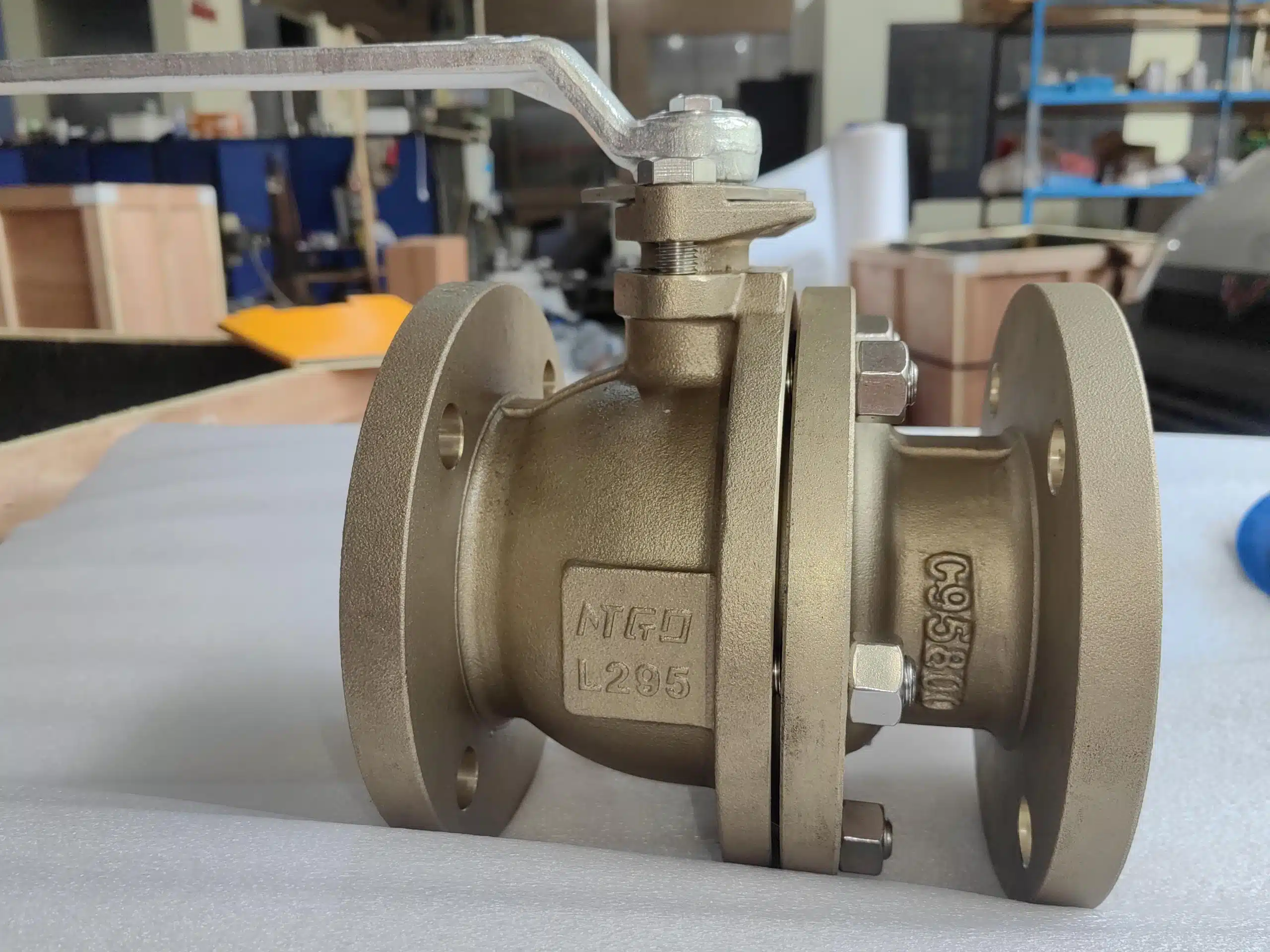
Floating ball valves are a popular choice for flow control due to their unique design. Unlike other types of valves, the ball inside these valves is not fixed. Instead, it “floats” between the valve seats, allowing it to move slightly under fluid pressure. This movement enhances the seal on the downstream side, ensuring reliable performance.
Key features of floating ball valves include:
- The floating ball design, which improves sealing by using fluid pressure to push the ball against the outlet seat.
- Suitability for low- to medium-pressure systems, making them ideal for various industrial applications.
- Compact and simple construction, which reduces maintenance needs and increases durability.
These valves excel in systems where tight sealing and efficient flow control are essential. Their straightforward design ensures they perform their functions effectively, even in challenging conditions.
Applications
Floating ball valves are versatile and widely used across industries. You will often find them in pipelines that transport gas, oil, or water. Their ability to handle hot gases, corrosive fluids, and slurries makes them indispensable in sectors like power generation and mining.
Common applications include:
- Regulating flow in natural gas pipelines and water distribution systems.
- Managing the flow of corrosive fluids in chemical processing plants.
- Ensuring safety and efficiency in mining operations by controlling slurry movement.
These valves are also a reliable choice for industries that prioritize durability and performance. Their adaptability to different media and operating conditions makes them one of the most practical types of valves available.
Trunnion-Mounted Ball Valves
Design and Functionality
Trunnion-mounted ball valves stand out due to their unique design. Unlike floating ball valves, these valves feature a ball that is anchored to a trunnion, a fixed shaft at the bottom. This design reduces friction during operation, making them easier to handle. You will notice that they require less torque to operate, even in high-pressure systems.
Key structural differences between trunnion-mounted and floating ball valves include:
- The trunnion-mounted design supports the ball on a fixed shaft, while floating ball valves rely on fluid pressure to hold the ball in place.
- Trunnion-mounted valves use floating valve seats to enhance sealing under pressure.
- These valves are often welded to the stem, ensuring durability in demanding environments.
| Feature | Trunnion Ball Valve | Floating Ball Valve |
|---|---|---|
| Ball Support | Mounted on a trunnion at the bottom | Floats freely at the bottom |
| Operation Torque | Requires less torque due to reduced friction | Requires high torque to operate |
| Connection Type | Often welded to the stem | Linked to the stem at the top |
| Pressure Handling | Suitable for high-pressure applications | Reliable bi-directional shut-off valve |
This design makes trunnion-mounted ball valves ideal for heavy-duty applications where precision and reliability are critical.
Applications
You will find trunnion-mounted ball valves in industries that demand high performance under extreme conditions. Their ability to handle high pressure and large diameters makes them indispensable in several sectors.
Common applications include:
- High-pressure systems and large-diameter pipelines, especially in the oil and gas industry.
- Petrochemical facilities where leak-proof sealing is essential.
- Chemical manufacturing plants, thanks to their resilience to high temperatures and corrosive fluids.
- Power generation systems that require precise flow control.
These valves are also widely used in the petroleum industry. Their robust design ensures they can withstand the demands of transporting oil and gas efficiently. If you need a valve for heavy-duty operations, trunnion-mounted ball valves are a reliable choice.
Full-Port Ball Valves
Design and Functionality
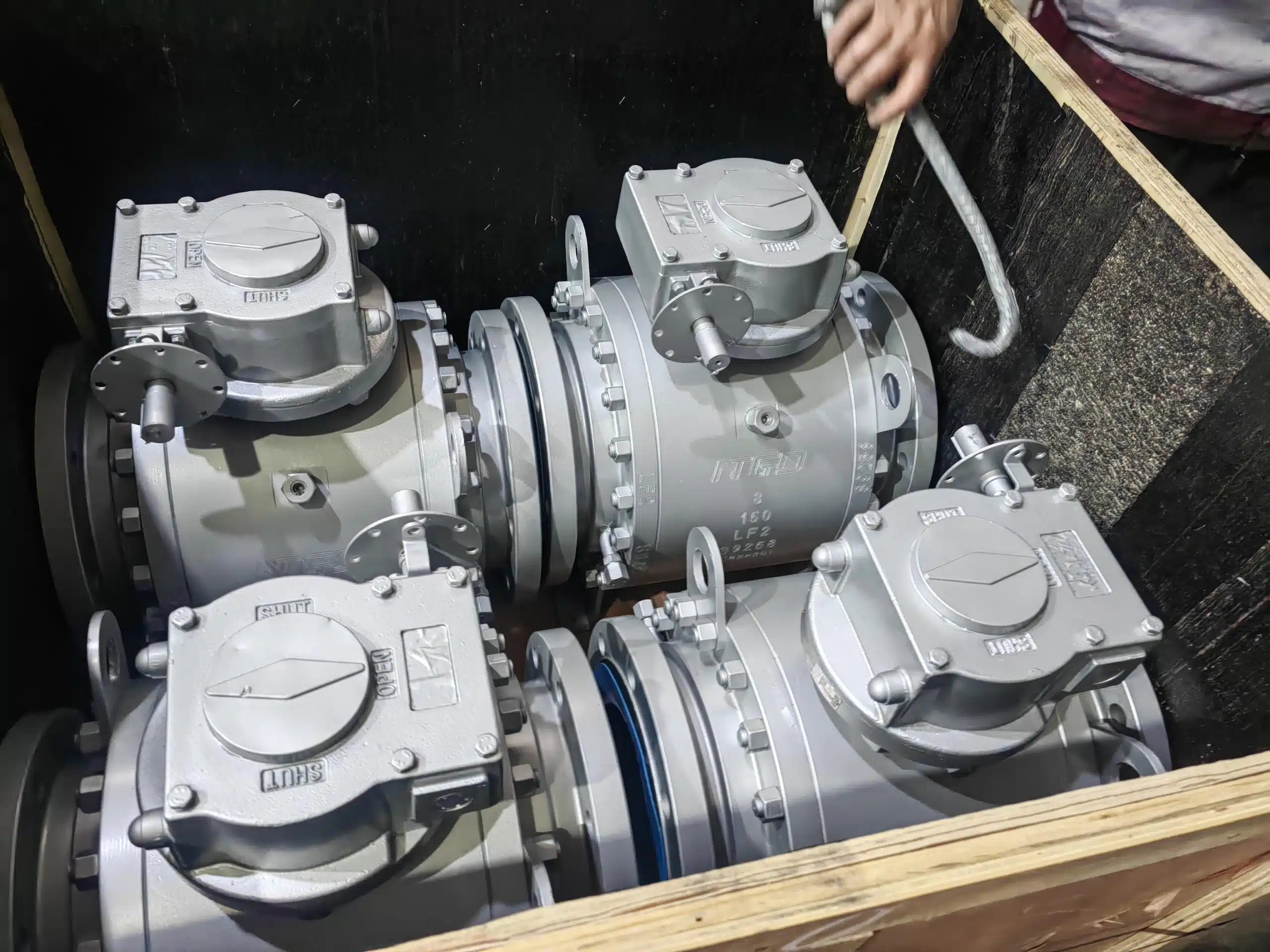
Full-port ball valves, also known as full-bore valves, are designed to provide an unobstructed flow path. When fully open, the diameter of the valve matches the diameter of the connected pipeline. This design minimizes pressure drops and ensures efficient fluid flow.
One of the key advantages of full port ball valves is their ability to maintain minimal pressure differences across the valve. This feature reduces the risk of cavitation, a phenomenon that can damage piping systems over time. The straight flow path also minimizes friction, making these valves ideal for applications where maintaining high flow rates is critical.
Compared to reduced-port valves, full-port valves offer less resistance to fluid flow. This results in negligible pressure drops when the valve is open, ensuring optimal performance in demanding systems. However, their advanced design and material requirements often make them more expensive than other types of valves.
Tip: If your system requires efficient flow with minimal resistance, full-port ball valves are an excellent choice despite their higher initial cost.
Applications
Full-port ball valves are widely used across industries due to their efficiency and reliability. Their ability to handle high pressures and maintain consistent flow makes them indispensable in several sectors.
Here are some industries and processes that benefit most from full-port ball valves:
- Oil and Gas: Manage the flow of crude oil and natural gas under high pressures.
- Water and Wastewater Management: Ensure reliable flow control in distribution systems.
- Chemical and Pharmaceutical: Safely control reactive materials in sensitive processes.
- Food and Beverage: Maintain hygienic flow control for liquids and gases.
- Power Generation: Regulate essential fluids in energy systems.
- Agriculture: Support irrigation systems with efficient water flow.
Although full-port ball valves have a higher upfront cost, their long-term benefits often outweigh the expense. For example, a bare stem full-bore valve costs $1662, compared to $1238 for a reduced-bore valve. While this $424 difference may seem minor, it becomes significant in large-scale applications like chemical plants that use hundreds of valves.
If your system prioritizes efficiency and durability, full-port ball valves are a reliable and cost-effective solution in the long run.
Reduced-Port Ball Valves
Design and Functionality
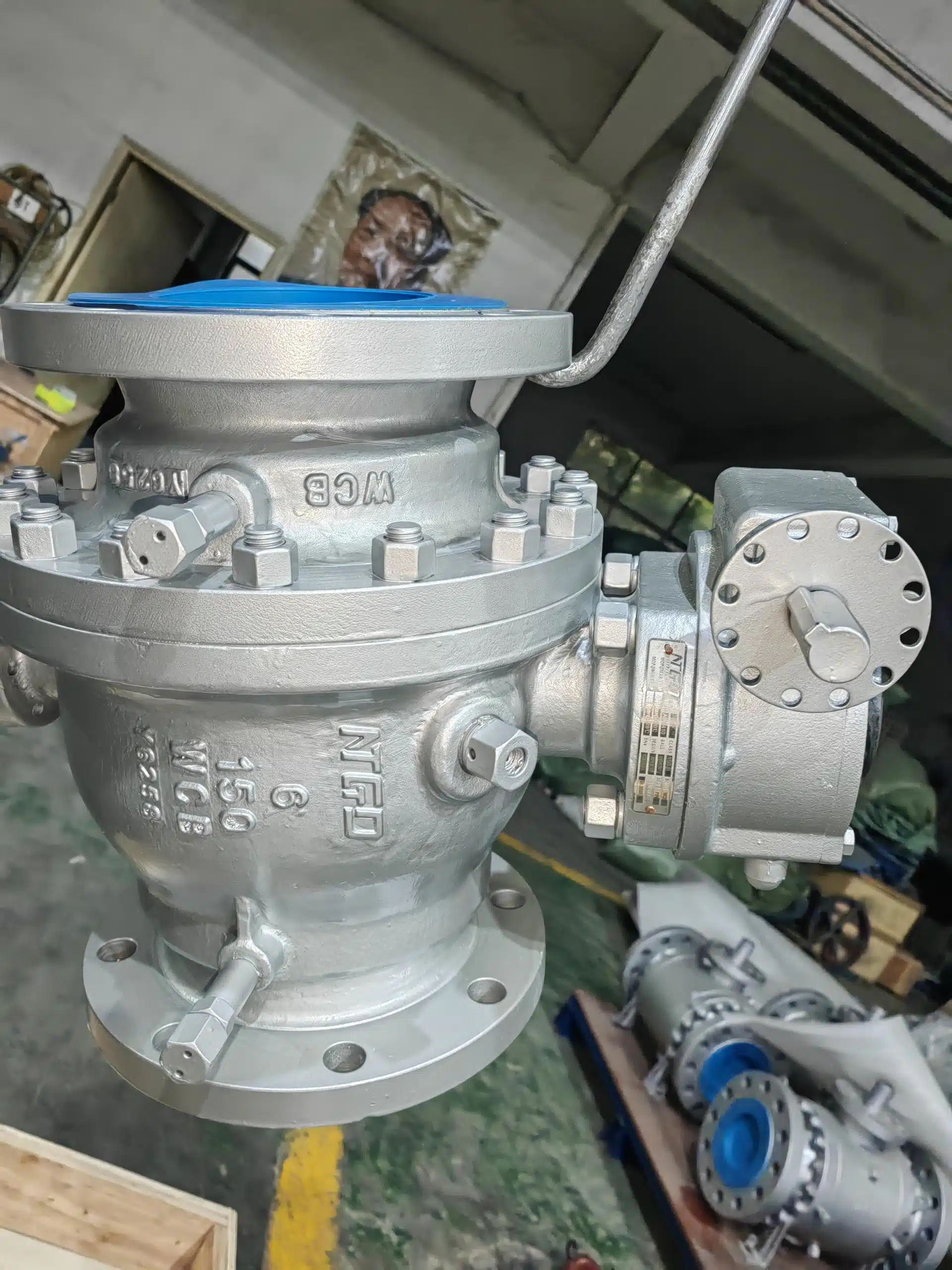
Reduced-port ball valves, also known as standard-port valves, feature a smaller bore size compared to the connected pipeline. This design creates a slight pressure drop and reduces flow efficiency. However, it also makes these valves more compact and cost-effective. You will find that this type of valve is ideal for systems where a minor pressure drop is acceptable and budget constraints are a priority.
The smaller bore size of reduced-port ball valves results in certain limitations compared to full-port valves. These include:
- Potential flow restrictions due to the narrower streamway.
- Increased friction and pressure drop, which can lead to higher energy loss.
Despite these drawbacks, reduced-port ball valves excel in applications where high flow capacity is not critical. Their compact design and affordability make them a practical choice for many industries.
Applications
Reduced-port ball valves are widely used in systems where cost savings and space efficiency are more important than maximum flow capacity. You will often see them in applications that can tolerate a slight reduction in flow efficiency.
Here are some common uses:
- HVAC Systems: Control fluid flow in heating and cooling systems without requiring full-bore capacity.
- Water Distribution: Manage water flow in residential and commercial pipelines where minimal pressure drops are acceptable.
- Chemical Processing: Handle non-critical fluid transfer processes in chemical plants.
- Agriculture: Support irrigation systems that do not demand high flow rates.
If your system prioritizes affordability and compactness over maximum flow efficiency, reduced-port ball valves are an excellent option. Their versatility and cost-effectiveness make them one of the most practical types of valves for non-critical applications.
Multi-Port Ball Valves
Design and Functionality
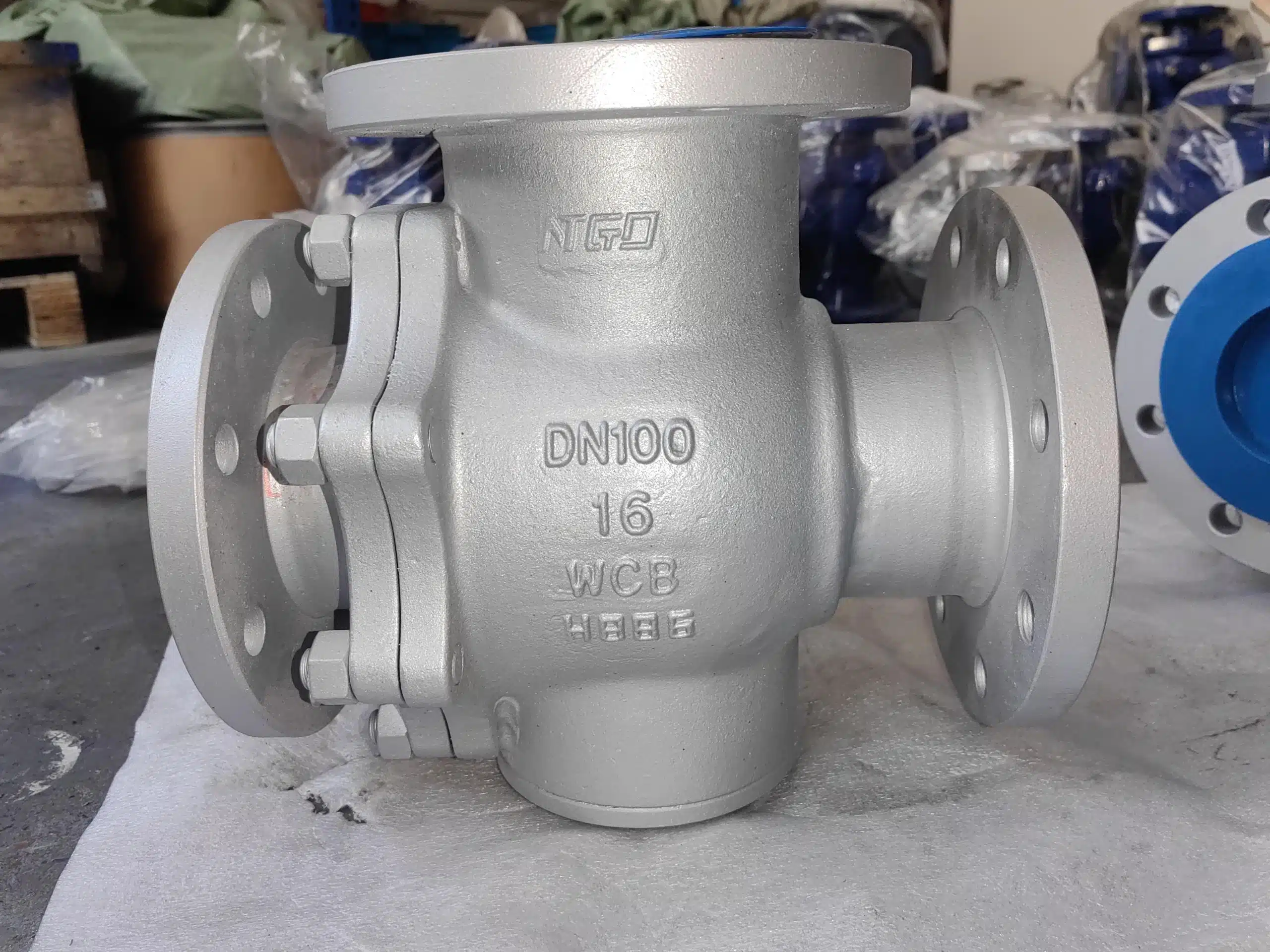
Multi-port ball valves are designed to handle complex flow patterns with ease. These valves feature multiple ports, typically three or four, allowing you to control the direction of fluid flow in various ways. Their versatility makes them ideal for diverting or mixing applications.
Key features of multi-port ball valves include:
- Versatile flow plans that allow for efficient mixing or diverting.
- A four-seat design that enables the valve to function as a shutoff valve with simple adjustments.
- Locking handles that provide secure operation at multiple angles, giving you precise control over flow direction.
- Non-trans flow designs that prevent product mixing during position changes.
The ability to customize flow paths makes these valves highly adaptable. Whether you need to direct flow between multiple outlets or mix fluids, multi-port ball valves offer a reliable solution.
Applications
Multi-port ball valves are commonly used in industries that require flexible flow-routing solutions. Their unique configurations, such as T-port and L-port designs, make them suitable for a wide range of applications.
Here are some common configurations and their uses:
- 3-Way T-Port: Allows flow in multiple directions simultaneously or directs flow between three different outlets.
- 3-Way L-Port: Directs flow between two outlets but does not allow simultaneous flow to all ports.
- 4-Way Valves: Offers versatile flow plans for diverting or mixing applications.
| Configuration Type | Description | Common Industries |
|---|---|---|
| 3-Way T-Port | Allows flow in multiple directions simultaneously or directs flow between three different outlets. | Water treatment, food and beverage processing, chemical distribution |
| 3-Way L-Port | Directs flow between two outlets but does not allow simultaneous flow to all ports. | Water treatment, food and beverage processing, chemical distribution |
| 4-Way | Offers versatile flow plans for diverting or mixing applications. | Water treatment, food and beverage processing, chemical distribution |
You will often find these valves in water treatment systems, food and beverage processing, and chemical distribution. Their ability to reduce the need for additional valves and fittings makes them a cost-effective choice. If your system requires efficient flow control with minimal components, multi-port ball valves are an excellent option.
Side Entry Ball Valve
Design and Functionality
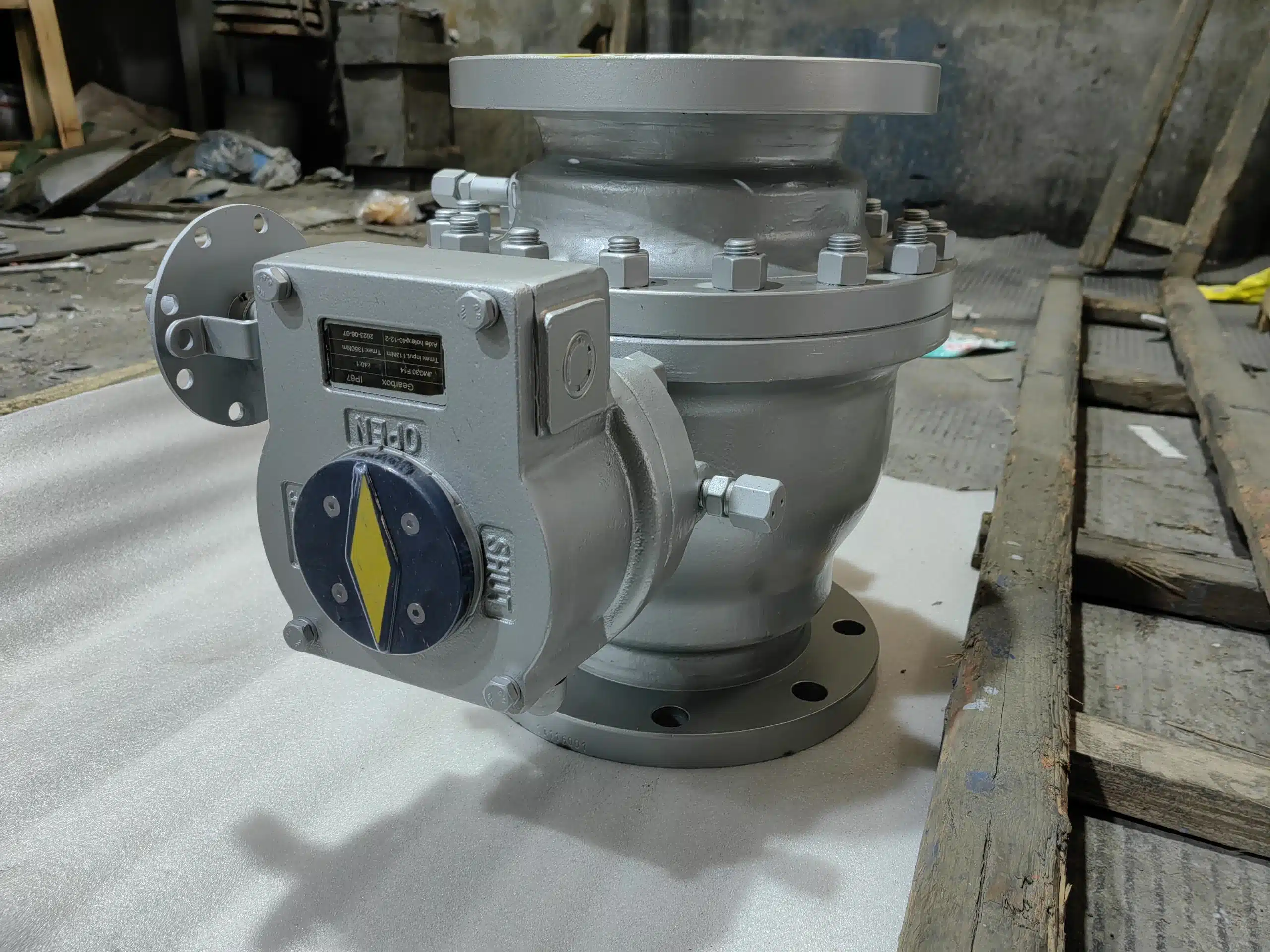
Side entry ball valves are a popular choice for industrial applications due to their compact horizontal design. These valves consist of three main components: the body, the ball, and the seats. The ball is housed within a horizontally split body, which allows for easy assembly and maintenance. This design makes side entry ball valves highly efficient and user-friendly.
Key features of side entry ball valves include:
- Durable seals and seats that ensure leak-tight performance under extreme conditions.
- Robust construction, making them suitable for larger pipeline systems.
- Excellent handling of high-pressure and high-temperature applications.
When compared to top entry ball valves, side entry valves offer several advantages:
| Feature | Side Entry Ball Valve | Top Entry Ball Valve |
|---|---|---|
| Design | Compact horizontal design | Typically larger and vertical |
| Installation | Easier installation due to horizontal layout | More complex installation |
| Material Versatility | Suitable for various materials | Limited material options |
| Pipeline Suitability | Ideal for larger pipeline systems | Often used in smaller systems |
These valves are particularly effective in demanding industries where reliability and durability are critical. Their ability to handle extreme conditions makes them a preferred choice for many engineers.
Applications
Side entry ball valves are widely used across industries due to their versatility and robust design. Their ability to handle high pressures and temperatures makes them indispensable in several sectors.
Here are some common applications:
- Oil and Gas: Control the flow of crude oil and natural gas in large pipeline systems.
- Petrochemical: Ensure leak-tight performance in high-pressure environments.
- Power Generation: Regulate the flow of steam and other high-temperature fluids.
- Water Treatment: Manage the flow of water in large-scale treatment plants.
These valves are also ideal for industries that require minimal downtime. Their horizontal design allows for quick installation and maintenance, reducing operational delays. If you need a valve that combines efficiency, durability, and ease of use, side entry ball valves are an excellent choice.
Top Entry Ball Valve
Design and Functionality
Top entry ball valves are designed with a single-piece body structure, allowing for easy access to internal components. This vertical alignment of parts ensures optimal flow and simplifies maintenance. Unlike side entry valves, which require disassembly from the pipeline, top entry valves enable inline servicing. This feature reduces downtime and enhances operational efficiency.
Key structural differences between top entry and side entry ball valves include:
| Feature | Top Entry Ball Valve | Side Entry Ball Valve |
|---|---|---|
| Assembly Method | Single-piece body design | Two-piece or three-piece body structure |
| Maintenance Accessibility | Easier internal maintenance without extensive disassembly | Requires removal from pipeline for servicing |
| Design Characteristics | Vertical alignment of internal components for optimal flow | Horizontal assembly through a side opening |
Top entry valves are often made from durable materials like stainless steel or carbon steel. These materials provide high resistance to corrosion and extreme conditions, making the valves suitable for demanding environments. The top bonnet design allows technicians to quickly access the ball and seats, facilitating efficient repairs or replacements.
Tip: If your system requires frequent inspections or servicing, top entry ball valves can save time and reduce operational disruptions.
Applications
You will find top entry ball valves in industries where ease of maintenance and reliability are critical. Their ability to handle high pressures and temperatures makes them suitable for a wide range of applications.
Here are some common uses:
- Oil and Gas: Manage the flow of crude oil and natural gas in pipelines.
- Chemical Processing: Control the movement of corrosive fluids in chemical plants.
- Power Generation: Regulate steam and other high-temperature fluids in energy systems.
- Water Treatment: Ensure efficient flow control in large-scale treatment facilities.
These valves are particularly advantageous in systems requiring frequent maintenance. Technicians can repair or replace internal components without removing the valve from the pipeline. This capability minimizes downtime and ensures smooth operations. If your system prioritizes operational efficiency and durability, top entry ball valves are an excellent choice.
DBB Valve
Design and Functionality
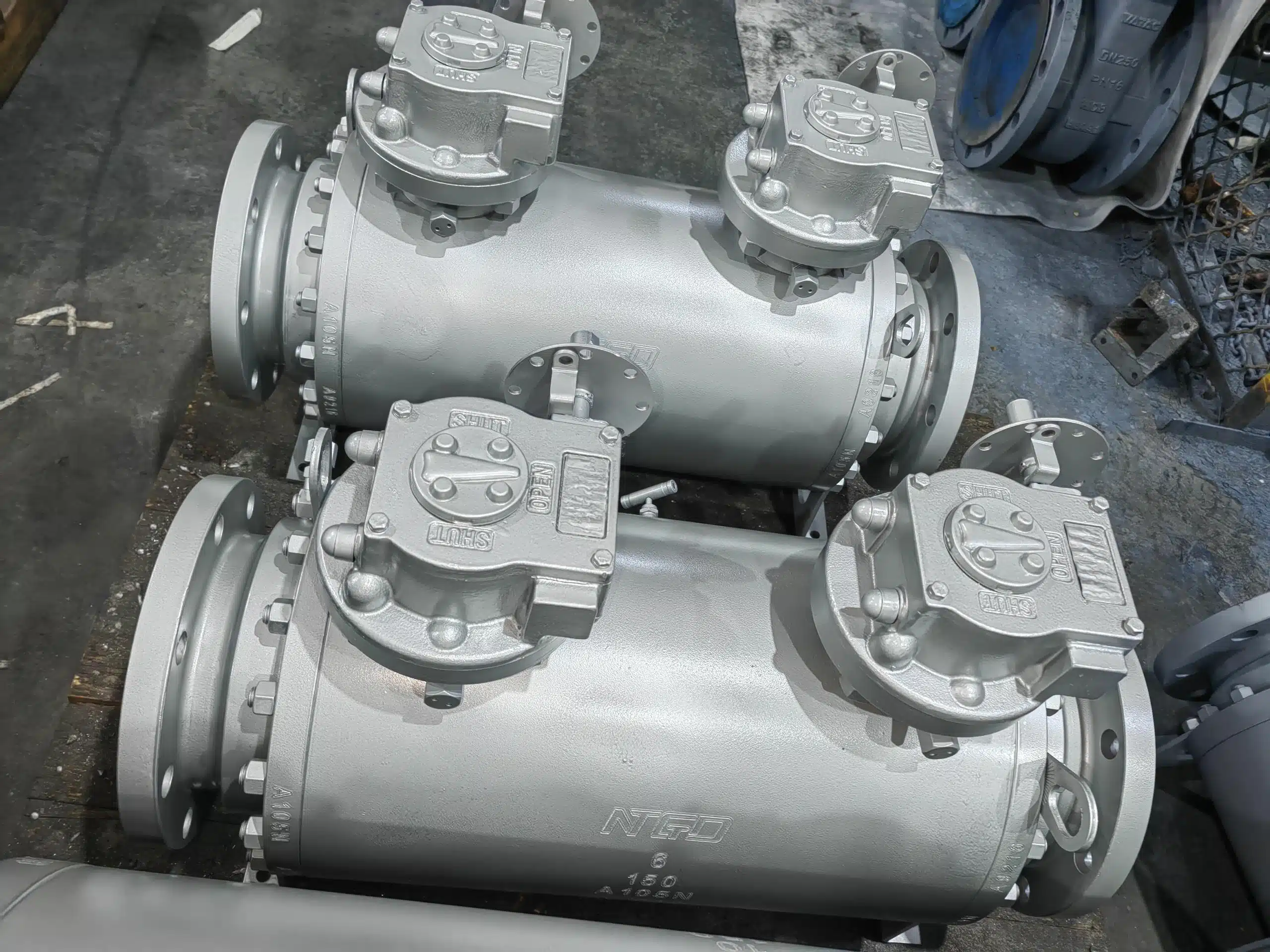
DBB valves, or Double Block and Bleed valves, are engineered for critical applications requiring secure isolation and venting. These valves feature two independent sealing mechanisms and a bleed port between them. This design ensures double isolation and allows for safe pressure release, making them ideal for high-risk environments.
Key features of DBB valves include:
| Feature | Description |
|---|---|
| Enhanced Safety | The double isolation feature significantly reduces the risk of accidental leaks or spills. |
| Increased System Reliability | Provides an extra layer of isolation, ensuring that if one seal fails, the backup seal maintains isolation. |
| Compliance and Regulation | Helps ensure compliance with stringent safety regulations in industries like oil and gas and pharmaceuticals. |
| Reduced Maintenance Downtime | Allows for efficient maintenance without shutting down entire systems, minimizing production losses. |
These valves also incorporate advanced safety features like dual sealing technology and anti-static components. Their ability to isolate pressurized systems while venting trapped pressure ensures safe maintenance and operation. If you work in a high-pressure or hazardous environment, DBB valves offer unmatched reliability and safety.
Tip: Always check for certifications like fugitive emissions compliance when selecting a DBB valve for critical applications.
Applications
DBB valves are indispensable in industries where safety and system integrity are paramount. You will often find them in sectors like oil and gas, chemical processing, power generation, and pharmaceuticals. These valves excel in isolating pressurized systems, protecting equipment, personnel, and the environment from leaks or failures.
Common applications include:
- Oil and Gas: Secure isolation of pipelines during maintenance or inspection.
- Chemical Processing: Prevent cross-contamination in systems handling hazardous chemicals.
- Power Generation: Regulate high-pressure steam and other critical fluids.
- Pharmaceuticals: Ensure compliance with stringent safety and hygiene standards.
When using DBB valves in high-risk environments, prioritize safety considerations:
- Use valves with dual sealing technology to minimize leakage risks.
- Ensure the valve includes anti-blowout and anti-static features for added protection.
- Look for designs that allow safe venting of pressure during maintenance.
These valves not only enhance safety but also reduce downtime by enabling maintenance without shutting down entire systems. If your operations demand secure isolation and efficient maintenance, DBB valves are an excellent choice among the various types of valves available.
Fully Welded Ball Valve
Design and Functionality
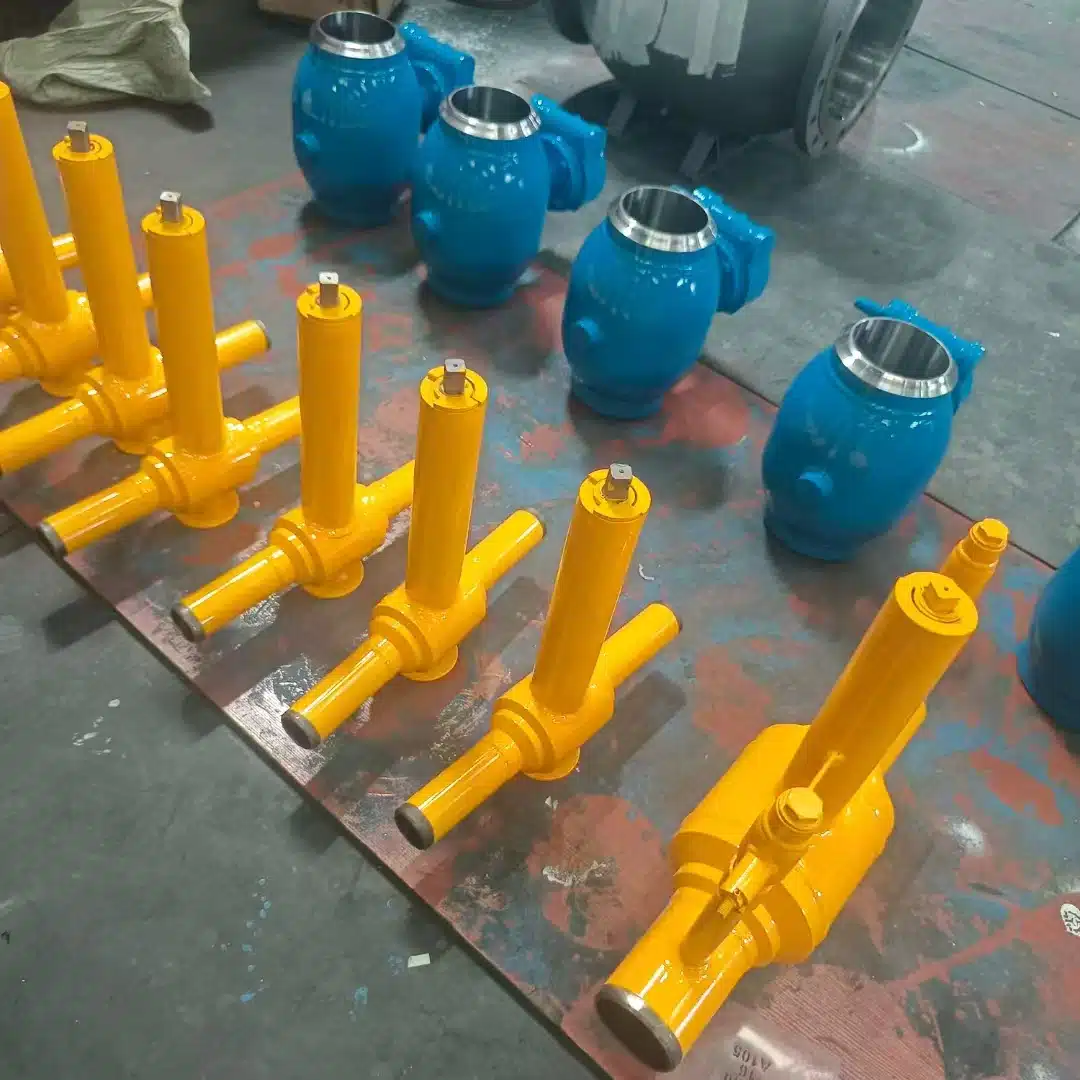
Fully welded ball valves are known for their robust construction and exceptional performance in demanding environments. These valves are crafted from a single piece of metal, which enhances their strength and eliminates external connections. This design reduces the risk of corrosion, making them ideal for harsh conditions such as underground installations or high-pressure systems.
Key characteristics of fully welded ball valves include:
- Durability: The single-piece construction ensures superior strength and reliability.
- Leak Prevention: Excellent sealing capabilities prevent leakage, even when handling hazardous substances.
- Corrosion Resistance: The absence of external joints minimizes exposure to corrosive elements.
- Low Maintenance: With fewer components, these valves require less upkeep, saving time and costs.
- Efficient Flow Control: A streamlined flow path reduces pressure drops, ensuring smooth operation.
These valves also excel in high-pressure and high-temperature applications. The welded construction eliminates potential leak paths, enhancing safety and reliability. However, regular cleaning and lubrication are essential to prevent dirt buildup and ensure smooth operation.
Tip: Fully welded ball valves are a cost-effective choice for systems requiring minimal maintenance and maximum durability.
Applications
You will find fully welded ball valves in industries where safety, durability, and efficiency are critical. Their ability to handle extreme conditions makes them suitable for a wide range of applications.
Here are some common uses:
- Oil and Gas: Control the flow of crude oil and natural gas in high-pressure pipelines.
- Chemical Processing: Safely manage hazardous substances in corrosive environments.
- Power Generation: Regulate steam and other high-temperature fluids in energy systems.
- Water Treatment: Ensure reliable flow control in large-scale treatment plants.
- Underground Installations: Provide secure and leak-proof solutions for buried pipelines.
These valves are particularly advantageous in systems where downtime is costly. Their rugged design ensures long-term performance with minimal maintenance. If your operations demand reliable flow control under extreme conditions, fully welded ball valves are an excellent choice among the various types of valves available.
Understanding the different types of ball valves and their applications is essential for optimizing system performance. Each valve type offers unique advantages, making it critical to match the valve to your specific needs. When making a valve selection, consider these key factors:
- Material Compatibility: Ensure the valve material suits the fluid, especially for corrosive or abrasive substances.
- Pressure and Temperature Ratings: Verify the valve can handle the system’s maximum pressure and temperature.
- Sizing: Match the valve to the pipe diameter and required flow rate to avoid inefficiencies.
- Maintenance Needs: Choose a valve that aligns with your long-term maintenance and lifecycle cost goals.
Avoid common mistakes like neglecting environmental factors or skipping pressure rating assessments. Consulting experts or manufacturers ensures your valve selection meets industry standards and system demands. Reliable sources like NTGD provide tailored advice for both simple and complex configurations. By prioritizing these considerations, you can enhance safety, efficiency, and durability in your operations.
Tip: Always plan for future system growth to avoid premature valve replacements.
