
Selecting the right ball valve is crucial for ensuring your system operates efficiently and safely. The right valve enhances performance and reduces repair costs. By selecting the right ball valve size, you can prevent issues and avoid system breakdowns. Conversely, choosing the wrong valve can lead to costly repairs and delays. Regular maintenance of valves is essential for extending their lifespan. This highlights the importance of making informed decisions. NTGD offers a wide range of options to help you select the right ball valve. Their valves are dependable and designed for long-lasting performance.
Key Takeaways
- Pick a valve size that fits your pipe and flow. This stops problems and expensive fixes.
- Choose valve materials based on the fluid type. Use stainless steel for harmful fluids and PVC for clean ones.
- Make sure the valve handles the right pressure and heat. Check safety rules to avoid damage.
- Pick manual or automated valves depending on your system. Automated valves make things safer and work better.
- Take care of valves to make them last longer. Simple designs are easier to fix and save money.
Key Factors to Select the Right Ball Valve
Valve Size and Flow Requirements
Matching valve size to pipe diameter and flow rate
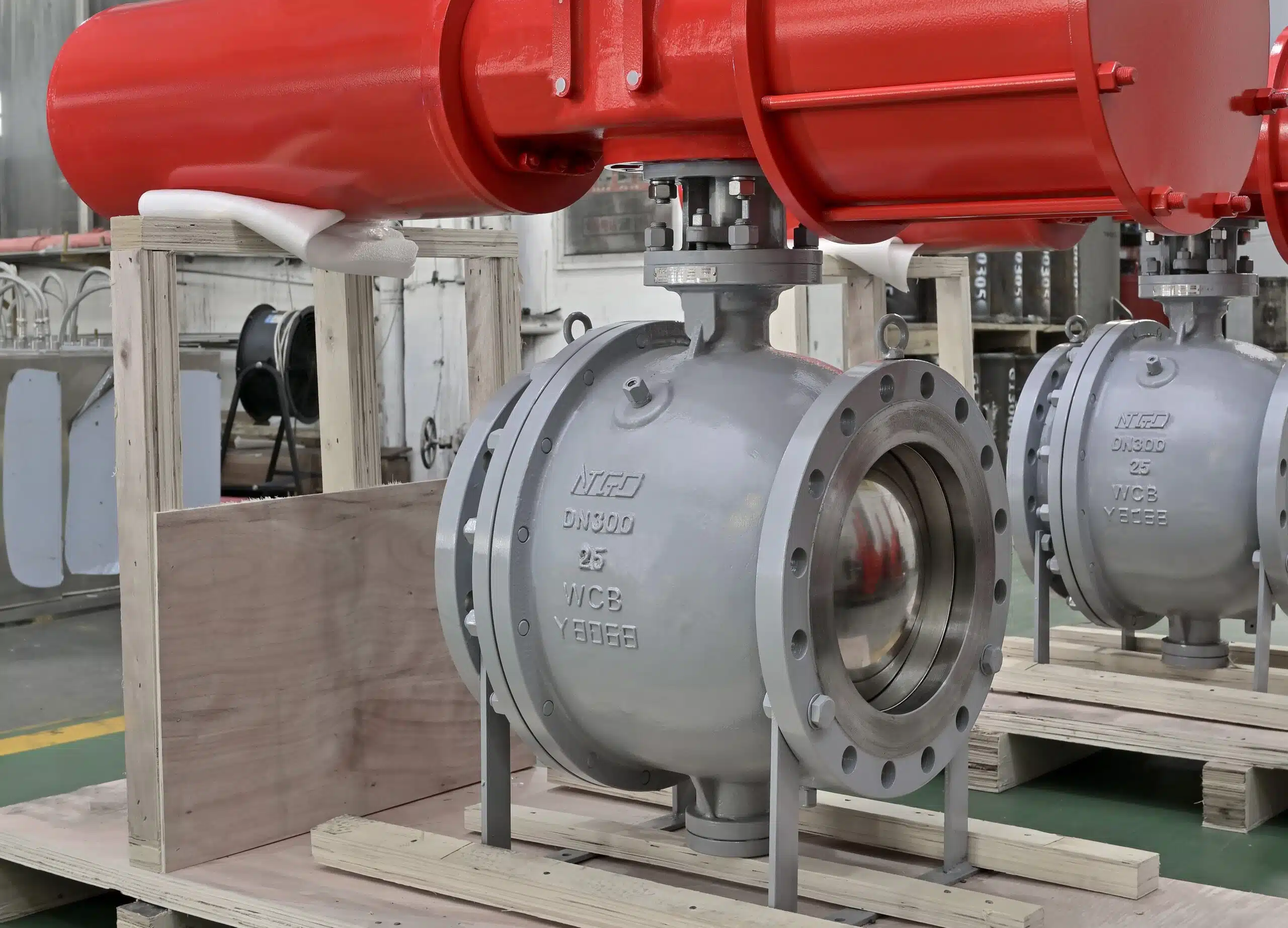
Picking the right valve size keeps your system running smoothly. The valve must fit the pipe size for steady flow. Small valves (under 1/2 inch) are great for low-flow tasks. Medium valves (1/2 inch to 2 inches) work for many uses. Large valves (over 2 inches) handle high flow in industries like oil and gas.
To choose the right size, check flow rate and pressure drop. A wrong size can cause problems or system breakdowns. NTGD offers many ball valves to meet these needs, helping you find the best one.
Understanding the impact of pressure drop on system performance
Pressure drop happens when fluid moves through a valve, lowering efficiency. Bigger openings in valves reduce this drop for better performance. For gases, valve shape and design are very important. Picking the right valve size and type saves energy and keeps the system working well.
Material Compatibility
Selecting materials based on media type
The material inside your system decides the valve material. Corrosive fluids need stainless steel or special coatings like fluoropolymer. Rough fluids may need ceramic linings to last longer. For clean fluids, cheaper options like PVC or brass are good choices.
Common ball valve materials and their applications
Stainless steel works best in harsh environments, while brass is good for low-pressure systems. PVC valves are light and resist chemicals, making them great for water systems. NTGD offers many materials to help you pick the right valve.
Pressure and Temperature Ratings
Ensuring the valve meets operational pressure and temperature conditions
Valves must handle the pressure and heat of their environment. Rules like ANSI and ISO set pressure limits. For example, ANSI Class 150 valves can take up to 285 psi at 100°F. Always check these limits to avoid valve damage.
Importance of industry standards and certifications
Industry rules ensure safety and good performance. Certifications like API 6D prove reliability in pipelines. NTGD’s ball valves meet these rules, helping you pick the right valve for your system.
Application-Specific Needs
Knowing the valve’s job (e.g., on/off or flow control)
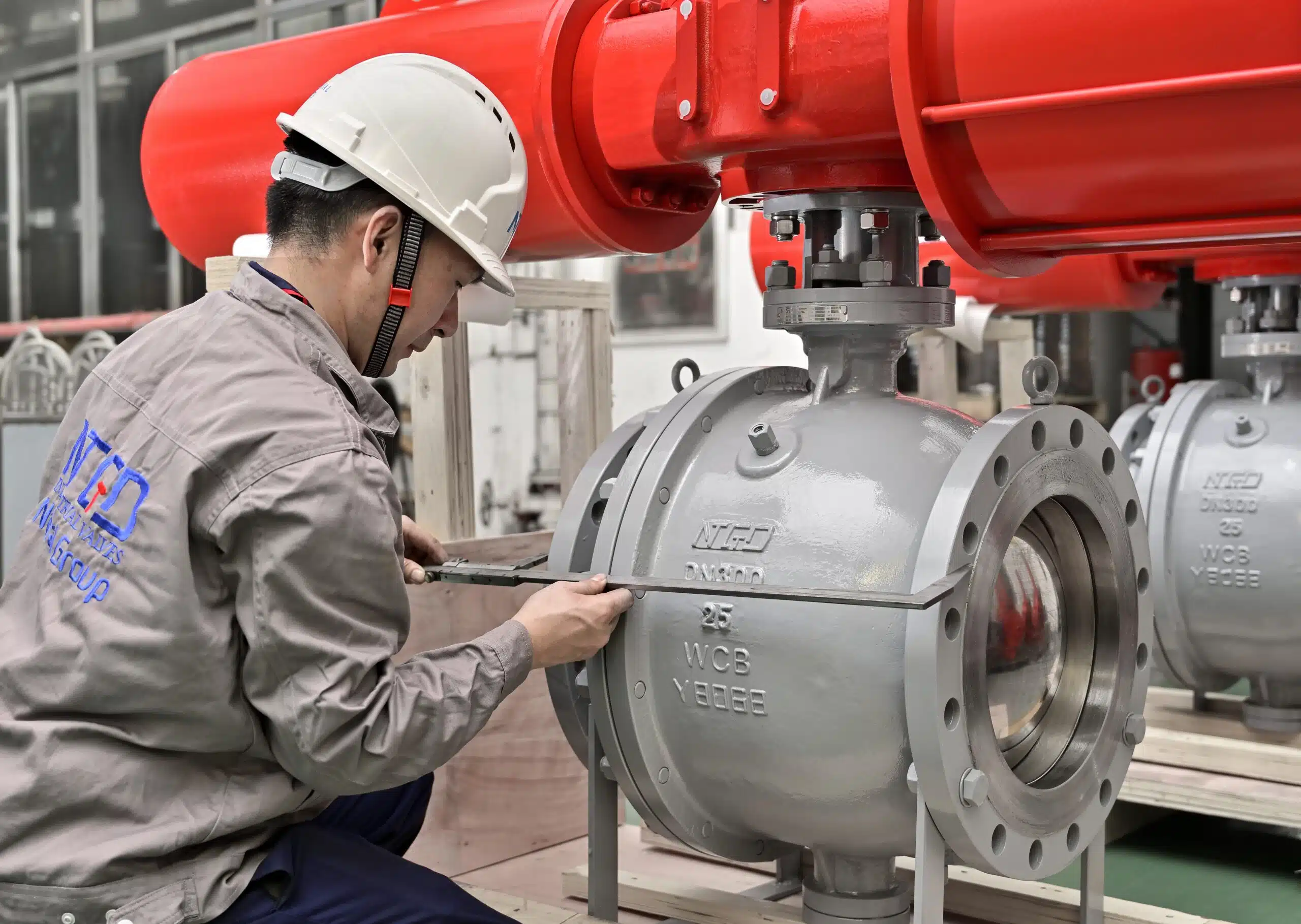
It’s important to know what the valve will do. Ball valves are flexible but designed for specific tasks. For turning flow on or off, a regular ball valve works great. These valves seal tightly and are quick to use. They are perfect for water systems or gas lines. If you need to control flow speed, a ball valve might not be ideal. Controlling flow can wear out the valve parts faster. Use special valves made for this purpose instead.
Thinking about the type of material (e.g., gas, liquid, slurry)
The material moving through the valve affects how it works. Gases need valves that seal tightly to stop leaks. Liquids, especially harmful ones, need strong materials like stainless steel or PTFE. Slurries, which have solid bits, need tough valves to avoid clogs or damage.
| Application Type | Key Points |
|---|---|
| General Industry | Regular ball valves work for water, air, or thin liquids. |
| Chemical and Corrosive Fluids | Needs strong materials like stainless steel or PTFE to last longer. |
| High-Temperature Applications | Valves must handle heat, often using materials like Monel. |
Studies show how important it is to match valves to their jobs. For example, CPVC ball valves are great for low-pressure uses but need careful design to stop leaks. NTGD has many ball valves to fit different needs.
Operational Considerations
Choosing manual or automated operation
Decide if you need manual or automated valves. Manual valves are cheaper and simple to use. They work well for small systems or rare use. Automated valves use machines to open and close remotely. These are better for big systems or dangerous places where manual use isn’t safe. NTGD offers both types, so you can pick what works best.
Easy maintenance and repairs
Taking care of valves helps them last longer. Simple valve designs are easier to fix, saving time and money. For example, two-piece or three-piece valves let you replace parts without removing the whole valve. Regular checks and cleaning stop problems like rust or wear. NTGD’s valves are built for easy care and long use.
Step-by-Step Process to Select the Right Ball Valve
Assessing System Requirements
Using the STAMPED method (Size, Temperature, Application, Media, Pressure, Ends)
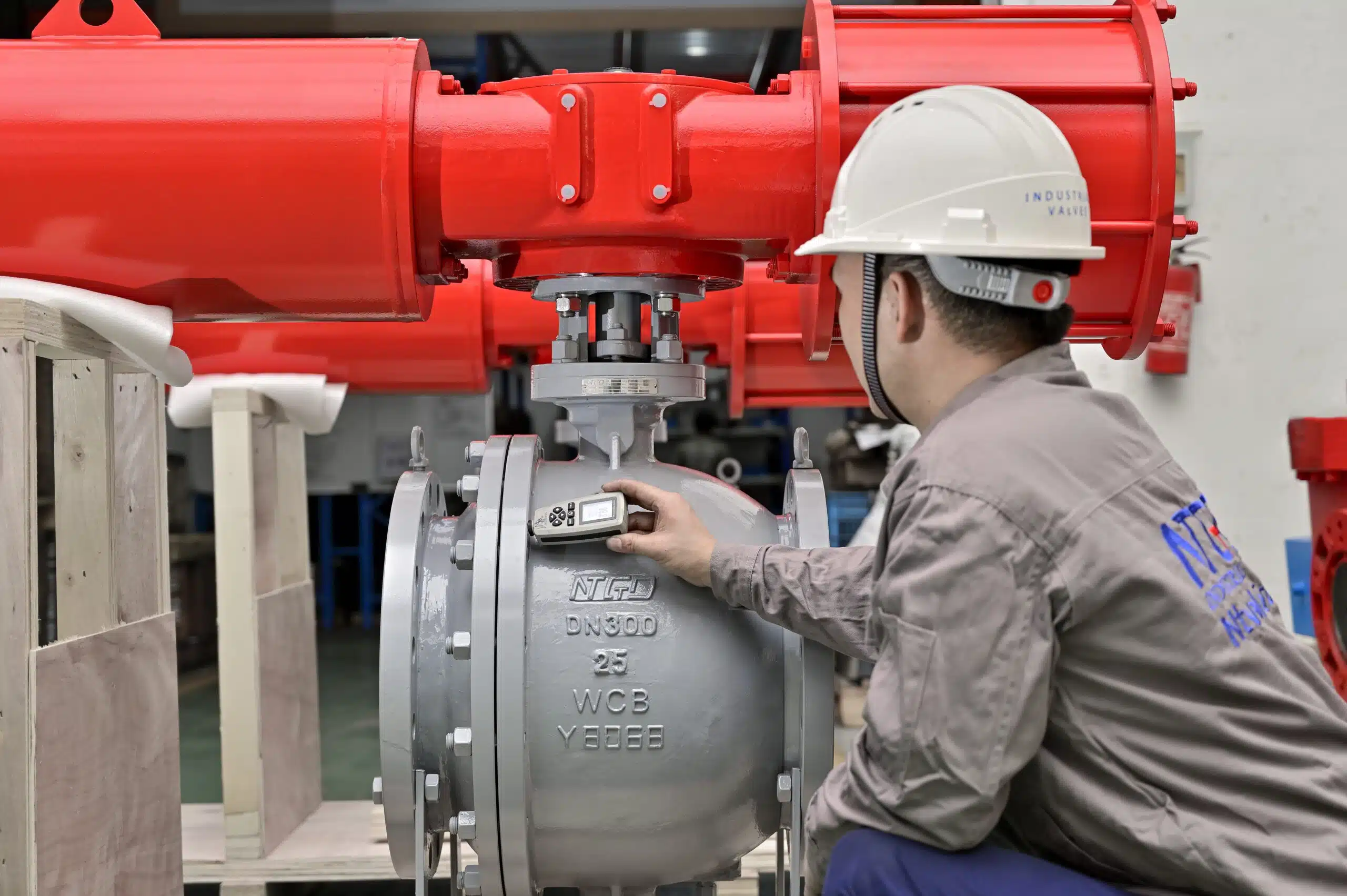
The STAMPED method helps you pick the right valve easily. First, check the Size to match the pipe and flow needs. Look at the flow coefficient (Cv) for guidance. For example, a Cv of 10 means 10 gallons per minute with 1 psi drop at 60°F. Next, think about Temperature and pick materials that handle the heat or cold. For Application, decide if the valve will control flow or just turn it on and off. The Media type, like gas, liquid, or slurry, affects material choice. Check the Pressure the valve will face to ensure it works safely. Lastly, choose the right Ends, like threaded or flanged, for easy installation.
Calculating flow rate, pressure drop, and pipe diameter
Good calculations help you pick the best valve. Follow these steps:
- Find the flow rate in gallons or liters per minute.
- Measure the pressure drop from friction or pipe changes.
- Check the pipe diameter to ensure the valve fits well.
For example, if your system needs 50 GPM with low pressure drop, a full-port valve is a good choice. NTGD offers tools to help with these calculations.
Evaluating Valve Features
Choosing between full port and reduced port designs
Full-port valves have openings the same size as the pipe. These allow smooth flow and work well for high-efficiency systems. Reduced-port valves have smaller openings, which slow flow but cost less. They are compact but not ideal for high-flow systems.
Considering sealing mechanisms and leak prevention
Seals stop leaks and keep systems safe. Soft seals, like PTFE, are great for low-pressure systems. Metal seals work better for high heat and pressure. NTGD has valves with advanced seals to prevent leaks and ensure safety.
Testing and Validation
Conducting pressure and leak tests
Testing checks if the valve can handle your system’s needs. For example, Class 150 valves hold up to 285 psi at 100°F. Class 600 valves can take up to 1,480 psi. Leak tests check for leaks under specific conditions, like 26 kg/cm² pressure for four hours at 82°C.
Ensuring the valve meets performance expectations
After installing, test the valve to see if it works well. Check flow rates and pressure drops to confirm it meets your system’s goals. NTGD’s valves are tested to ensure they are reliable and last long.
Types of Ball Valves and Their Applications
Floating Ball Valves
Benefits and common uses for low- to medium-pressure systems
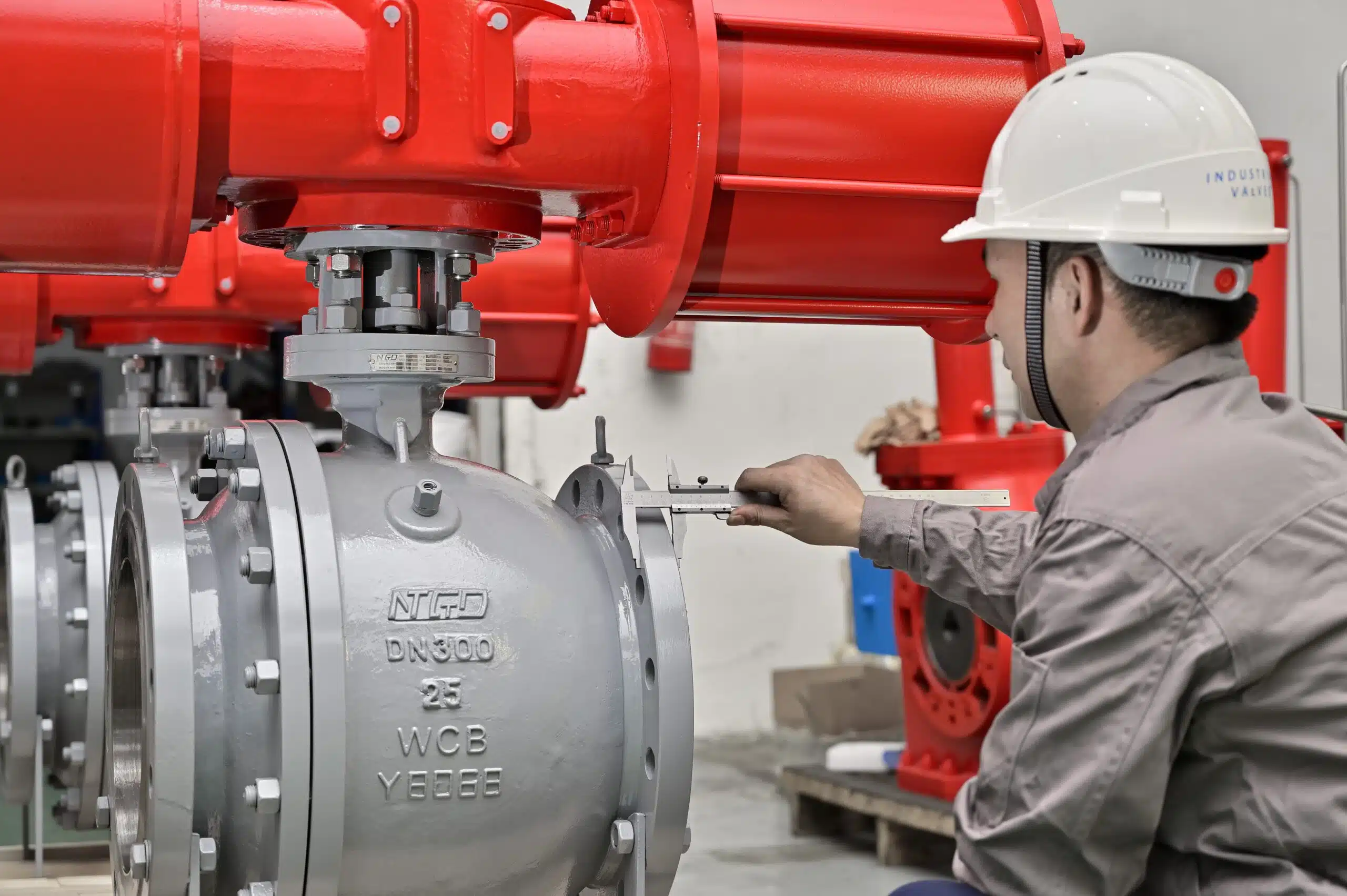
Floating ball valves are useful for low- to medium-pressure tasks. They have a ball that “floats” inside the valve body. When pressure pushes the ball, it seals tightly against the seat. This design stops leaks, making it great for water treatment and chemical systems.
Main benefits include:
- Leak-tight seals: Stop fluid loss and keep systems efficient.
- Quick operation: Open and close fast, saving time.
- Durability: Lasts long even with regular use.
| Performance Feature | Description |
|---|---|
| Leak-tight seals | Stops leaks in low- to medium-pressure systems. |
| Quick operation | Opens and closes quickly for better efficiency. |
| Durability | Stronger than many other valves, lasting longer. |
NTGD makes floating ball valves that are reliable and efficient. They help you pick the best valve for your needs.
Drawbacks and things to consider
Floating ball valves work well but have limits. They don’t perform as well in high-pressure systems. High pressure can deform the seat, causing problems. Larger sizes also need more force to operate. Always check your system’s pressure and flow before choosing this valve.
Trunnion-Mounted Ball Valves
Advantages for high-pressure systems
Trunnion-mounted ball valves are made for high-pressure jobs. Unlike floating valves, their ball is fixed and supported by trunnions. This design lowers the force needed to operate them. It also seals both sides of the valve, even under high pressure.
| Feature | Trunnion-Mounted Ball Valve | Floating Ball Valve |
|---|---|---|
| Sealing | Seals on both sides | Seals on one side only |
| Torque Requirement | Needs less force | Needs more force |
| Movement | Fixed ball | Ball moves slightly |
| Ideal for High Pressure | Yes | No |
These valves are used in industries like oil, gas, and power plants. NTGD’s trunnion-mounted valves are strong and reliable for tough jobs.
Common industries and uses
Trunnion-mounted valves are key for high-pressure tasks. They are vital in oil and gas work, where safety matters most. They also handle tough conditions in petrochemical plants and big industrial systems.
Multi-Port Ball Valves
Uses for controlling flow direction
Multi-port ball valves are made for systems needing flow control. They have three or more ports to mix, divert, or block media. These valves are perfect for HVAC systems and chemical mixing tasks.
Main benefits include:
- Mix different types of media easily.
- Fast operation, like two-way valves.
- Smooth rotation for steady flow.
Advantages and disadvantages of multi-port designs
Multi-port valves are flexible but have downsides.
| Pros | Cons |
|---|---|
| Fast operation like 2-way valves | Cost more than 2-way valves |
| Can mix different media types | Can’t fully stop the flow |
| Can divert flow directions | Harder to repair |
These valves aren’t good for precise control at high pressures. They may wear out faster in high-flow systems. NTGD offers durable multi-port valves for various industrial needs.
Specialty Ball Valves
Cryogenic Ball Valves for Low-Temperature Applications
Cryogenic ball valves are used for very cold temperatures. They are common in industries like LNG and aerospace. These valves work well in temperatures as low as -423°F. They help control cryogenic liquids like liquid nitrogen or oxygen. Their design stops leaks and keeps systems safe, even in tough conditions.
Key features of cryogenic ball valves:
- Free-floating or trunnion-mounted designs to stop liquid or gas flow.
- Stainless steel components for strength in harsh environments.
- Teflon packing to prevent leaks up to 400°F during changes.
When picking a cryogenic valve, check its temperature range and flow rate. For example, NTGD’s cryogenic valves have a Cv of 83-100 gallons per minute. This ensures smooth flow control. These valves meet safety standards, making them great for critical uses.
| Capability | Specification |
|---|---|
| Temperature Range | Down to -423°F |
| Flow Coefficient (Cv) | 83-100 gal/minute H2O |
| Design Considerations | Human rating requirements |
High-Pressure Ball Valves for Extreme Conditions
High-pressure ball valves handle very high pressures. They are used in industries like oil, gas, and power plants. These valves can manage pressures up to 500 psig. This ensures safe and smooth operation in tough environments.
These valves are made with strong metal parts, like stainless steel. Their two-way design allows full shut-off with a quick 1/4 turn. This makes them easy to use. NTGD’s high-pressure valves meet strict safety rules, ensuring they work well in critical systems.
Benefits of high-pressure ball valves:
- Durability: Handles high pressure without damage.
- Leak Prevention: Special seals stop any fluid from escaping.
- Ease of Use: Simple to operate, saving time during repairs.
Choosing NTGD’s specialty valves ensures your system works safely and efficiently, even in tough conditions.
Additional Considerations for Selecting the Right Ball Valve
Environmental Conditions
Considering outdoor or harsh environments
When choosing a ball valve for tough conditions, think about its durability. Valves in wet, dusty, or corrosive areas need strong protection. Check for IP or NEMA ratings to ensure safety. For example, an IP67 valve resists dust and water immersion. This makes it great for outdoor use. NTGD offers valves built to handle these challenges.
Picking coatings for longer life
The valve’s material and coating affect how long it lasts. Corrosion-resistant materials like 316 stainless steel or PTFE are best for harsh chemicals. Strong seals and seats are also important. Metal seats or fluoropolymer seals work well with rough or corrosive fluids. NTGD provides treated valves for these specific needs.
Automation and Control
Adding actuators for automatic use
Automating valves makes systems safer and more efficient. Electric actuators give precise control and connect to digital systems like Modbus. This allows remote monitoring and advanced diagnostics. Pneumatic actuators act fast and are great for quick operations. NTGD’s automated valves support both types of actuators for your system.
Matching control systems (electric or pneumatic)
Modern valves must fit your control system. Electric actuators are easy to install and don’t need air. Pneumatic actuators are better for fast-moving systems. Automated valves reduce mistakes and improve safety by reacting quickly. NTGD’s valves work with many control systems for flexibility and reliability.
Maintenance and Longevity
Making maintenance simple
Easy maintenance keeps valves working well for a long time. Three-piece valves let you replace parts without removing the whole valve. Regular cleaning and checks stop rust and wear. NTGD’s valves are made for easy care and long-lasting use.
Thinking about total costs
The total cost includes buying, maintaining, and how long the valve lasts. Regular care, like cleaning and checking, avoids expensive repairs. High-quality valves, like NTGD’s, save money over time. This ensures your system runs efficiently and reliably.
Picking the right ball valve keeps systems safe, efficient, and cost-friendly. Things like size, material, and how it works are important. The valve must handle your system’s highest pressure and heat to work well.
Key points to think about:
- Valve Size: Match pipe size and flow needs to narrow choices.
- Material Selection: Use materials that won’t rust with the fluid.
- Operating Mode: Choose manual or automatic based on system use.
Smart choices make systems better, cut repair costs, and boost safety. NTGD has many strong options to help you find the best ball valve for your job.
