
Cryogenic ball valves offer significant benefits in the LNG industry. They play a crucial role in maintaining safe and efficient operations under challenging conditions. Designed to perform effectively even in freezing temperatures, these valves are user-friendly as they require minimal force to operate. Their tight seal prevents leaks, even under high pressure. In 2023, the global market for the benefits of cryogenic ball valves was valued at $1.5 billion, with expectations to grow to $2.8 billion by 2032. This trend indicates an increasing demand for these robust and reliable valves.
Key Takeaways
- Cryogenic ball valves help control LNG flow in very cold conditions. They stop leaks even when pressure is high.
- These valves are made from tough materials like stainless steel. This makes them strong and keeps them from rusting in bad weather.
- Long bonnets and tight seals stop ice from forming. They also make sure the valves work well and stay reliable.
- Cryogenic ball valves save energy and lower costs. They reduce turbulence and need less fixing over time.
- These ball valves follow strict safety rules to keep LNG operations safe. They protect workers and equipment from harm.
What Are Cryogenic Ball Valves?
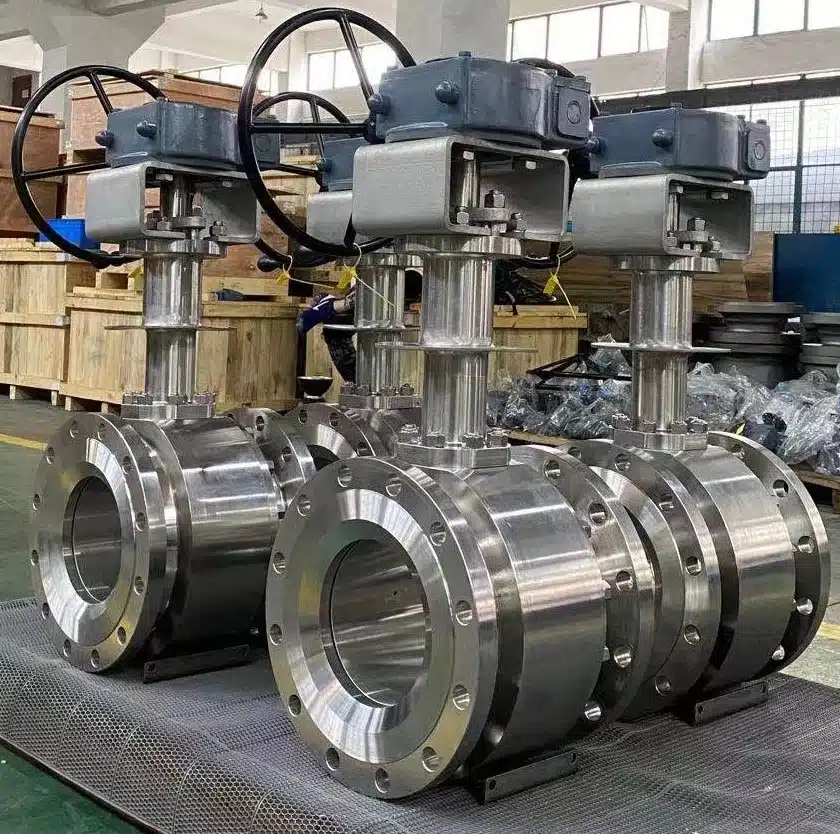
Definition and Purpose
Cryogenic ball valves help control the flow of LNG and other very cold liquids. They are made to work well in extreme cold, even as low as -196°C (-320°F). Their main job is to keep LNG systems safe by stopping leaks and controlling flow.
- Cryogenic ball valves are important for:
- Managing LNG flow in pipes.
- Helping in emergency shutdowns.
- Closing off parts of pipes for repairs.
- Controlling pressure and flow in LNG systems.
These valves are vital because they work well under high pressure and freezing temperatures.
Key Features and Materials
Cryogenic ball valves are built with strong materials to handle tough conditions. Metals like stainless steel and nickel alloys are used because they resist rust and stay strong in the cold. Seals made from PTFE or special rubbers stay flexible and resist chemicals even in freezing temperatures.
Important features include:
- Extended bonnets: Keep the stem and packing away from cold fluids to stop ice.
- Tight shut-off capabilities: Prevent leaks, even under high pressure.
- Low operating torque: Make them easy to use in harsh conditions.
Rules like ASME 16.34 and ISO 21011 guide how these valves are made and tested. Tests include checking for leaks, pressure strength, and overall safety as per ISO 5208.
Differences from Standard Ball Valves
Cryogenic ball valves are much better than regular ball valves for cold and high-pressure uses. Regular valves work in normal conditions, but cryogenic ones are made for freezing temperatures. They go through strict tests to ensure they are safe and long-lasting.
Main differences include:
- Material selection: Cryogenic valves use special metals and seals for cold.
- Design enhancements: Features like extended bonnets stop ice and improve reliability.
- Performance metrics: They need less force to operate and prevent leaks, which is crucial for LNG systems.
These differences make cryogenic ball valves a must-have for safe and efficient LNG operations.
How Cryogenic Ball Valves Work in LNG Applications
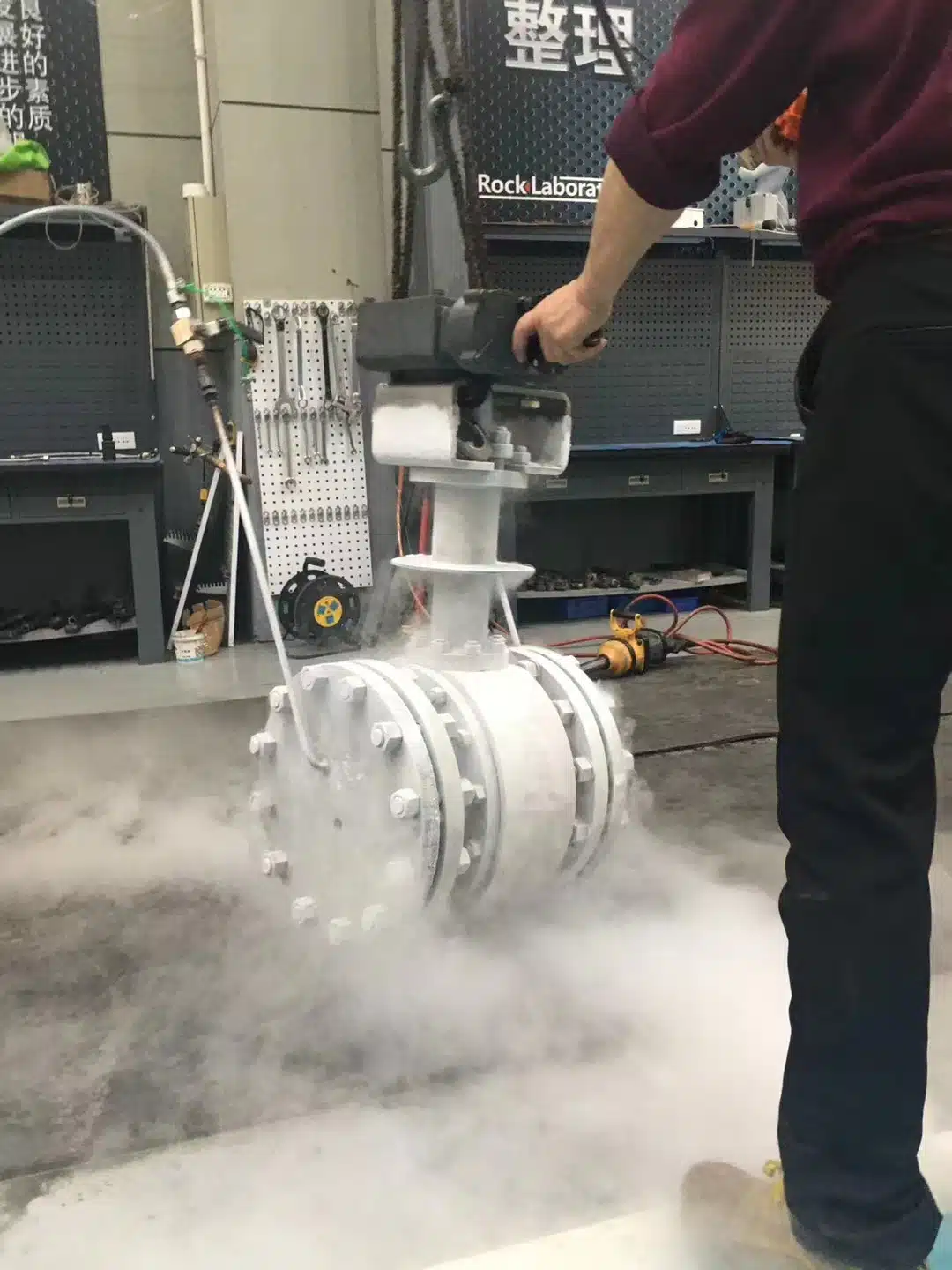
Operating Principles in Cryogenic Conditions
Cryogenic ball valves work well in very cold environments. They are tested to ensure they handle freezing temperatures and high pressure. Engineers design them to need little force to operate. This makes them easy to use in icy conditions. Their tight seals stop leaks, keeping LNG systems safe. Features like long bonnets and stem extensions stop ice from forming inside. Strong metals and special seals make them durable and able to handle temperature changes.
Design Features for Leak Prevention
Cryogenic ball valves have special designs to stop leaks. They follow strict rules like ISO 17292 and ASME 16.34. These rules set limits for wall thickness and pressure. Long stems keep the packing warm, stopping leaks from cold shrinking. ISO 21011 also bans spaces inside the valve to avoid trapped liquid pressure. The table below shows key features and how they prevent leaks:
| Design Feature/Standard | Description |
|---|---|
| Temperature Range | Works safely from freezing to 65℃. |
| Pressure Spectrum | Handles specific pressure levels. |
| Minimum Wall Thickness | Meets ISO and ASME rules. |
| Valve Stem Length | Long stems keep packing at safe temperatures. |
| Cavity Prevention | Stops trapped liquid from causing pressure. |
These features help cryogenic ball valves stay sealed, even in tough conditions.
Flow Control and Efficiency
Cryogenic ball valves control flow accurately, which is important for LNG. Their design reduces turbulence and keeps pressure steady. The smooth ball surface helps control how much liquid flows through. This design saves energy and lowers costs over time. By working well in freezing temperatures, these valves make LNG systems reliable and efficient.
Key Benefits of Cryogenic Ball Valves in LNG Industries
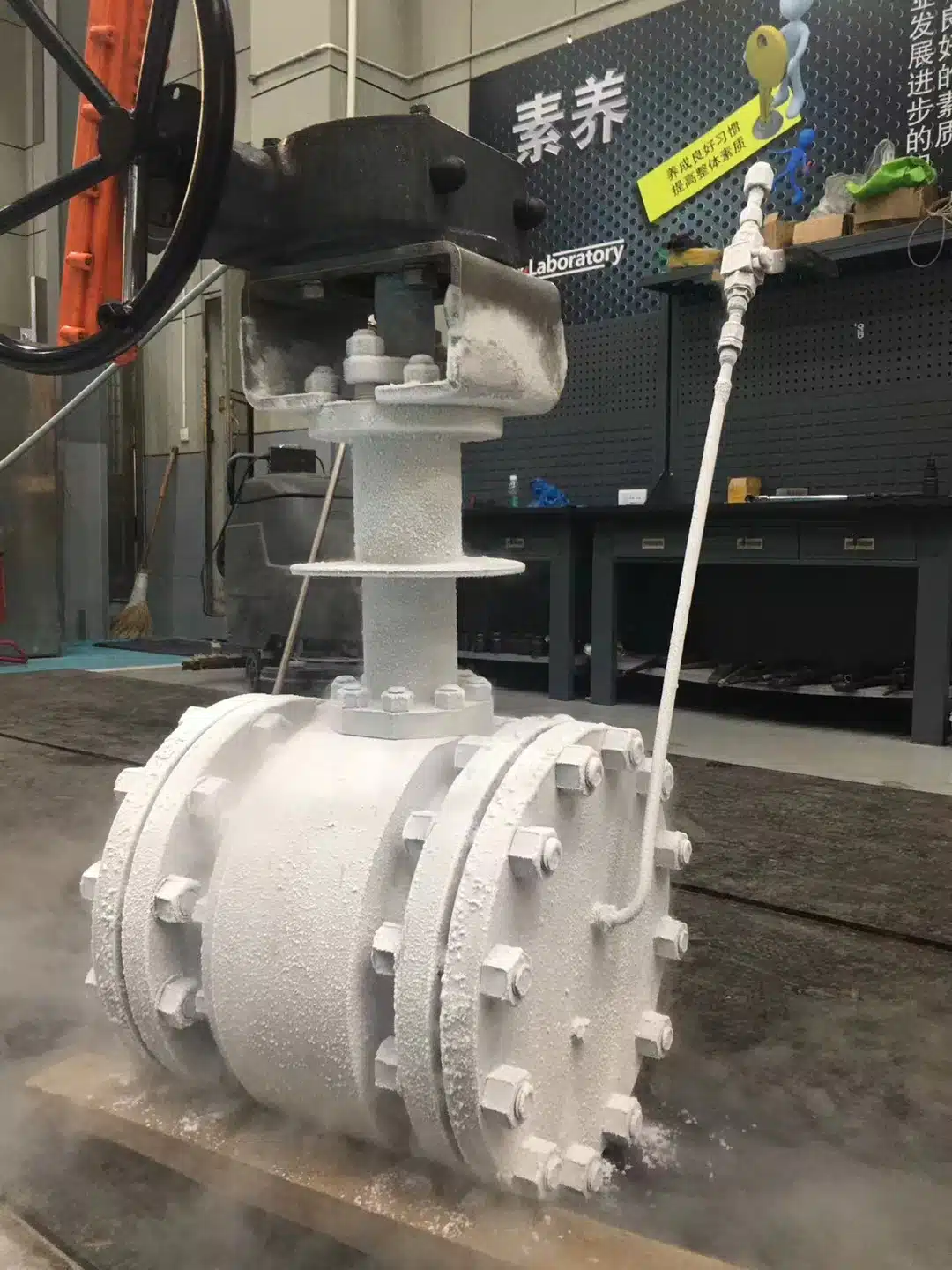
Strong Performance in Harsh Conditions
Cryogenic ball valves are tough and work well in hard conditions. They go through strict tests to meet industry rules. Makers test them in freezing cold and high pressure to find weak spots. This helps improve their design and how they work.
Using strong materials like stainless steel and nickel alloys makes them last longer. These materials don’t rust and stay strong in freezing weather. Features like long bonnets and special seals stop ice from forming. This makes the valves more reliable. By handling tough LNG conditions, these valves need less fixing and last longer.
Better Safety and Dependability
Safety is very important in LNG work, and these valves help a lot. They close tightly to stop leaks, even under high pressure. This lowers the chance of dangerous spills. Long stems keep the valve parts warm, so they don’t freeze and break.
Cryogenic ball valves follow safety rules like ISO 21011 and ASME 16.34. These rules make sure the valves are tested for leaks and strength. By following these rules, makers ensure the valves work well in important jobs. This makes the whole system safer for workers and equipment.
Saves Energy and Cuts Costs
Cryogenic ball valves control flow well, saving energy in LNG systems. Their smooth insides lower turbulence and keep pressure steady. This uses less energy and saves money over time.
These valves last long, so they don’t need fixing or replacing often. This means less downtime and lower repair costs. They work well in freezing conditions, helping LNG plants run smoothly. This saves money while keeping safety and the environment in mind.
Applications of Cryogenic Ball Valves in LNG Industries
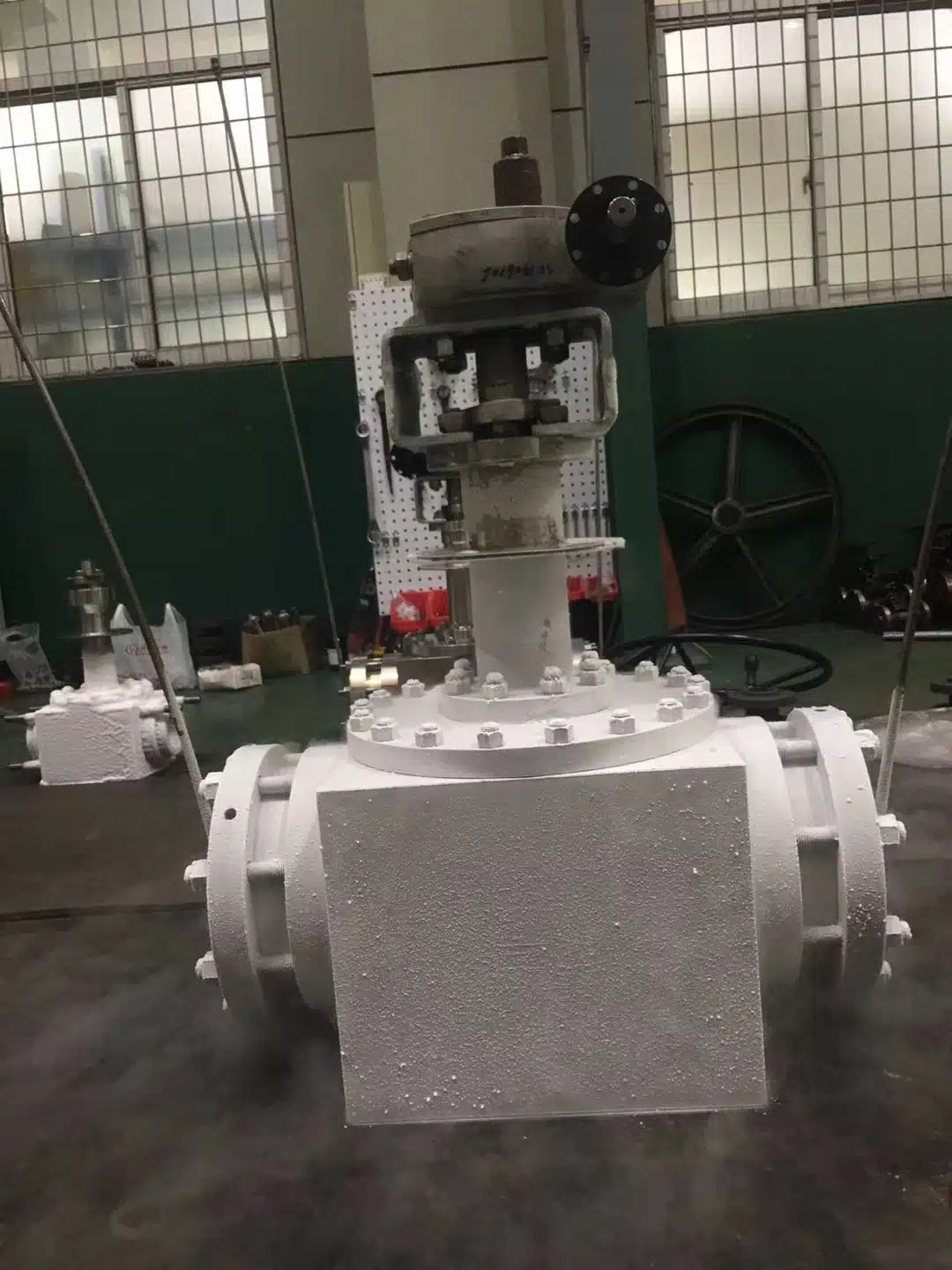
LNG Production Facilities
Cryogenic ball valves are very important in LNG production. They help control the flow of super-cold liquids during production steps. These valves can handle temperatures as low as -196°C. This ensures the production process stays safe and smooth.
Special features like long bonnets and strong seals stop ice. Ice can cause problems, but these valves prevent it. They also shut off tightly, reducing leaks and improving safety. This reliability keeps LNG plants running without delays and meets energy needs worldwide.
Storage and Transportation Systems
Cryogenic ball valves are key for storing and moving LNG. Storage tanks and transport systems need to stay secure at freezing temperatures. These valves keep LNG safely contained, even when pressure changes.
They are easy to use because they need little force to operate. Their tight seals stop leaks, making them perfect for transport systems. Whether in pipelines or ships, these valves help move LNG safely over long distances. This makes the global LNG supply chain more reliable.
LNG Terminals and Distribution
At LNG terminals, cryogenic ball valves control the flow of LNG. They move LNG from storage tanks to pipelines for delivery. These valves work well under extreme cold and high pressure, making them essential for terminal operations.
They also improve safety during loading and unloading. Their strong design prevents leaks, protecting workers and equipment. By managing flow efficiently, these valves help terminals meet delivery schedules and run smoothly.
Cryogenic ball valves are very important in the LNG industry. They keep systems safe and working well in freezing conditions. These valves are strong and stop leaks, making them reliable. They also help reduce downtime and improve system performance. Using good cryogenic ball valves saves money over time. Their strength and efficiency make them essential for the growing LNG industry.
