
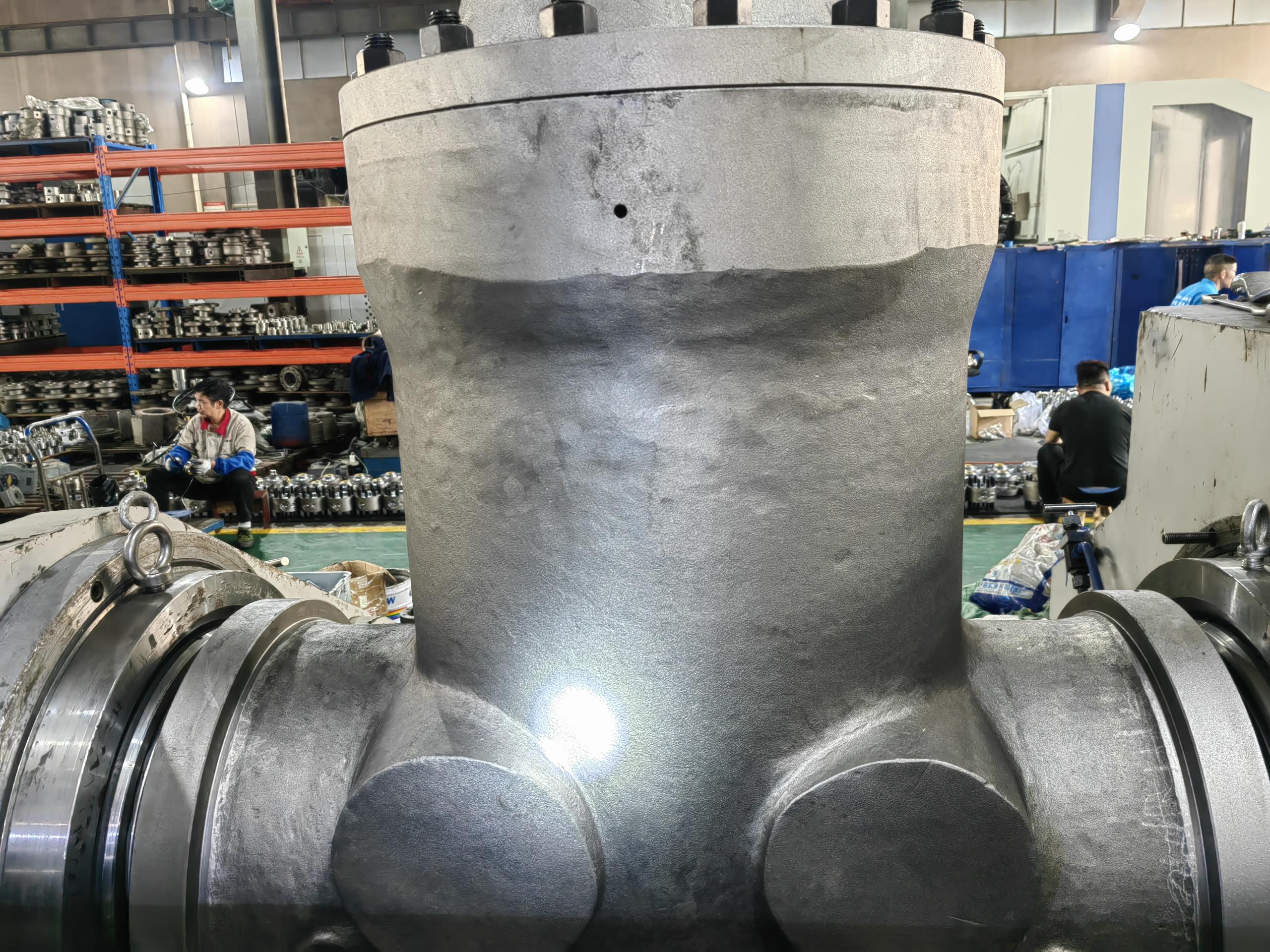
Figure: Through-conduit high-pressure gate valve
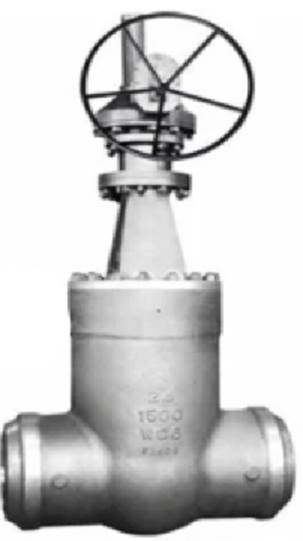
Figure: High-pressure wedge gate valve.
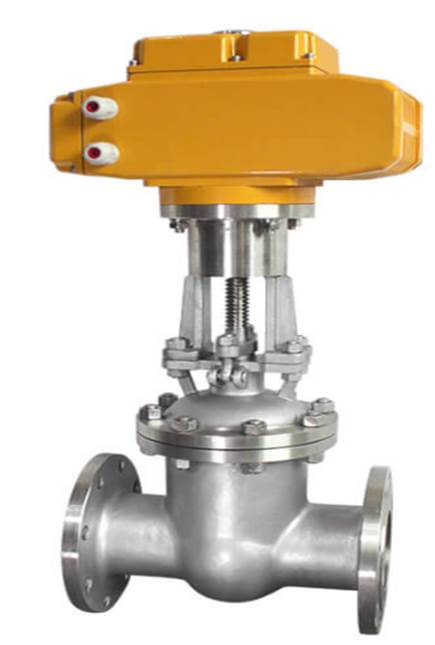
Figure: Electrically actuated high-pressure gate valve.
A High Pressure Gate Valve is a critical component designed to regulate the flow of liquids or gases in systems operating under extremely high pressure. Its primary function is to precisely stop or control the flow, ensuring safety and efficiency even in demanding environments. These valves play a vital role in industries that rely on high-pressure systems.
- Oil and Gas Industry: High Pressure Gate Valves are essential for managing the flow of oil, gas, and other materials, maintaining safe operations even in challenging conditions.
- Power Generation: These valves are instrumental in controlling the flow of steam and water, ensuring uninterrupted electricity production.
- Water and Wastewater Management: High Pressure Gate Valves are used to regulate water flow in filtration and treatment systems effectively.
- Chemical Processing: They provide a safe and efficient way to handle chemicals, enhancing productivity and safety in industrial processes.
High Pressure Gate Valves are indispensable for ensuring the safety and reliability of systems across these industries.
Key Takeaways
- High pressure gate valves manage liquid and gas flow in tough settings.
- Types like parallel and wedge gate valves are used for specific jobs.
- Picking the right valve means checking material, size, and pressure needs.
- Cleaning and checking valves often helps them last longer and work well.
- Knowing rules and custom options ensures the valve fits its purpose.
Types of High Pressure Gate Valves
Parallel Gate Valves

Features and Benefits
Parallel gate valves have two flat gates that slide. These gates help control flow accurately. They work well in high-pressure systems because they seal tightly. Newer designs use strong materials to resist rust and last longer.
- Work well in systems with high pressure.
- Allow accurate control of liquids or gases.
- Reduce damage, so less fixing is needed.
Parallel gate valves are strong and reliable for tough jobs needing good flow control.
Common Applications
The oil and gas industry uses parallel gate valves a lot. They help move oil and gas safely through pipes. Better pipelines and valve designs make them popular in this field. Other industries like power plants and chemical factories also trust these valves for their strength and dependability.
Wedge Gate Valves
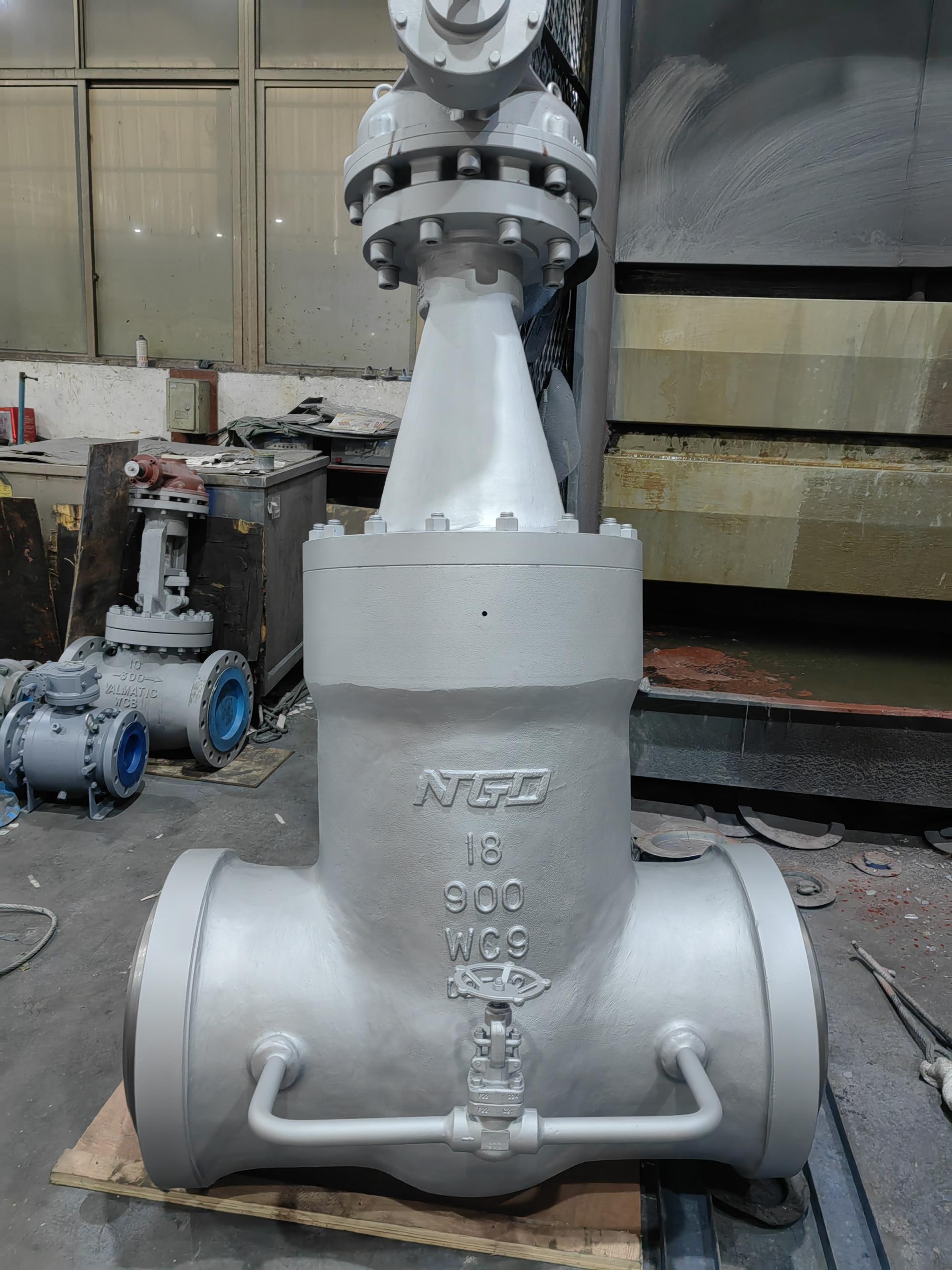
Features and Benefits
Wedge gate valves have a gate shaped like a wedge. This shape seals tightly, stopping leaks. They are great for high-pressure jobs and last a long time.
- Seal tightly to stop leaks.
- Work well in hot and high-pressure places.
- Need little fixing because they are built strong.
Common Applications
Wedge gate valves are used in water systems to control flow. They keep things running smoothly. Oil, gas, and power industries also use them for tough tasks.
Rising Stem and Non-Rising Stem Gate Valves
Key Differences
Rising stem and non-rising stem gate valves are different in design. The table below shows their main differences:
| Metric | Rising Stem Gate Valves | Non-Rising Stem Gate Valves |
|---|---|---|
| Start-Stop Functionality | Great, moves disc fully out of flow path | Okay, disc may block flow partly |
| Pressure Drop | Very low when open | Higher because of partial block |
| Space Requirements | Needs more height | Needs less height |
| Maintenance Ease | Easier since stem is visible | Harder as stem is hidden |
| Risk of Leakage | Lower risk due to better design | Higher if not cared for |
| Cost | Costs more due to complex design | Costs less because it’s simpler |
Advantages and Limitations
Rising stem valves are easy to check and fix. They are good for places where monitoring is needed. But they need more space to fit. Non-rising stem valves save space and cost less. However, they might need more care to avoid leaks.
Specialty High Pressure Gate Valves
Cryogenic Gate Valves
Cryogenic gate valves work in very cold conditions, below -150°F (-101°C). They control liquefied gases like LNG and liquid nitrogen. Their special design stops materials from shrinking in freezing temperatures. These valves have long bonnets to shield the stem and packing from the cold.
Cryogenic gate valves are used in many industries:
- Energy & Power: Important for storing and processing LNG.
- Chemical Processing: Safely handles liquefied gases in cold settings.
- Food & Beverage: Helps freeze food to keep it fresh.
- Healthcare: Stores biological samples at very low temperatures.
- Petrochemical: Used in making ethylene and other cold processes.
| Application Area | Key Insights |
|---|---|
| Energy & Power Industry | Growing use for LNG storage and processing. |
| Chemical Industry | Needed for safe handling of cold liquefied gases. |
| Food & Beverage Industry | Used for freezing food to keep it fresh longer. |
| Healthcare | Stores and moves biological samples in ultra-cold conditions. |
| Petrochemical Industry | Controls flow during ethylene production in cold processes. |
| Regional Insights | High demand in Americas, Europe, and Asia Pacific due to industry growth and LNG projects. |
High-Temperature Gate Valves
High-temperature gate valves handle heat over 1000°F (538°C). They are made from strong materials like stainless steel or Inconel. These materials stop the valves from expanding or breaking under heat. Their tough design keeps them working well in hot, high-pressure places.
Industries depend on these valves for tough jobs:
- Power Generation: Manages steam in turbines and boilers.
- Chemical Processing: Safely controls high-temperature reactions.
- Oil & Gas: Handles very hot fluids in refining.
These valves follow strict safety rules to avoid failures. Standards ensure they work well in critical systems. High-temperature gate valves are key for safety and efficiency in extreme heat.
Specialty high-pressure gate valves, like cryogenic or high-temperature ones, are made for tough jobs in specific industries. Their smart designs help them perform well in hard conditions.
Working Principle of High Pressure Gate Valves
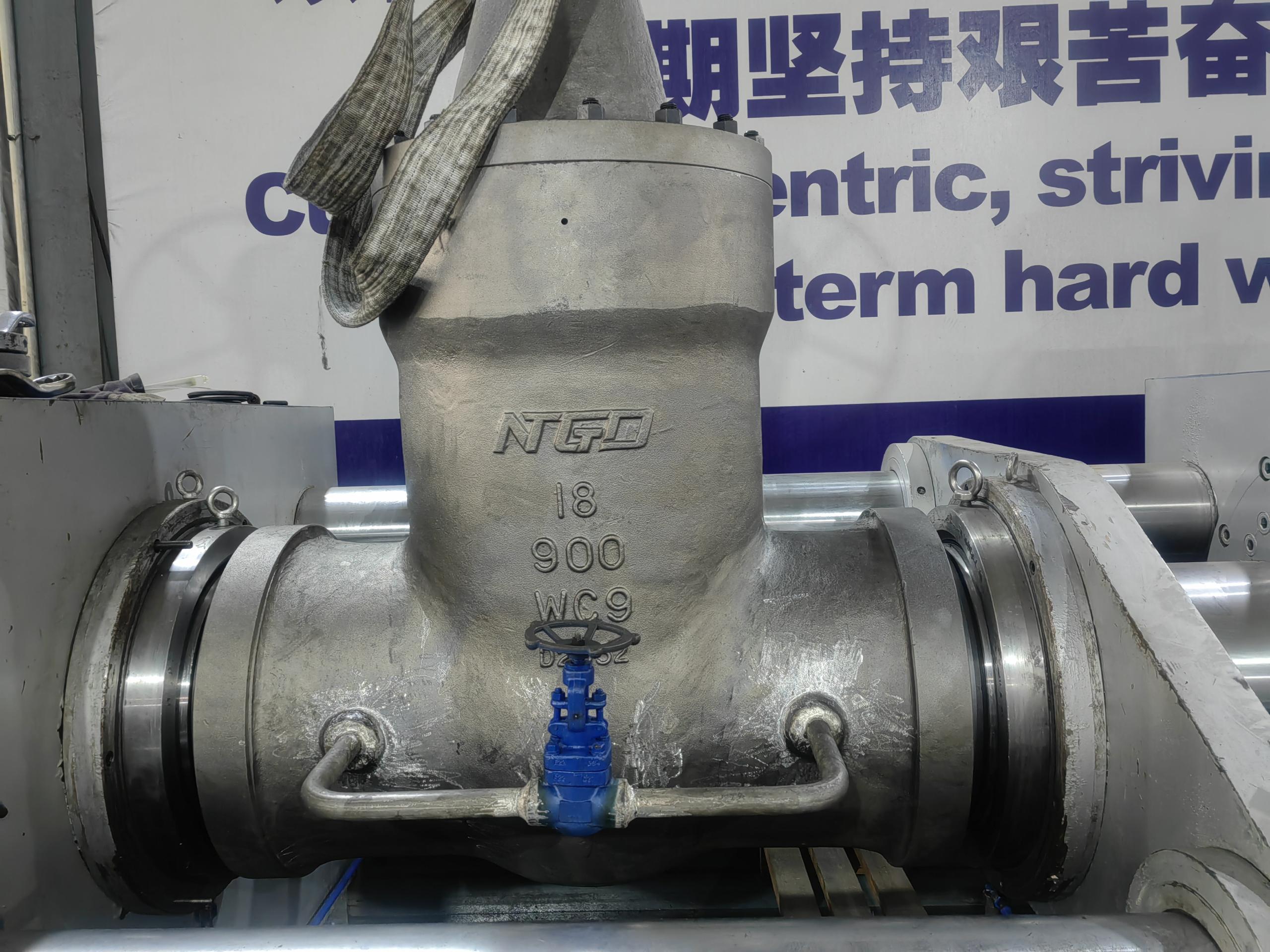
How They Work
Gate Movement and Flow Control
High pressure gate valves work by moving a gate or wedge. Turning the handle raises or lowers the gate. When open, the gate moves fully out of the way. This allows fluids or gases to flow freely. When closed, the gate blocks the flow completely. This simple design helps control flow accurately.
Importance of Pressure in Operation
Pressure is very important for these valves to work well. They are built to handle very high pressures without failing. Strong parts like the gate and seats resist the force of high-pressure fluids. This keeps the valve working reliably in tough conditions.
Sealing System
Stopping Leaks
Stopping leaks is very important in high-pressure systems. Expanding gate valves use a special design to seal tightly. The gate expands as it moves, creating a strong seal. Materials like rubber and metal alloys make the seal even better. These materials are strong and flexible, making them useful in many industries.
Materials for Sealing
The materials used for sealing affect how well the valve works. Rubber is flexible, while metal alloys are strong and last long. These materials are chosen carefully to handle high-pressure jobs.
| Cause of Leakage | Percentage of Incidents |
|---|---|
| Shell Casting Defects | 37% |
A good sealing system reduces leaks, keeping systems safe and efficient.
Flow Control Performance
Full Bore vs. Reduced Bore Designs
Full bore valves let fluids flow easily with little resistance. They are great for jobs needing high flow rates. Reduced bore valves slow down flow and cause more pressure drops. Full bore designs keep pressure steady, making systems work better.
Effect on Pressure Drop and Flow
The valve’s design changes how much pressure drops and flow works. Full bore valves allow more flow and less pressure drop. Reduced bore valves restrict flow and increase pressure drop. Full bore valves are better for high flow needs.
| Feature | Full Bore High-Pressure Gate Valves | Reduced Bore High-Pressure Gate Valves |
|---|---|---|
| Pressure Drop | Low, keeps system pressure steady | High, adds resistance |
| Flow Capacity | High, allows free flow | Low, limits flow |
| Application Suitability | Best for high flow needs | Not ideal for high flow |
Picking the right valve design improves system performance and saves energy.
Factors to Think About When Picking a High Pressure Gate Valve
Material Choice
Common materials and their features
Picking the right material helps the valve last longer. Materials like cast iron, stainless steel, and special alloys are often used. Each has its own strengths:
| Material | Strength Features | Uses |
|---|---|---|
| Cast Iron | Strong and resists rust | Oil, gas, and water systems |
| Stainless Steel | Very strong and fights corrosion | Chemical industries |
| Exotic Alloys | Works well in extreme conditions | Special industrial tasks |
These materials handle heat, pressure, and harsh environments, making them great for tough jobs.
Matching materials with fluids
It’s important to match materials with the fluids they’ll handle. Things like material makeup, pressure, and temperature matter. For example:
- Stainless steel doesn’t rust with chemicals.
- Cast iron is good for water and oil.
- Exotic alloys work in very hot or cold conditions.
Always check rules like API and NACE to ensure the material fits your system.
Valve Size and Pressure Strength
Picking the right size
The size of the valve affects how well it works. Bigger valves let more flow through, stopping pressure buildup and wear. Smaller valves can handle higher pressures because they are stronger.
| Factor | Details |
|---|---|
| Flow Rate | Bigger valves handle more flow, stopping pressure buildup and wear. |
| Velocity Limits | Faster flow needs bigger valves to avoid damage and noise. |
| Pipe Design | The valve size should match the pipe size for smooth flow. |
Choosing the right size keeps the system running well and makes the valve last longer.
Why pressure ratings matter
Pressure ratings show how much pressure a valve can safely handle. High-pressure systems need valves with high ratings to avoid problems. For example, rising-stem valves often work better under high pressure. Always pick a valve with a rating higher than your system’s maximum pressure.
How the Valve Works
Manual vs. automatic operation
Manual and automatic valves are used for different reasons. Manual valves are simple and cheap but less precise. Automatic valves, like electric or air-powered ones, give better control and save time.
| Type of Valve | Good Points | Bad Points |
|---|---|---|
| Manual valves | Easy to use, strong, low cost. | Less control, not good for big jobs. |
| Electric valves | Very precise, easy to automate. | Expensive, needs power to work. |
| Pneumatic valves | Durable, quick to respond. | Needs air, can be noisy. |
Benefits and downsides of each type
Manual valves are good for simple jobs with few changes. Automatic valves are better for high-pressure systems needing exact control. But they cost more and need power. Think about your system and budget before choosing.
Picking the right valve type improves performance and lowers repair costs.
Industry-Specific Requirements
Standards and Certifications
When picking a high-pressure gate valve, it must meet industry rules. These rules ensure the valve is safe, strong, and works well. Following certifications means the valve passed strict tests and checks.
Look for these important standards:
- API Standards:
- API 600: For steel gate valves used in many industries.
- API 602: For small steel gate valves in high-pressure systems.
- ASME Standards:
- ASME B16.34: Lists rules for valve materials, design, and testing.
Valves meeting these rules are safe for high-pressure use. Always check certifications before buying.
Customization Options
Different industries need valves made for their specific jobs. Customizing a valve helps it work perfectly in your system.
Here are some common ways to customize:
- Material Selection: Pick materials like stainless steel or cast iron based on the fluid.
- Valve Size and Pressure Rating: Adjust size and pressure to match your system.
- Special Coatings: Add coatings to stop rust or handle high heat.
- Actuation Mechanisms: Choose manual, electric, or air-powered controls for your needs.
Customizing makes sure the valve works well for your job. Talk to the maker to find the best options for your system.
Maintenance Tips for High Pressure Gate Valves
Routine Maintenance
Cleaning and Lubrication
Clean and lubricate valves often to keep them working well. Dirt and leftover fluids can cause rust and damage parts. Cleaning removes these problems and keeps the valve running smoothly. Lubrication helps moving parts slide easily, reducing wear. This also makes the valve last longer. Following a cleaning and lubrication schedule helps spot damage early. These steps improve how long and how well the valve works.
Inspection for Wear and Tear
Check valves often to find problems before they get worse. Look for rust, cracks, or worn-out seals. Focus on the gate and stem since they handle the most stress. Finding damage early lets you fix it quickly, avoiding big repairs. A well-kept valve is safer and works better in high-pressure systems.
Troubleshooting Common Issues
Addressing Leaks
Leaks happen often in high-pressure gate valves. A study showed 37% of leaks come from shell defects. Worn seals or poor care can also cause leaks. To fix leaks, check for broken parts and replace them right away. Regular care and proper setup lower the chance of leaks. This keeps your system safe and working well.
Resolving Gate Sticking or Jamming
Sticking gates happen because of dirt or misaligned parts. This can block flow and hurt valve performance. Clean the valve and check for parts out of place. Lubricate the gate and stem to help them move smoothly again. Fixing these issues early improves safety and keeps the system running well.
Extending Valve Lifespan
Best Practices for Operation
Using valves the right way makes them last longer. Don’t force the valve open or closed, as it can break parts. Use the valve within its pressure and temperature limits to avoid damage. Regular checks and lubrication keep the valve working well for a long time.
Importance of Proper Installation
Installing valves correctly is very important. Make sure the valve is in the right position and tightly attached to the pipe. Poor installation can cause leaks, damage, and less efficiency. Following setup rules helps the valve last longer and lowers repair costs.
Regular care, quick fixes, and good practices make valves last longer. These steps save money and make your system safer and more reliable.
High-pressure gate valves are crucial for keeping industrial systems safe and efficient. They manage high-pressure fluids and gases, making them essential in industries like oil, gas, power, and water systems.
Key Points:
- Types: Different valves, like wedge or specialty, fit specific uses.
- How They Work: Strong designs allow accurate flow control and stop leaks.
- Choosing the Right Valve: Material, size, and operation type are key factors.
- Care and Maintenance: Regular upkeep makes them last longer and work better.
As cities grow, the need for water and infrastructure rises. These valves are vital for reliable operations in growing industries.
For the best choice, talk to experts or manufacturers about your system’s needs.
