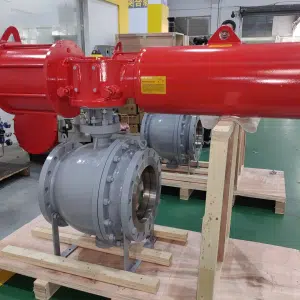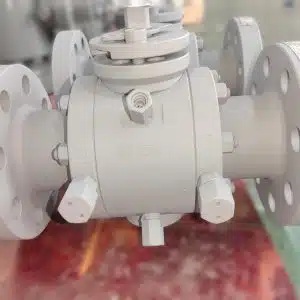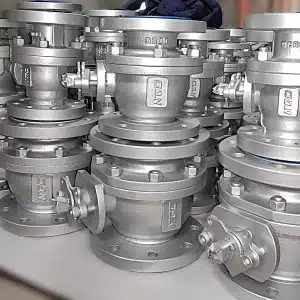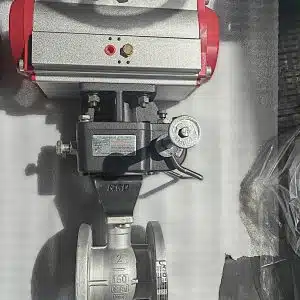
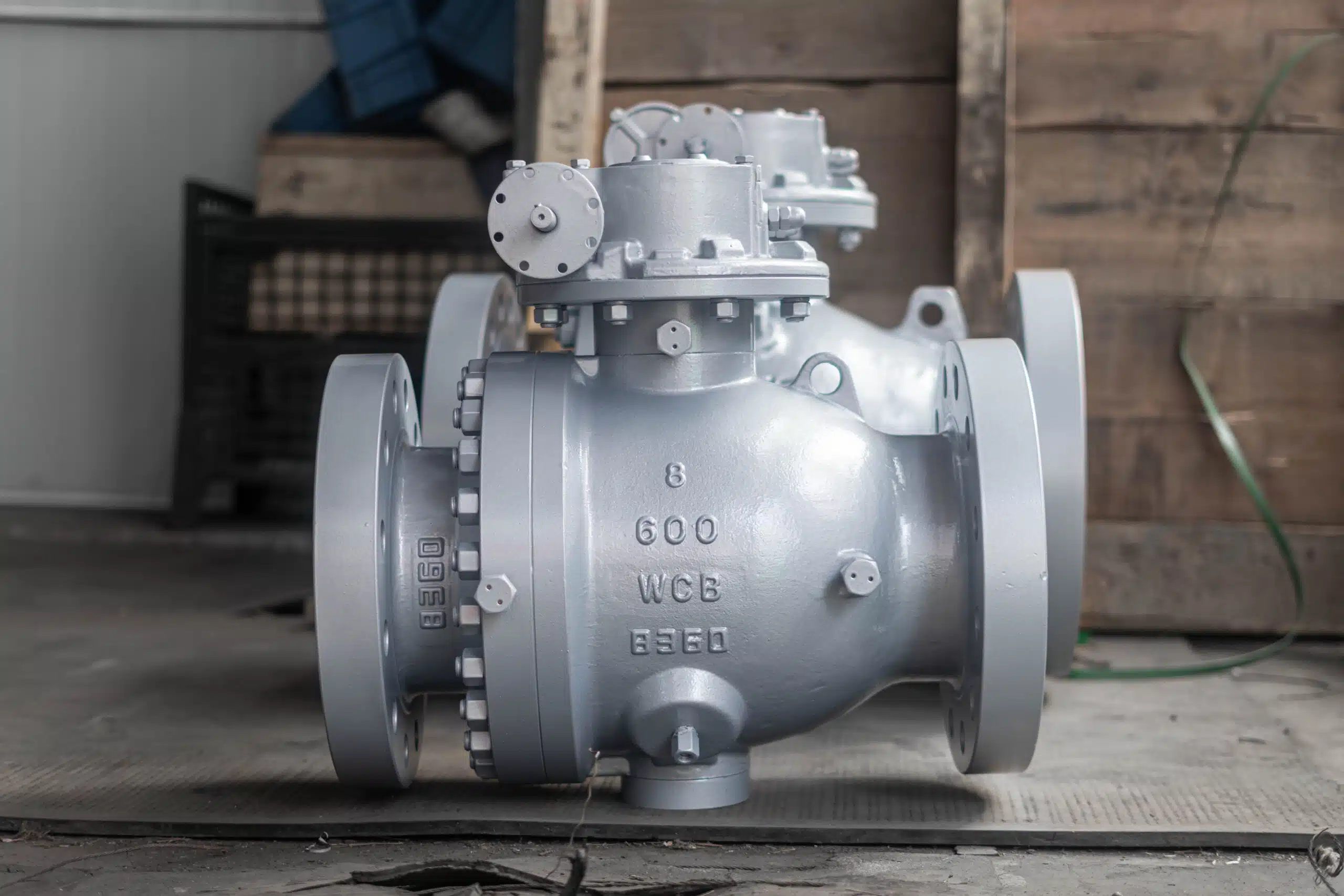
You use a reduced bore ball valve when you want a strong shut-off. The opening inside is smaller than the pipe. This design makes the fluid move faster and causes a bigger drop in pressure, which can save money for many systems. The table below shows how reduced bore ball valves and full bore ball valves differ in bore size and flow rate:
| Type of Ball Valve | Bore Size Description | Flow Rate Characteristics |
|---|---|---|
| Full Bore/Full Port | Bore diameter is the same as the pipe’s inside | Very little pressure drop, good for high flow |
| Reduced Bore/Reduced Port | Bore diameter is smaller than the pipe’s inside | Faster flow, more pressure drop, saves money |
Knowing these differences helps you pick the right valve. Ball valves are important in many industries. Picking the right ball valve keeps things safe and working well. This complete guide provides you with the facts you need to choose wisely.
Key Takeaways
- Reduced bore ball valves have a smaller opening than the pipe. This lets fluid move faster. It also causes a bigger drop in pressure. These things can help save money.
- These valves weigh less and cost less than full bore ball valves. They work well for projects with little space or small budgets.
- Use reduced bore ball valves when you need a strong shut-off. You do not need full flow for these jobs. They are good for water treatment and HVAC systems.
- Always check if the material matches your system. Think about how the valve will be used. This helps make sure the valve works for your needs.
- Install the valve the right way. Take care of it often. This helps the valve work better and last longer.
Complete guide to reduced bore ball valves
What is a reduced bore ball valve?
You will find that a reduced bore ball valve has a smaller opening inside than the pipe it connects to. This means the hole through the ball is less than or equal to 85% of the pipe’s inner diameter. Major industry standards, like API 6D, use this definition. In contrast, a full bore ball valve has an opening that is almost the same size as the pipe, usually more than 95% of the pipe’s diameter. This difference changes how the valve works in your system.
When you look at the types of ball valves, you see that reduced bore and full bore are the two main options. Reduced bore ball valves are also called reduced port ball valves. You use them when you want to control flow but do not need the full flow capacity of the pipe. This makes them a popular choice in many industries.
Key features and function
You can spot several key features that set reduced bore ball valves apart from other types of ball valves. Here is a table that shows the main differences:
| Feature | Full Bore Ball Valve | Reduced Bore Ball Valve |
|---|---|---|
| Bore Diameter | Same as pipeline | Smaller than pipeline |
| Weight | Heavier | About 30% lighter |
| Cost | Higher | Lower |
| Suitable Mediums | Viscous fluids | Normal fluids like water |
| Pressure Drop | Minimal | Noticeable |
| Cleaning | Easy to clean | Not ideal for frequent cleaning |
You will notice that a reduced bore ball valve is lighter and costs less than a full bore ball valve. This makes it a smart choice when you want to save money and space. NTGD, a trusted name in the valve industry, offers high-quality reduced bore ball valves that meet strict standards. You can rely on NTGD for valves that deliver strong shut-off and reliable performance.
The main functions of a reduced bore ball valve include:
- Flow restriction: The smaller opening slows down the fluid and restricts flow.
- Cost savings: You pay less for these valves compared to full bore types.
- Pressure drop: The design causes a higher pressure drop, which can be useful in some systems.
- Application specific: You use these valves where a lower flow rate is acceptable.
- Space constraints: The compact size fits well in tight spaces.
You often use reduced bore ball valves for water, gas, and other normal fluids. They work best when you do not need to run cleaning tools through the pipeline. If you need to move thick or sticky fluids, you should choose a full bore ball valve instead.
When you read a complete guide like this, you learn how the design of a reduced bore ball valve affects your system. The smaller flow path can reduce the load on your pipeline and improve efficiency in the right setting. You should always match the valve type to your needs. This complete guide helps you understand the differences so you can make the best choice for your project.
How reduced bore ball valves work
Internal mechanism
A reduced bore ball valve uses a simple inside part to control flow. There is a ball with a hole in the middle. When you turn the handle, the ball spins inside the valve. If the hole matches up with the pipe, fluid can move through. If you turn the ball sideways, the hole blocks the pipe and stops the flow.
The opening in a reduced bore ball valve is smaller than the pipe. This makes the fluid squeeze through a tighter space. People pick this design when there is not much room or when full flow is not needed. The smaller opening causes a drop in pressure, which is good for many normal uses.
- The ball turns to open or close the valve.
- The smaller opening lets less fluid pass through.
- You get a strong shut-off by turning the handle.
- The small size fits in tight spots and is lighter.
Tip: Use reduced bore ball valves when you want a strong shut-off and do not need to clean the inside with tools.
Flow characteristics
Reduced bore ball valves and full bore ball valves have different flow features. The smaller opening in a reduced bore valve slows the flow and makes the fluid move faster inside. This causes a bigger drop in pressure across the valve.
| Valve Type | Flow Rate | Pressure Drop | Cost | Application |
|---|---|---|---|---|
| Full Bore | Maximum | Minimal | Higher | Critical flow needs |
| Reduced Bore | Reduced | Higher | Lower | Cost-sensitive projects |
When you use a reduced bore ball valve, the fluid speeds up as it goes through the small hole. The fluid slows down again after leaving the valve, and some pressure comes back. Ball valves are not good for controlling flow halfway. If you only open the valve partway, the fast flow can hurt the ball and seal.
- Using a v-port valve for control causes big pressure drops.
- You get more pressure back than with other control valves.
- The fluid slows down after the valve, which helps pressure return.
- When you first open the valve, the small hole makes the fluid move very fast.
- As you open it more, the flow gets much bigger, which is not like standard port ball valves.
Reduced bore ball valves are good for saving money and space. You get less flow and more pressure drop, but you spend less. Always pick the right valve for your system to get the best results.
Reduced-port ball valves vs. full bore
Design differences
When you look at reduced-port and full bore ball valves, you see they are not the same. The biggest difference is the size of the hole inside each valve. Full bore ball valves have a hole as big as the pipe. This lets fluid move through easily with almost no block. Reduced-port ball valves have a smaller hole. This makes the fluid squeeze through a tighter space and face more resistance.
Flow and velocity
The size of the hole and the way it is shaped change how fluid moves. Full bore ball valves let fluid move easily, so you get the most flow and very little pressure drop. Reduced-port ball valves have a smaller hole. This makes the fluid move faster as it goes through. The faster speed can waste more energy and cause a bigger drop in pressure.
| Type of Valve | Flow Rate Impact | Pressure Drop Impact | Cavitation Risk |
|---|---|---|---|
| Full Port | Lets the most fluid through | Hardly slows fluid down | Not much risk |
| Standard Port | Less fluid gets through | Slows fluid down more | Higher risk |
- Full port ball valves let the most fluid pass with little resistance.
- Reduced-port ball valves have a smaller hole, so pressure drops more.
- In many cases, the lower flow does not matter much.
You should pick full-port ball valves if you want the fluid to move easily. Reduced-port ball valves are fine if a small pressure drop is okay and you want to save space or money.
Typical uses
Reduced-port ball valves are used in many places where space and money are important. These valves work well when you do not need the highest flow. For example, you might use them in water pipes, gas lines, or cooling systems. Their small size is good for big projects where you want to spend less.
- Reduced-port ball valves are small and cause a little pressure drop, so they are good for tight spaces.
- They are cheaper for big jobs, like when an 8” reduced port ball valve fits a 6” pipe.
- The smaller hole is helpful if you do not need a lot of flow.
Full-port ball valves are better for pipes that carry thick fluids, need cleaning tools, or must keep pressure loss very low. For example, oil and gas pipes, water plants, and mining systems often use full-port ball valves to stop clogs and save energy.
Tip: Pick reduced-port ball valves if you want a strong shut-off, a small size, and to save money, and if your system can handle a little less flow.
Advantages and disadvantages
Benefits of reduced bore
When you pick reduced bore ball valves, you get many good things for your fluid systems. These valves give you a good mix of performance and price. Here are the main benefits:
| Advantage | Description |
|---|---|
| Reliability | Fewer moving parts mean they break less and last longer. |
| Versatility | You can use these ball valves in lots of different jobs. |
| Ease of Use | You can open or close the valve easily and quickly. |
| Durability | The simple design means less fixing and longer use. |
| Minimal Pressure Drops | These ball valves only drop pressure a little in most cases. |
| Excellent Flow Coefficients | The design helps stop damage from thick fluids and slurries. |
| Cost Savings | You pay less because the valve uses less metal. |
| Compact and Lightweight | You can put these ball valves in small, tight places. |
| Acceptable Pressure Drop | The small pressure loss does not hurt most systems. |
Ball valves with a reduced bore help you save money and space. They shut off flow well and are easy to use. Many companies use these valves because they work well for a long time.
Tip: If you want a valve that is simple to use and fits in small spots, reduced bore ball valves are a smart pick.
Drawbacks
You should also know about the downsides before you choose a reduced bore ball valve. Some systems need more flow or less pressure loss. Here are the main problems:
- You get a bigger pressure drop because the hole is smaller.
- The valve can waste energy, which might lower flow.
- The smaller torque on the valve stem can make it harder to control and may not last as long.
- The reduced bore design makes the flow area smaller, so there is more resistance.
- Smaller valves have even bigger pressure drops because the path is narrow.
If your system needs the most flow or very low pressure loss, you should think about other ball valves. Always pick the valve that fits your system best to get good results.
Applications of reduced bore ball valves
Common industries
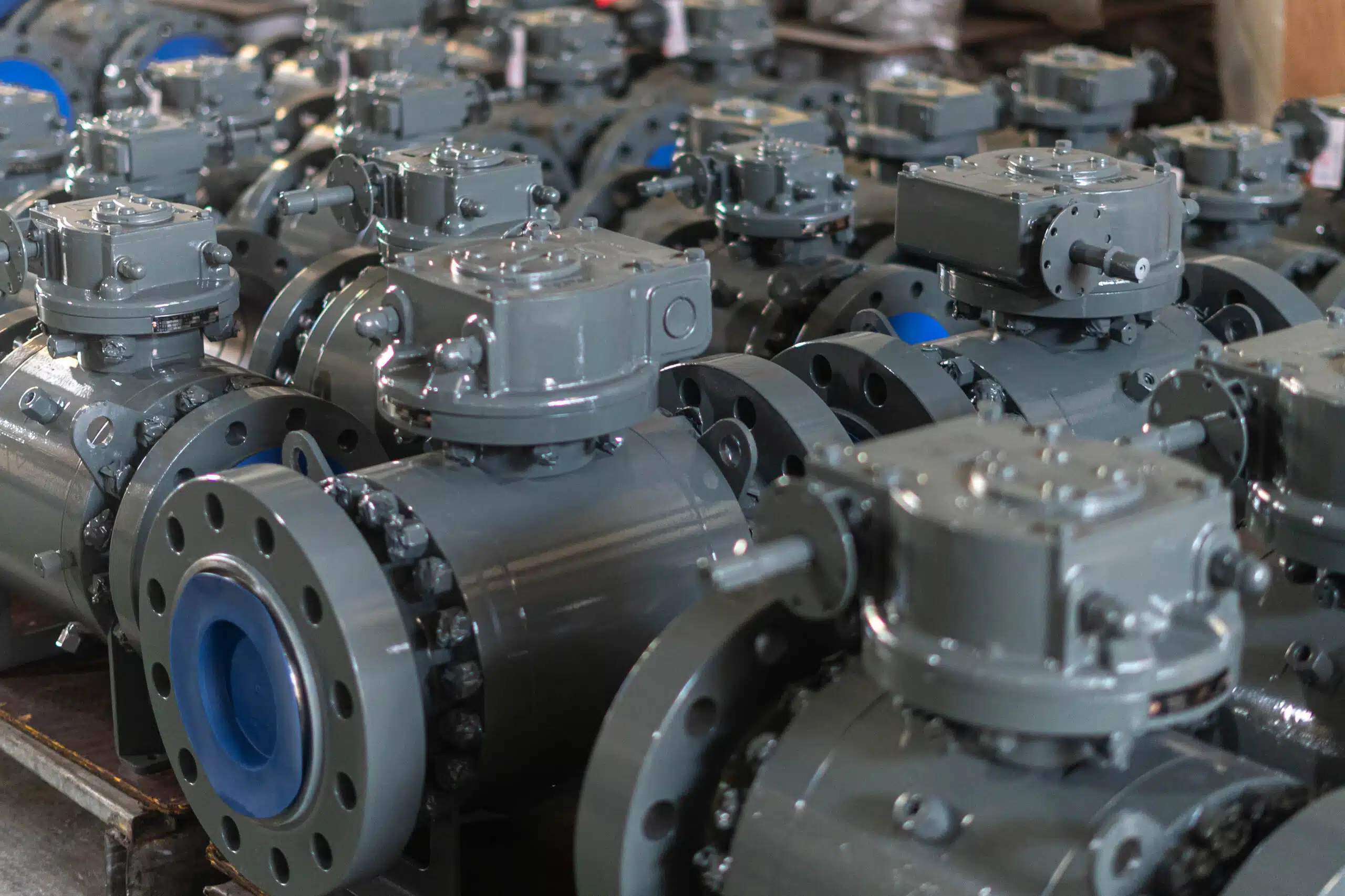
Reduced bore ball valves are used in many industries. They are helpful when space, weight, and cost are important. These valves shut off flow well and work reliably. You see them in water treatment plants and chemical factories. They are also in HVAC systems and other industrial pipes. Engineers pick reduced bore ball valves for projects that need small size and lower price.
| Industry | Why Use Reduced Bore Ball Valves? |
|---|---|
| Water Treatment | Good for flow control, does not rust easily |
| Chemical Processing | Handles strong chemicals, saves space |
| HVAC | Small size, simple to put in place |
| General Industry | Saves money, fits in tight spots |
These ball valves are good when you do not need full flow. Their light weight and small size help in crowded places. You also spend less money on big jobs because they use less material.
Note: Pick a reduced bore ball valve if your system does not need cleaning tools to go through the pipe.
Practical examples
You can find these ball valves in many real-life places. In water treatment plants, they help control how much raw water moves during early cleaning steps. These valves help with screening and settling dirt. They also help control how much chemical goes into the water. The valve can handle strong chemicals and does not rust. Many plants use machines to open and close these valves automatically.
During filtering, a ball valve sends water through filters and helps clean the filters. This keeps the filters working well. In chemical plants, these valves move acids and solvents. Their small size fits in tight pipes and they can handle tough jobs.
In HVAC systems, ball valves control water or air in heaters and coolers. The small design makes it easy to put them in small rooms. You also see these valves in factories, where you need to stop flow quickly and keep things working.
- Water treatment: Controls flow, adds chemicals, helps filter
- Chemical processing: Moves acids and solvents
- HVAC: Controls heating and cooling flow
- Manufacturing: Stops flow fast in production lines
You make your system work better and save money by picking the right ball valve. Reduced bore ball valves give you strong shut-off, easy use, and last a long time.
Selecting the right ball valve
Key factors
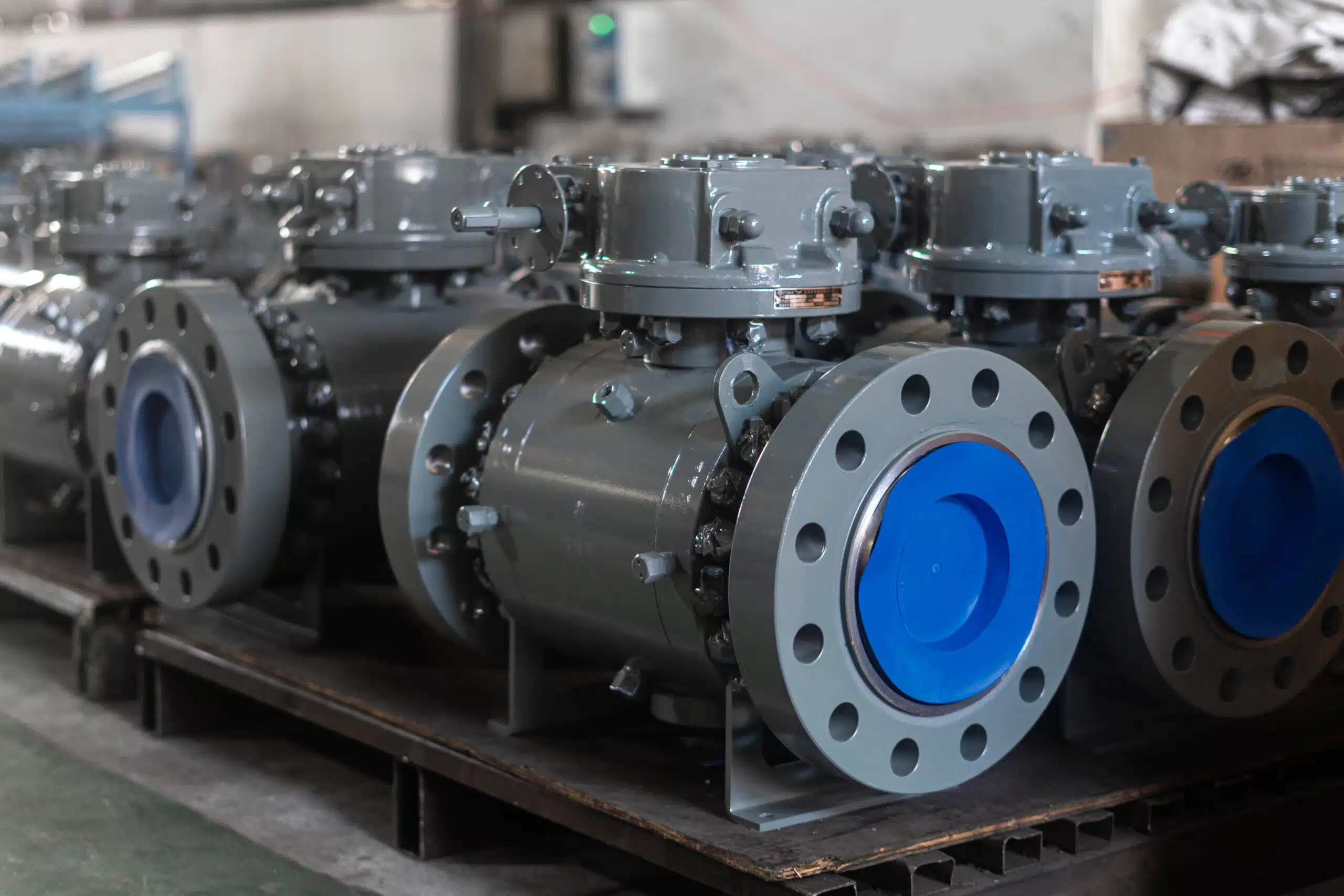
When you start selecting the right ball valves for your system, you need to look at several important points. Each factor helps you choose the right size and type for your needs. Here are the main things to check:
- Material Compatibility: Pick a ball valve made from a material that matches your fluid. Stainless steel works well for strong chemicals and high temperatures. Brass, bronze, and PVC are good for water and less harsh fluids.
- Operating Conditions: Think about the temperature and pressure in your system. High-pressure jobs need strong materials like stainless steel or carbon steel. Lower pressures can use brass or plastic.
- Valve Size and Design: Always choose the right size for your pipe. Reduced bore ball valves are smaller and cost less. They work best when you do not need full flow.
- Pressure Rating: Check the valve’s pressure rating. Make sure it can handle the highest pressure in your system. A strong ball valve prevents leaks and keeps your system safe.
- Maintenance and Compatibility: Look for ball valves that are easy to inspect and repair. Make sure the valve fits with your other equipment.
Tip: Always choose the right size and material to get the best performance and longest life from your ball valves.
Installation tips
Proper installation helps your ball valve last longer and work better. Follow these steps to get the best results:
- Clean the pipeline before you install the valve. Dirt or debris can damage the ball and seat.
- Follow the manufacturer’s instructions. Use the right torque to avoid leaks.
- Pay attention to the valve’s position. The right orientation helps the actuator work well.
- Use clean, dry tubing for pneumatic connections. This keeps the actuator running smoothly.
- Avoid cycling the valve too often. This reduces wear on the seals and actuator.
- Watch the air supply. Keep the pressure steady and the air clean.
- Stay within the temperature and pressure limits. This prevents early damage.
- Inspect the valve often for leaks or corrosion. Replace seals and seats when needed.
- Keep a maintenance record. This helps you track how your ball valves perform.
Note: Train your team to use the ball valve the right way. Good habits and regular checks help your valve last longer.
By following these tips, you make sure your ball valves work safely and efficiently. When you focus on selecting the right ball valves and install them with care, you protect your system and save money over time.
You now understand the main points about reduced bore ball valve selection and use.
- Reduced port ball valves help you control flow in many systems.
- These valves work well in low flow or precise jobs, such as laboratory and chemical dosing.
- You must know the differences between full, standard, and reduced port ball valve types.
- Always match the ball valve to your system’s pressure and flow needs.
- Choose a valve that fits your space, budget, and maintenance plans.
You should review your system before picking a ball valve. If you have questions, talk to a valve expert for the best results.