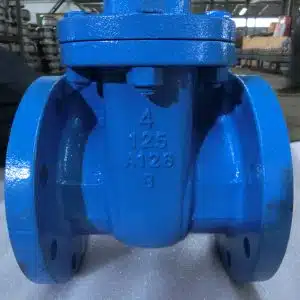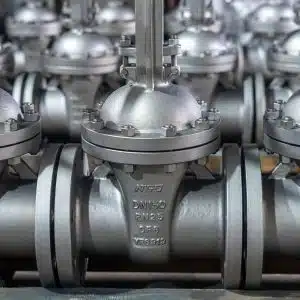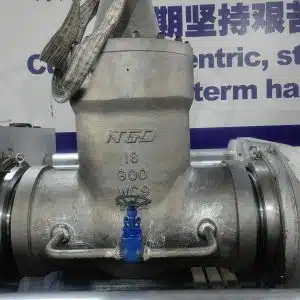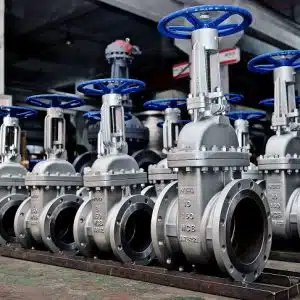
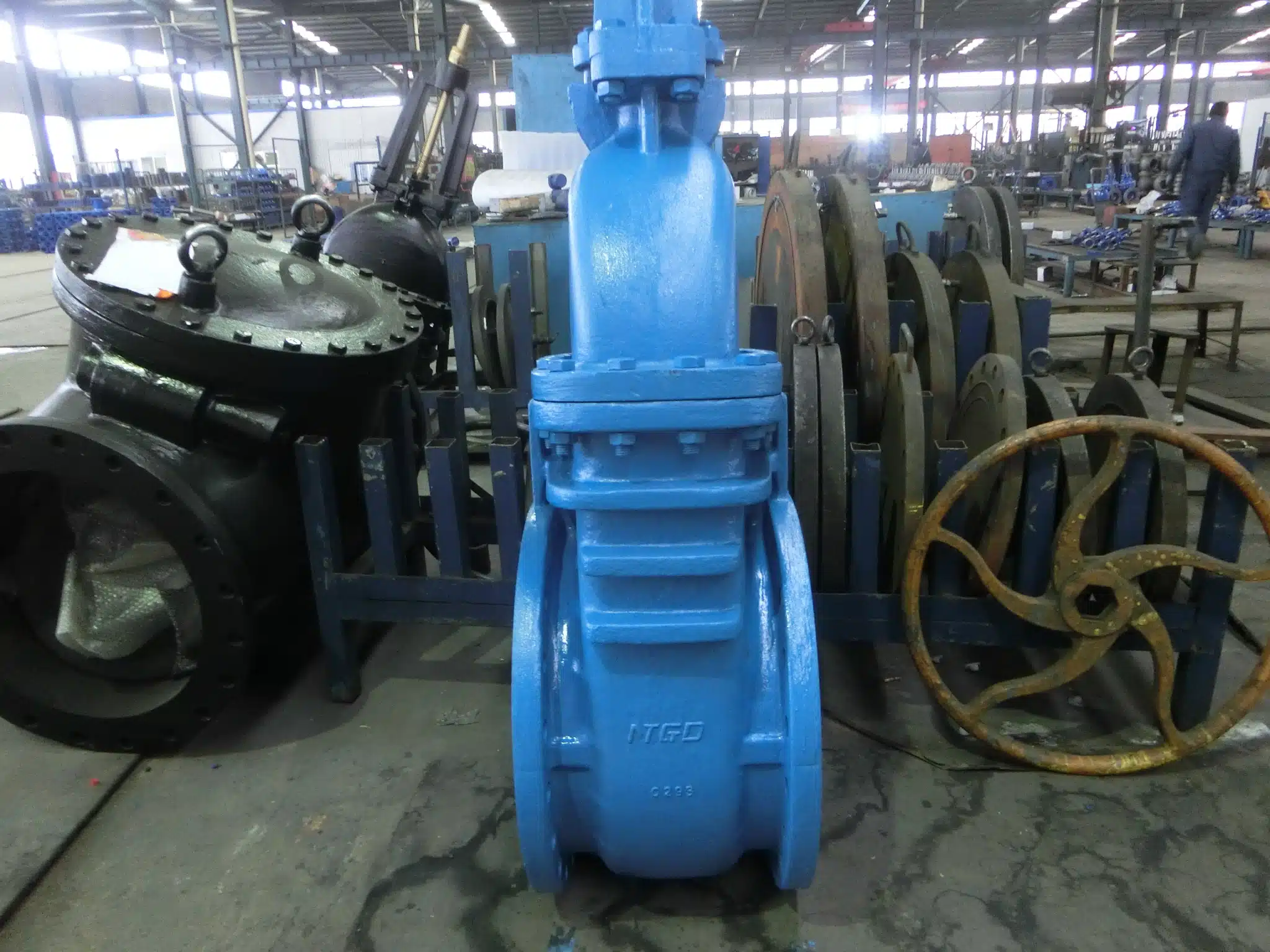
You use a resilient seated gate valve to control water flow. This valve has a wedge with a soft lining. The wedge presses hard against the body to stop leaks. The design lets small particles move through the valve. This helps stop blockages from forming. Three O-rings seal the valve stem well. This lowers the chance of leaks and makes care easy. People use these gate valves in water and wastewater systems. They give a tight shut-off, fight rust, and need little care.
Key Takeaways
- Resilient seated gate valves stop leaks with a tight seal. They work well in water and wastewater systems. The elastomer-lined wedge is flexible. It keeps the seal tight, even if the valve body has small flaws. These valves are strong and last a long time. They do not need much care, which saves time and money. These valves are easy to use because they need little force to turn. This is true even for big valves. This helps water systems work better. Picking the right materials and sizes is very important. It helps your valve work well and last longer.
What Is a Resilient Seated Gate Valve
Gate Valve Basics
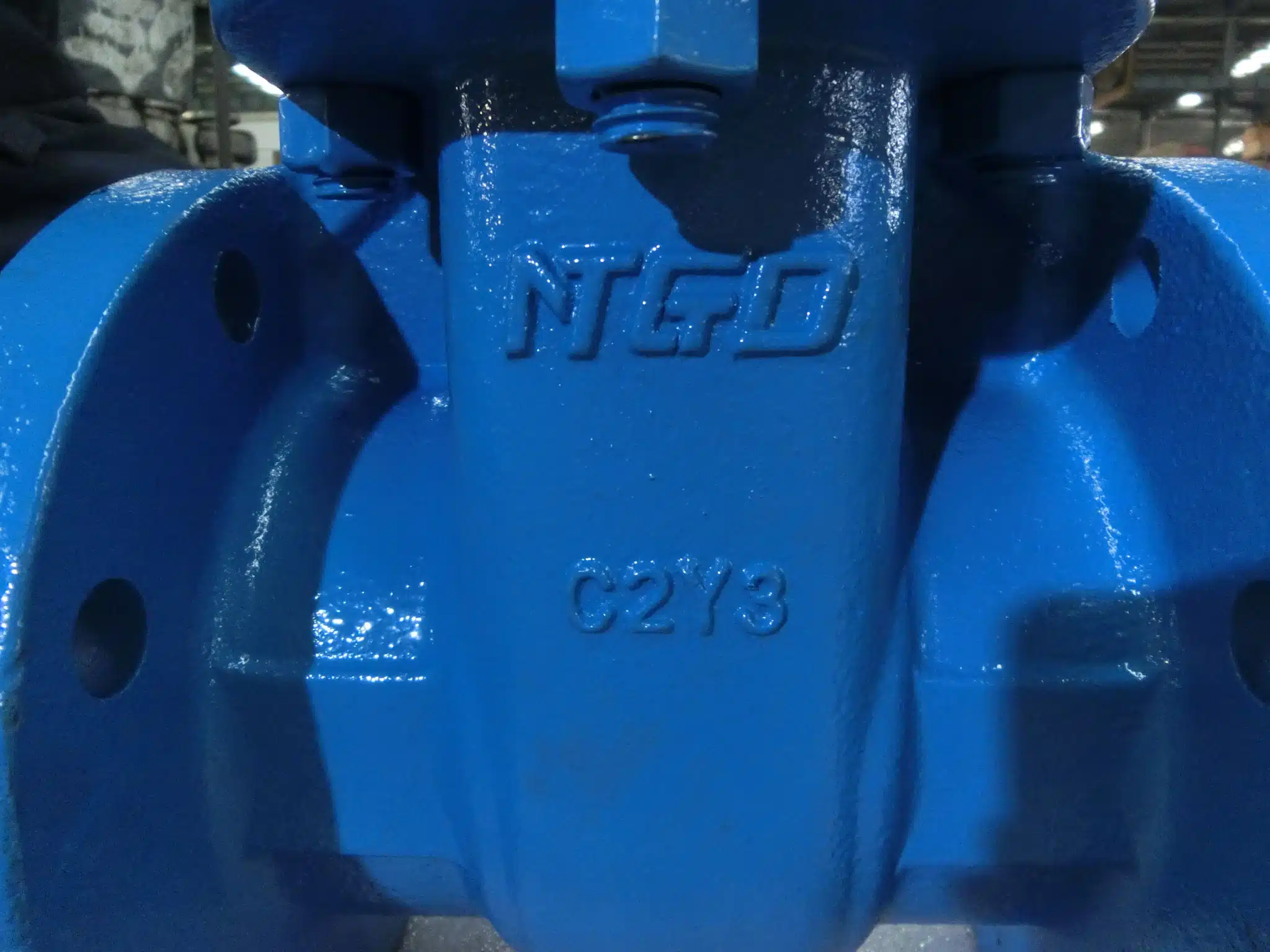
You use a gate valve to control the flow of liquids in a pipeline. This type of valve works by moving a gate, or wedge, up and down to open or close the passage. When you turn the handwheel, the stem lifts the gate out of the fluid’s path. This action allows water or other fluids to flow freely. When you lower the gate, it blocks the flow and creates a tight seal. Gate valves give you minimal pressure drop when fully open. You often see them in water, oil, gas, and chemical systems.
Here are the main parts you will find in a gate valve:
- Body: This is the main structure that holds all the internal parts. Manufacturers often use cast iron, stainless steel, or brass.
- Bonnet: This part covers the stem and helps prevent leaks.
- Gate (Disc): The gate moves up and down to control flow. Common types include wedge, knife, and parallel gates.
- Stem: The stem connects the handwheel to the gate and moves it up or down.
- Seat: The seat is where the gate rests when closed, making sure the valve seals tightly.
- Packing: This is a seal around the stem to stop leaks.
- Handwheel/Actuator: You use this to operate the valve, either by hand or with automation.
Tip: Gate valves work best for isolation. You should use them when you want to fully open or fully close the flow.
Elastomer-Lined Wedge
A resilient seated gate valve stands out because of its elastomer-lined wedge. The wedge has a soft, flexible lining, usually made from EPDM rubber. This material can deform slightly to fill small gaps. It helps the valve seal tightly, even if there are tiny imperfections inside the valve body. The elastomer stays flexible under pressure, so you get a leak-proof seal every time you close the valve. This design also reduces the need for frequent maintenance.
Here is a table showing common elastomer types used for the wedge lining:
| Elastomer Type | Properties |
|---|---|
| EPDM | Commonly used for wedge lining |
| NBR | Potential use in similar applications |
| SBR | Potential use in similar applications |
| VMQ Silicone | Potential use in similar applications |
You will find that EPDM is the most popular choice. It resists water, heat, and chemicals, making it ideal for waterworks and wastewater systems. The elastomer-lined wedge also helps the valve last longer and perform better in tough conditions.
- The elastomer material deforms to seal gaps and prevent leaks.
- It keeps its flexibility under pressure, so the valve works well for a long time.
- You spend less time on maintenance because the wedge stays resilient.
Sluice Valve Terminology
You may hear the term “sluice valve” when people talk about resilient seated gate valves. The name comes from the way the valve works. The closure element, or gate, slides into the flow stream to shut off the fluid, just like a gate or barrier. This sliding action gives the valve its name.
| Term | Definition |
|---|---|
| Sluice Valve | A valve that opens by lifting a barrier (gate) out of the path of the fluid. |
| Origin | The name comes from the function of the closure element, which slides into the flow stream to provide shutoff, acting like a gate. |
You might also hear other names, such as “gate valve” or “knife valve.” All these terms refer to valves that use a sliding gate to control flow. In water supply and wastewater systems, people often use “sluice valve” and “gate valve” to mean the same thing.
Note: When you see NTGD products, you can trust that their resilient seated gate valves use high-quality elastomer linings and reliable designs for leak-proof performance.
How Resilient Seated Gate Valves Work
Operating Principle
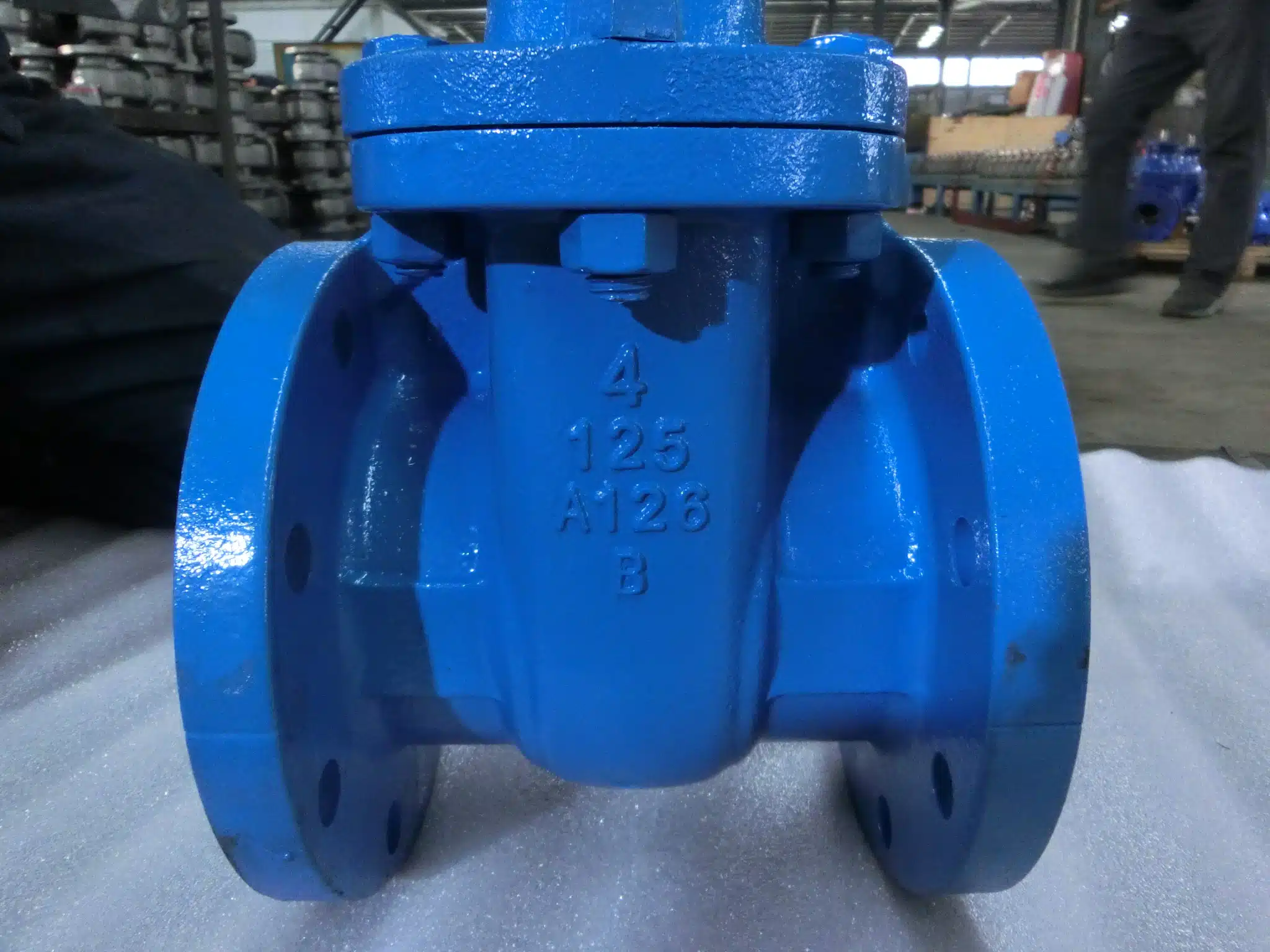
When you use a resilient seated gate valve, you move a wedge up and down. The wedge has a soft rubber lining. This rubber presses tightly against the valve seat. The wedge can change shape a little to fill small gaps. This makes a seal that stops leaks. Every time you close the valve, it shuts off tightly.
You can look at the table to see how this valve is different from a metal seated gate valve:
| Feature | Resilient Seat Valve | Metal Seat Valve |
|---|---|---|
| Sealing Surface Material | Soft materials like plastic or rubber fill gaps | Metal surfaces can change shape and wear out |
| Sealing Performance | Seals well because the material is flexible | Can get damaged by rust and wear |
| Application Suitability | Works best for lower pressure and temperature | Good for higher pressure and temperature |
The soft elastomer in this valve helps seal better, especially in water systems. This kind of valve is easier to use and needs less force.
Tip: NTGD resilient seated gate valves use strong rubber wedges. This helps the valve seal well and last a long time.
Stem and Wedge Movement
When you use the valve, you turn the handwheel or use an actuator. The stem connects to the wedge and moves it up or down. When you lower the wedge, the rubber pushes against the valve body. The rubber can change shape to fit the seat perfectly. This makes a tight seal in both directions.
Here is a table that shows how the stem and wedge work together:
| Feature | Description |
|---|---|
| Primary Sealing Element | A rubber wedge pushes against the valve body to stop flow |
| Elastic Properties | The rubber can change shape to seal tightly |
| Shutoff Quality | Makes a tight seal in both flow directions |
| Torque Requirement | You need very little force to use the valve |
You do not need much force to open or close the valve. This makes it easy to use, even for big valves. The design helps the valve last longer because the rubber wedge does not wear out or rust easily. NTGD makes its gate valves to work smoothly and give good performance in water and wastewater systems.
Key Features and Benefits
Leak-Proof Sealing
You need a valve that never leaks when closed. The resilient seated gate valve uses a wedge made from EPDM rubber or other elastomers. This wedge can change shape to fill tiny spaces inside the valve. The soft material pushes tightly against the seat. This stops leaks, even if the valve has small flaws inside. The design works well, even with little bumps or dents.
Here is a table that shows how the seal works and the pressure levels:
| Feature | Description |
|---|---|
| Resilient Seat | Rubber or elastomer changes shape to fill gaps for a tight seal. |
| Typical Pressure Ratings | PN10 (10 bar), PN16 (16 bar), PN25 (25 bar) |
You can use NTGD gate valves in water systems that must not leak. The valve shuts off flow well, even under high pressure. You do not have to worry about leaks. Your system stays safe and works well.
Tip: Pick a resilient seated gate valve if you want no leaks in water or wastewater systems.
Corrosion Resistance
You want a valve that lasts, even in harsh places. The body of the gate valve is made from ductile cast iron. This makes it strong and tough. The wedge and sealing ring use EPDM or NBR rubber. These materials do not rust and resist chemicals. The valve works well with water, air, and fluids that do not cause rust.
Here is a table that shows the materials and parts that stop rust:
| Material | Description |
|---|---|
| Ductile Cast Iron | Main body material that is strong and lasts a long time. |
| EPDM/NBR Rubber | Used for the gate and seal ring, gives great rust and seal power. |
| Design Element | Function |
|---|---|
| Wedge-shaped Gate | Lowers wear on the seal, so it lasts longer. |
| Elastic Deformation | Makes a tight seal, stops leaks and keeps rust out. |
NTGD gate valves use these materials and designs to last many years. You do not have to worry about rust or chemical damage. The valve keeps working well for a long time.
Note: EPDM rubber makes a tight seal and is important for water systems. NTGD uses top materials so your valve stays strong and works well.
Low Operating Torque
You want a valve that is simple to open and close. The resilient seated gate valve needs very little force to use. The soft wedge slides easily against the seat. You do not need special tools or much strength. Even big gate valves work with low force.
- The elastic wedge lowers friction.
- You save energy and time when using the valve.
- The valve works with hand or automatic actuators.
NTGD makes its gate valves move smoothly. You get a good shut-off without much effort. Low torque means less wear, so your valve lasts longer.
Tip: Low torque makes NTGD gate valves great for often-used water and wastewater systems.
Maintenance-Free Stem Sealing
You want a valve that does not need lots of care. The stem seal in a resilient seated gate valve uses high stretch seal rings. These rings keep the stem from leaking and last a long time. The design uses several O-rings and a special wedge seal. You get no leaks and a long life.
Here is a table that shows the stem sealing features:
| Feature | Description |
|---|---|
| Sealing Technology | High stretch seal rings for leak-free use. |
| Durability | Made for smooth use and top performance. |
| Anti-aging Properties | Seals do not get old fast. |
| Temperature Resistance | Handles high heat for a long life. |
| Wedge Seal Design | Special design gives a leak-free seal with elastic materials. |
| Elasticity Retention | Keeps its stretch and shape over time. |
You do not need to change seals often. The valve keeps working with no leaks, even after many years. NTGD gate valves use advanced sealing to give you peace of mind.
Note: Maintenance-free stem sealing means less downtime and lower costs for your system.
How These Features Help You
You get a valve that lasts and works well. The EPDM rubber wedge, strong body, and smart sealing keep your system safe. You save money on repairs and care. NTGD resilient seated gate valves give you no leaks, stop rust, and work without leaks. You can trust these valves for water, wastewater, and other normal temperature uses.
Resilient Seated vs. Metal Seated Gate Valves
Construction Differences
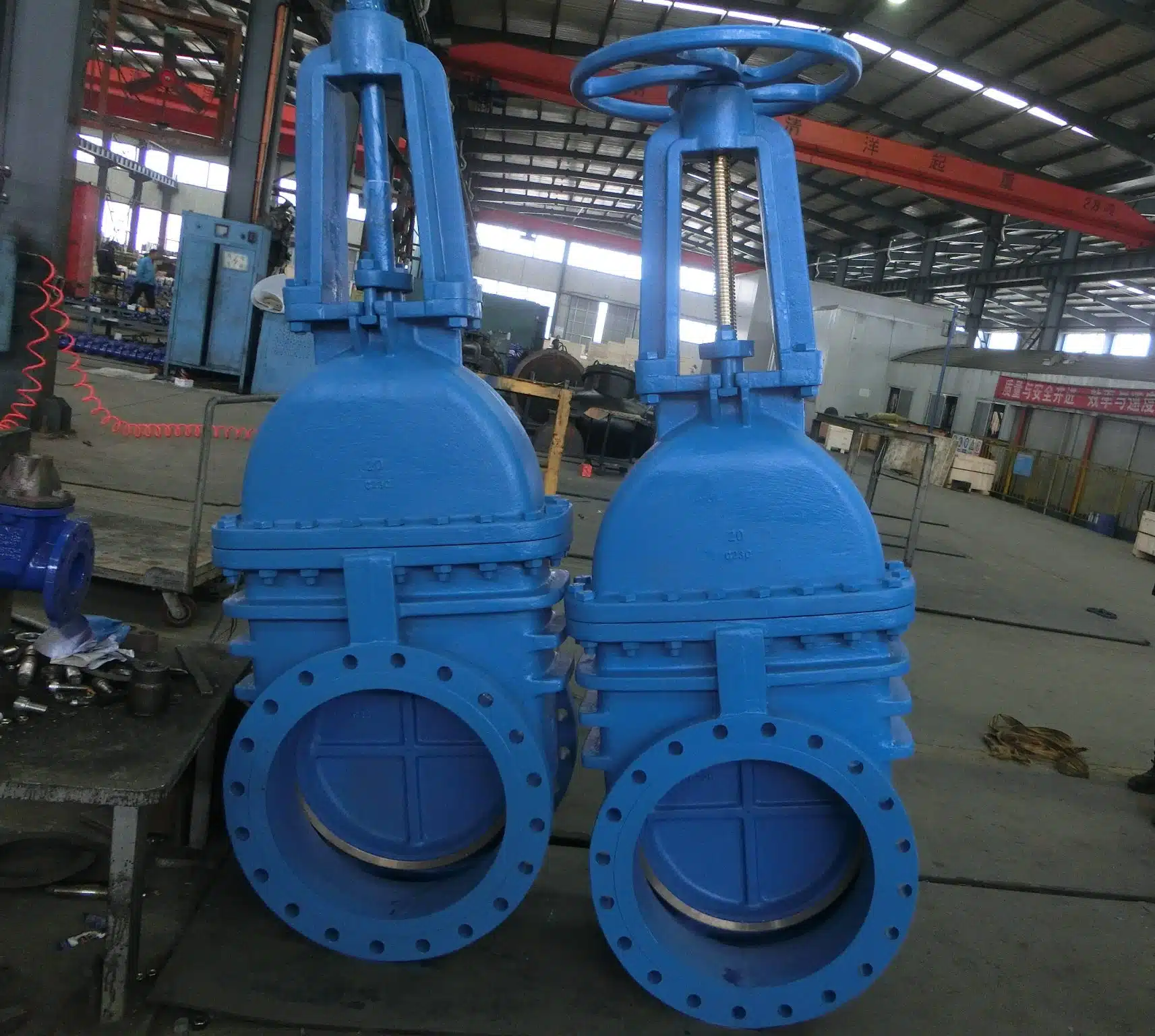
There are big differences between these two gate valves. A resilient seated gate valve has a seat made of rubber or elastomer. This makes the seal very tight and stops leaks. A metal seated gate valve uses metal parts that touch each other. This can let small leaks happen. NTGD often uses ductile iron and EPDM rubber for their resilient seated gate valves. Metal seated gate valves use stainless steel or other strong metals for tough jobs.
| Feature | Metal Seated Gate Valve | Resilient Seated Gate Valve |
|---|---|---|
| Sealing | Metal-to-metal, may leak | Rubber/elastomer, tight seal |
| Durability | High, for harsh conditions | Good for clean fluids |
| Pressure & Temperature | High pressure/temperature | Low/medium pressure, ambient |
| Maintenance | Needs regular care | Easier, fewer moving parts |
| Cost | Higher | Lower, economical |
| Applications | Oil, gas, steam, slurry, mining | Drinking water, irrigation, wastewater |
Performance Comparison
Each type of gate valve works in its own way. The resilient seated gate valve uses a soft seat that bends to seal well. It works best with clean water or other gentle fluids. The metal seated gate valve has a hard seat made of metal. It can handle rough fluids, high heat, and high pressure. NTGD resilient seated gate valves last a long time in water pipes. But they can wear out faster in places like mines.
| Feature | Resilient Seated Gate Valves | Metal Seated Gate Valves |
|---|---|---|
| Seating Arrangement | Elastomer seats | Metal seats |
| Sealing Mechanism | Flexible elastomer | Metal-to-metal contact |
| Suitable Applications | Non-abrasive, low-pressure | Abrasive, high-pressure/temp |
| Seat Durability | Less wear resistance | More wear/corrosion resistance |
| Gate Material | Ductile iron, carbon steel | Stainless steel, alloys |
Tip: Use NTGD resilient seated gate valves for water, irrigation, and wastewater. Pick metal seated gate valves for oil, gas, and mining.
Use Case Scenarios
You need to pick the right gate valve for your job. Resilient seated gate valves are best when you want a tight seal and work with clean water. They are good for water pipes and wastewater plants. Metal seated gate valves are better for tough jobs, high heat, and high pressure. You see them in oil, gas, and mining places.
| Valve Type | Preferred Scenarios | Influencing Factors |
|---|---|---|
| Resilient Seated Gate Valve | High sealing, clean medium, frequent use | Medium, temperature, pressure, operation |
| Metal Seated Gate Valve | Harsh, high temp/pressure, impure mediums | Medium, temperature, pressure, operation |
Note: NTGD has both types, so you can choose what fits your system best.
Applications of Resilient Seated Gate Valves
Water Distribution Systems
Resilient seated gate valves are used in city water systems. These valves help control clean water in pipes. You use them to start or stop water flow. They are not for changing flow speed. The wedge has rubber, so it seals tightly. It does not leak, even at low pressure. NTGD gate valves work for drinking water and irrigation. They also fit other water needs. The sizes range from 2 to 54 inches. This fits most water systems.
| Application Type | Description |
|---|---|
| Drinking Water | Stops or starts water in clean water pipes |
| Irrigation | Controls water in farm watering systems |
| Wastewater Treatment | Moves water in cleaning plants |
Tip: These valves do not rust. You do not need much care. Your system stays safe and works well.
Wastewater and Sewage
You need tough valves for dirty water and sewage. Resilient seated gate valves seal tightly and do not rust. Their design lets dirt and trash move through. This stops blockages. You can put these valves underground. They keep working in hard places. NTGD valves help stop leaks and keep your system safe.
Fire Protection
Resilient seated gate valves are used in fire safety systems. You find them in fire hydrants and sprinkler pipes. They must follow strict rules like DIN 3352 and EN 12266-1, class A. NTGD valves seal well and need little care. You can trust them in emergencies.
| Role in Fire Protection Systems | Standards Met |
|---|---|
| Used in hydrants and sprinkler pipes | DIN 3352, EN 12266-1, EC Directive |
| Good sealing, little care needed | EN 558 series 14, ISO 7005-2 |
Industrial Uses
Resilient seated gate valves are found in many factories. You use them in water pipes, fire safety, and other plant pipes. These valves handle water, air, oil, chemicals, and HVAC fluids. NTGD gate valves work in normal temperature places. They are good for fluids that do not cause rust.
| Industrial Process | Media Handled |
|---|---|
| Water pipes in factories | Clean water |
| Fire safety systems | Water |
| Plant pipes | Chemicals, HVAC fluids |
| City sewage and drainage | Dirty water, rainwater |
Note: Big sizes like DN1200 are used in pump stations and cleaning plants.
NTGD resilient seated gate valves seal well, handle high pressure, and last a long time.
Selection Guide
Sizing and Pressure Ratings
You have to pick the right size and pressure for your gate valve. First, check what kind of fluid is in your pipes. Some fluids need special materials so they do not get damaged. Look at the pressure and temperature your system uses. Make sure the valve can handle these numbers. Think about how you want to control the flow. If you need to stop flow all the way, choose a valve made for isolation. Always follow safety rules and local laws. Plan for changes that might happen later. Pick a valve that can work if your system grows.
- The type of fluid helps you pick the material.
- Check the pressure and temperature your system uses.
- Decide if you want to stop flow or just control it.
- Follow safety rules and standards.
- Think about upgrades in the future.
- Make sure the material fits the fluid.
Tip: NTGD has many sizes and pressure ratings for gate valves, so you can find one that works for your system.
Material Compatibility
You must use the right valve materials for your fluid and where you use it. If you pick the wrong material, the valve might leak or break early. Look at what is in the fluid, the temperature, the pressure, and if there are any small bits in it. Use the table below to help you choose:
| Media Type | Body Material | Seat Material | Best Use Case |
|---|---|---|---|
| Clean Water | Ductile Iron | EPDM/NBR | Water supply, irrigation |
| Wastewater | Ductile Iron | EPDM | Sewage, drainage |
| Chemicals | Stainless Steel | PTFE | Industrial, chemical plants |
| Air | Ductile Iron | EPDM | HVAC, air systems |
Valves with soft seats like PTFE or NBR stop leaks very well. If your system can have small leaks, you can use metal seats. NTGD makes valves for many fluids and places, so you get good results.
Key Considerations
You should think about a few things before you pick a gate valve. The table below shows what to check:
| Consideration | Gate Valve (Resilient Seated) | Metal Seated Gate Valve |
|---|---|---|
| Medium | Clean water, wastewater, irrigation | Steam, slurry, oil & gas |
| Pressure and Temperature | Low/medium (<16 bar) | High-pressure applications |
| Sealing Requirements | Zero leakage needed | Minor leakage allowed |
| Budget and Lifecycle | Cost-sensitive, short-term | Heavy-duty, long-term |
Pick a valve that fits your fluid, pressure, and sealing needs. NTGD can help you find the best one for your job.
Note: Always check what your system needs before you buy a gate valve. The right valve keeps your system safe and working well.
Installation Tips
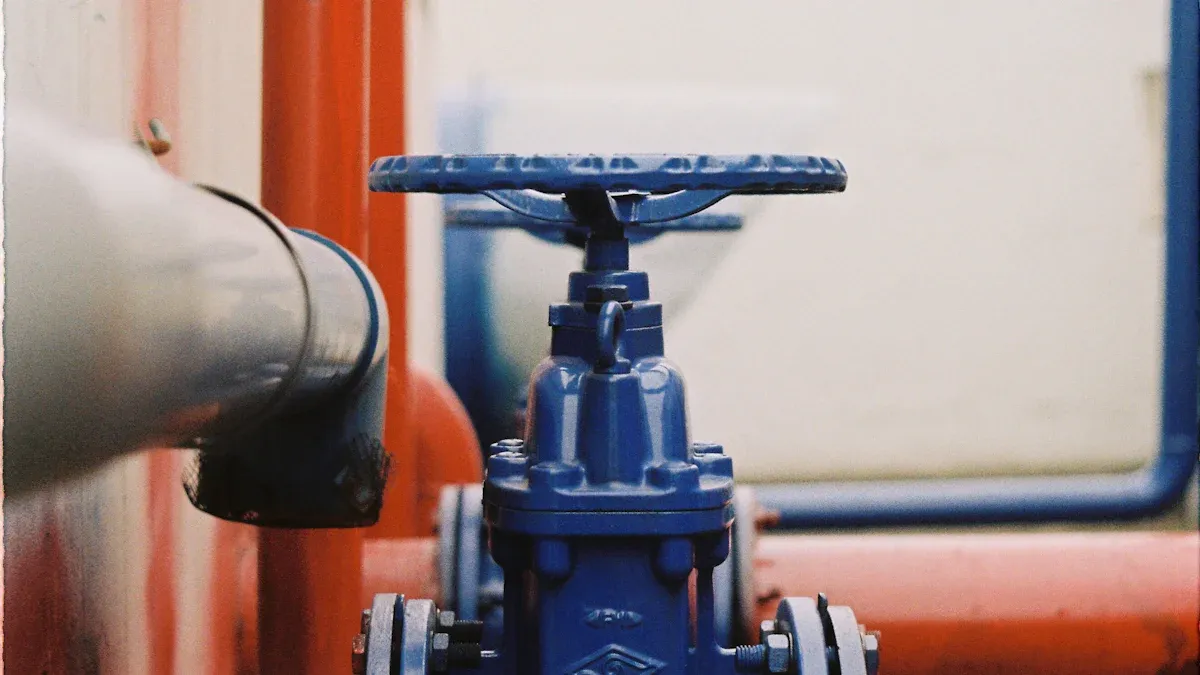
Preparation Steps
You want your NTGD resilient seated gate valve to last. Start by getting ready before you install it. First, read the NTGD instructions for your valve. Make sure all pipes and fittings line up straight. This helps stop leaks and damage. Pick good gaskets and fittings for a tight seal. Clean the area and keep dust away from the valve and pipe ends. Check the NTGD valve for any damage. Make sure the sealing surfaces are clean. After you finish, test the valve with pressure. This checks for leaks.
Tip: Getting ready the right way helps you avoid problems. It also makes sure your NTGD valve works well.
Installation Process
You need the right tools and steps to install your NTGD resilient seated gate valve. The table below shows each step and the tools you need:
| Installation Steps | Tools Required |
|---|---|
| Check valve suitability for service conditions (pressure, temperature, media). | Screw Wrench |
| Remove all packing/protection material from the valve. | Levelling device |
| Examine the pipeline for impurities and clean if necessary. | Torqueing Wrench |
| Install valves in horizontal pipework with stem vertical or vertical pipework with stem horizontal. | Chain Block |
| Ensure the distance between pipe flanges exceeds the valve’s face-to-face dimension by at least 20mm. | N/A |
| Use suitable flange gaskets during installation. | N/A |
| Ensure mating flanges are parallel and concentric. | N/A |
| Tighten bolts evenly and diagonally to prevent distortion. | N/A |
Note: Always use NTGD valves that fit your system’s pressure and temperature.
Common Mistakes
You can stop many problems if you know what to look for. The table below lists common mistakes and how to fix them:
| Common Mistakes | Solutions |
|---|---|
| Loose connection between the valve stem and gate | Check and tighten the connection regularly. |
| Foreign objects on the sealing surface | Clean the sealing surface before installation. |
| Incorrect installation or misalignment | Align the valve and pipeline carefully. |
Other mistakes are:
- Using bolts that are too long. This can cause rust or damage.
- Not isolating the gate valve. This makes care harder.
- Forgetting to add a pressure gauge. You cannot check valve pressure.
- Leaving too little space for the valve. This makes repairs hard.
- Not planning for future removal.
Tip: Careful installation and regular checks help your NTGD valve work well and last longer.
Maintenance and Troubleshooting
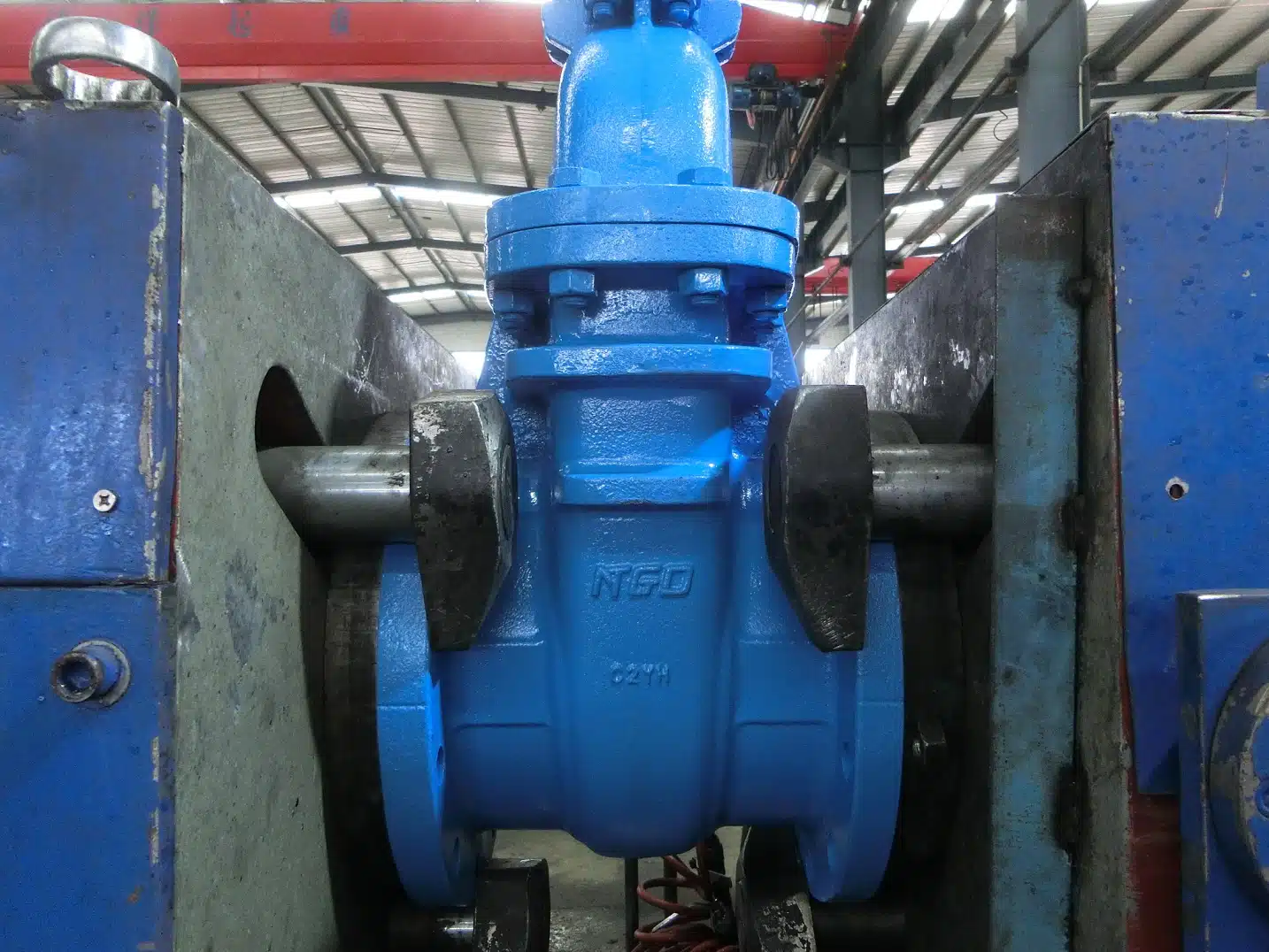
Routine Inspection
You keep your NTGD gate valve working well by checking it often. Set up a regular schedule to look for damage, leaks, or rust. Always check the handle and stem for looseness or cracks. Look at the seals and sealing surfaces to make sure they are not worn out. If you see any corrosion, especially in areas with lots of salt, clean it right away. Sometimes, you need to treat the valve to stop rust from forming. Make sure the valve moves smoothly when you open or close it. If you notice any sticking, clean and oil the moving parts.
- Inspect for leaks, rust, or cracks.
- Check the handle, stem, and seals.
- Make sure the valve opens and closes without trouble.
- Clean and oil as needed.
- Follow the NTGD maintenance guide for best results.
Tip: A good inspection plan helps you find problems early and keeps your system safe.
Common Issues
You may face a few problems with your gate valve. Leaks around the stem or body can happen. Try tightening the packing nut first. If that does not work, you might need to replace a part. Rust and corrosion can build up, especially in wet places. Clean the valve with a rust remover or use a spray to stop rust. Sometimes, the valve sticks or does not seal right. Open and close it a few times or add oil to help it move. If you have trouble turning the valve, check for dirt or buildup inside.
Common problems and quick fixes:
- Leaks: Tighten nuts or replace seals.
- Rust: Clean and use anti-rust spray.
- Sticking: Oil the stem or clean inside.
- Hard to turn: Remove dirt or buildup.
Note: NTGD valves are made to resist rust and last longer, but regular care is still important.
Repair or Replacement
You need to decide if you should fix or replace your gate valve. If you see a lot of sediment, rust, or damage, repairs may not last long. Sometimes, seals wear out in the middle of the valve’s life. If you keep fixing the same problem, it may be time for a new valve. NTGD designs its valves so fine particles pass through, which means less buildup and fewer repairs. If the valve body or main parts are cracked or badly worn, replacement is the best choice. Always match the new valve to your system’s needs for size and pressure.
- Repair if the problem is small and parts are easy to change.
- Replace if you see repeated leaks, cracks, or heavy rust.
- Choose NTGD for reliable, long-lasting performance.
Tip: Regular checks help you know when to repair or replace your valve before bigger problems start.
You get lots of good things when you use a resilient seated gate valve in your pipes. The table below explains why these valves are great for water and clean water systems:
| Advantage | Description |
|---|---|
| Cost-effectiveness | Ductile cast iron keeps the valve’s price low. |
| Superior sealing | No cavity and epoxy coating help stop leaks, so it works well for water. |
| Convenient maintenance | Simple design makes it easy to put in and fix. |
You can control flow exactly, lose little pressure, and seal both ways. Always pick the right gate valve, put it in the right way, and check it often to keep your system safe. If you need help, ask NTGD for advice or a price.