
Comparing Backflow Prevention Solutions
Explore the efficiency of swing and lift check valves.
| Features | Swing Check Valve | Lift Check Valve |
|---|---|---|
| Pressure Drop | 2 psi at 100 gpm | 3 psi at 100 gpm |
| Flow Capacity (Cv) | ~300 | ~250 |
| Closure Time | 0.5–1 second | <0.1 seconds |
| Leakage Rate | N/A | <0.1 cc/min |
| Installation Orientation | Horizontal, vertical, or inclined | Usually horizontal pipelines |
| Sealing Ability | Good, but not as tight | Very good, seals well |
| Maintenance Needs | Requires more frequent checks | Less frequent, but needs clean fluid |
| Cost | More expensive | Less expensive |
| Lifespan | Lasts a fair amount of time | Lasts longer with clean fluid |
If you want the best way to stop backflow, you should look at how swing check valves and lift check valves work. Swing check valves let water flow more easily and have less pressure drop. Lift check valves close faster and seal better. You can see how they are different in the table below:
| Parameter | Swing Check Valve | Lift Check Valve |
|---|---|---|
| Pressure Drop | 2 psi at 100 gpm | 3 psi at 100 gpm |
| Flow Capacity (Cv) | ~300 | ~250 |
| Closure Time | 0.5–1 second | <0.1 seconds |
| Leakage Rate | N/A | <0.1 cc/min |
How well a valve works depends on pressure drop, sealing, flow direction, and if it fits your system. Check valves work best when you pick the right type for your needs. Both valves have good points, so NTGD can help you choose. Ask NTGD for help with your next project!
Key Takeaways
- Swing check valves let fluid move easily. They work well in systems that need low pressure drop. They help save energy.
- Lift check valves seal tightly. They are good for high-pressure jobs. They stop leaks and prevent backflow well.
- Pick swing check valves for horizontal pipes and fast flow. Lift check valves work best in vertical pipes and with clean fluids.
- Both valve types need regular care. Swing check valves may need more checks because of how they are made.
- Ask NTGD for expert help. They can help you choose the right check valve for your system. This will help your system work its best.
Swing Check Valve Mechanism and Efficiency
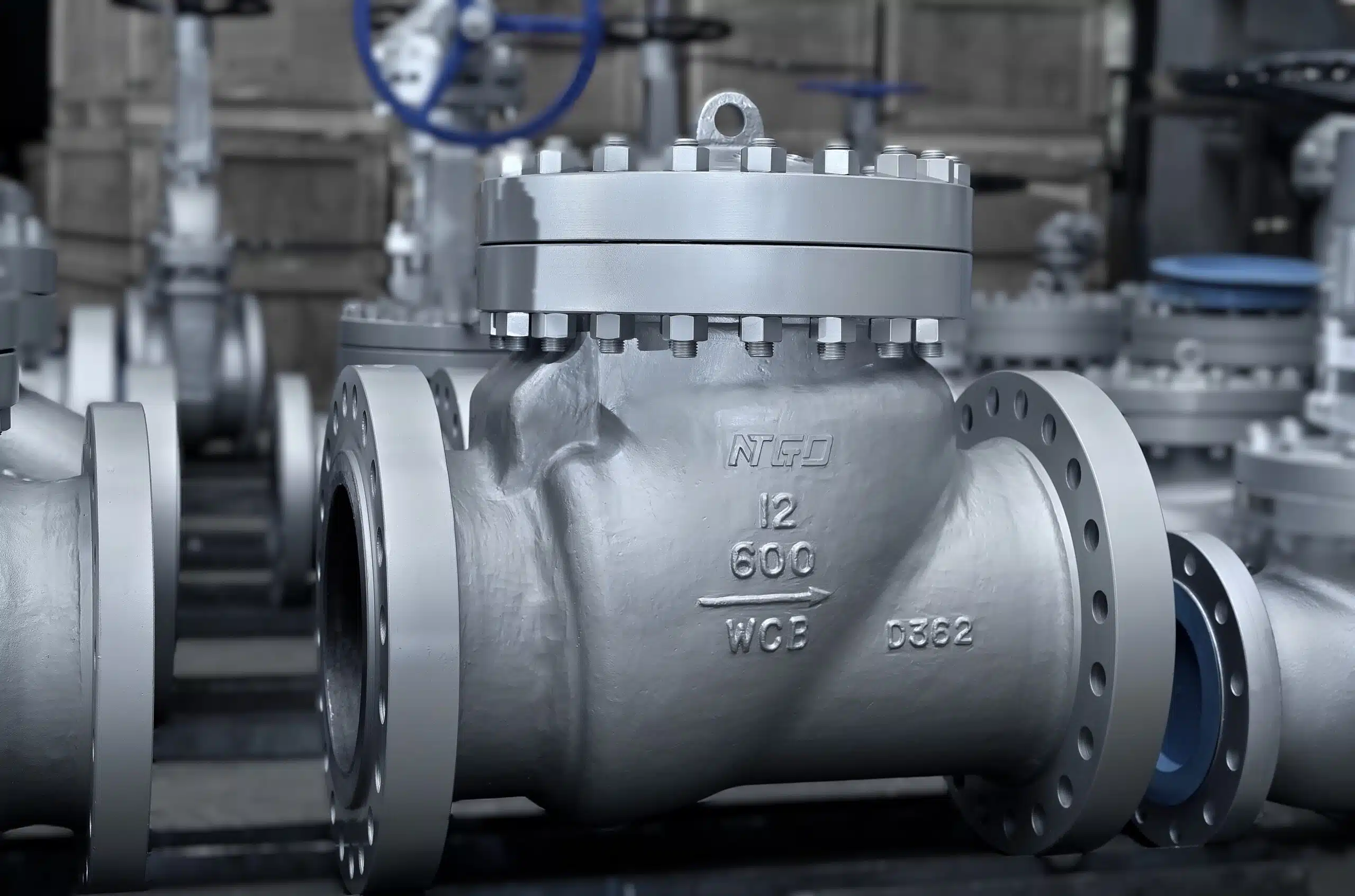
How Swing Check Valves Work
Swing check valves have a disc that swings. When fluid goes forward, the disc opens. If flow stops or goes backward, the disc shuts fast. The hinge lets the disc move easily. Gravity and back pressure help close the valve tight. Here is a table with the main parts and what they do:
| Mechanism Component | Function |
|---|---|
| Disc (Clapper) | Opens when flow moves forward, closes if flow stops or reverses |
| Hinge | Lets the disc swing when fluid pushes it |
| Gravity & Back Pressure | Pushes the disc closed to stop reverse flow |
Efficiency Factors of Swing Check Valves
Swing check valves have low pressure drop. This means fluid moves with little resistance. Your system can work better and save energy. The table below shows how pressure drop compares with other valves:
| Valve Type | Pressure Drop Characteristics |
|---|---|
| Swing Check Valves | Lower pressure drop, lets fluid move easily |
| Vertical Check Valves | Higher pressure drop because of design and gravity |
You can put swing check valves in horizontal pipes. This makes them good for big systems. Their simple design means less maintenance. You can check and fix the valve easily since it has few parts. NTGD swing check valves are strong and work well.
Tip: Pick swing check valves if you want low energy use and easy care.
Common Applications for Swing Check Valves
Swing check valves are used in many places. They work in water systems, wastewater plants, and water lines. Here are some ways people use them:
- Water lines
- Wastewater plants
- Fire systems
- Oil and gas plants
The table below shows main uses:
| Application Type | Description |
|---|---|
| Municipal Water Systems | Most used check valve for city and industrial water and wastewater systems. |
| Wastewater Treatment | Helps control flow in wastewater systems. |
| Water Distribution | Used in water lines to stop water from going backward. |
NTGD swing check valves help keep your system safe and working well. If you want good backflow protection and easy care, ask NTGD for help and advice.
Lift Check Valve Design and Performance
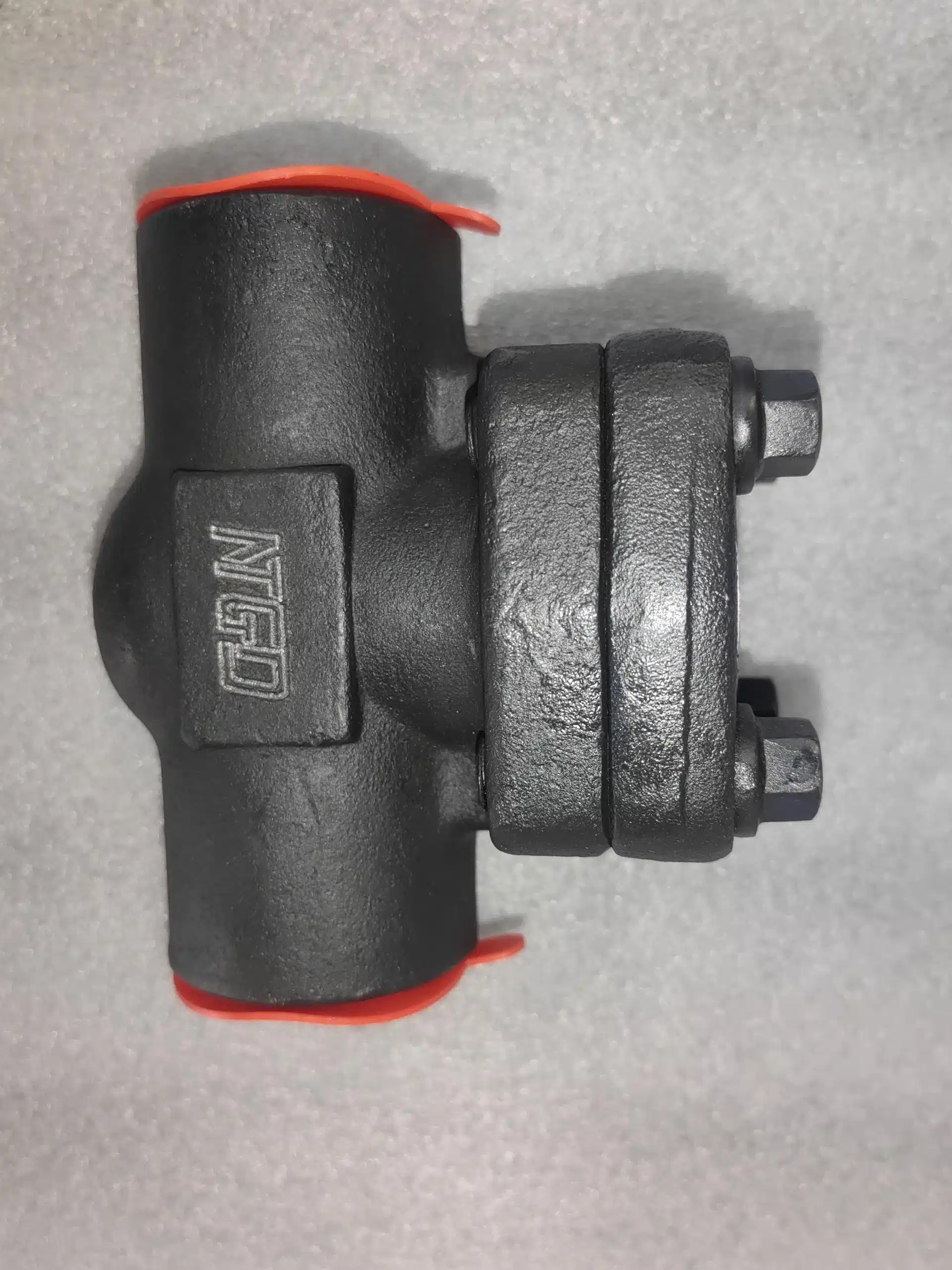
How Lift Check Valves Operate
You will find that a lift check valve uses a disc that moves up when fluid flows forward. The disc lifts off its seat, letting fluid pass through. When the flow slows or reverses, the disc drops back onto the seat, stopping backflow. This design works well in systems that need reliable backflow prevention. The table below shows how the main parts work together:
| Component | Function |
|---|---|
| Disc | Lifts off the seat with forward flow, drops back to seal against backflow. |
| Seat | Provides a surface for the disc to seal tightly and prevent reverse flow. |
Lift check valves stand out because they operate automatically. You do not need to adjust them. The disc responds to changes in flow, which helps protect your system.
Sealing and Leak Prevention in Lift Check Valves
You get strong sealing with lift check valves. The disc fits tightly against the seat, which helps prevent leaks. This tight seal is important in high-pressure systems. You can trust lift check valves to keep fluids moving in one direction. They work well in clean systems with steady flow. You will see fewer leaks and better system protection.
Note: Lift check valves are especially effective in vertical flow applications. The disc drops straight down onto the seat, which improves sealing and reduces the chance of leaks.
Typical Uses for Lift Check Valves
Lift check valves work in many industries. You can use them in water, steam, and gas systems. They are suitable for both horizontal and vertical installations. Here are some common uses:
- Oil & Gas
- Petrochemical
- Power Generation
- Water Treatment Plants
- Steam and Condensate Systems
The table below shows how lift check valves help in different systems:
| System Type | Typical Use |
|---|---|
| Water Systems | Prevents backflow in water pumping stations, protecting pumps. |
| Steam Systems | Maintains correct flow direction, improving efficiency in power generation. |
| Gas Pipelines | Controls gas flow and prevents backflow, ensuring safety and efficiency. |
You should know that lift check valves need regular inspections and cleaning. Debris can jam the disc, so maintenance is important. These check valves may cost more to buy and install. Their design can also increase energy use because of higher pressure loss, especially in large systems.
If you want reliable backflow prevention in high-pressure or vertical flow systems, NTGD lift check valves are a smart choice. Contact NTGD to get expert advice and find the best check valves for your project.
Swing vs Lift Check Valves: Efficiency Comparison
Response Time and Sealing
Swing check valves and lift check valves work differently. Swing check valves have a disc that swings shut fast when flow goes backward. This quick action helps stop backflow and keeps things safe. Lift check valves have a disc that lifts up and drops down onto the seat. They do not close as fast, but they seal tightly and do not leak much.
Here is a table that shows how each valve works:
| Valve Type | Response Time | Sealing Performance | Pressure Loss |
|---|---|---|---|
| Swing Check Valve | Fast | Excellent | Up to 20% |
| Lift Check Valve | Moderate | Good | Up to 10% |
Pick swing check valves if you need a fast reaction to flow changes. If you want a strong seal, lift check valves are better for stopping leaks, especially when pressure is high. NTGD has both types, so you can choose what fits your system.
Tip: If stopping leaks is very important, lift check valves are a good choice.
Pressure Drop and Flow Resistance
Pressure drop and flow resistance change how well your system works. Swing check valves let fluid move in a straight line. This means less pressure drop and less resistance. Lift check valves make fluid move in a twisty path, so pressure drop is higher.
The table below compares flow resistance:
| Feature | Lift Check Valve | Swing Check Valve |
|---|---|---|
| Flow Resistance | Higher pressure drop due to twisty path | Lower pressure drop with straight flow |
Swing check valves help save energy because fluid moves easily. Lift check valves are good for strong sealing, but they may use more energy because of higher resistance. NTGD makes check valves to help you get both good efficiency and protection.
Note: Less pressure drop means pumps do not work as hard, so you save money.
Suitability for Different Fluids and Pressures
You need to pick the right check valve for your system. Lift check valves are tough and last long. You use them in places with high pressure and high temperature. They work well in steam, gas, and clean water systems. You must filter out dirt so lift check valves do not get stuck. These valves handle pulsing flows and react quickly.
Swing check valves have low pressure drop. You use them in water systems and places where fluid moves fast. They open all the way when flow is strong. They work well in city water lines and wastewater plants.
Here is a list to help you choose:
- Lift check valves are best for high-pressure, high-temperature, and vertical flow.
- You need to filter fluids for lift check valves so they work right.
- Swing check valves are good for low-pressure systems and horizontal pipes.
- Swing check valves save more energy because they have less resistance.
New check valves use better materials like alloys that do not rust and strong plastics. NTGD uses these to make valves last longer and work better. Smart technology lets you watch how valves work in real time, so your system stays safe.
Call to Action: If you want help picking the right check valve, contact NTGD. NTGD will help you choose the best swing check valve or lift check valve for your project, so your system works well and stays safe.
Application Recommendations for Swing and Lift Check Valves
Water, Gas, and Steam Systems
It is important to pick the right check valve. Each system needs different features. In water systems, check valves are used in places with lots of flow. These places include city water lines and treatment plants. Gas systems need check valves that stop leaks and work with clean gas. Steam systems need check valves that can handle high heat and pressure.
Here is a table to help you compare which valve fits your application:
| Criteria | Swing Check Valve | Lift Check Valve |
|---|---|---|
| Installation Orientation | Horizontal, vertical, or inclined | Usually horizontal pipelines |
| Sealing Ability | Better sealing capability | Good sealing, but less than swing type |
| Fluid Compatibility | Water, steam, gas, and more | Clean media, not for viscous fluids |
| Application Considerations | Best for low-pressure, large diameter applications | Best for horizontal pipelines and specific uses |
| Size and Pressure Range | Handles high pressures and large diameters | Limited to certain sizes and pressures |
Lift check valves work best with clean water, gas, and steam. They are good when you need strong sealing. Swing check valves can be used in more places. They are great for systems with lots of flow.
High and Low Pressure Scenarios
You need to match the valve to your pressure needs. For high pressure, other valves like ball, gate, or globe valves are used. These valves shut off flow quickly or control it well. Lift check valves work with medium pressure and are best in horizontal pipes. Swing check valves can handle both low and high pressure. This makes them useful for many jobs.
- Ball valves: Shut off flow fast in high pressure
- Gate valves: Let fluid move easily in high pressure
- Globe valves: Help control flow in high pressure
If you need a check valve for lots of flow, swing check valves are best. They let fluid move easily in big systems. Lift check valves are better for small, clean systems where sealing matters most.
Maintenance and Cost Considerations
You want your system to work well all the time. Swing check valves need to be checked every year, especially in tough places. They are big, so you can clean and fix them easily. This makes changing parts simple. Lift check valves have fewer parts, so they may cost less to keep up. But fixing them can be harder because they are smaller. Swing check valves may cost more at first, but you can fix them instead of buying new ones. This saves money over time.
Tip: Pick NTGD check valves if you want valves that work well and are easy to take care of.
When you choose a check valve, think about what you need for your system. Think about the job, pressure, flow, and how easy it is to fix. NTGD can help you pick the best check valve for your needs. Contact NTGD to get help and find the right valve for your system!
Pros and Cons Table: Swing vs Lift Check Valves
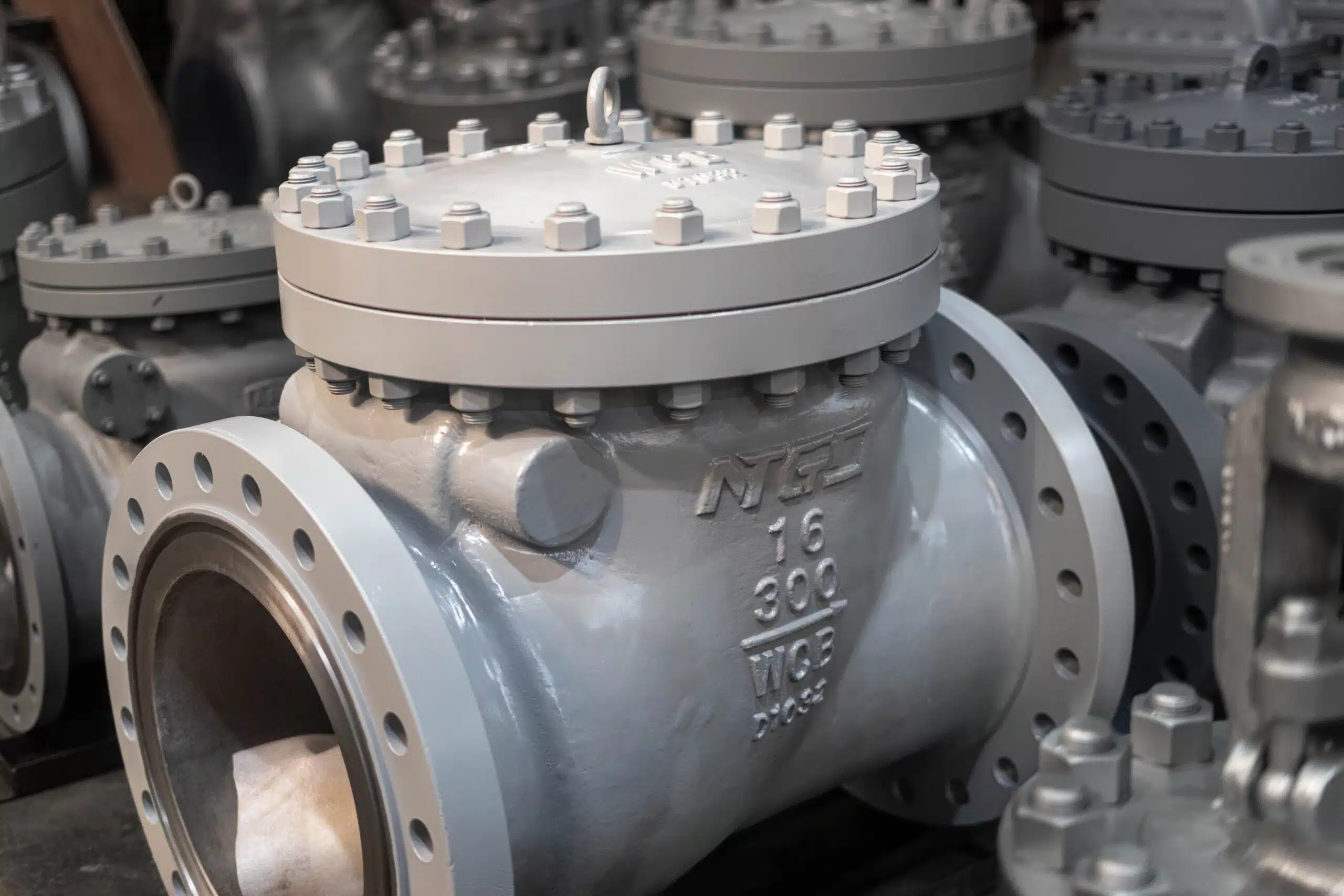
Efficiency and Reliability
You might wonder how these check valves work in your system. The table below shows how swing and lift check valves compare. You can see how each one deals with pressure drop, sealing, and how you install them.
| Metric | Swing Check Valve | Lift Check Valve |
|---|---|---|
| Pressure Drop | Small because fluid moves straight | Bigger because fluid goes through a small space |
| Sealing Performance | Good, but not as tight as lift type | Very good, seals well |
| Installation Requirements | Easy to install in many pipe positions | Needs to be put in a certain way |
Tip: Lift check valves seal better, but swing check valves are easier to put in.
Maintenance Needs
When picking a check valve, think about how much care it needs. Swing check valves have a disk that might need more fixing. You may have to check them more often. Lift check valves have fewer moving parts, so you fix them less. Both types need cleaning to keep working well.
- Swing check valves need more checks.
- Lift check valves need less fixing, but the fluid must be clean.
Cost and Lifespan
You want to save money and have your system last a long time. Swing check valves usually cost about twice as much as lift check valves. Swing types can use more energy because of higher pressure drop. You might have to change parts more often in swing check valves. Lift check valves cost less at first and last longer if the fluid is clean.
| Feature | Swing Check Valve | Lift Check Valve |
|---|---|---|
| Average Cost | More expensive | Less expensive |
| Lifespan | Lasts a fair amount of time | Lasts longer with clean fluid |
| Energy Use | Uses more energy | Uses less energy |
NTGD has check valves you can trust for any job. You can ask NTGD for help to pick the best valve for your system.
You should pick a valve that fits your system. Experts say you can use the table below to help you choose:
| Valve Type | Application Needs |
|---|---|
| Swing Check Valves | Good for lots of flow and horizontal pipes |
| Lift Check Valves | Best for low pressure and vertical pipes |
Efficiency is important for every job. Think about these things:
- The right size valve helps your system work well.
- How you take care of it, how much it costs, and how you put it in will change how long it works.
You can ask NTGD for more details or a price. NTGD will help you find the best check valve for your system.
