
Gate valves are important for controlling liquids and gases in pipelines. They help start or stop the flow completely. A gate-like part moves up or down to control this. These valves are very useful in oil and gas pipelines. They keep things running smoothly and help avoid accidents.
Gate valves work well in tough conditions. They can handle pressures like 1500, 2500, or even 4500 psi. This makes them dependable under high pressure. Their strong design also handles high heat. This keeps them safe and long-lasting in hard environments.
Key Takeaways
- Gate valves help control how liquids and gases move in pipelines. They are important for safety and smooth operations in oil and gas work.
- There are different gate valves, like rising stem and slab gate valves. Each type is made for specific jobs and works best in certain conditions.
- Taking care of gate valves with checks and oiling is important. This keeps them working well and stops leaks.
- Smart valves and automation are changing how pipelines are managed. They make things safer and more efficient in the oil and gas field.
- Picking the right materials, like carbon steel or stainless steel, is key. These materials make gate valves strong and reliable under high pressure and heat.
Gate Valves: Functionality and Types
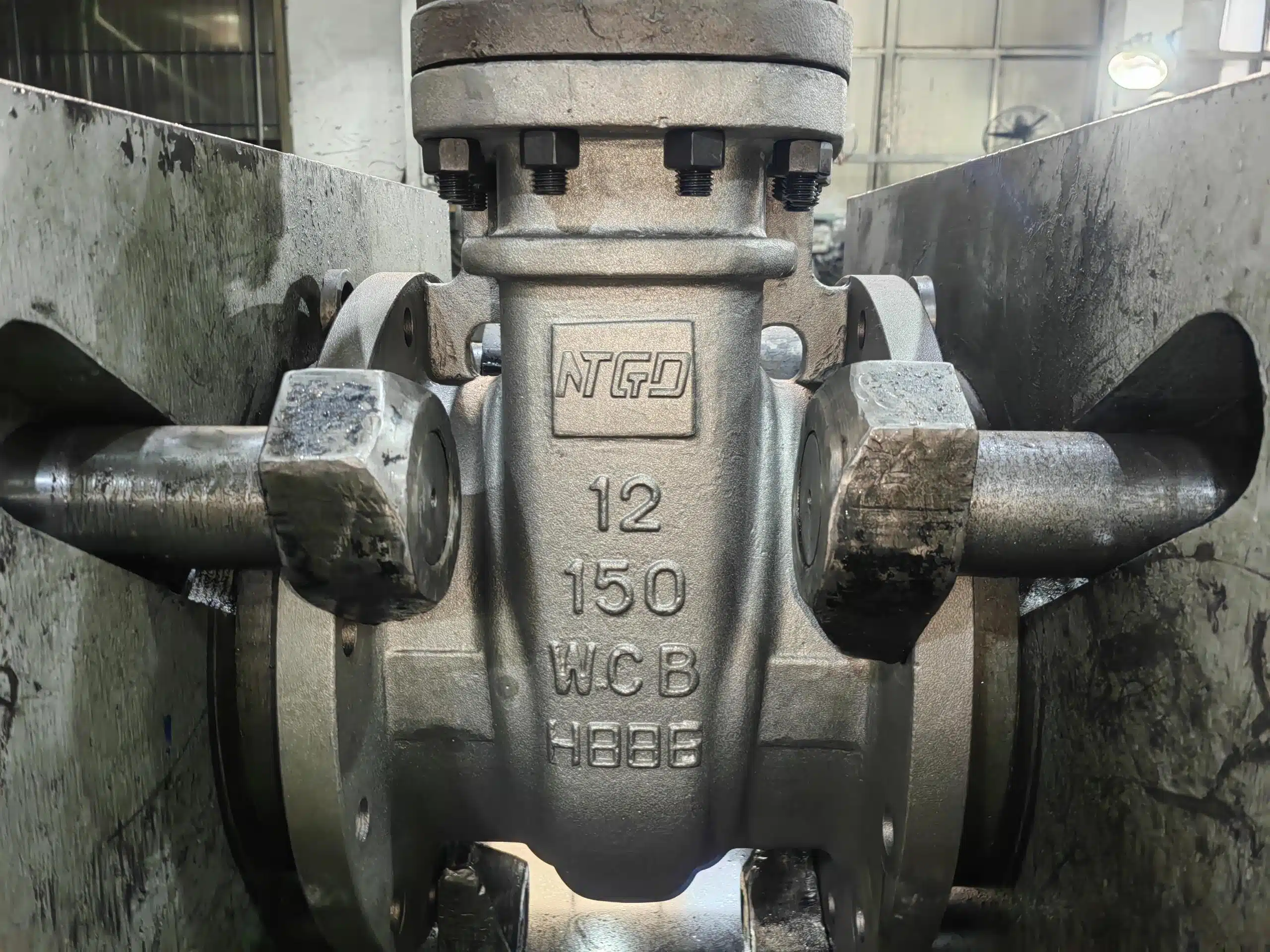
How Gate Valves Work
Gate valves use a flat or wedge-shaped gate to control flow. Turning the handwheel moves the stem, which lifts or lowers the gate. This either lets fluid pass or blocks it completely. When fully open, the valve allows fluid to flow straight, reducing pressure loss.
Inside a gate valve, parts like the body, bonnet, stem, gate, and seat work together. The gate presses against the seat to stop flow, while the stem moves the gate smoothly. This simple design makes gate valves great for high-pressure uses, like in oil and gas pipelines.
Tip: Diagrams of gate valves show parts like the handwheel, stem, gasket, and flange. Knowing these parts helps you understand how the valve works.
Types of Gate Valves
Gate valves come in different types for specific uses. Common ones include:
- Rising Stem Gate Valves: The stem moves up when the valve opens, showing its position. These are useful where you need to see if the valve is open or closed.
- Non-Rising Stem Gate Valves: The stem doesn’t move up, saving space. These are good for tight areas.
- Slab Gate Valves: These have a flat gate that seals with pressure. They are strong and often used in oil and gas pipelines.
- Expanding Gate Valves: These have a split-disc that expands for a tighter seal. They work well in low-pressure systems.
- Wedge Gate Valves: These have a wedge-shaped gate for a strong seal. They handle many pressures and temperatures.
Each type has its own benefits. For example, slab gate valves allow smooth flow with no turbulence. Expanding gate valves are great for sealing in low-pressure systems.
Key Materials in Gate Valve Construction
The materials used in gate valves affect how well they work and last. Common materials include:
- Carbon Steel: Strong and handles high pressure, perfect for oil and gas pipelines.
- Stainless Steel: Resists rust, great for harsh or corrosive fluids.
- Bronze: Used in small valves, it resists wear and lasts long.
- Alloy Steels: Made for extreme heat and pressure, ensuring durability.
Materials are tested to ensure reliability. Valves go through pressurized cycles to check seals and strength. After many cycles, they are inspected for wear and performance. This testing proves they can handle tough conditions, like in oil and gas pipelines.
Note: Picking the right material depends on the job. Stainless steel is best for corrosive fluids, while carbon steel works well in high-pressure systems.
Applications of Gate Valves in Oil and Gas Pipelines
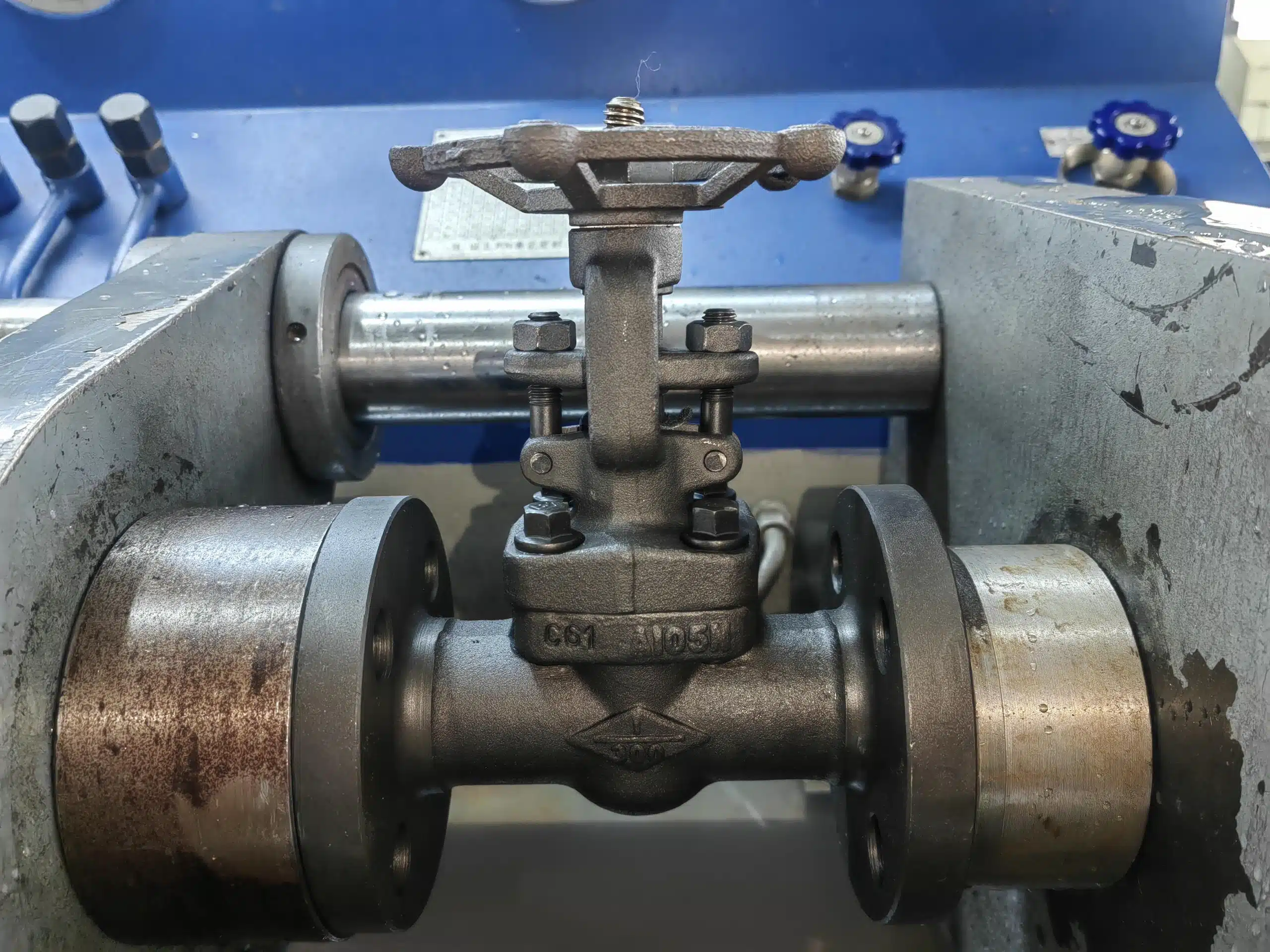
Gate valves are very important in the oil and gas industry. They help keep things running smoothly in upstream, midstream, and downstream tasks. These valves can handle high heat and pressure, making them essential.
Role in Upstream Operations
In upstream work, gate valves are used for finding and producing oil and gas. They are found in drilling, well completion, and fixing wells. These valves control the flow from wells, keeping the process safe and efficient.
For example, during drilling, gate valves manage drilling mud. This mud cools the drill and brings cuttings to the surface. The valves stop leaks and keep pressure steady. This helps avoid dangerous blowouts and other problems.
Did you know? Finding new oil and gas reserves increases the need for gate valves. They are a key part of upstream work.
Role in Midstream Operations
Midstream work involves moving and storing oil and gas. Gate valves are very important here. They are used in pipelines, storage tanks, and compressor stations. These valves control flow and can close parts of the system when needed.
About 35% of all valves used worldwide are for oil and gas. This shows how important gate valves are in midstream work. They are strong and can handle rough fluids, making them great for pipelines. With more shale gas and LNG projects, the need for these valves is growing.
Here’s a simple look at how they are used in oil and gas:
| Segment | Application Description |
|---|---|
| Upstream | Valves used in drilling, well completion, and fixing wells. |
| Midstream | Valves used in pipelines, storage tanks, and compressor stations. |
| Downstream | Valves used in refineries and gas processing plants. |
Role in Downstream Operations
In downstream work, gate valves are used for refining and processing oil and gas. They are found in refineries, chemical plants, and gas processing places. These valves control the flow of oil and gas as they turn into products like fuel and plastics.
For example, in a refinery, gate valves manage fluid flow in distillation towers. They stop leaks even under high heat and pressure. This makes the process safer and more efficient by stopping harmful leaks.
Tip: Taking care of gate valves in downstream work helps them last longer. It also keeps them working well in tough conditions.
Benefits of Gate Valves
Durability and Longevity
Gate valves are made to last in tough conditions. Strong materials like carbon steel and cast iron give them strength. These materials resist damage, even with frequent use. But regular care is needed to stop rust or leaks.
- Tests using Finite Element Analysis (FEA) prove gate valves are strong. They show how these valves handle stress in high-pressure systems.
- Studies show that while gate valves need upkeep due to moving parts, their sturdy build makes them last long in harsh places.
Taking care of gate valves helps them work longer and better in oil and gas pipelines.
Effective Sealing and Leak Prevention
Gate valves are great at stopping leaks, even under high pressure. Their design creates a tight seal when closed, keeping fluids inside. This is very important for safety and smooth operations in oil and gas work.
| Test Type | Purpose |
|---|---|
| Shell Test | Checks if the valve stops leaks under different pressures. |
| Backseat Test | Makes sure pressure doesn’t leak past the stem or shaft seal. |
| Low-Pressure Closure Test | Tests if the valve seals well under low pressure. |
| High-Pressure Closure Test | Confirms the valve seals properly under high pressure, key for tough systems. |
These tests show how reliable gate valves are at stopping leaks. You can count on them to keep systems safe, even in hard conditions.
Handling High Pressures and Temperatures
Gate valves work well in extreme conditions. They handle pressures up to 15,000 psi and temperatures over 572°F (300°C). This makes them perfect for oil and gas pipelines with tough fluids.
- Temperature Resistance: Gate valves work in heat over 300°C, great for industrial uses.
- Corrosion Resistance: Special alloys like Inconel and Hastelloy fight rust, making valves last longer.
- Sealing Performance: Tight seals stop leaks, even in high-pressure systems.
| Test Type | Description |
|---|---|
| Cryogenic Testing | Tests valves in very cold temperatures, like -320°F (-196°C) for LNG uses. |
| Pressure Testing | Hydrostatic tests check if valves handle high pressure over time. |
| Endurance Testing | Long tests check valve strength under changing pressure and heat. |
With these features, gate valves keep pipelines safe and efficient, even in the hardest conditions.
Maintenance of Gate Valves
Taking care of gate valves keeps them working well and lasting longer. Regular checks, adding lubricant, and fixing problems are key steps. These help the valves work smoothly in oil and gas pipelines.
Inspection and Monitoring Practices
Checking valves often helps find problems early. Watching the valve parts ensures they stay in good shape. New tools like self-adjusting and magnetic seals make valves more reliable. They also reduce the need for frequent manual checks.
Here are some simple tips for inspecting gate valves:
- Lower system pressure before starting any maintenance.
- Look for leaks around the valve body and seals.
- Check the valve seat and disc for damage or wear.
- Make sure the bonnet-body connection is tight to stop leaks.
Tip: Tools like the ORBIT rising stem ball valve are easy to use. They need less effort and make inspections faster.
Lubrication and Seal Maintenance
Lubrication helps parts move easily and last longer. Adding lubricant to the stem threads and nut makes opening and closing the valve easier. Keeping seals in good shape stops leaks and improves performance.
Steps for good lubrication and seal care include:
- Add lubricant to the stem threads and nut to reduce wear.
- Replace seals that are damaged or worn out quickly.
- Adjust valve packing every month to stop fluid leaks.
Note: Checking for rust and wear early helps the valve last longer.
Fixing Common Problems
Issues like leaks or clogs can cause delays. Finding and fixing these problems early saves time and money. Checking visually and testing pressure can spot broken seals or damaged parts.
Follow these steps to fix common valve problems:
- Find leaks early, especially in wastewater systems.
- Clean valve parts to remove clogs.
- Smooth the valve seat and disc for a tighter seal.
By following these steps, gate valves will stay strong and work well, even in tough conditions.
Future of Gate Valve Technology
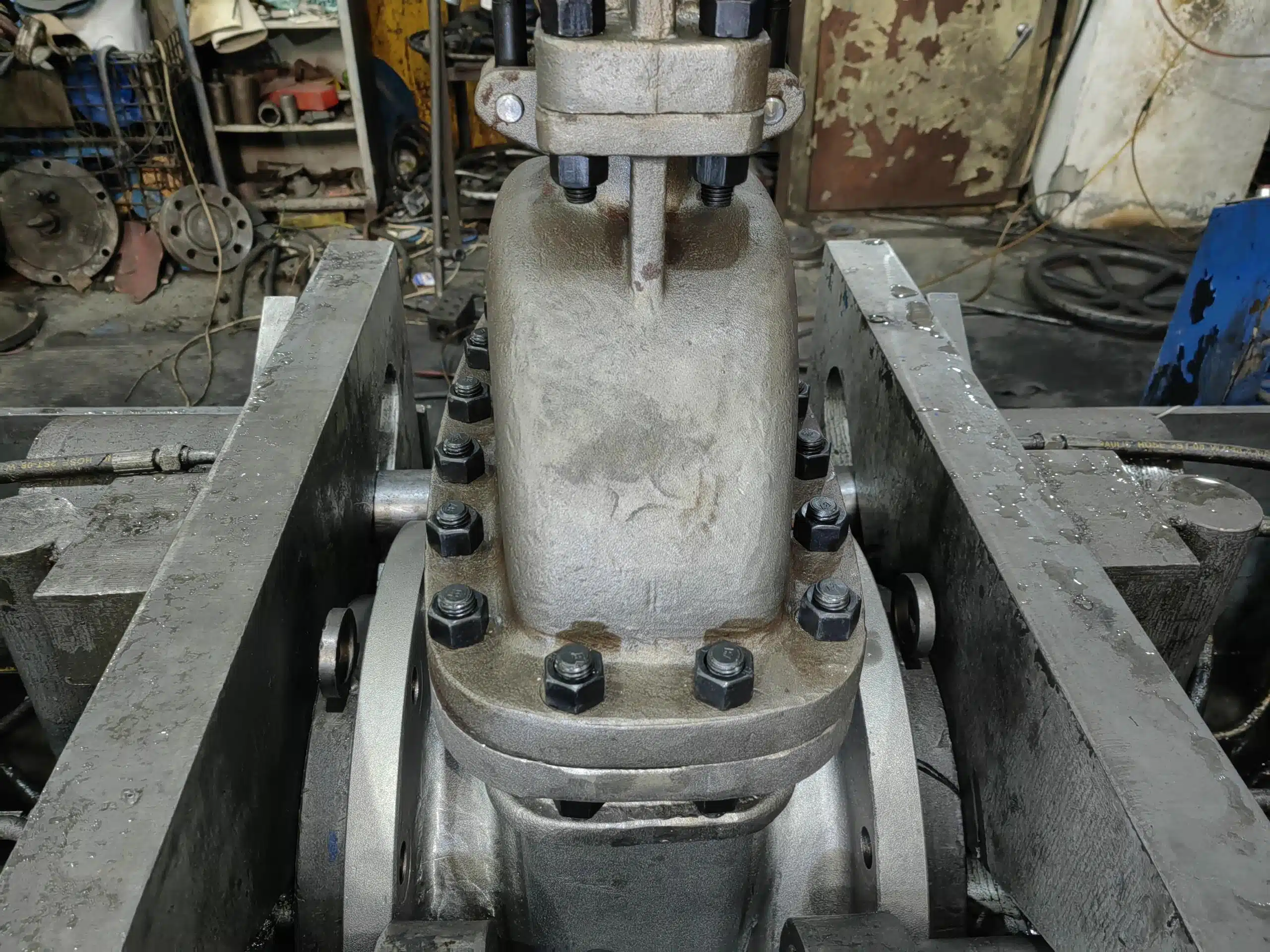
Smart Valve Technology
Smart valves are changing how gate valves work in pipelines. These valves now have sensors and electronics to check flow, pressure, and temperature instantly. This data helps improve pipeline performance and fix problems early.
Main features of smart valves include:
- Real-time monitoring: Sensors constantly check fluid conditions.
- Predictive maintenance: Alerts warn about issues, cutting downtime.
- Energy efficiency: Automatic changes save energy and reduce waste.
Smart valves are becoming more popular because they boost safety and efficiency. A 2025 report shows their key role in keeping pipelines running smoothly.
Automation and Remote Monitoring
Automation and remote monitoring are changing pipeline management. Automated gate valves let you control them from far away, reducing manual work. This makes pipelines safer and faster to manage, especially in risky areas.
Advantages of automation include:
- Remote access: Control valves from miles away in control rooms.
- Improved accuracy: Automated systems adjust flow rates precisely.
- Enhanced safety: Remote monitoring keeps workers out of danger.
The gate valve market is expected to grow, reaching $10.0 billion by 2035. This growth is due to better automation and smarter fluid control systems.
| Year | Market Size (USD Billion) | CAGR (%) |
|---|---|---|
| 2023 | 7.24 | N/A |
| 2024 | 7.44 | N/A |
| 2035 | 10.0 | 2.73 |
Innovations in Design and Materials
New designs and materials are making gate valves stronger and better. Experts use tools like Finite Element Analysis (FEA) and Computational Fluid Dynamics (CFD) to test valves. These tools show how valves handle high pressure and heat.
Recent improvements include:
- Design modifications: Valves are built for tough oil and gas jobs.
- Hydraulic efficiency: New methods improve how fluids move through valves.
- Advanced materials: Alloys like Inconel resist rust and last longer.
| Study Title | Key Innovations | Techniques Used |
|---|---|---|
| A Review on Design and Analysis of Gate valve using Various Computer Aided Techniques | Stronger designs for high-pressure oil and gas jobs | Finite Element Analysis (FEA) and Computer Aided Design Method (CADM) |
| Hydraulic analysis of gate valve using computational fluid dynamics (CFD) | Testing valves for extreme conditions | Computational Fluid Dynamics (CFD) |
| Experimental study of a Gate Valve for Improvement in its Hydraulic Efficiency in Laboratory Channels | Improving fluid flow in different conditions | Experiments and theory comparisons |
These updates make gate valves more reliable and efficient, even in tough situations.
Gate valves are key to keeping oil and gas pipelines safe. They work well under high pressure and heat, making them essential. Regular care, like adding grease and checking parts, helps them last longer.
- The gate valve market may reach USD $10.0 billion by 2035. This growth is due to industrial needs and new technology.
- New ideas like smart valves and automation make pipelines safer. Better materials make valves stronger and easier to maintain.
Using these improvements ensures pipelines stay safe and work better.
