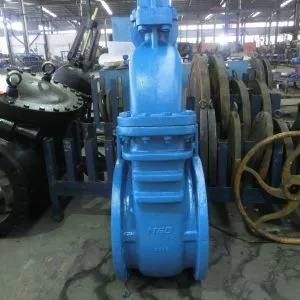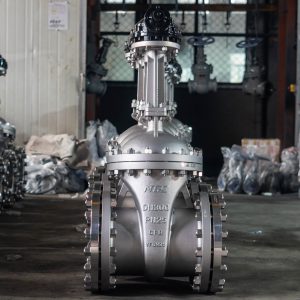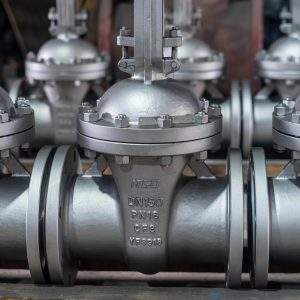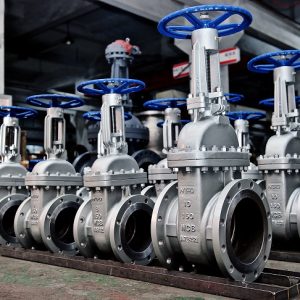

A stainless steel gate valve controls fluid flow by moving a gate up or down inside the valve. Its strong design makes it work well in tough conditions. Many industries like these valves because they resist rust and handle high pressure and heat.
The worldwide market for stainless steel cryogenic gate valves is expected to grow by 8% each year, reaching about $800 million by 2025. This shows their growing use in areas like LNG processing and energy production, where accuracy and strength are very important.
Key Takeaways
- Stainless steel gate valves are strong and don’t rust easily. This makes them great for tough places and lowers repair costs.
- These valves work well under high heat and pressure. They are reliable for jobs in oil, gas, and power plants.
- Stainless steel gate valves can be used in many ways. They are helpful in cleaning water, making food, and handling chemicals. They keep fluids safe and flowing well.
- Picking the right stainless steel type, like 304 or 316, is important. It helps match the valve to the fluid and surroundings.
- Taking care of these valves is very important. Check them often and add oil to make them last longer and work better.
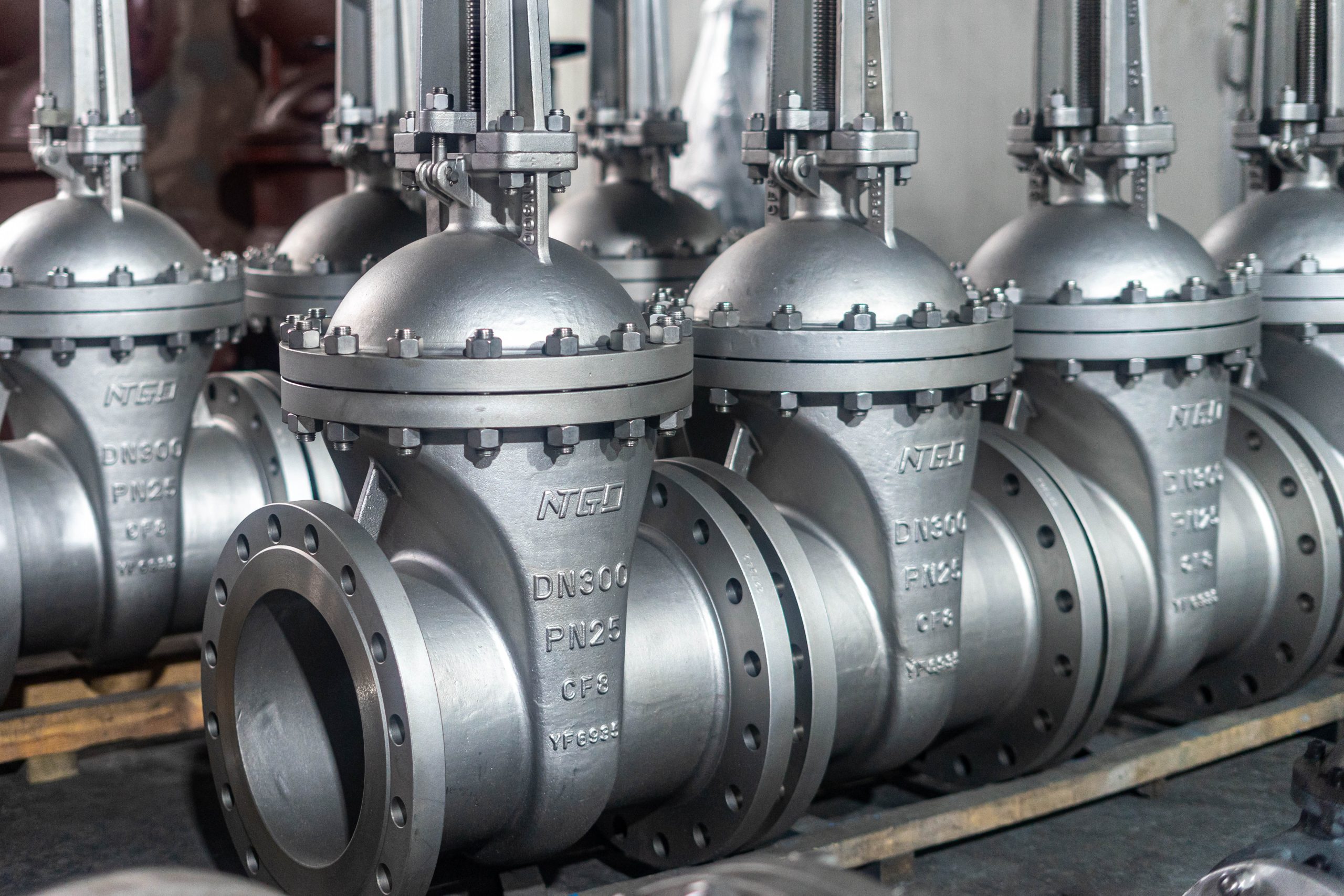
Advantages of Stainless Steel Gate Valves
Durability and corrosion resistance
Stainless steel gate valves are strong and resist rust well. They are made with great care to meet top industry standards. These valves work reliably even in tough environments. Stainless steel does not rust or get damaged by chemicals. This makes it perfect for use with harsh liquids or extreme conditions.
| Feature | Description |
|---|---|
| Precision Engineered | Made with advanced tools to ensure high quality. |
| Long-Lasting & Durable | Built to last and handle tough industrial tasks. |
| Certified & Tested | Checked carefully to meet strict quality rules. |
These valves last a long time and need little fixing. This saves both time and money. They are great for water systems or chemical plants. Stainless steel valves shut off well and stay strong over time.
High-temperature and pressure tolerance
These valves work well in very hot or high-pressure places. Their strong build keeps them working without problems. They also keep pressure steady, even in tough systems.
Industries like oil, gas, and power plants need tough equipment. Stainless steel valves, like those from NTGD, meet these needs. They help keep operations safe and running smoothly. Their strength makes them a top choice for hard jobs.
Versatility across industries
Stainless steel gate valves can be used in many fields. They are found in water systems, food factories, and energy plants. Their rust resistance and flexibility make them useful for many liquids. These include clean water and strong chemicals.
| Source | Key Insights |
|---|---|
| Stainless Steel Control Valve Market | Stainless steel is strong and resists rust, used in oil, water, and chemicals. |
| Gate Valve Market Size, Share And Trends Report 2035 | Stainless steel is key for oil, water, and power industries. |
| Stainless Steel Gate Valves Market Size, Consumer Behavior Insights & Forecast 2033 | Demand is rising for stainless steel in tough, high-pressure jobs. |
Whether in food factories or power plants, these valves are flexible. NTGD’s stainless steel valves fit many uses. They provide reliable and high-quality performance everywhere.
Long-lasting and Budget-Friendly
Stainless steel gate valves last a long time. They are strong and work well in tough places. These valves don’t rust, even with harsh chemicals or extreme conditions. Their strength means less fixing is needed, saving time and money.
These valves are also a smart money choice. They may cost more at first, but they save money over time. They stop leaks well and let fluids flow smoothly. Their design keeps pressure steady when fully open.
| Benefit/Feature | Details |
|---|---|
| Rust Resistance | They don’t rust, making them great for many industries. |
| Smooth Fluid Flow | Fluids move easily with little blockage when the valve is open. |
| Strong Shut-off | They seal tightly if cared for properly. |
| Cost-Saving | Bigger sizes can be cheaper than other valve types in the long run. |
| Handles Thick Fluids | They prevent clogs, making them good for slurries. |
These valves are great for thick liquids like slurries. They stop solids from building up, which helps in mining and wastewater jobs. Picking stainless steel gate valves gives you a strong, efficient, and cost-saving solution.
Buying these valves means getting a long-term fix. They last longer and need less care. This makes them perfect for industries wanting to save money while keeping high performance.
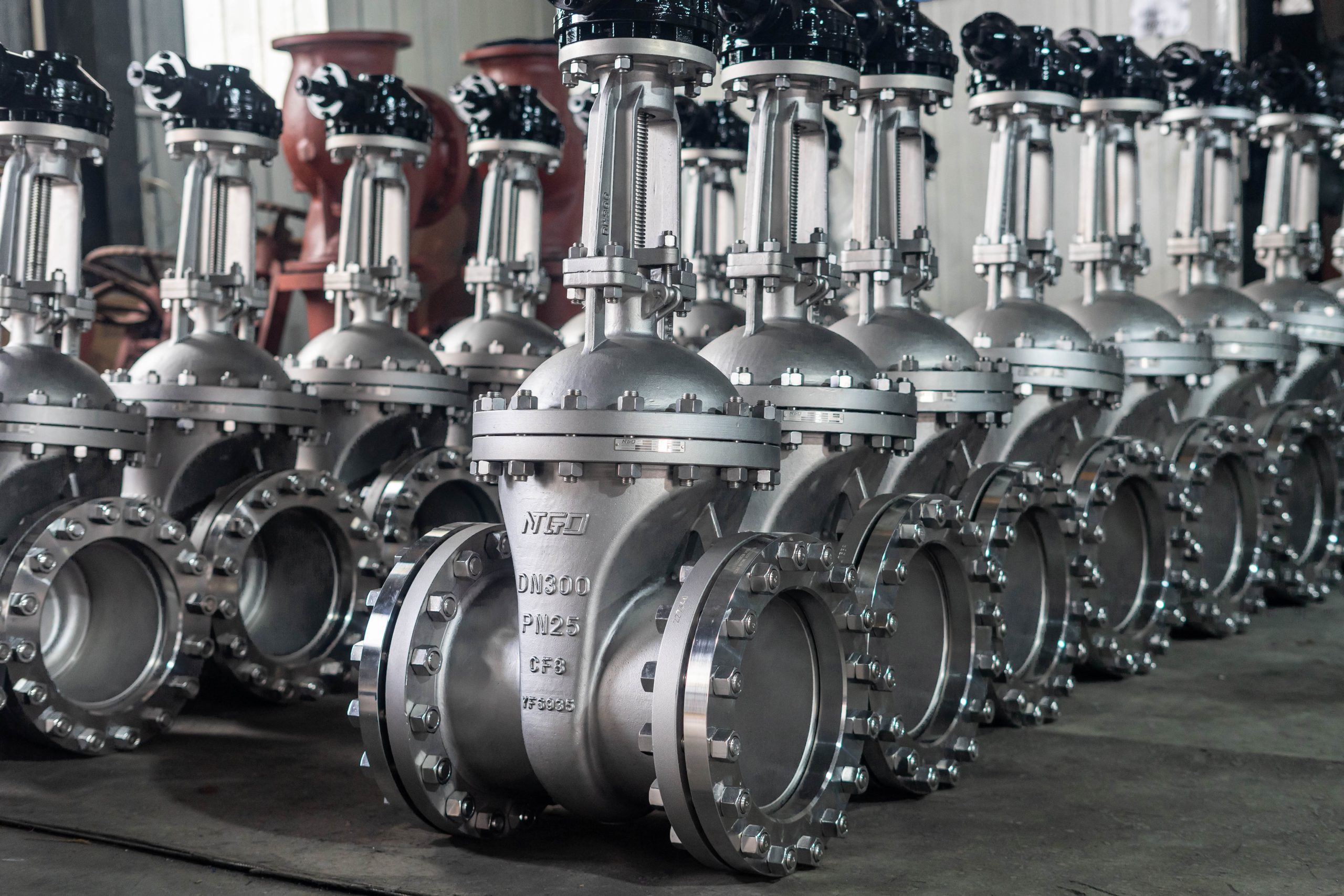
Applications of Stainless Steel Gate Valves
Oil and gas industry
Stainless steel gate valves are very important in oil and gas. They work well under high pressure and heat. This makes them perfect for pipelines and offshore platforms. These valves resist rust, even in salty or chemical-filled places.
The need for cryogenic gate valves is growing fast. This is because LNG transport and storage are increasing. By 2026, the market for these valves may reach $1.2 billion. It is expected to grow by 6.5% yearly from 2026 to 2030. This shows how vital they are for safe oil and gas operations.
| Market Segment | Market Share | Applications |
|---|---|---|
| Stainless Steel Valves | 33% | Oil and gas, chemical processing, water treatment, pharmaceuticals |
These valves reduce pressure loss and keep fluid flowing smoothly. Their strong build makes them great for refining and LNG systems.
Water treatment systems
In water systems, stainless steel gate valves control water flow. They resist rust, so they handle treated water, seawater, and wastewater well. These valves stay strong in wet and chemical-filled places.
They are used in city water systems, desalination plants, and wastewater facilities. They keep pressure steady and work well in big systems. Stainless steel valves also stop contamination, keeping water clean for sensitive uses.
| Feature | Benefit |
|---|---|
| Corrosion Resistance | Works with treated water and chemicals without damage. |
| Minimal Pressure Loss | Keeps fluids moving easily in large systems. |
| Contamination Prevention | Ensures water stays clean in important applications. |
Choosing these valves means long-lasting use and lower repair costs.
Chemical and petrochemical industries
Stainless steel gate valves are key in chemical industries. They handle harsh and rough liquids safely. You’ll see them in chemical plants, steam systems, and pipelines. They are built to last and work reliably.
These valves meet strict rules like API 603 and ISO 19001. They resist rust and can handle acids and solvents. KITZ stainless steel valves are popular for their strength and reliability.
- Used in oil pipelines, offshore platforms, and chemical plants.
- They control liquid flow in chemical and petrochemical systems.
- Stainless steel valves stop leaks and keep steam and water systems running well.
Using these valves reduces downtime and boosts efficiency. Their tough design handles strong and harmful liquids easily.
Food and beverage processing
Stainless steel gate valves are very important in food production. They help keep food and drinks safe and clean. These valves meet strict cleanliness rules, making them perfect for this industry.
They resist rust and handle liquids like juices, milk, and cleaners. Stainless steel valves stop contamination, keeping liquids pure. This makes them essential for bottling, pasteurizing, and fermenting.
Here’s why they work well in food and drink production:
- Hygienic Design: Smooth surfaces stop bacteria from growing, meeting safety rules.
- Durability: They survive frequent cleaning and strong chemicals.
- Minimal Pressure Loss: Fluids flow easily, keeping production lines efficient.
Using stainless steel gate valves gives reliable results and saves money over time. They handle high heat and strong cleaners, ensuring top product quality.
Power generation and energy sectors
In power plants, safety and efficiency are very important. Stainless steel gate valves are great for handling tough conditions. They are used in steam systems, cooling water, and fuel systems.
These valves control flow precisely, keeping pressure steady in tough places. Their rust resistance makes them good for harsh fluids in energy jobs like offshore drilling.
| Evidence Type | Description |
|---|---|
| Critical Flow Control | Keeps pressure steady in high-stress systems. |
| Safety Compliance | Helps meet safety rules for handling dangerous fluids. |
| Corrosion Resistance | Handles heat and harsh fluids, perfect for energy jobs. |
| Top Consumers | Used in oil, gas, water, and power industries. |
Stainless steel valves stop leaks and ensure safe shut-off. Their strong design reduces downtime, which is key for energy production.
Whether in thermal plants or renewable energy, these valves perform well. They handle tough jobs, making them essential in the energy field.
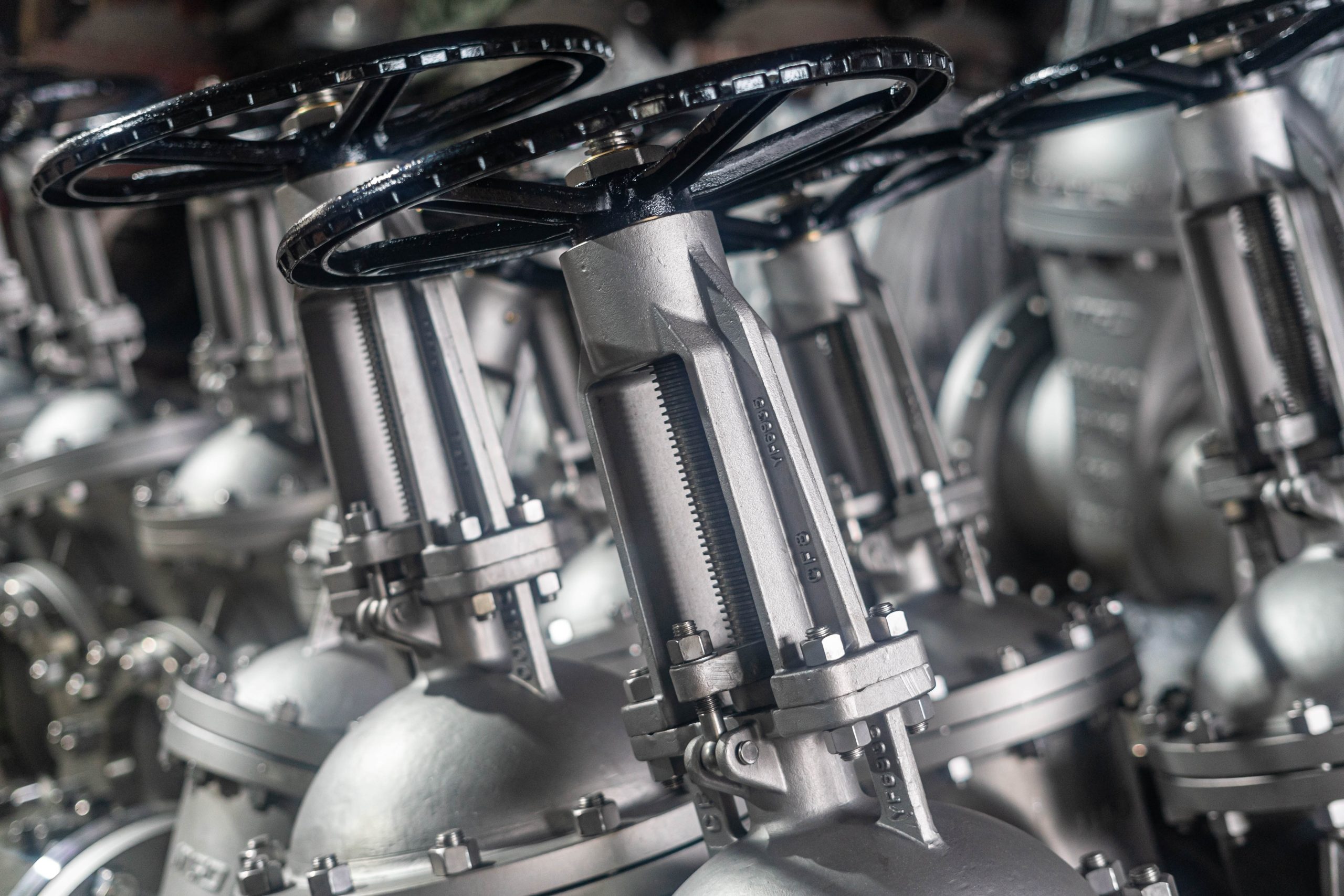
Types of Stainless Steel Gate Valves
Rising stem vs. non-rising stem designs
It’s important to know the difference between rising and non-rising stem valves. Rising stem valves have a stem that moves up or down. This movement shows if the valve is open or closed. It’s easy to see the valve’s position with this design. Non-rising stem valves keep the stem in one place. They are better for small spaces where height is limited.
| Feature | Rising Stem | Non-Rising Stem |
|---|---|---|
| Visual Indicator | Yes, shows position clearly | No, harder to see position |
| Space Requirement | Needs more vertical room | Compact, fits in tight spaces |
| Maintenance Ease | Easier to fix and check | Harder to access and maintain |
Rising stem valves are great for high-pressure systems needing accuracy. Non-rising stem valves are best for tight spots like underground pipes.
Solid wedge, flexible wedge, and split wedge types
Gate valves have different disc designs for various uses. Solid wedge valves are strong and simple, good for high-pressure steam. But they might not work well in extreme conditions. Flexible wedge valves have two parts, allowing them to handle heat changes better. They are also easier to fix. Split wedge valves are great for stopping thermal binding and are simple to maintain.
Flexible and split wedge valves are perfect for places with changing temperatures, like chemical plants. Solid wedge valves are tough but may leak more, so they’re not ideal for sensitive systems.
Manual, electric, and pneumatic actuated valves
How a valve works depends on its actuation type. Manual valves are hand-operated, making them simple and dependable. Electric valves are automated and precise, ideal for power plants and water treatment. Pneumatic valves are fast and strong, useful in mining and food industries.
| Actuation Type | Benefits | Applications |
|---|---|---|
| Manual | Easy to use and reliable | Simple pipelines, basic systems |
| Electric | Automated and accurate | Factories, water treatment plants |
| Pneumatic | Quick and powerful | Mining, food production |
Pick the right actuation type based on your system’s needs. Manual valves are good for basic tasks. Electric and pneumatic valves work better for advanced jobs.
Common stainless steel grades (e.g., 304, 316, duplex)
Knowing about stainless steel grades helps pick the right one. Each grade has special features for different jobs and industries.
Grade 304
Grade 304 is the most used stainless steel type. It resists rust very well, making it great for many uses. You’ll see it in food machines, water systems, and chemical plants. It’s easy to shape and weld, working well in tough conditions.
- Key Features:
- Strong rust resistance.
- Easy to weld and shape.
- Works in places with mild corrosive exposure.
Grade 316
Grade 316 has molybdenum, which fights rust from salt and acids. This makes it perfect for salty or chemical-filled areas. It has 16% chromium, 10% nickel, and 2% molybdenum. These make it strong in tough, corrosive places. It’s used in boats, chemical plants, and medicine factories.
- Key Features:
- Better resistance to salt and acids.
- Works well in very corrosive places.
- Common in saltwater and chemical systems.
Duplex Stainless Steel
Duplex stainless steel mixes austenitic and ferritic alloys. It is strong and resists rust, especially cracking from stress. It’s used in oil pipes, desalination plants, and heavy-duty jobs.
| Alloy Group | Rust Resistance | Flexibility | Heat Resistance | Weldability |
|---|---|---|---|---|
| Austenitic (e.g., 304) | High | Very High | Very High | Very High |
| Duplex | Very High | Medium | Medium | High |
| Ferritic | Medium | Medium | High | Low |
Pick a grade based on your needs. Grade 304 is good for general use. Grade 316 is better for harsh places. Duplex steel is best for strong, heavy-duty jobs needing rust resistance.
Tip: Match the stainless steel grade to your fluid, pressure, and heat needs.
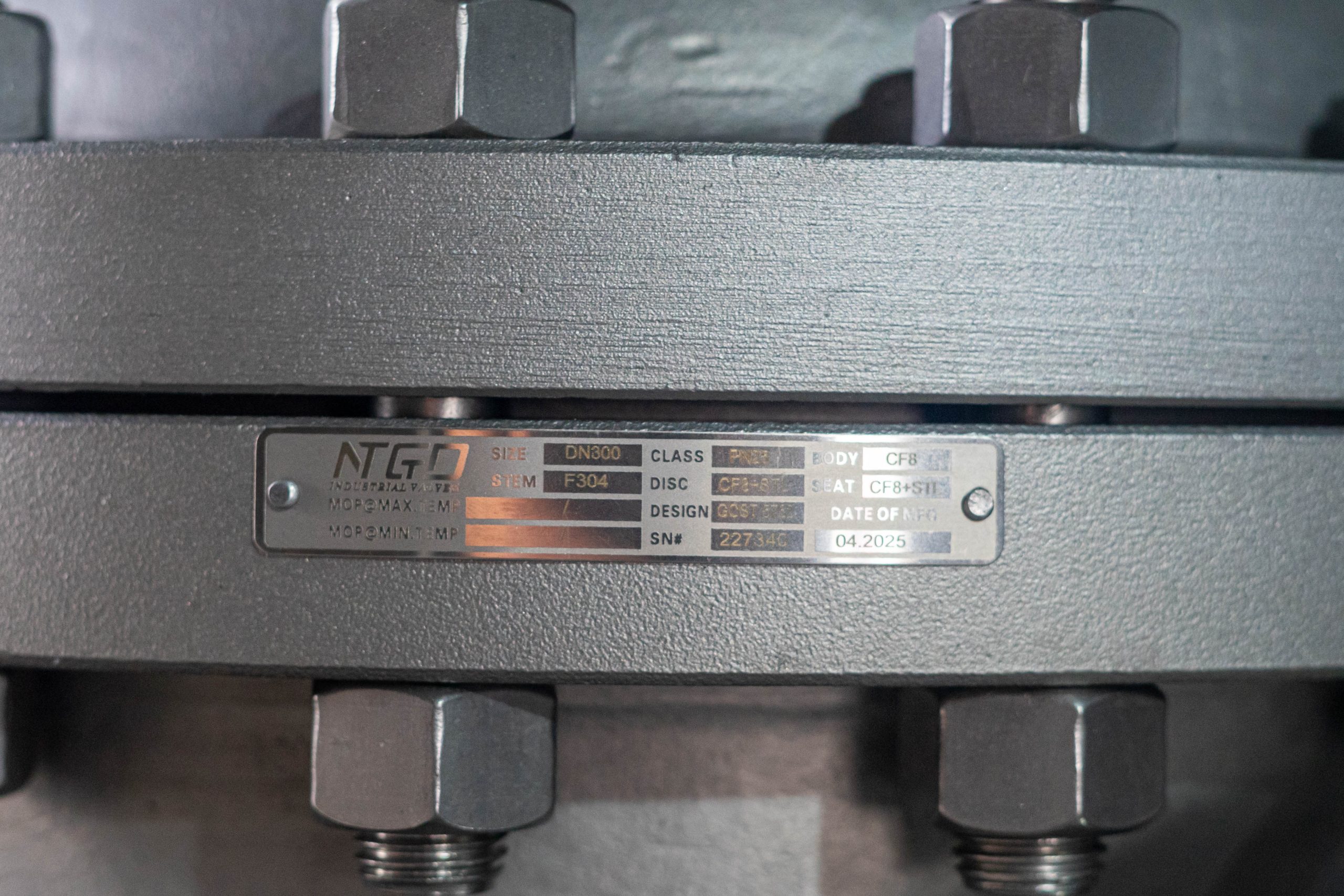
Selection Criteria for Stainless Steel Gate Valves
Pressure and temperature needs
Choosing a gate valve means knowing your system’s pressure and heat levels. Stainless steel valves work in many pressure and temperature ranges. But each valve has limits. For example, “K” valves work from -75°F (-60°C) to 180°F (82°C). “U” valves handle up to 250°F (121°C).
| Temperature Type | Range (°F/°C) |
|---|---|
| K | -75°F (-60°C) to 180°F (82°C) |
| U | 0°F (-18°C) to 250°F (121°C) |
Pick a valve that matches your system’s needs for safety. Valve material also matters for performance. Stainless steel is great for general and sour service because it resists rust.
| Material Type | Use | Minimum Material Needed |
|---|---|---|
| CC | General Use | Stainless Steel |
| EE | Sour Use | Stainless Steel |
Choosing the right valve prevents problems and keeps pressure steady.
Fluid compatibility
The valve material must work well with the fluid it handles. Stainless steel resists rust, making it good for water, chemicals, and slurries. But some fluids can harm the valve or cause clogs.
Important things to check:
- Fluid and chemical match.
- Material works with production chemicals.
- Valve avoids clogs from solids or gels.
For example, some chemicals can mix and cause issues. Picking the right valve material helps it last longer and work better.
Size and connection type
The valve size and connection must fit your system. Gate valves come in different sizes, with varying lengths, heights, and widths.
| Class | Size | Length (L/L1) | Height (H OPEN) | Width (W) |
|---|---|---|---|---|
| 300 | 2″ | 8-1/2 (216) | 16 (407) | 7-7/8 (200) |
| 600 | 2″ | 11-1/2 (290) | 16-1/2 (420) | 7-7/8 (200) |
| 1500 | 2″ | 14-1/2 (368) | 21-1/2 (546) | 11-1/2 (290) |
Correct sizing ensures smooth flow and avoids problems. Connection types like flanged, threaded, or welded must match your system. This prevents leaks and ensures a tight fit.
Tip: Use charts and guides to pick the right valve size and connection.

Budget considerations
When picking stainless steel gate valves, think about the costs. Look at both the upfront price and long-term expenses. This helps you choose a valve that fits your budget and works well for your needs.
Total Cost of Ownership (TCO)
The total cost of ownership (TCO) shows the full expense. It includes three main parts:
- Purchase Costs: This is the price of materials and extras. Grades like 304 and 316 have different prices. Picking the right grade can save money.
- Installation Costs: Labor and extra materials add to the setup cost. Valves with simple designs or pre-assembled parts can lower these costs.
- Maintenance Costs: Regular checks and repairs keep the valve working well. Stainless steel valves need less fixing, saving money over time.
Balancing Cost and Suitability
It’s important to balance cost and usefulness. Stainless steel valves may cost more at first. But they last longer and resist rust, cutting future expenses. This makes them a good choice for tough jobs.
Tip: Think about the fluid, pressure, and heat needs when choosing a valve. Picking the wrong one can cost more in repairs and reduce efficiency.
Budget Planning
Start by figuring out what your system needs. Compare prices of different valve types and materials. For example, duplex stainless steel costs more but is stronger and resists rust better. It’s great for hard jobs.
| Cost Factor | Description | Impact on Budget |
|---|---|---|
| Material Selection | Stainless steel grade affects price | Higher grades cost more but need less fixing. |
| Installation Design | Complexity of installation process | Simple designs lower labor costs. |
| Maintenance Needs | Frequency of inspections and repairs | Strong valves save on repairs. |
By reviewing these factors, you can plan a smart budget. Stainless steel gate valves last long, reduce downtime, and give great value.
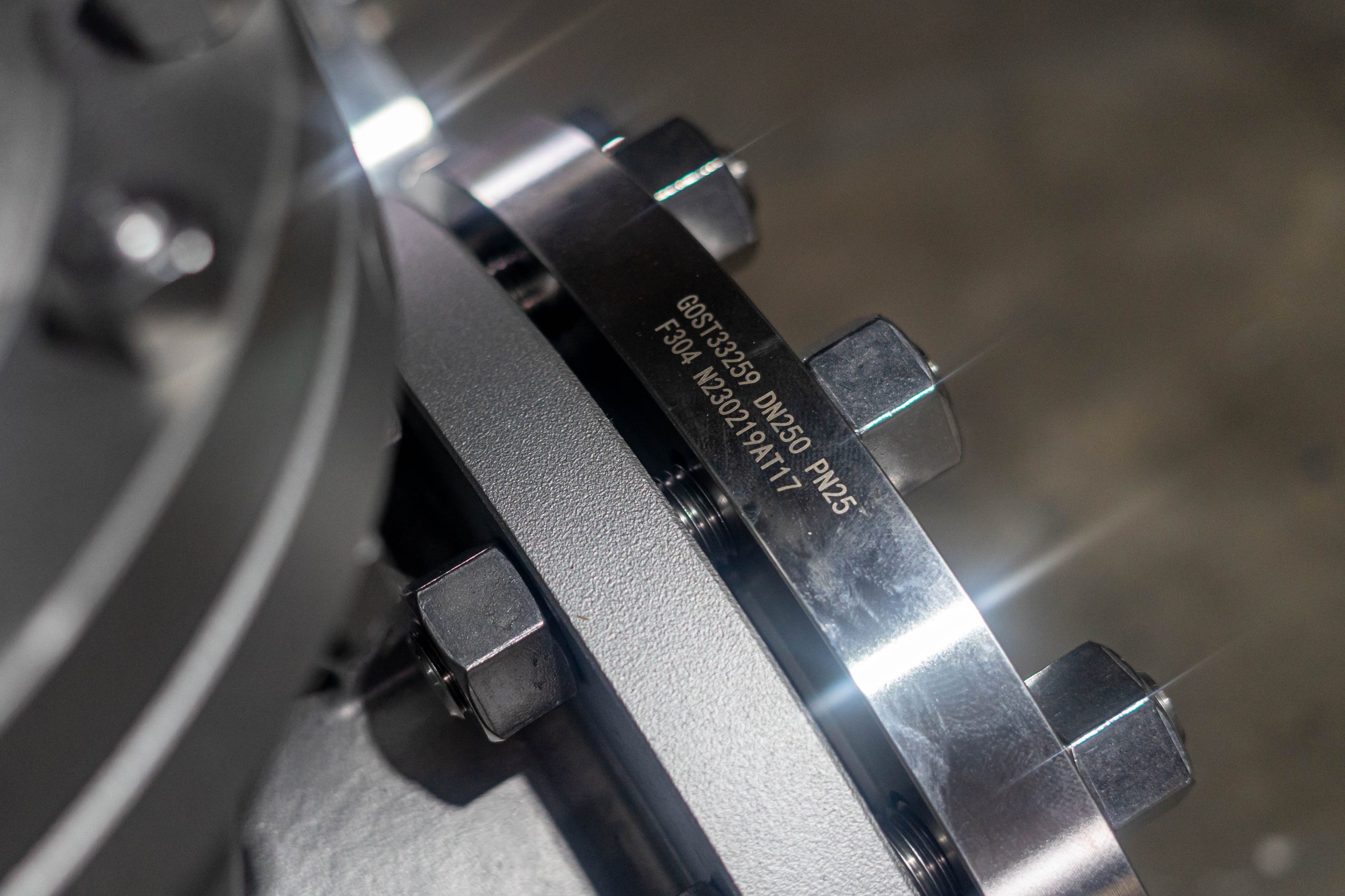
Maintenance of Stainless Steel Gate Valves
Taking care of stainless steel valves helps them work well and last longer. Regular checks reduce downtime and avoid expensive repairs. Below are simple ways to keep your gate valve in good shape.
Inspection and cleaning tips
Check your valve often to spot damage or rust early. Open and close the valve regularly to ensure it works smoothly. Keep the valve area clean to stop dirt from causing problems.
- Use warm water or steam to clean dirt.
- For tough stains, use special cleaners like acids. Hydrochloric acid removes rust, and phosphoric acid cleans other stains.
- In oxygen-rich places, keep the valve clean to avoid fire risks.
For deep cleaning, try these steps:
- Look closely with a bright light to find dirt.
- Wipe the valve to check for hidden grime.
- Test with water to see if oil or grease is present.
These steps help keep your valve clear and working properly.
Lubricating moving parts
Lubrication makes parts move easily and prevents wear. Focus on the valve stem and seals since they wear out the fastest. Lubricating often stops sticking and helps the valve last longer.
- Check the valve stem for damage or wear.
- Add the right lubricant to moving parts during maintenance.
- Replace old seals to stop leaks and keep the valve shutting tightly.
These steps keep your valve running smoothly and prevent breakdowns.
Fixing common problems
Even with care, stainless steel valves can have issues. Fixing them quickly stops bigger problems.
- Rust: Check for rust in tough environments. Use coatings or replace rusty parts.
- Dirt buildup: Clean the valve and nearby areas to avoid clogs.
- Leaks: Change worn seals and install parts correctly to stop leaks.
Regular care keeps your valve strong and reliable for many uses.
Storage and handling tips
Taking care of stainless steel gate valves helps them last longer. Follow these simple tips to keep them in good shape:
1. Store in a clean and dry place
Keep valves away from moisture and dirt. Wet areas can cause rust, even on stainless steel. Use covers to protect valves from dust and grime.
Tip: Place valves on shelves or pallets. This keeps them off the ground and safe from water or dirt.
2. Don’t stack heavy items on valves
Heavy objects can bend or break valve parts. Store each valve separately or in a way that avoids pressure on stems or seals.
3. Be careful when moving valves
Move valves gently to avoid scratches or dents. Use padded boxes or crates for safety during transport. Secure them to stop shifting or bumps.
| Handling Method | Benefit |
|---|---|
| Padded Boxes | Stops scratches and dents |
| Secured Placement | Prevents shifting during transit |
| Protective Covers | Keeps dirt and damage away |
4. Keep away from extreme temperatures
Very hot or cold places can harm the valve’s material. Store valves in areas with steady temperatures to keep them strong.
5. Check valves before using them
Look for damage or dirt before installing a valve. Scratches, dents, or grime can affect how it works. Clean the valve if needed before use.
Note: Regular checks during storage help find problems early. This saves time and money later.
By following these tips, your stainless steel gate valves will stay reliable and ready to use. Good care means fewer repairs and longer service life.
Stainless steel gate valves are strong, rust-proof, and very useful. They work well in tough conditions and many industries. These include oil, water treatment, and food production. Their clean design and long life make them a smart choice.
| Benefit/Application | Description |
|---|---|
| Rust Resistance | Great for salty, acidic, or chemical-heavy places. |
| Handles Heat/Pressure | Stays strong in extreme heat or pressure. |
| Long-Lasting | Fights damage like rust and wear for years. |
| Clean Design | Smooth surface stops germs, ideal for food and medicine. |
| Easy to Maintain | Tight seals lower the chance of leaks. |
| Multi-Purpose | Works with water, oil, gas, and chemicals. |
Picking the right valve helps it work safely and efficiently. Regular care keeps it running well and lasting longer.
FAQ
Why are stainless steel gate valves better than other materials?
Stainless steel doesn’t rust and works in tough conditions. It lasts longer than materials like brass or cast iron. It’s great for industries with strong chemicals, high heat, or salty areas. Its strength and flexibility make it a smart choice for hard jobs.
How do you pick the right stainless steel grade for a valve?
Choose the grade based on your needs. Use 304 for general use, 316 for areas with lots of rust risks, and duplex for heavy-duty work. Think about the fluid, pressure, and heat levels. Each grade has special features, so pick one that fits your system.
Can stainless steel gate valves handle high-pressure systems?
Yes, they work well in high-pressure systems. Their strong build keeps them reliable under stress. They are used in oil, gas, and power plants. These valves keep pressure steady and stop leaks in tough conditions.
How often should stainless steel gate valves be maintained?
Check and clean them often. Lubricate moving parts and change worn seals. Look for rust or dirt buildup. Regular care keeps them working well and lasting longer. Follow the maker’s instructions for proper maintenance.
Are stainless steel gate valves good for food processing?
Yes, they meet food safety rules. Their smooth surfaces stop bacteria from growing. They don’t rust and can handle cleaning chemicals. Use them for bottling, pasteurizing, and other food tasks. They keep food safe and work reliably.