
Last Updated: March 2026
Author: NTGD Valve Engineering Team
This article is maintained by NTGD’s engineering team and is regularly updated based on API standards, project experience, and real field application feedback. The information provided focuses on practical selection guidance, including Cv sizing, pressure-temperature considerations, installation practices, and performance behavior in steam, pump, and high-pressure systems.
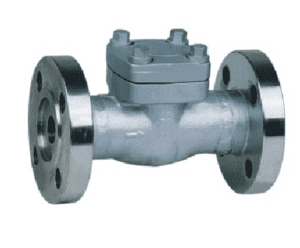
A piston check valve is typically selected for piping systems where reverse flow could damage pumps, boilers, or other critical equipment. Compared with a swing check valve, it uses guided linear disc movement and more controlled closure, making it a practical choice for high-pressure, high-temperature, and steam service where sealing stability matters.
NTGD piston check valves are available in NPS 1/2 to NPS 4 and Class 150 to 2500, and are designed to API 602 and tested to API 598. Depending on valve size, pressure class, and trim configuration, NTGD piston check valves can provide a wide Cv range for engineering selection, while guided piston closure helps reduce slam and water hammer risk in demanding services such as steam and boiler feedwater.
This page is designed as a practical selection resource. It covers Cv and sizing guidance, working principle, technical specifications, pressure-temperature reference, piston vs swing comparison, installation notes, troubleshooting, testing, and RFQ support so engineers and buyers can make a more confident selection decision.
Quick Product Snapshot
| Item | Details |
|---|---|
| Valve Type | Piston Check Valve |
| Size Range | NPS 1/2 to NPS 4 |
| Pressure Class | 150LB to 2500LB |
| Design Standard | API 602 |
| Test Standard | API 598 |
| Typical Services | Steam, boiler feedwater, pump discharge, oil & gas, chemical process lines |
| Available End Connections | Threaded, socket weld, butt weld, flanged |
| Material Options | Carbon steel, stainless steel, alloy steel, other materials on request |
| Flow Coefficient (Cv) | Available in technical datasheet and sizing support |
| Typical Installation | Horizontal preferred; vertical upward flow possible with suitable design |
What Is a Piston Check Valve?
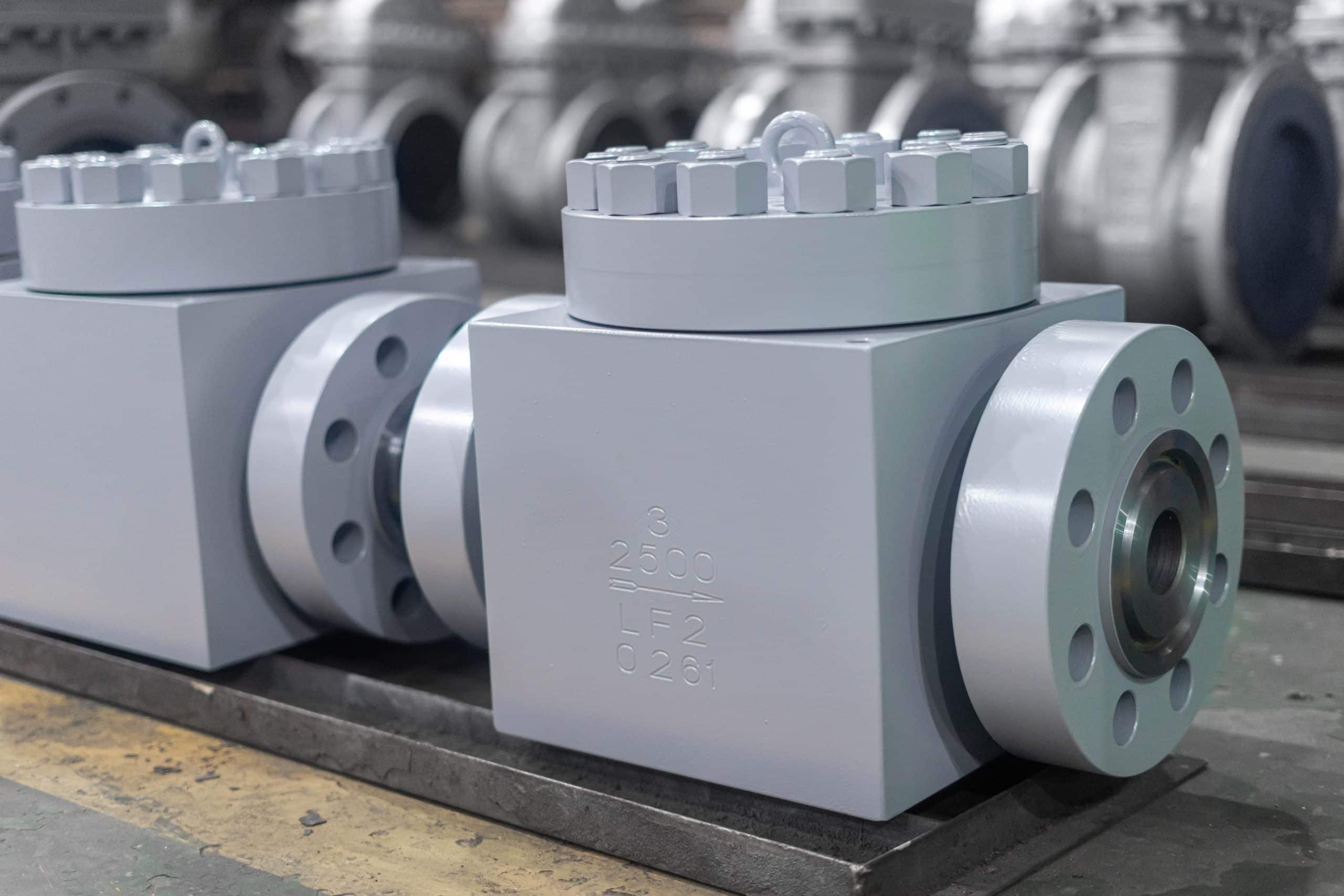
A piston check valve is a non-return valve designed to allow forward flow and automatically prevent reverse flow when pressure conditions change. It does not require an actuator or manual operator. Instead, it opens and closes automatically according to the pressure differential across the valve.
What separates a piston check valve from simpler check valve designs is its guided closure element. The disc or piston moves in a controlled linear path rather than swinging on a hinge. In many designs, spring force and damping features help reduce abrupt closure and improve sealing repeatability. This is why piston check valves are commonly used in steam systems, condensate lines, boiler feedwater systems, pump discharge service, and other high-pressure industrial applications.
From a selection standpoint, a piston check valve is usually chosen when the application requires:
- controlled disc alignment
- reliable seating under fluctuating pressure
- suitability for higher-pressure service
- better closure control than a standard swing design in critical lines
For buyers comparing alternatives, this is not just a generic “check valve type.” It is often the preferred option when reverse-flow protection must support equipment reliability, controlled shutdown behavior, and tighter engineering selection.
Piston Check Valve Sizing & Cv Value Selection Guide
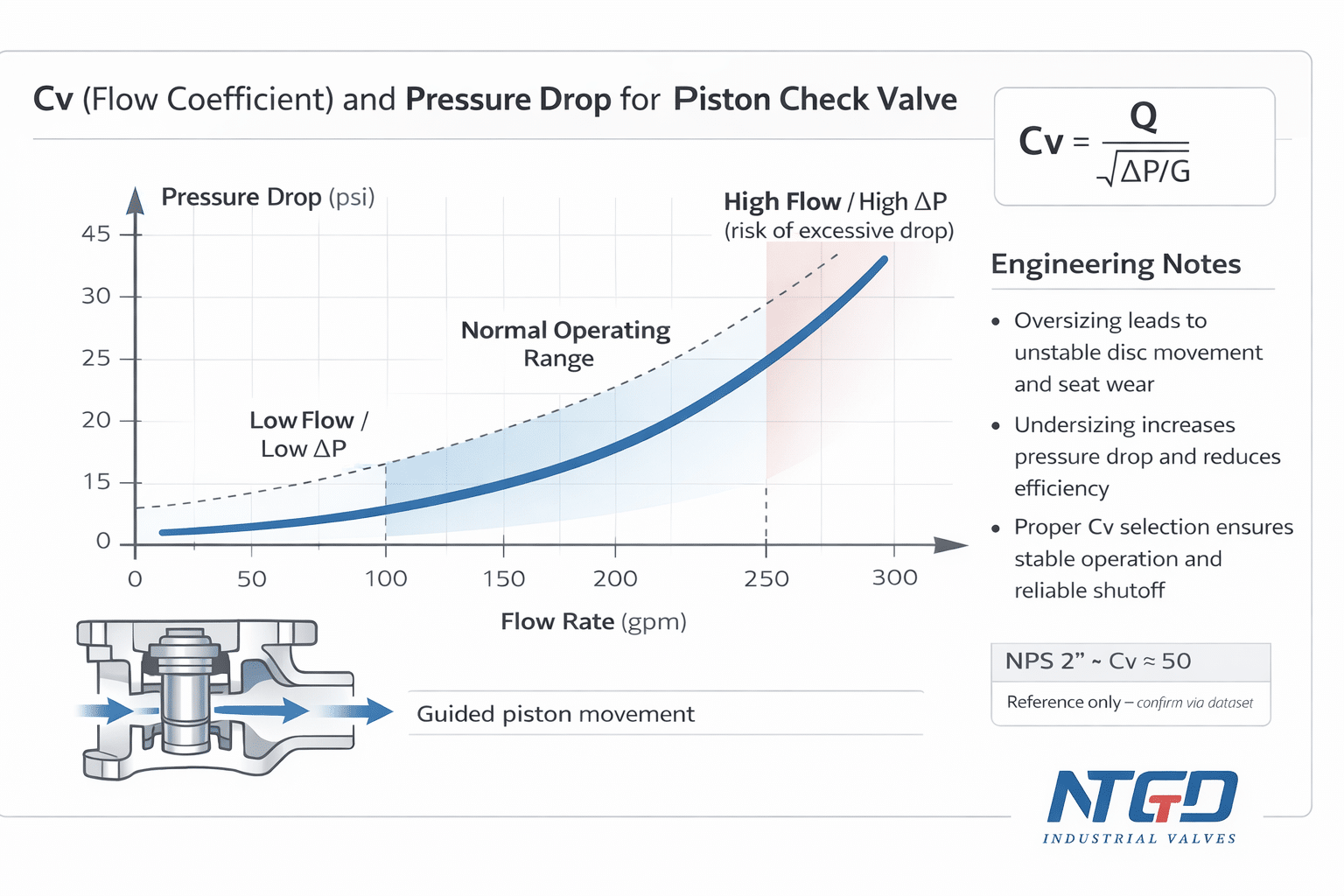
For many project engineers, this is the most important part of the page. Line size alone is not enough to select a piston check valve correctly. Cv, allowable pressure drop, service media, and operating profile all affect performance.
What Is Cv?
The flow coefficient (Cv) is the number of US gallons of water per minute that will pass through the valve at 60°F with a 1 psi pressure drop. In practical terms, Cv is used to estimate:
- pressure drop across the valve
- whether the valve is oversized or undersized
- whether the selected valve will operate stably in the actual process condition
A piston check valve that is selected only by pipe size may still perform poorly if Cv and pressure differential are ignored.
Why Cv Matters in Real Projects
In NTGD field support cases, oversized piston check valves are one of the most common causes of unstable disc movement, premature seat wear, and inconsistent shut-off. A valve that is too large may remain partially open during normal service, which increases wear and reduces seating reliability. A valve that is too small may create unnecessary pressure drop and reduce system efficiency.
Basic Cv Formula for Liquid Service
For liquid service, a common engineering reference is:
Cv = Q / √(ΔP / G)
Where:
- Q = flow rate (gpm)
- ΔP = pressure drop across the valve (psi)
- G = specific gravity of the fluid
Basic Cv Reference for Steam Service
For steam service, sizing should be based on steam flow, inlet pressure, temperature condition, and pressure drop. In practice, many engineers use internal sizing software or manufacturer support for steam-service selection because flashing, compressibility, and operating profile must be reviewed carefully.
Typical NTGD Cv Reference Table
The following table is for preliminary selection only. Final Cv values should be confirmed against the technical datasheet and actual trim design.
| Size (NPS) | Class 150 Cv | Class 300 Cv | Class 600 Cv | Class 1500–2500 Cv |
|---|---|---|---|---|
| 1/2″ | 9.2 | 8.5 | 7.8 | 6.2 |
| 3/4″ | 15.3 | 14.2 | 13.1 | 10.5 |
| 1″ | 23.5 | 22.1 | 20.3 | 16.8 |
| 1-1/2″ | 45.2 | 42.8 | 39.5 | 32.6 |
| 2″ | 70.3 | 66.9 | 62.1 | 51.2 |
| 3″ | 135.6 | 129.2 | 119.8 | 98.5 |
| 4″ | 220.5 | 210.3 | 195.6 | 160.2 |
Sizing Engineering Note
Oversizing is one of the most common field mistakes. In NTGD application reviews, oversized check valves are repeatedly associated with:
- unstable disc travel
- uneven seat wear
- reduced sealing consistency
- higher slam risk during flow reversal
For project selection, the valve should be sized based on actual operating flow conditions, not only nominal line size.
How a Piston Check Valve Works
A piston check valve operates based on differential pressure.
When inlet pressure exceeds outlet pressure by enough to overcome disc weight and spring force, the disc lifts off the seat and creates a flow passage. When forward flow decreases or reverse pressure develops, the disc returns to the seat and shuts off the flow path before significant backflow occurs.
In practical terms, the operating sequence looks like this:
1. Valve Closed at No-Flow Condition
When there is no forward pressure, the disc remains seated. Gravity and, in spring-assisted designs, spring force help keep the valve closed.
2. Forward Pressure Lifts the Disc
As media enters from the inlet side, pressure builds beneath the piston. Once the opening force exceeds the closing force, the piston lifts in a guided linear motion.
3. Full Forward Flow
With the disc lifted, fluid passes through the valve. Because the motion is guided, the disc remains aligned with the seat and guide area during operation.
4. Pressure Drop or Reverse Flow
When upstream pressure falls below downstream pressure, reverse differential pressure pushes the piston back toward the seat.
5. Valve Closes
The disc returns to the seat and blocks reverse flow. Compared with a swing check valve, closure can be more controlled, especially in spring-assisted or damping-supported designs.
Engineering Notes for High-Pressure Service
For spring-assisted designs, typical cracking pressure is often in the range of 0.07 to 0.5 bar, depending on spring configuration and application. In services where water hammer is a concern, damping and guided closure can reduce closing velocity and improve shutdown behavior.
In NTGD selection work, piston check valves are often preferred when disc guidance and seating stability are more important than achieving the lowest possible pressure drop. That tradeoff is particularly relevant in steam lines, boiler feedwater service, and pump protection duty.

Main Components of a Piston Check Valve
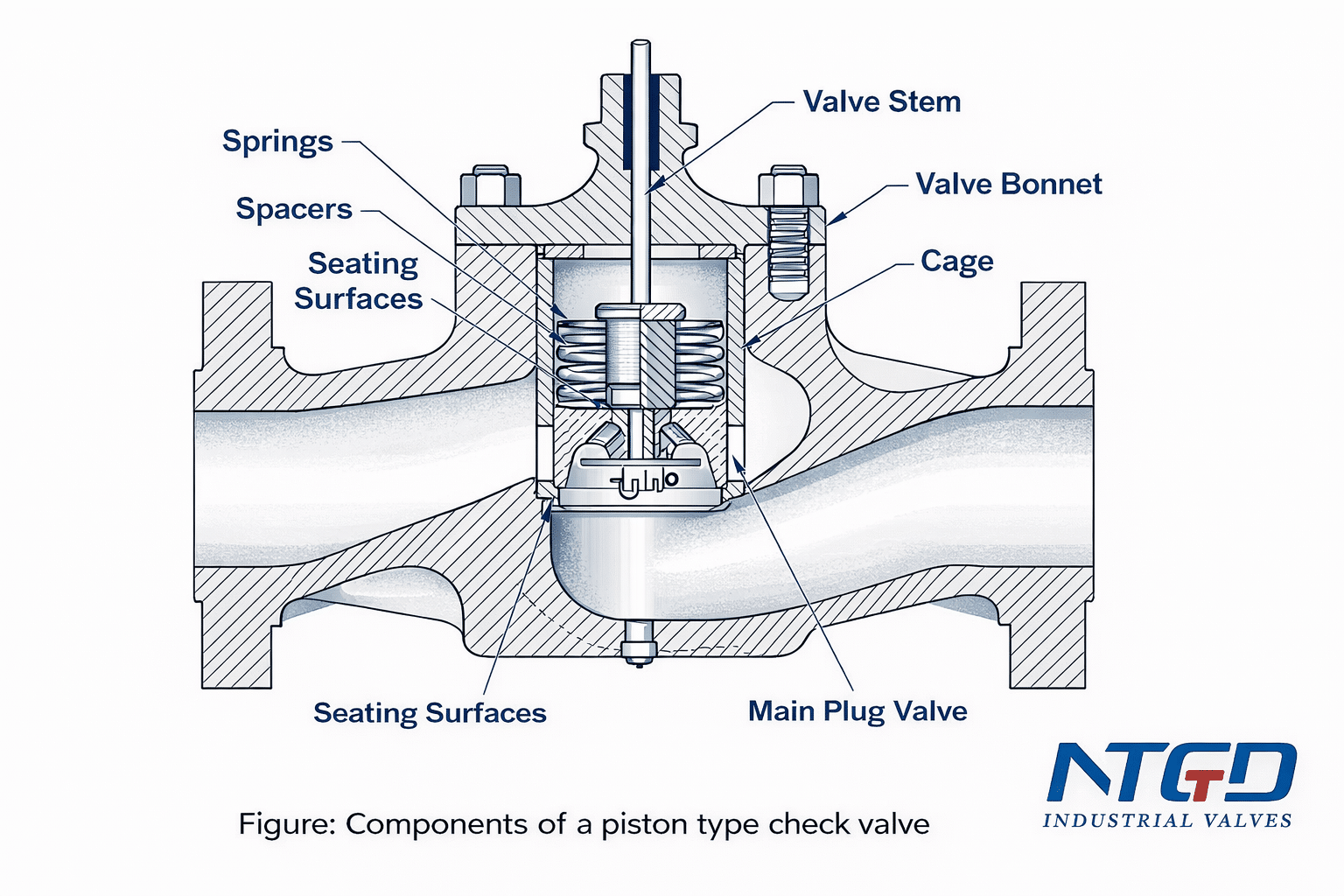
Understanding the internal structure is important for both selection and maintenance. A piston check valve may look straightforward from the outside, but its field performance depends on the fit and interaction of several internal parts.
Valve Body
The valve body forms the main pressure boundary and contains the flow path. It must withstand system pressure, temperature, and media compatibility requirements. Common materials include carbon steel, stainless steel, and alloy steel.
Bonnet
The bonnet encloses the upper section of the valve and provides access to internal components. Depending on design and pressure class, bonnet construction may be threaded, bolted, welded, or pressure sealed.
Disc or Piston
The piston is the moving closure element. Unlike a swing check valve, it travels in a guided linear path, which supports better alignment with the seat.
Seat
The seat forms the sealing surface with the disc. In high-pressure designs, seat hard-facing and trim selection strongly influence long-term shut-off performance.
Spring
A spring helps support quicker closure and better response at lower differential pressure. This is particularly useful where fast reverse-flow shutoff is needed.
Guide / Cylinder Area
The guide section keeps the piston aligned during movement. Proper guide machining reduces eccentric wear and helps preserve sealing reliability.
Dash-Pot or Damping Effect
In some piston check valve designs, damping reduces abrupt closure and helps control slam during pump stops or unstable flow conditions.
NTGD Piston Check Valve Technical Specifications
The table below provides a practical selection overview for NTGD piston check valves.
| Item | Standard Range / Option |
|---|---|
| Valve Type | Piston Check Valve |
| Size Range | NPS 1/2 to NPS 4 |
| Pressure Class | 150LB to 2500LB |
| Design Standard | API 602 |
| Testing Standard | API 598 |
| Body Materials | Carbon Steel, Stainless Steel, Alloy Steel |
| Seat Options | Metal seat standard; optional seat configuration depending on service |
| End Connections | Threaded, Socket Weld, Butt Weld, Flanged |
| Typical Temperature Range | Depends on material, pressure class, and trim selection |
| Typical Installation | Horizontal preferred; vertical upward flow possible with suitable configuration |
| Typical Services | Steam, condensate, boiler feedwater, oil & gas, chemical process lines |
| Flow Coefficient (Cv) | Available by size/class in datasheet |
| Model / Trim Reference | Available on request for project specification |
Material Selection Guidance
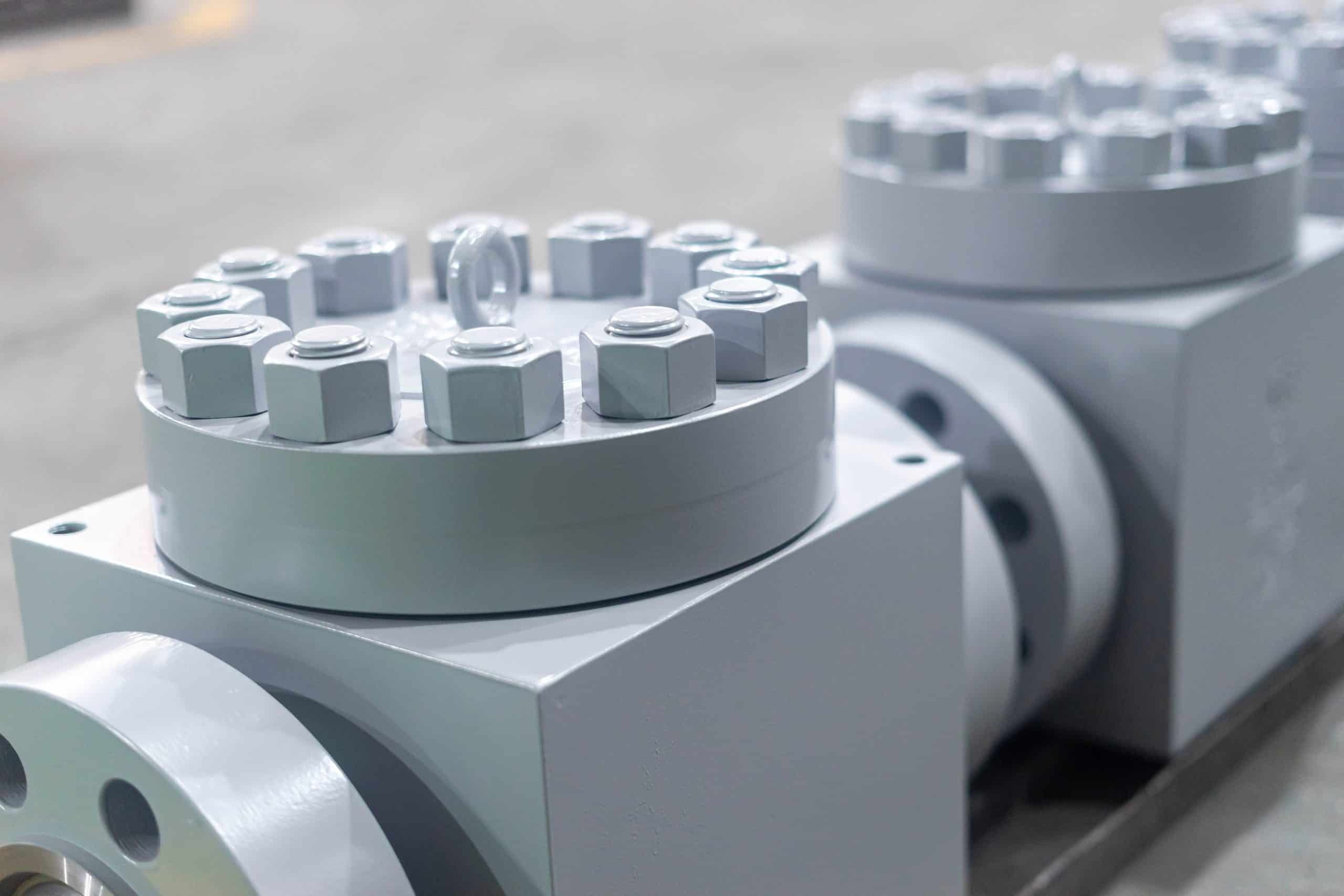
Material selection should never be treated as a formality. In actual projects, body and trim materials must match:
- process temperature
- corrosion risk
- pressure class
- shut-off requirement
- maintenance interval expectations
As a general rule:
- Carbon steel is commonly used in general industrial and steam applications.
- Stainless steel is preferred for corrosive or cleanliness-sensitive service.
- Alloy steel may be selected for elevated temperature or more demanding service conditions.
For severe service, media compatibility and trim selection should be reviewed before final ordering.
Pressure-Temperature Rating Reference
For forged steel piston check valves, pressure-temperature capability depends on body material, trim, end connection, and applicable design code. The following reference is for preliminary engineering review only.
Carbon Steel Reference, Class 1500
| Temperature (°F) | Maximum Working Pressure (psig) |
|---|---|
| -20 to 100 | 3600 |
| 200 | 3150 |
| 400 | 2800 |
| 600 | 2500 |
| 800 | 2150 |
| 1000 | 1550 |
Engineering reference note: Final allowable pressure depends on material grade, code basis, and valve construction details. For project use, confirm the applicable rating from the NTGD technical datasheet or project-specific drawing package.
This section matters because many searchers looking for a piston check valve are not simply asking “what is it?” They are asking whether a specific valve can operate at a defined pressure and temperature in steam, condensate, chemical, or pump-discharge service.
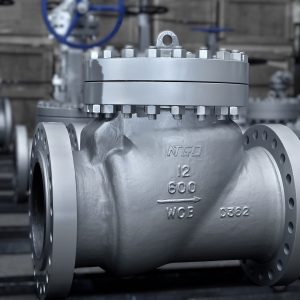
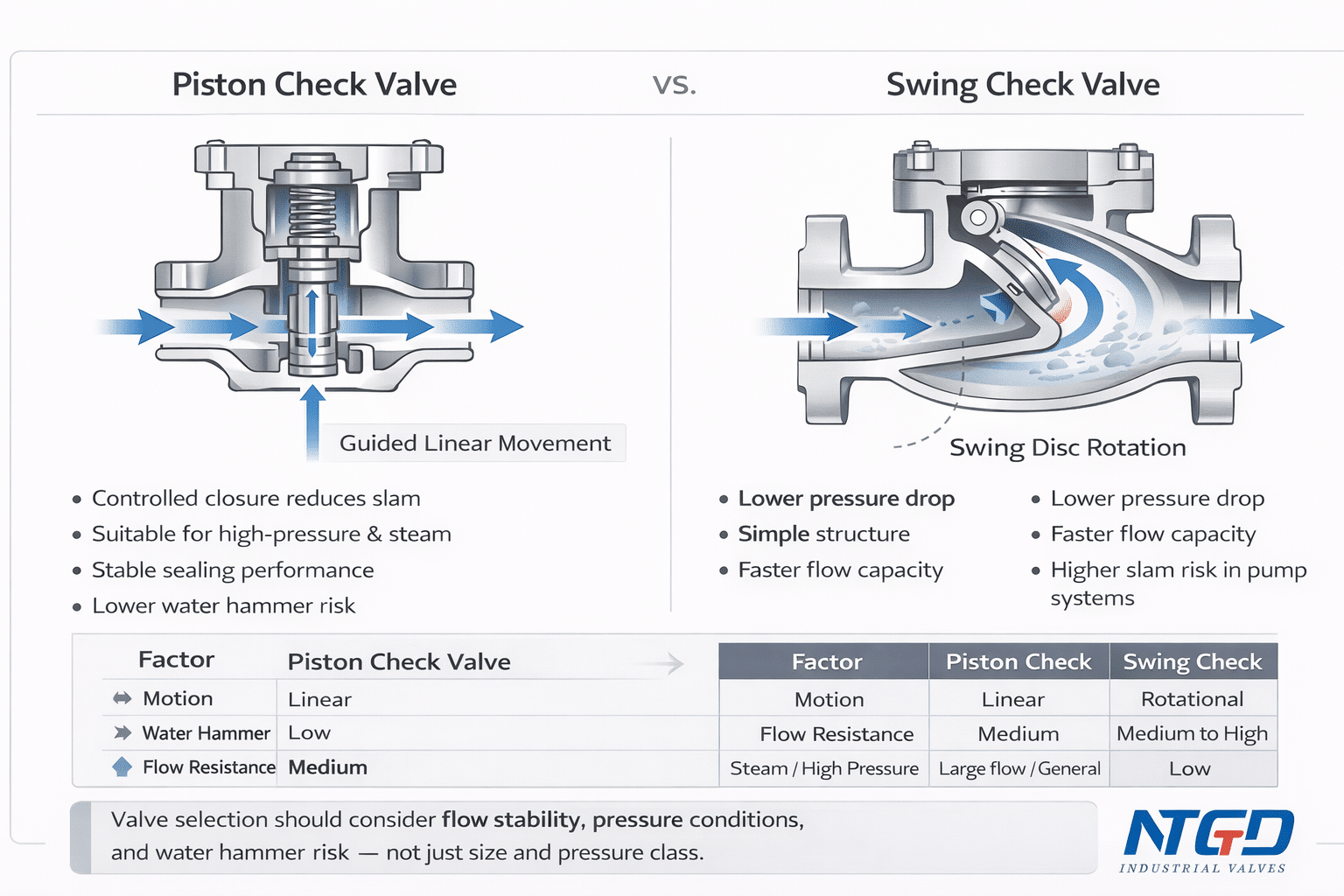
Piston Check Valve vs Swing Check Valve
This is one of the most important comparison points for buyers, engineers, and EPC teams. Both valve types prevent reverse flow, but they behave differently in service.
| Feature | Piston Check Valve | Swing Check Valve |
|---|---|---|
| Disc Movement | Guided linear motion | Hinged swinging motion |
| Closure Behavior | More controlled | More dependent on flow reversal and disc swing |
| Sealing Stability | High in critical service | Good in general service |
| High-Pressure Suitability | Strong | Application-dependent |
| Water Hammer Resistance | Better control potential | Greater slam risk in some systems |
| Pressure Drop | Usually higher than swing type | Usually lower |
| Typical Service | Steam, boiler feedwater, high-pressure lines | General water, large flow, lower pressure drop priority |
When a Piston Check Valve Is the Better Choice
Choose a piston check valve when you need:
- more stable disc guidance
- reliable seating in high-pressure service
- suitability for steam or boiler feedwater systems
- improved closure control relative to swing-type designs
When a Swing Check Valve May Be Better
Choose a swing check valve when:
- line size is larger
- pressure drop is the primary concern
- service conditions are less severe
- simple general-purpose reverse-flow prevention is sufficient
Quick Decision Guide
| If your priority is… | Recommended valve type |
|---|---|
| Lower pressure drop | Swing check valve |
| Steam or high-pressure service | Piston check valve |
| Minimizing water hammer risk | Piston check valve, especially spring-assisted design |
| Large line size above NPS 4 | Swing check valve or engineering review |
| Pump discharge protection | Piston check valve |
If reverse flow could damage equipment or destabilize the process, piston check valves often justify their use through more controlled closure and stronger sealing behavior.
When to Use a Piston Check Valve
A piston check valve is not the right answer for every pipeline, but it is highly effective in the right service. It is commonly used where backflow prevention must remain dependable under pressure fluctuation, temperature stress, or repeated operating cycles.
Typical Applications
Boiler Feedwater Systems
One of the most common uses. In these systems, reverse flow can damage pumps and destabilize boiler operation. A piston check valve provides controlled closure and stronger shut-off behavior than simpler alternatives.
High-Pressure Steam Lines
Piston check valves are frequently selected for steam service because of guided disc movement, compact forged design, and suitability for higher pressure classes.
Pump Discharge Lines
Where pump shutdown could cause backflow, piston check valves help protect equipment and maintain directional flow control.
Oil and Gas Process Lines
Used where compact forged check valve construction and reliable non-return performance are required.
Chemical and Process Industries
With the correct material selection, piston check valves can be used in chemical service where corrosion resistance and shut-off integrity matter.
Utility and Industrial Process Systems
Also used in condensate, thermal fluid, and other process lines where flow must be maintained in one direction only.
Applications Where Extra Review Is Needed
A piston check valve should be reviewed carefully when:
- media contains heavy solids or debris
- pulsating flow is severe
- minimum pressure drop is a top priority
- very large line sizes are involved
In those situations, the valve should be selected based on actual operating conditions rather than generic valve type preference.
When Not to Use a Piston Check Valve Without Review
A piston check valve may not be the preferred first option when:
- the process fluid contains abrasive solids likely to damage seat and guide surfaces
- extremely low pressure drop is more important than controlled closure
- pipeline size exceeds the usual forged-valve range for compact API 602 style design
- the service is highly pulsating and requires specialized surge control design
That does not automatically rule out a piston check valve, but it means engineering review is required.
Installation Orientation and Maintenance Notes
Improper installation can cause poor performance even when the valve itself is correctly manufactured. This is one of the most common reasons for avoidable field complaints.
Recommended Installation Practice
- Install according to the flow direction arrow marked on the valve body.
- Horizontal installation is commonly preferred.
- Vertical upward flow installation may be acceptable for suitable designs.
- For vertical installation, spring-assisted closure is often recommended to support reliable shutoff at lower differential pressure.
- Vertical downward flow is generally not recommended unless the design is specifically confirmed for that orientation.
Before installation, confirm:
- valve size and pressure class match the line specification
- body material matches the process media
- sealing surfaces are clean
- no shipping debris remains inside the valve
- end connection type matches the piping system
Maintenance Notes
Piston check valves are generally straightforward to maintain, but service interval depends on media cleanliness, cycle frequency, temperature, and system criticality.
Routine maintenance should include:
- seat and disc inspection
- checking for wear or scoring
- verification of free disc movement
- gasket or sealing replacement if needed
- checking for debris accumulation in the guide area
In critical service, preventive inspection is preferable to waiting for leakage or reverse-flow symptoms.

Common Field Problems and How to Avoid Them
Based on NTGD field support experience, most piston check valve problems seen in service are not caused by manufacturing defects alone. They are more often linked to incorrect sizing, improper installation, poor material matching, or application conditions that were not fully reviewed during selection.
No Flow Through the Valve
Possible causes:
- installed in the wrong direction
- blocked upstream or downstream piping
- disc unable to move because of debris or damage
What to check:
- confirm body arrow direction
- inspect pipeline for blockage
- inspect internal components for obstruction
Leakage at the Valve-to-Pipe Connection
Possible causes:
- loose bolts or threaded connection
- damaged gasket
- incorrect installation torque
- incompatible end connection preparation
What to check:
- flange bolt tightness
- gasket condition
- thread sealing practice
- pipe alignment
Leakage When the Valve Is Closed
Possible causes:
- seat damage
- disc wear
- foreign particles trapped between seat and disc
- material mismatch for service conditions
What to check:
- clean sealing surfaces
- inspect seat and disc condition
- review process media and material suitability
Noise, Slam, or Water Hammer Concerns
Possible causes:
- sudden pump stop
- unstable flow profile
- oversized valve selection
- unsuitable valve type for the application
How NTGD addresses this:
NTGD piston check valves can be configured to improve shutdown behavior in demanding systems:
- Spring-assisted closure – supports faster disc response when flow drops, reducing reverse-flow volume before closure.
- Controlled closure design – guided piston movement helps reduce disc slam compared with swinging closure behavior.
- Application-specific sizing review – engineering review of flow profile and operating conditions helps avoid oversizing, which is one of the main contributors to unstable closure and water hammer risk.
If water hammer is a known concern in your system, include flow rate, pump type, line size, pipe length, pressure class, and operating profile in your RFQ so the correct configuration can be reviewed.
Repeated Seal Damage
Possible causes:
- wrong material choice
- corrosion or erosion from media
- cyclic service more severe than expected
- pressure class under-specification
What to do:
- re-evaluate material selection
- confirm service temperature and pressure conditions
- review whether seat type matches process demands
NTGD field note:
For critical steam and boiler feedwater applications, spring-assisted piston check valves are often preferred over standard swing designs because they provide more predictable closure and better control of shutoff behavior in changing flow conditions.
NTGD Manufacturing, Testing and Quality Control
For industrial buyers, a product page should do more than explain how a valve works. It should also show how the valve is built, checked, and prepared for service.
NTGD piston check valves are manufactured for applications where reverse-flow protection is part of a broader equipment-reliability requirement. In practice, that means attention is given not only to valve geometry, but also to material control, guide alignment, seat condition, pressure integrity, and shipment readiness.
What We Focus On During Production
- body and bonnet machining accuracy
- disc and seat alignment
- pressure boundary integrity
- surface finish of sealing areas
- dimensional consistency across standard sizes
- marking and traceability preparation
Testing and Inspection
NTGD piston check valves are tested according to API 598. Depending on project scope and order requirements, inspection may include:
- shell pressure testing
- seat leakage testing
- dimensional inspection
- marking and traceability verification
- visual inspection before packing and shipment
Standard Test Reference
For industrial buyers comparing manufacturers, this is the level of detail that matters:
- Shell hydrostatic test: typically based on the applicable rated pressure and test requirement under API 598
- Seat leakage test: verified according to the applicable seat-leakage acceptance criteria for the valve construction
- Traceability: material and marking records can be reviewed according to project documentation requirements
Why This Matters in Real Projects
For EPC teams, plant engineers, and procurement managers, reverse-flow protection affects:
- pump protection
- steam line reliability
- equipment safety
- shutdown stability
- maintenance cost
A piston check valve that is correctly selected, properly machined, and properly tested is more likely to deliver stable field performance than one chosen only by nominal size and price.

Why Choose NTGD for Piston Check Valves
NTGD does not position piston check valves as generic catalog items. We position them as engineered products for specific operating conditions.
What Buyers Usually Need
In real RFQs, buyers are not only asking for a valve name. They are usually deciding based on:
- pressure class
- end connection
- body and trim material
- service media
- temperature range
- available documentation
- delivery requirements
What NTGD Supports
NTGD can support project discussions involving:
- standard API 602 piston check valve configurations
- body and trim material selection
- end connection confirmation
- datasheet and documentation requests
- quotation support for project-specific requirements
Typical Buyer Priorities We Help Address
- reliable reverse-flow protection
- compact forged design for higher-pressure service
- material suitability for process media
- documentation and test compliance
- engineering response before order placement
Engineering Support, Datasheets, and RFQ
Different visitors on this page are at different decision stages. Some are comparing valve types. Some already know the service conditions and only need confirmation. Some are ready to quote.
If You Are Still Comparing Options
Start with the technical datasheet, Cv reference, and piston vs swing comparison above.
If You Need Project-Specific Selection Help
Send your media, size, pressure class, temperature, end connection, and any known pressure-drop or water-hammer concern.
If You Are Ready to Buy
Request a quotation with your project details.
Recommended RFQ information:
- valve size
- pressure class
- body material
- seat or trim requirement
- end connection
- service media
- working temperature
- quantity
- documentation or inspection requirements
FAQ
What is the pressure rating of a piston check valve?
NTGD piston check valves are available in pressure classes from 150LB to 2500LB. The actual allowable pressure depends on body material, operating temperature, and valve construction. For steam and high-pressure service, pressure-temperature rating should always be checked against the applicable datasheet.
What is the difference between a piston check valve and a swing check valve?
A piston check valve uses guided linear disc movement, while a swing check valve uses a hinged disc. Piston check valves are generally preferred where more controlled closure, better shutoff behavior, and stronger suitability for high-pressure service are required.
What is the typical Cv value for a piston check valve?
Cv depends on valve size and pressure class. For preliminary reference, a 2″ piston check valve may fall in the range shown in the Cv table above depending on class and trim. Final Cv values should be confirmed from the NTGD technical datasheet.
Can a piston check valve be installed vertically?
It depends on valve design and flow direction. Horizontal installation is commonly preferred. Vertical upward flow may be acceptable for suitable configurations, and spring-assisted designs are often recommended to support reliable closure in vertical installation.
Does a piston check valve require a spring for vertical installation?
A spring is not required in every case, but it is often recommended for vertical upward flow service because it supports more reliable closure at lower differential pressure and during flow reduction.
Is a piston check valve suitable for steam service?
Yes. Piston check valves are commonly used in steam and boiler feedwater service because guided disc movement and stable seating are advantageous in high-pressure applications.
Can a piston check valve reduce water hammer?
A piston check valve can help reduce slam and water-hammer risk compared with swing-style closure, especially when the valve is correctly sized and configured with spring-assisted or controlled-closure design features.
What materials are available for piston check valves?
Common options include carbon steel, stainless steel, and alloy steel. Final material selection should be based on pressure, temperature, corrosion risk, and process media.
Can a piston check valve be used for gas service?
Yes, depending on material selection, shutoff requirement, and service condition. Gas applications often require closer review of closure behavior and pressure differential, so engineering confirmation is recommended.
How often should a piston check valve be maintained?
Maintenance interval depends on service severity. In general industrial service, periodic inspection of seat condition, guide cleanliness, and disc travel is recommended. More frequent inspection is appropriate for critical steam, hazardous media, or high-cycle service.
When should I choose a piston check valve instead of a swing check valve?
Choose a piston check valve when the system requires more controlled disc movement, reliable seating, better suitability for steam or high-pressure service, or stronger protection for pumps and critical equipment. Choose a swing check valve when lower pressure drop is more important and service conditions are less demanding.
Final Summary
A piston check valve is a practical solution for preventing reverse flow in systems where equipment protection, sealing stability, and service reliability matter more than low-cost, low-complexity reverse-flow control. Its guided disc movement makes it especially useful in steam service, boiler feedwater, pump discharge, and other higher-pressure industrial applications.
For engineers and buyers, the correct valve choice depends on more than nominal size. Cv, pressure class, pressure-temperature rating, material compatibility, installation orientation, and actual operating conditions all matter. That is why NTGD presents this product not only as a catalog valve, but as an engineered reverse-flow solution supported by technical data, inspection, and application review.
If you are selecting a piston check valve for a new project or replacement requirement, send us your operating conditions and our team can help confirm the right configuration.
Ready to Specify a Piston Check Valve for Your Project?
Before you request a quote, it helps to have the following information ready:
- valve size and pressure class
- body material
- end connection type
- service media and temperature
- required documentation or inspection scope
- any known water-hammer, pressure-drop, or installation constraints