
Choosing the right valve helps your system work better. Full-port ball valves have many benefits for tough jobs. These valves have an opening as wide as the pipe. This lets fluid move easily without slowing down. The design increases flow and lowers pressure loss for smooth use. Standard port ball valves have smaller openings. This makes fluid flow slower and less efficient. For industries needing fast flow and low energy loss, full-port ball valves are the best choice. NTGD makes sure you get top-quality valves for your system.
Key Takeaways
- Full-port ball valves let fluids flow freely with little pressure drop. They are great for systems needing high flow.
- Standard port ball valves are cheaper and work well for low-flow uses. They are good for saving money on projects.
- Both ball valve types need regular care, like changing seals, to last longer.
- Use full-port valves in industries like oil and gas, where steady flow and efficiency matter most.
- Standard port valves fit in small spaces and lighter systems. They give good performance at a lower price.
Understanding Full-Port Ball Valves and Standard Port Ball Valves

What Are Full-Port Ball Valves?
Full-port ball valves have openings as wide as the pipe. This lets liquids or gases move easily without slowing down. When open, the flow stays smooth with little resistance. These valves are used in industries like oil, chemicals, and water systems. They are great for jobs needing fast flow and high efficiency. They can handle up to 200 gallons per minute (GPM) with less than 1 psi pressure drop. This makes them perfect for systems needing strong performance.
What Are Standard Port Ball Valves?
Standard port ball valves have smaller openings than the pipe size. This design slows down flow and reduces capacity a bit. These valves are small and cheaper, fitting tight spaces well. They work for systems where medium flow rates are okay. They may cause a pressure drop of 3-5 psi but are simple to make and install.
Key Features of Full-Port and Standard Port Ball Valves
| Feature | Full-Port Ball Valve | Standard Port Ball Valve |
|---|---|---|
| Flow Capacity | Same size as pipe, allowing easy flow. | Smaller opening slows flow down. |
| Pressure Drop | Very little pressure drop, keeps flow strong. | More pressure drop, lowers efficiency. |
| Applications | Best for systems needing fast flow. | Good for small spaces or cheaper setups. |
Both valve types have their own strengths. Full-port valves are best for fast flow and low pressure loss. Standard port valves work well for cheaper projects or tight spaces. NTGD provides top-quality valves for all needs.
Key Differences Between Full-Port and Standard Port Ball Valves
Flow Capacity Comparison
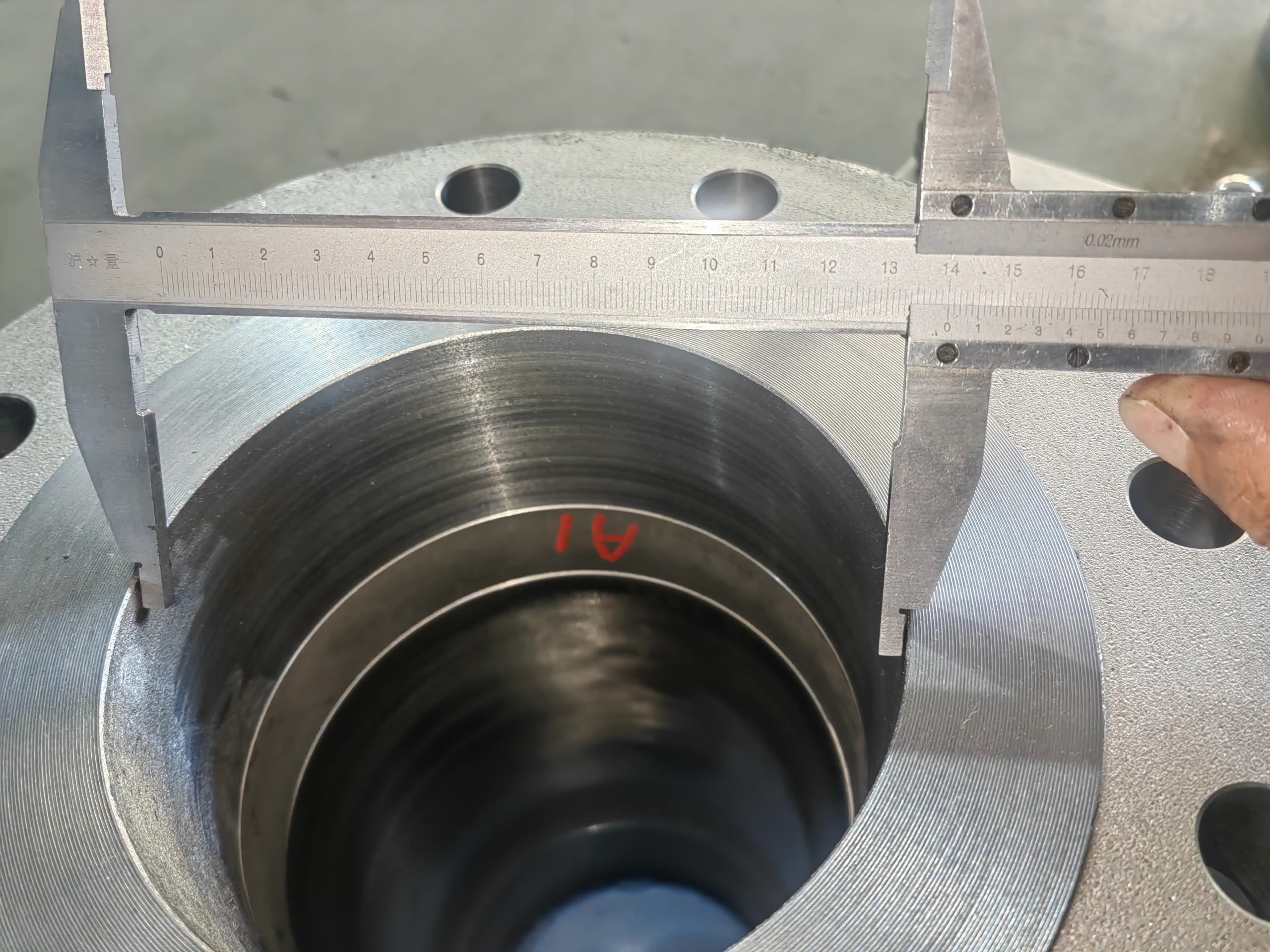
Full-port ball valves let fluids flow freely. Their opening matches the pipe size, so there’s no restriction. This design allows high flow and smooth movement. It works well for systems needing top efficiency. Standard port ball valves have smaller openings. This slows the flow slightly, which is fine for low-flow systems. But in high-demand systems, it can reduce performance.
For instance, full-port valves are used in industries like chemical plants and water systems. These places need fast and steady flow. Standard port valves are better for homes or HVAC systems. These systems don’t need very high flow rates.
Pressure Drop Differences
Full-port ball valves keep pressure steady. Their wide opening reduces turbulence and keeps fluid moving smoothly. This is helpful for systems needing stable pressure, like thick fluid transport.
Standard port valves create more resistance because of their smaller opening. This causes a bigger pressure drop, which can lower efficiency. In low-flow systems, this drop isn’t a big deal. But in high-flow systems, it can waste energy and affect performance.
Cost Implications
Cost is another important difference. Full-port valves cost more because they use more material. They are stronger and last longer, saving money on repairs.
Standard port valves are cheaper. They use less material and are smaller. This makes them a good choice for projects with tight budgets. For simple jobs where flow and pressure aren’t critical, standard port valves work well.
At NTGD, we offer both full-port and standard port ball valves. We ensure you get the best quality and value for your needs.
Maintenance and Durability
When picking between full-port and standard port ball valves, think about how upkeep and strength affect their long-term use. Full-port ball valves are tough and work well in high-pressure systems. Standard port ball valves are cheaper but may not last as long in tough conditions.
Key Maintenance Practices
Both valve types need regular care to work their best. Changing seals often helps them last longer. Testing for problems like pressure drops can stop bigger issues later. But how long they last depends on where and how they are used.
Tip: Follow the maker’s care instructions to keep your valves working longer.
Durability Comparison
The table below shows how full-port and standard port ball valves differ in strength and care needs:
| Aspect | Full-Port Ball Valve | Standard-Port Ball Valve |
|---|---|---|
| Seal Replacement | Regular seal changes keep it lasting long | Regular seal changes keep it lasting long |
| Performance Testing | Check often for pressure problems | Check often for pressure problems |
| Durability in High Pressure | Works better in high-pressure systems | Wears out faster in high pressure |
Full-port ball valves are great for high-pressure jobs. Their strong design helps them last longer and work better. Standard port ball valves wear out faster in tough conditions. They are better for low-pressure or easier tasks.
At NTGD, we focus on making strong, reliable valves. Our full-port ball valves go through strict tests to meet top standards. Choosing NTGD means getting valves that last long and need less care.
Advantages of Full-Port Ball Valves
High Flow Capacity
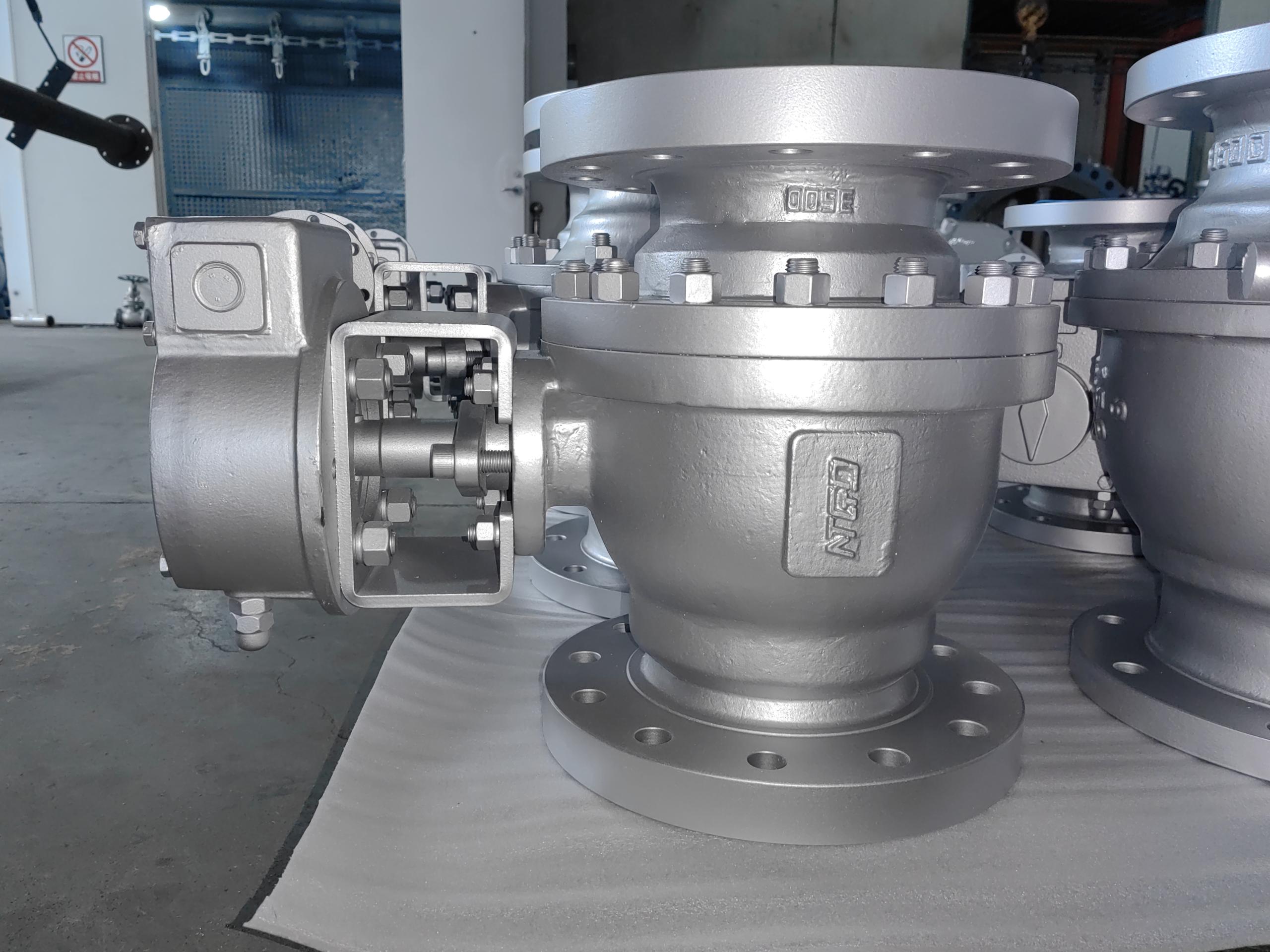
Full-port ball valves allow fluids to flow easily. Their opening matches the pipe size, so nothing slows down. This makes them great for systems needing fast and smooth flow. For example, in water plants, they keep flow steady and pressure balanced.
| Application Area | Benefit of Full-Port Ball Valves |
|---|---|
| Water Treatment and Supply | Keeps flow steady and pressure balanced. |
| High Flow Rate Applications | Allows fast fluid flow with little resistance. |
Tests show full-port ball valves perform better than standard ones. They handle more flow with less pressure loss.
| Valve Type | Flow Capacity Description | Pressure Loss Description |
|---|---|---|
| Full Port Ball Valve | Matches pipe size, allowing fast flow with little loss. | Smooth flow path reduces energy waste. |
| Standard Port Ball Valve | Smaller opening slows flow, reducing capacity. | Causes more pressure drop, less efficient. |
This makes full-port valves perfect for industries like chemical plants. NTGD ensures these valves are reliable and high-performing.
Minimal Pressure Drop
Full-port ball valves lower pressure drop by keeping flow smooth. Their wide opening reduces turbulence and energy loss. This is helpful for systems moving thick fluids or needing steady pressure.
Studies confirm this benefit. When open, full-port valves let materials pass easily. Most pressure drop happens in the pipe, not the valve.
This design saves energy, making full-port valves a smart choice for energy-saving industries.
Reduced Risk of Build-Up
The wide opening of full-port valves stops material build-up. This keeps them working well, even with thick or dirty fluids. By avoiding clogs, they need less maintenance and last longer.
| Industry | Benefit of Full-Port Ball Valves |
|---|---|
| Energy Efficiency Industries | Cuts energy use by reducing flow resistance. |
| Systems Requiring Low Pressure Drops | Keeps energy levels steady for smooth operation. |
For industries like oil and gas, full-port valves are strong and reliable. NTGD’s valves are built to handle tough jobs and last a long time.
Enhanced Performance Over Time
Full-port ball valves are built to work well for years. Their wide opening allows smooth flow, reducing strain on the system. This design improves efficiency and helps the valve last longer. Unlike standard port valves, full-port valves stay reliable even in tough conditions.
- They save energy by letting fluids move easily without resistance.
- Their strong build makes them great for high-pressure and high-heat systems.
- By reducing turbulence, they protect equipment and lower repair costs.
For example, industries like water treatment and chemical plants use full-port valves to handle large fluid amounts efficiently. Over time, this dependability means less maintenance and better system performance. NTGD’s full-port valves are tested to meet strict standards, ensuring they perform well for a long time.
Versatility in Applications
Full-port ball valves are very flexible and work in many settings. They can handle different fluids, including thick liquids and solids, making them useful in food and chemical industries. In pharmaceutical and biotech fields, they are used in Clean-In-Place (CIP) systems to keep things clean.
Here are some common uses for full-port ball valves:
- High-temperature and high-pressure systems: Ideal for industries like power plants where safety matters.
- Fire safety and irrigation systems: Their wide flow ensures quick and effective fluid delivery.
- Energy-saving industries: They lower energy use by reducing flow resistance.
Full-port valves are also used in home and commercial plumbing, like water systems and HVAC setups. They work well for both big industrial jobs and smaller tasks, showing their versatility. NTGD provides full-port valves designed to meet the needs of these varied industries.
When to Use Full-Port Ball Valves
Uses for Maximum Flow Efficiency
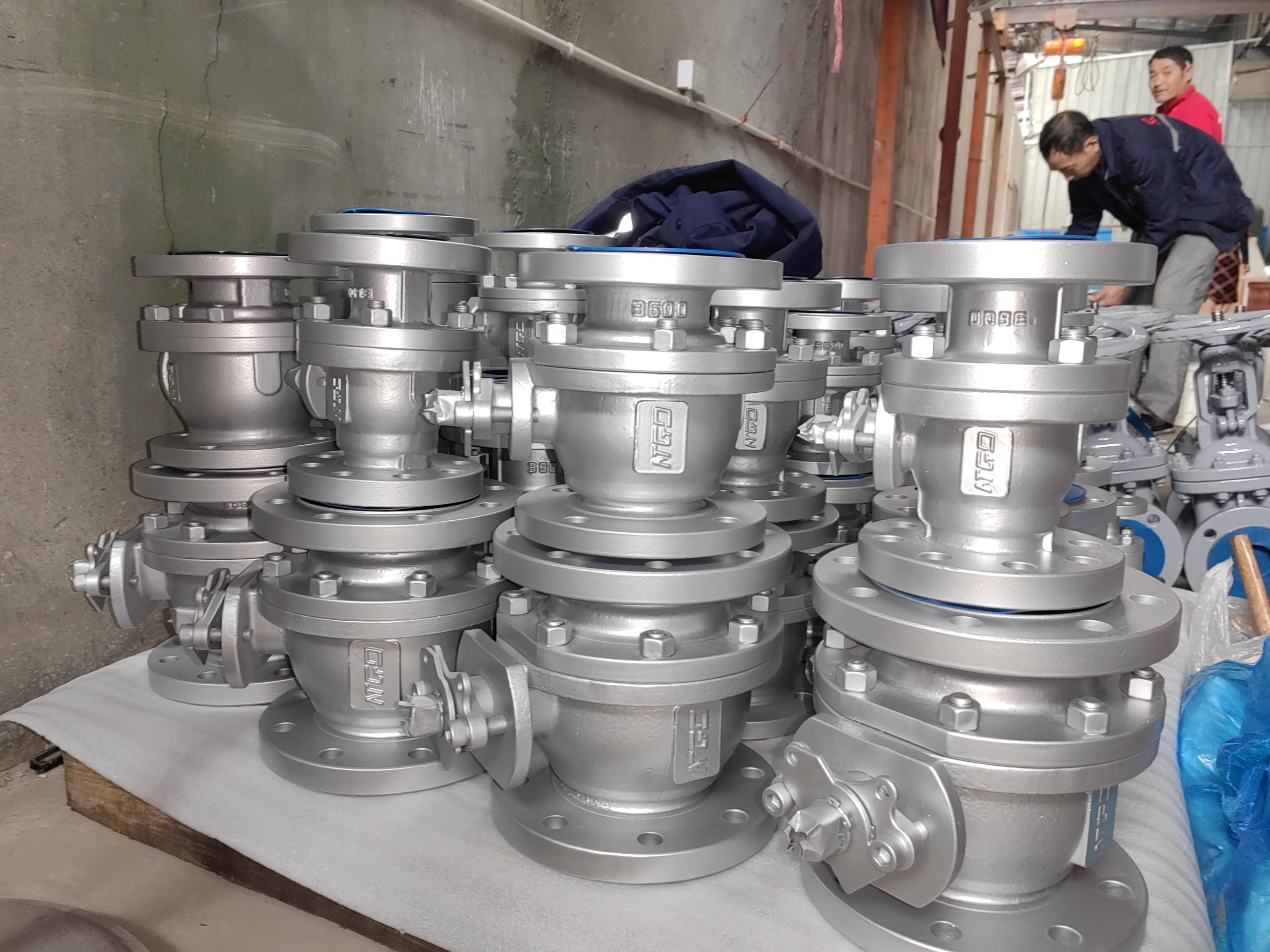
Full-port ball valves are best for systems needing smooth flow. Their wide opening matches the pipe size, letting fluids move freely. This design helps in jobs where steady flow is very important.
Here are some examples of where they work well:
- Chemical processing: Moves large amounts of fluids easily.
- Oil and gas pipelines: Keeps gases and liquids flowing safely.
- Water treatment plants: Ensures clean water flows smoothly.
- Manufacturing facilities: Supports steady flow for reliable operations.
Studies show these valves help systems stay efficient with little pressure loss. The table below shows key uses:
| Application Type | What It Needs |
|---|---|
| Industrial systems | High efficiency with low pressure loss |
| Drinking water networks | Smooth flow for safe water delivery |
| Gas lines | Free-flowing transport for safety |
| Pneumatic systems | Steady flow for reliable machine operation |
| Hydraulic installations | Easy flow for effective hydraulic work |
NTGD’s full-port ball valves are made to handle these tough needs, offering strong performance in many industries.
When Pressure Drop Should Be Avoided
Full-port ball valves are great for systems needing steady pressure. Their design reduces turbulence, keeping flow smooth and pressure stable. This makes them perfect for high-pressure and high-flow jobs.
Use full-port ball valves for:
- Systems needing very low pressure drops.
- Jobs handling thick fluids or solids.
- High-flow systems needing top performance.
Industries like oil, chemicals, and water treatment depend on these valves. For example, oil pipelines need steady pressure to move crude oil safely. In chemical plants, stable pressure helps handle thick liquids.
NTGD’s full-port ball valves are built to solve these problems, giving reliable results for important systems.
Industries That Use Full-Port Ball Valves
Many industries rely on full-port ball valves for their benefits. These valves allow fast flow, reduce pressure loss, and close tightly, making them very useful.
| Industry | How Full-Port Ball Valves Help |
|---|---|
| Oil and Gas | Fast flow and low pressure loss in important processes |
| Water Treatment | Smooth flow and tight shut-off for clean water systems |
| Chemical Industry | Handles corrosive fluids and keeps flow steady |
In oil and gas, these valves keep pipelines and refineries running smoothly. Water plants use them for steady flow in clean water systems. Chemical plants rely on them for handling harsh fluids and tight sealing.
NTGD offers strong, high-quality full-port ball valves to meet the needs of these industries, ensuring they last and perform well in tough conditions.
When Standard Port Ball Valves Work Best
Budget-Friendly Options
Standard port ball valves are great for saving money. They use less material, so they cost less than full-port valves. This is helpful in big projects needing many valves. For example:
- In factories, using standard port valves lowers project costs.
- Home plumbing systems stay functional at a cheaper price.
- HVAC systems often use these valves for their low cost and usefulness.
Choosing standard port valves gives good performance without spending too much. NTGD provides affordable, high-quality standard port ball valves for your needs.
Tight Spaces or Lightweight Systems
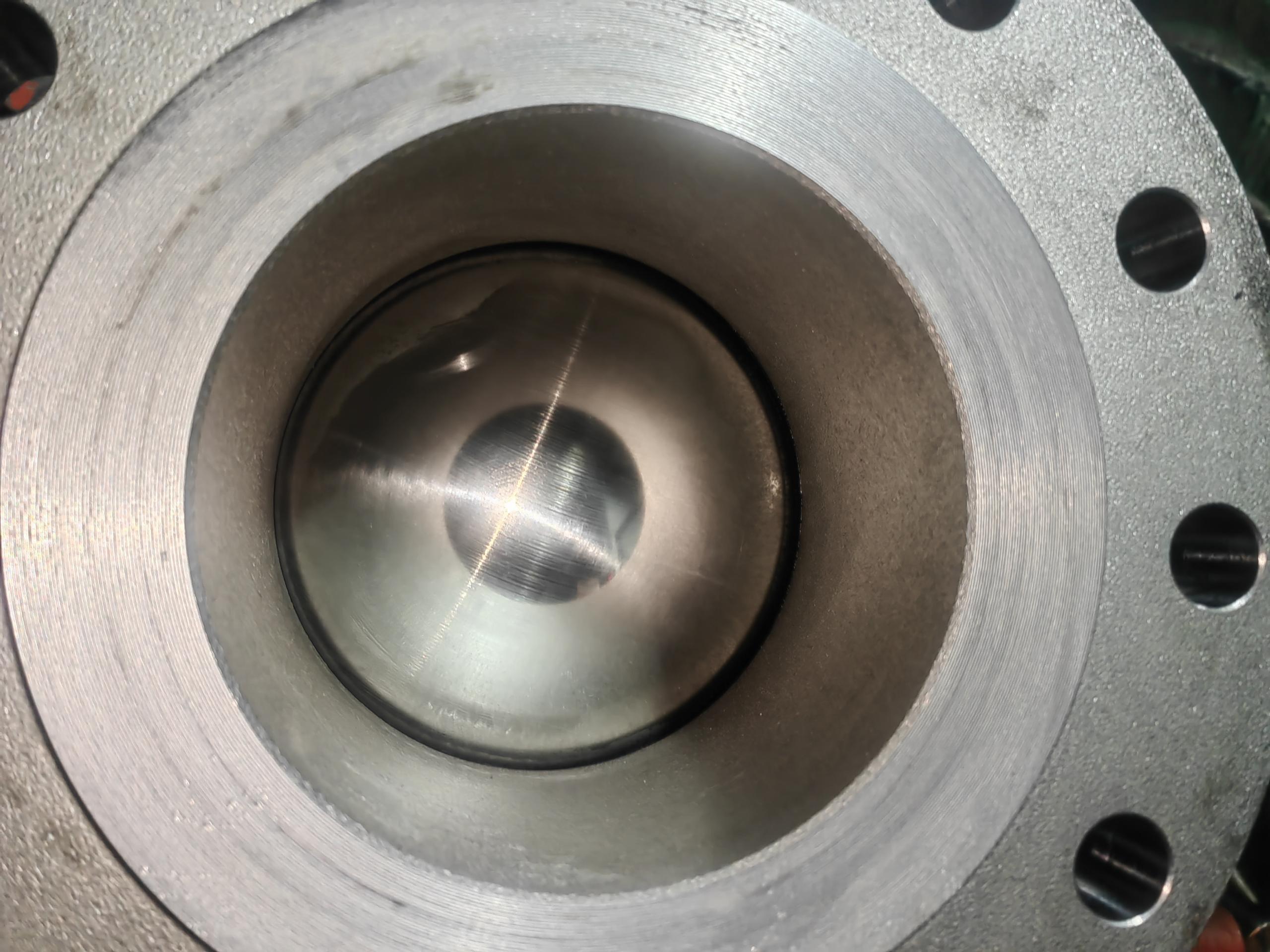
Standard port ball valves are smaller and lighter than full-port ones. This makes them perfect for tight spaces or systems needing less weight. For example, in small machines or portable tools, their size makes installation easier.
Their light weight is also useful where reducing load is important. For instance, in airplanes or mobile systems, every bit of weight matters. Standard port valves work well without adding extra bulk.
NTGD designs these valves to fit small spaces while still working reliably.
When Lower Flow is Okay
Standard port ball valves are fine for systems not needing high flow. Their smaller openings slow flow slightly, which works for things like home water lines or low-demand industrial tasks.
For example, in home plumbing, they control water flow well without needing maximum capacity. In HVAC systems, they manage airflow while keeping costs down.
Using standard port valves in these cases keeps systems running well and saves money. NTGD ensures their standard port ball valves are reliable and budget-friendly for such uses.
Picking the right valve helps your system work well. Full-port ball valves allow fast flow, low pressure drops, and are very flexible. They are great for tough jobs like water treatment or food production. Standard port ball valves are smaller and cheaper. They fit well in home plumbing or small industrial setups.
| Feature | Full Port Ball Valve | Standard Port Ball Valve |
|---|---|---|
| Flow Rate | Allows fast flow due to wide opening | Smaller opening slows flow |
| Pressure Drop | Keeps pressure steady for better efficiency | Causes more pressure drop, lowering performance |
| Cost | Costs more but saves money over time | Cheaper, good for systems needing less flow |
| Application Suitability | Best for thick fluids or solids, like in food plants | Works well for gases or tight spaces |
| Installation and Maintenance | Needs more room and careful setup | Easy to install in small spaces |
Think about your system’s flow needs, pressure limits, and budget. Full-port ball valves, like NTGD’s, are best for heavy-duty tasks. Standard port valves are better for simpler, low-cost systems. Knowing your system’s needs helps you choose the right valve for long-lasting performance.
