
Published: April 6, 2025 | Updated: April 14, 2026
Author: Bruce Zheng
Experience: 15+ years in industrial valve design, procurement, and maintenance
Company: NTGD Industrial Valves – Global Valve Solutions Provider
Choosing the right globe valve seat material (soft vs metal) directly affects sealing performance, leakage, and valve longevity. Soft seats (PTFE, PEEK) provide tight sealing and low operating force, ideal for clean chemical, water, or HVAC systems. Metal seats (stainless steel, stellite, tungsten carbide) withstand high temperatures (up to 600–850°C), high pressures, and abrasive or slurry media, making them suitable for industrial steam, mining, and power plant applications. Proper selection ensures reliable operation and reduces maintenance.
Select the right seat type based on your process requirements. For instance, zirconia trims operate in temperatures from -200°C to 850°C, while Stellite seats perform best between 315°C and 600°C. Choosing the proper seat type for temperature, pressure, and fluid type ensures reliable valve operation over time, particularly in high-pressure or abrasive service conditions. Proper globe valve seat material selection also helps reduce maintenance and prolong service life.
Key Takeaways
- Pick soft seats for low-leakage and chemical resistance, suitable for clean media or moderate service conditions.
- Use metal seats for high-temperature, high-pressure, or abrasive service, ensuring long-lasting performance in harsh environments.
- onsider system temperature, pressure, and fluid type to select the optimal globe valve seat material.
- Factor in total cost and maintenance: metal seats have higher upfront cost but lower long-term maintenance; soft seats cost less initially but may require more frequent replacements in severe conditions.
- Consult valve specialists when uncertain to ensure correct seat selection and avoid costly operational errors.
What Is a Globe Valve Seat?
A globe valve seat is the sealing surface inside the valve where the disk contacts to stop or regulate flow, as described in our Globe Valve structure & working principle overview. It works together with the stem and backseat to form a controlled sealing system. Proper material choice ensures effective shutoff, wear resistance, and reliable performance under different pressures, temperatures, and fluid types.
The seat works together with the disk, stem, and backseat to create a controlled sealing system—where the stem drives the disk onto the seat, and the backseat provides additional sealing support in certain designs.
The performance of a globe valve seat directly affects sealing reliability, wear resistance, and long-term service life. Different globe valve seat material options influence how the valve handles temperature, pressure, and fluid characteristics. Softer materials achieve tight shutoff with minimal leakage, ideal for soft seated globe valve applications, while harder materials handle high temperature, pressure, or abrasive service, suitable for metal seated globe valve applications.
Understanding how the seat functions within the valve structure is essential before comparing soft and metal seat designs, as each type responds differently to operating conditions and service requirements.
Seat ↔ Disk / Stem / Backseat Relationship
The globe valve seat is the critical sealing surface where the valve disk or plug makes contact to control fluid flow. It works in coordination with the disk, stem, and backseat to form a controlled sealing system: the stem drives the disk onto the seat, ensuring tight shutoff, while the backseat provides additional sealing support in certain designs.
Correct seat material selection ensures proper disk-to-seat contact under varying operating conditions, directly affecting sealing reliability, wear resistance, and maintenance efficiency. Understanding this interaction is essential for selecting the right material and type for different seat valve types in industrial applications like those detailed in our High Pressure Globe Valve Structure guide.
- Abrasive or slurry service: metal seats such as stellite or tungsten carbide prevent premature erosion and maintain durability.
- High-pressure or high-temperature systems: proper disk-to-seat matching avoids leakage and ensures long-term valve performance.
- Backseat function: serves as a secondary sealing point, supporting maintenance activities and allowing safe stem removal in larger valves.
Disk Types (Ball / Plug / Composition) and Seat Matching
Different disk designs influence seat performance and the choice of optimal seat material, similar to how seating options vary in other valves such as metal-seated ball valves:
- Ball-type disks: generally require metal seated globe valve designs to handle torque and prevent wear in abrasive or high-pressure services.
- Plug-type disks: allow tighter tolerances and may be compatible with both soft and metal seats depending on operating pressure and media. Soft seats (PTFE, PEEK) are suitable for clean chemical or low-pressure applications, while metal seats are recommended for abrasive or high-temperature conditions.
- Composition disks: often paired with side entry soft seat designs for clean chemical service but may require reinforced materials in high-temperature or abrasive environments.
Selecting the correct seat material based on disk type ensures long-term reliability, optimal sealing performance, and reduced maintenance frequency.
Flow Direction & Globe Valve Body Types (Z / Y / Angle) Impact on Seat
Valve body orientation and flow direction affect seat load, wear, and material selection, as explained in Flow Control Network’s globe valve engineering guide, especially in Y-pattern designs like those covered in our Y Pattern Globe Valve article.
Key considerations:
| Body Type | Flow Path | Seat Load | Recommended Materials | Notes |
|---|---|---|---|---|
| Z-body | S-shaped, two 90° turns | Moderate | Soft or metal seats depending on media | Common in general industrial service |
| Y-body | Straight angled | Lower wear | Soft seats for clean fluids, metal for abrasive | Easier maintenance, reduced torque |
| Angle | Direct turn at 90° | Higher localized load | Metal seats recommended for high-temp or abrasive service | Often used in steam or slurry systems |
Soft seats: tight shutoff, chemical resistance | Metal seats: high-temp, high-pressure, abrasive service, durability prioritized over zero leakage
Selecting the seat material in accordance with body type and high temperature globe valve seat requirements prevents uneven wear and prolongs valve service life.
Replaceable vs Integral Seats / Maintainability
Globe valve seats can be either replaceable or integral:
- Replaceable seats allow easy maintenance, material replacement, and inspection without removing the entire valve body, a benefit also noted in various flange globe valve structures. This is advantageous in systems with high wear, abrasive media, or chemical corrosion.
- Integral seats are machined as part of the valve body, providing robust sealing for high-pressure or high-temperature applications but require full valve disassembly for replacement.
Understanding the differences helps engineers choose the correct seat type for their process, ensuring operational reliability and reducing downtime. Proper selection aligns with globe valve seat best practices and long-term maintenance planning.
Soft Seat vs Metal Seat: Quick Comparison
Soft seats prioritize sealing, while metal seats prioritize durability under harsh conditions. The table below compares key parameters for typical soft and metal seats used in globe valves, aligned with common industrial applications:
| Seat Material | Temperature Range | Maximum Pressure | Media Type | Sealing Class | Globe Valve Suitability | Risk if Wrong |
|---|---|---|---|---|---|---|
| PTFE | -50°C to 200°C | Low–Medium (Class 150–300) | Clean chemicals, water | Class VI | Soft seated globe valve | Extrusion or cold flow under high temperature |
| PEEK | -50°C to 260°C | Medium–High | Corrosive, high-cycle fluids | Class VI | Soft seated globe valve | Wear in abrasive slurry |
| 316 SS | -250°C to 600°C | High | General, non-corrosive | Class IV | Metal seated globe valve | Minor leakage if misapplied |
| Stellite 6 | Up to 650°C | High | Steam, abrasive | Class IV–V | Metal seated globe valve | Excessive torque or seating wear if misused |
| Tungsten Carbide | Up to 850°C | Very High | Slurry, abrasive | Class IV | Metal seated globe valve | Surface damage under improper alignment |
In globe valve applications, soft seats are usually selected where tight shutoff and chemical resistance are critical. Metal seats are preferred for high-temperature, high-pressure, or abrasive services where durability and wear resistance outweigh zero leakage.
Soft vs Metal Seat in Globe Valves: Decision Boundary
Selecting the correct seat type depends on a combination of PROCESS CONDITIONS, DISK TYPE, VALVE BODY DESIGN, and MEDIA CHARACTERISTICS. Key guidelines:
- TEMPERATURE AND PRESSURE
- Use SOFT SEATS (PTFE, PEEK) for moderate temperatures and pressures, especially in chemical or water systems.
- Use METAL SEATS (316 SS, STELLITE, TUNGSTEN CARBIDE) for high-pressure, high-temperature, or abrasive service.
- DISK TYPE CONSIDERATION
- BALL DISKS: prefer hard metal seats to resist torque and wear.
- PLUG DISKS: compatible with both soft and metal seats, depending on process conditions.
- COMPOSITION DISKS: often paired with soft seats for chemical service; metal may be required for high temperature or abrasive media.
- VALVE BODY & FLOW PATH
- Z/Y/ANGLE BODY configurations influence seat load and wear. Select seat material that matches both the BODY ORIENTATION and FLOW-INDUCED STRESS.
- SERVICE MEDIA & ABRASION
- ABRASIVE SLURRY OR SOLIDS-LADEN FLUIDS: metal seats recommended, consistent with wear mechanism explanations from Corrosionpedia abrasive wear guide.
- CLEAN FLUIDS WITH LOW SOLIDS: soft seats provide sufficient sealing and lower actuation torque.
- LONG-TERM MAINTENANCE & LIFECYCLE
- SOFT SEATS: lower initial cost, higher maintenance in severe service.
- METAL SEATS: higher initial cost, longer service life in demanding environments.
KEYWORD INTEGRATION: This section naturally embeds GLOBE VALVE SEAT MATERIAL, SOFT SEATED GLOBE VALVE, and GLOBE VALVE SOFT SEAT VS METAL SEAT, reinforcing the SEO signal for high-intent industrial searchers.
Soft Seated Globe Valves: Materials, Benefits, and Limitations
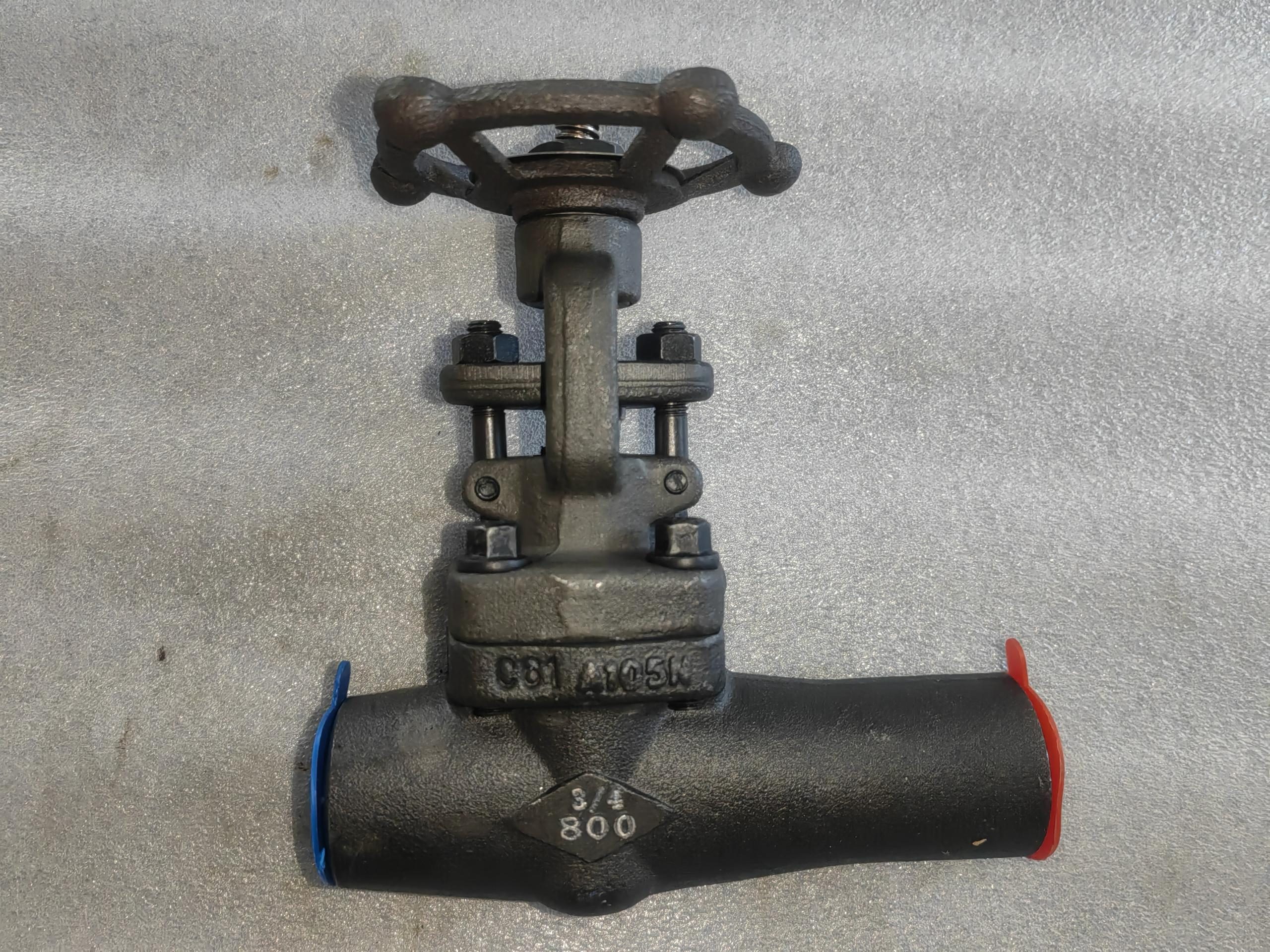
Soft seated globe valves primarily use PTFE or PEEK as the globe valve seat material. These non-metallic materials provide reliable sealing performance and chemical resistance. The soft seat closely matches the valve plug’s shape, enabling tight shutoff and minimizing leakage in critical applications.
These valves typically feature a brass body and a stainless steel stem for strength and corrosion resistance. Some designs incorporate a pressure-balanced structure to maintain sealing under higher pressures, and many include a manual override with a threaded plastic cover.
Material Coverage Expansion
In addition to PTFE and PEEK, soft seats can be made from RTFE, TFM, POM, Viton, or UHMW PE depending on service requirements, offering flexibility across temperature, pressure, and chemical compatibility.
Temperature Effects
Soft seats may experience cold flow or extrusion under prolonged high-temperature service, a phenomenon described in material behavior references such as EngineeringToolbox thermal properties. Understanding these effects is essential when selecting a soft seated globe valve for high-temperature globe valve seat applications.
Sealing Mechanism Microstructure
The microstructure of the seat allows minor surface irregularities to be filled, enabling soft seats to reach Class VI sealing, whereas metal seats typically achieve Class IV–V. Proper material selection ensures reliable performance for your process.
Benefits of Soft Seated Globe Valves
- Bubble-tight sealing: Provides tight shutoff for systems requiring minimal leakage, such as HVAC and low-temperature applications described in our Steam Globe Valve article.
- Low operating force: Requires less torque to operate, reducing wear on internal components and extending valve life.
- Corrosion resistance: PTFE and PEEK resist chemicals, suitable for corrosive media.
- Versatility: Suitable for hot and chilled water, light steam, and various clean fluids.
- Stable performance: Pressure-balanced designs enhance shutoff in larger valves under higher pressure.
For example, in HVAC systems, these valves can handle pressures up to 235 psi with very low leakage, commonly used for systems up to 175 psi and light steam around 100 psig.
| Feature / Benefit | Description |
|---|---|
| Application | Control of hot and chilled water in HVAC systems |
| Maximum Static Pressure | 235 psi |
| Leakage Rate | Soft seat provides low leakage performance |
| Design | Pressure-balanced design improves shutoff capability |
| Material | Brass body with stainless steel stem |
| Manual Operation | Threaded plastic cover allows manual operation |
Limitations of Soft Seat Globe Valves
- Temperature sensitivity: PTFE and PEEK have limits and cannot match metal seats at very high temperatures; seats may deform under extreme heat.
- Vulnerability to wear: Abrasive or particle-laden media can accelerate wear, reducing sealing performance.
- Slower operation: Multiple turns needed to open/close may introduce pressure drop and turbulence.
- Limited suitability for high flow rates: High velocity can damage the seat, especially in throttling applications.
Matching the globe valve seat material to actual service conditions is critical. In high-temperature or abrasive environments, a metal seated globe valve is often preferable.
Tip: Always evaluate temperature, pressure, and media type before selecting a soft seated globe valve.
When Soft Seats Are Preferred (Bubble-Tight Shutoff Applications)
Soft seated globe valves are chosen for complete sealing where zero visible leakage is required. This is critical in applications like pharmaceuticals or chemical processing where leakage can compromise product quality or release hazardous media.
Typical Applications for Soft Seated Globe Valves
- HVAC systems – controlling hot and chilled water with high sealing requirements
- Food and beverage processing – preventing contamination in clean fluid systems
- Pharmaceutical production – maintaining sterile conditions
- Chemical processing – handling corrosive but clean media
- Water treatment systems – ensuring controlled and leak-free operation
How Soft Seats Achieve Tight Sealing
Soft seats (PTFE, PEEK) slightly deform under load, allowing the globe valve seat and disc to fully contact each other, eliminating gaps and improving sealing reliability.
Tip: For low leakage, clean media handling, and moderate operating conditions, a soft seated globe valve is typically the preferred solution.
Metal Seated Globe Valves: Materials, Benefits, and Limitations

Materials and Strength of Metal Seats
Metal seated globe valves are engineered for severe service conditions, including high temperature, high pressure, and abrasive media. Their seats are made from robust materials such as stainless steel, tungsten carbide, or stellite seat alloys, serving as the primary globe valve seat material. These materials maintain strength under rough fluids, high heat, and harsh chemicals, ensuring reliable operation under demanding conditions.
Metal seats resist bending and breaking, similar to the robust sealing seen in our Stainless Steel Globe Valve products. Cobalt-based stellite alloys can handle wear and temperatures up to 600°C. Stainless steel provides corrosion resistance for many applications. These materials help metal seated globe valves perform reliably in high-temperature and severe service environments.
Tip: Use metal seated globe valves if your system involves high temperature, high pressure, or abrasive service conditions.
Material Coverage Expansion
Beyond stainless steel and stellite, other materials like bronze, Monel, Hastelloy, and zirconia ceramics are used depending on service requirements. Stellite 6 and 21 differ in hardness and wear resistance, and can be applied using hardfacing, overlay welding, or nitriding processes. This provides flexibility for long-term durability and suitability for high-stress or corrosive environments.
Benefits of Metal Seat Globe Valves
- Handles High-Temperature Service: Metal seats, especially stellite, remain dimensionally stable above 600°C.
- Resistant to Abrasive Media: Coatings like tungsten carbide protect the globe valve seat from wear and erosion.
- Long Service Life: Hard materials reduce wear and lower maintenance frequency.
- High-Pressure Performance: Maintain structural integrity under severe service pressures.
- Wide Fluid Compatibility: Suitable for steam, chemicals, oil, gas, and abrasive slurries.
Example: In chemical plants, metal seated globe valves manage aggressive fluids without rapid damage. Power plants rely on them for high-temperature steam under high pressure, ensuring stable operation.
Leakage Quantification
Metal seated globe valves typically meet ANSI/FCI 70-2 Class IV/V leakage standards, and sealing tests follow protocols such as those outlined by API standards. While they may not achieve bubble-tight shutoff like soft seated globe valves, their sealing performance is sufficient for high-temperature and abrasive service where durability and wear resistance are critical.
H3: Limitations of Metal Seat Globe Valves
- Lower Sealing Tightness: Cannot achieve zero visible leakage like soft seated globe valves.
- Higher Operating Force: Metal-to-metal contact requires stronger actuators.
- Potential Corrosion Over Time: Even stainless steel or stellite alloys can degrade under aggressive chemicals.
- Higher Initial Cost: Advanced materials and precision manufacturing increase upfront expense.
Note: For applications demanding tight sealing with minimal leakage, soft seated globe valves may be preferable.
Best Applications for Metal Seats (High Temperature & Severe Service)
- Power Plants → High-temperature, high-pressure steam control
- Chemical Plants → Corrosive and high-temperature media
- Mining Systems → Abrasive slurry service
- Oil and Gas → High-pressure, high-temperature operations
Tip: Selecting the correct metal seated globe valve and globe valve seat material is essential for long-term performance in severe service environments.
Choosing the Right Materials
Selecting alloys such as stellite or tungsten carbide ensures the valve maintains strength and wear resistance under harsh conditions. Understanding system requirements allows engineers to optimize efficiency, reduce downtime, and extend service life.
How to Select Globe Valve Seat Material by Service Conditions
In real-world engineering applications, incorrect selection of globe valve seat material is one of the most common causes of premature valve failure. Selecting the right globe valve seat material depends on matching the valve design to actual service conditions rather than choosing materials in isolation, following ASME engineering standards for construction and testing. Temperature, pressure, fluid characteristics, and sealing requirements all influence whether a soft seat or metal seat is appropriate.
The table below shows recommended seat types and materials for common service conditions, incorporating practical engineering scenarios with high-temperature steam, abrasive media, and corrosive environments:
| Service Condition | Recommended Seat Type / Material | Why | Typical Caution |
|---|---|---|---|
| High-temperature steam service (e.g., industrial steam lines, boilers) including applications similar to those for steam globe valves, where seat material selection is critical. | Metal seat (e.g., stellite seat, stainless steel) | Maintains structural strength and sealing under elevated temperatures; demonstrates optimal performance in high-temperature globe valve seat material selection | Higher leakage compared to soft seats; requires precise machining |
| Corrosive clean media (e.g., chemical plants, brine, acidic/alkaline solutions) | Soft seat (e.g., PTFE, PEEK) | Excellent chemical resistance and tight sealing; effective for seat material selection in corrosive applications | Limited temperature and pressure tolerance |
| Abrasive or slurry-like service (e.g., mining, slurry transport, polymer suspensions) | Metal seat (e.g., tungsten carbide, stellite valve seats) | High resistance to wear, erosion, and particle damage; suitable for abrasive service valve seat material applications | Surface damage can occur under extreme abrasion if not maintained |
| Low-leakage / bubble-tight applications (e.g., pharmaceutical, food & beverage) | Soft seat (PTFE/PEEK) | Provides near-zero leakage performance; ensures clean media handling and precise flow control | Faster wear if exposed to high temperature or abrasive media |
| High-pressure severe service (e.g., power plants, oil & gas high-pressure lines) | Metal seat | Maintains structural strength and resistance to deformation under high-pressure and high-temperature conditions | Requires higher operating force; actuator sizing critical |
From an engineering perspective, seat material selection should always be driven by service conditions rather than general preference. For example:
- High-temperature globe valve seat applications such as steam systems or heat exchangers typically require metal seating solutions like stellite seat designs.
- Abrasive service valve seat material in slurry pipelines or mineral processing applications should use wear-resistant metals like tungsten carbide or Stellite 6 to reduce erosion and extend service life.
- Corrosive environments such as chemical or brine handling systems prioritize soft seats (PTFE or PEEK) to minimize chemical attack and maintain sealing integrity.
Understanding these service-driven trade-offs helps ensure reliable operation, reduces long-term maintenance risk, and aligns with engineering best practices for abrasive service valve seat material, seat material selection, and overall globe valve seat material optimization.
Key Factors to Think About When Picking a Seat Type
Process Conditions: Temperature, Pressure, and Fluid Type
Understanding your system’s operating conditions is critical for selecting the correct seat type. Different seat materials perform differently under various temperatures, pressures, and fluid characteristics. For example, soft seats like PTFE or PEEK are suitable for lower temperatures and clean fluids but may degrade under high-temperature steam or abrasive slurry. Metal seats, such as stellite or stainless steel, can handle high temperatures exceeding 600°C, abrasive slurries, and corrosive chemicals without significant wear.
Pressure is another key factor. High-pressure systems can damage soft seats, leading to leaks and accelerated wear. Metal seats maintain structural integrity under high-pressure conditions. Similarly, fluid type affects material choice: corrosive or abrasive fluids accelerate soft seat degradation, whereas metal seats resist erosion and corrosion.
| Parameter | What It Means |
|---|---|
| Minimum Flow | The smallest flow the valve must control |
| Maximum Flow | The largest flow the valve must handle |
| Upstream/Downstream Pressure | Pressures before and after the valve, including transient changes |
| Minimum/Maximum Temperature | Temperature range the valve will encounter, including extreme cases |
| Process Fluid | The type of fluid, including changes in composition |
Tip: Match the seat material to your system’s temperature, pressure, and fluid characteristics for optimal performance and longevity.
Sealing Needs and Leakage Tolerance
Sealing requirements directly influence seat material selection. For applications requiring near-zero leakage—such as pharmaceutical, food, and clean chemical systems—soft seats provide the necessary tight shutoff and chemical resistance. For moderate leakage tolerance systems, metal seats may be acceptable, especially where durability and high-temperature performance are priorities.
| Action Level (ppmv) | How Well It Stops Emissions | Cost Efficiency |
|---|---|---|
| 10,000 | Finds and stops major leaks | Saves more money and reduces emissions |
| 20,000 | Less effective at stopping leaks | Lower upfront cost but may require more maintenance |
Note: Carefully evaluate system leak tolerance. Choosing the wrong valve can increase operating cost and reduce efficiency.
Strength and Maintenance Needs
Material strength and maintenance considerations are essential when choosing a seat type. Soft seats may wear faster under abrasive, high-temperature, or high-flow conditions, requiring more frequent inspection and replacement. Metal seats, made from stellite, tungsten carbide, or stainless steel, resist wear and corrosion, reducing downtime and extending service life in harsh industrial conditions, including mining, high-pressure steam, and chemical processing.
Tip: Consider how often the valve may require maintenance. Selecting a stronger seat type reduces downtime and lowers long-term operational costs.
Cost and Budget Factors
Selecting between soft and metal seats involves evaluating upfront cost versus long-term maintenance:
- Why Soft Seats Are Cost-Effective: Soft seat valves (PTFE, PEEK) have lower initial costs and require less actuation force, saving on energy and actuator sizing. Suitable for normal temperature and pressure applications.
- Why Metal Seats Justify Higher Cost: Metal seat valves, though more expensive initially, handle high temperature, abrasive, and corrosive conditions, reducing long-term maintenance and downtime. Stellite-coated metal seats perform reliably under extreme heat and heavy-duty service, making them suitable for power plants, chemical plants, and mining operations.
| Seat Type | Starting Cost | Repair Cost | Best For |
|---|---|---|---|
| Soft Seat | Lower | Higher | Normal conditions, moderate temperature and flow |
| Metal Seat | Higher | Lower | Extreme conditions, high temperature, high pressure, abrasive or corrosive fluids |
Tip: Account for both system requirements and total cost. Investing in a stronger seat upfront can save significant maintenance and replacement costs over the valve lifecycle.
What Happens If the Wrong Seat Type Is Selected?
Selecting the wrong globe valve seat material can lead to operational issues that may not be immediately apparent but significantly affect long-term valve performance and maintenance. Most failures are caused by a mismatch between the seat type and the service conditions rather than the valve itself.
Common failure modes include thermal deformation, erosion, galling, leakage, and chemical attack. These failures can occur under high-temperature steam, abrasive slurries, corrosive fluids, or when the seat material does not match the pressure and flow requirements.
| Failure Mode | Typical Cause | Consequence | Globe Valve Example |
|---|---|---|---|
| Thermal deformation | Soft seat in high-temperature service (>200°C) | Loss of sealing, leakage | PTFE seat in 250°C steam system |
| Erosion / washout | Soft seat in abrasive slurry or particle-laden media | Rapid seat wear and reduced shutoff | PEEK seat in mining slurry |
| Galling / seizure | Metal seat with insufficient hardness or incompatible design | Increased stem torque, seat surface damage | 316SS seat in throttling application |
| Leakage exceeding specification | Metal seat in bubble-tight clean service | Minor leakage affecting process integrity | Class IV metal seat in pharmaceutical process |
| Chemical attack | Incompatible seat material with aggressive fluid | Swelling, surface degradation, shortened service life | PTFE seat exposed to molten alkali |
Key Engineering Insights:
- High-temperature steam systems require metal seats like stellite or stainless steel to maintain sealing integrity and structural strength.
- Abrasive or particle-laden media require wear-resistant seats, including stellite or tungsten carbide, to avoid rapid erosion.
- Low-leakage, clean service (bubble-tight) applications perform better with soft seats such as PTFE or PEEK.
- Chemical compatibility is critical: mismatched materials can cause corrosion, degradation, and shortened service life.
- Pressure and flow conditions must match seat selection: excessive pressure or high flow can accelerate wear and reduce valve reliability.
Tip: Always evaluate temperature, pressure, flow, media type, and chemical compatibility when selecting a globe valve seat material. Choosing the correct soft or metal seat for the specific service conditions reduces maintenance, ensures tight sealing, and prolongs valve lifespan.
Practical Tips for Picking the Right Seat Type

Checking Your System’s Needs
Knowing what your system needs is the first step in globe valve seat selection, whether you are specifying a standard globe valve or a flange globe valve type based on your piping layout. Look at the temperature, pressure, and fluid type your valve will handle. For example, metal seat globe valves are better for high heat or abrasive fluids, while soft seated globe valves work best for tight sealing and chemical resistance.
Consider flow rate and pressure fluctuations as well. High flow can wear out soft seats quickly, but metal seats handle it well. Document these conditions to compare with each seat type’s characteristics, ensuring better performance and longer service life.
Tip: Keep track of your system’s conditions. Proper documentation helps in choosing the right seat type and prevents costly errors.
Getting Help from Valve Experts
Selecting the right valve can be complex, especially for challenging applications. Consulting valve experts can save time and reduce risk. Experts help with seat material selection, sealing requirements, and maintenance guidance.
When seeking advice, provide clear details: temperature, fluid type, pressure, flow rates, and system orientation. Many manufacturers offer technical support to guide your choice. Accurate information ensures the recommended globe valve seat material is appropriate for your application.
Note: Expert guidance helps prevent premature wear and reduces operational risks.
Balancing Cost, Performance, and Durability
Choosing between soft and metal seats requires weighing initial cost, long-term durability, and system requirements. Soft seats generally have lower upfront costs but may require more frequent maintenance in harsh environments. Metal seats are more expensive initially but offer extended service life in high-temperature, high-pressure, or abrasive applications.
Think about total cost over the valve’s service life, not just initial price. For example, stellite-coated metal seats may cost more initially but reduce downtime and repair costs in power plants, chemical, or mining operations.
| Factor | Soft Seat Valves | Metal Seat Valves |
|---|---|---|
| Starting Price | Lower | Higher |
| Repair Needs | More in harsh conditions | Less |
| Strength | Good | Excellent |
| Best Uses | Low-pressure, clean fluids | High-temperature, rough fluids |
Tip: Compare performance, durability, and cost to choose the best seat type for your system.
Making Sure It Fits Your System
Correct seat type selection ensures system reliability. Incorrect matching may lead to leaks, poor performance, or even system failure. Understanding fit requirements minimizes operational risks and maintenance costs.
Things to Check for a Good Fit
- Material Match: Ensure the seat material is compatible with the process fluid (e.g., PTFE for gentle chemicals, metal seats for abrasive media).
- Size and Shape: Verify valve size, flange connections, and orientation match piping.
- System Needs: Confirm temperature, pressure, and flow limits align with valve specifications.
| Factor | Why It’s Important |
|---|---|
| Material Match | Prevents chemical attack and premature wear |
| Size and Shape | Ensures proper installation and leakage prevention |
| System Needs | Protects against failure under extreme conditions |
Tip: Check these parameters carefully to ensure long-term reliability and efficiency.
Disk Type Influence (Ball / Plug / Composition)
The type of disk or plug directly affects the globe valve seat material choice.
- Ball and Plug Disks: Require metal seats in high-pressure or abrasive slurry service to resist wear. Soft seats may work in chemical or clean water applications where tight shutoff is required.
- Composition Disks: Often paired with soft seats in moderate temperature and low-pressure systems.
Example: In chemical dosing systems, side entry soft seats with composition disks provide precise, leak-free operation. In slurry service, tungsten carbide seats with plug disks reduce wear and extend service life.
Body Type / Valve Orientation Considerations (Z/Y/Angle)
Valve body design and orientation influence seat loading, flow distribution, and wear:
- Z-type / Y-type valves: Better for high flow or abrasive media, require harder seat materials.
- Angle valves: Reduce pressure drop, often paired with soft seats in clean service.
Orientation matters for seat wear: valves installed vertically may have different wear patterns than horizontal installation, impacting material choice.
Tip: Match seat material selection to valve body type and orientation to maintain sealing performance.
Backseat Influence on Seat Performance & Maintenance
The backseat design provides additional sealing during maintenance or extended operations:
- Proper backseat engagement reduces wear on the primary globe valve seat, especially in high-temperature or abrasive services.
- In soft seated valves, the backseat prevents accidental leakage when the stem is fully extended.
- For metal seated valves, it allows maintenance without full shutdown, critical in power plants or chemical processing.
Tip: Consider backseat functionality when selecting the seat material for long-term reliability and maintenance efficiency.
When to Choose a Soft Seated Globe Valve
A soft seated globe valve is typically chosen for applications where tight sealing and minimal leakage are critical. These valves use non-metallic seat materials such as PTFE, PEEK, or reinforced polymers to create a conforming sealing surface that ensures reliable shutoff under suitable service conditions.
Soft seats are especially effective in clean media environments where chemical resistance and sealing performance are prioritized over extreme temperature or mechanical strength. Typical applications include water systems, HVAC, or non-abrasive chemical services. In these scenarios, soft seated globe valves provide consistent flow control with minimal leakage.
Service Range Boundaries
The effective service range for soft seats includes moderate temperature and pressure conditions, where the material maintains integrity without deformation. Soft seats are ideal when precise control and reliable sealing are needed, and operating conditions remain stable.
Example: In chilled water distribution, PTFE or PEEK seats can operate effectively up to 200°C and moderate pressures (Class 150–300) without risk of extrusion or deformation.
Limitations for High Temp, Abrasive, or High Pressure Applications
Soft seats are not suitable for all environments:
- High temperature service: Materials like PTFE and PEEK may degrade or lose sealing ability in steam or hot chemical applications.
- Abrasive or slurry service: Wear can occur quickly due to particle erosion, reducing sealing performance and shortening valve life.
- High pressure: Excessive pressure can exceed the mechanical limits of soft seat materials, causing extrusion, cold flow, or leakage.
Tip: In these harsh conditions, consider alternative seat materials such as metal seated globe valves (e.g., stellite or tungsten carbide) designed for extreme service.
Recommendation to Review Technical Specs or Consult Valve Specialists
For critical systems where sealing and chemical compatibility are paramount, reviewing technical specifications or consulting with valve specialists is highly recommended:
- Verify temperature limits, pressure ratings, and media compatibility for the selected seat material.
- Provide service conditions—including temperature, pressure, and fluid type—when requesting RFQ or project-specific recommendations.
- Specialist guidance ensures the soft seated globe valve will perform reliably over its service life and aligns with system safety and operational requirements.
Tip: Accurate information and professional advice reduce the risk of premature valve failure, maintenance costs, and operational downtime.
Soft Seated Globe Valve Specification Summary
The following table summarizes typical specifications for NTGD soft seated globe valves, including size range, pressure rating, temperature limits, common materials, applicable standards, and expected leakage class. These parameters help engineers and buyers quickly match valve selection to process requirements and ensure the soft seated globe valve will perform reliably in its intended service.
| Specification Category | Typical Value / Notes |
|---|---|
| Nominal Size Range | DN15–DN300 (1/2″–12″) (common industrial range for globe valves) |
| Pressure Rating | Class 150–300 (PN16–PN40) depending on construction and material |
| Temperature Range | Up to approx. 180–200°C for soft seats (PTFE/PEEK) under clean media; higher limits require metal seating |
| Seat Material Options | PTFE, PEEK, reinforced polymers — suitable for bubble‑tight shutoff in clean or chemical service |
| Body Materials | Carbon steel (WCB), stainless steel (F304/F316), alloy steels — selected based on fluid and pressure requirements |
| Sealing Class | Typically Class VI (bubble tight) when properly matched to application and test standards |
| End Connection Types | RF/FF flanged ends, butt‑weld (BW), NPT/BSP threaded options |
| Applicable Standards | ANSI/ASME B16.34, API 602, ISO common valve sizing/pressure standards |
| Typical Application Media | Water, HVAC fluids, clean chemicals, light oils under moderate temperature/pressure |
| Not Recommended For | High temperature steam, abrasive slurries, extremely high pressures without appropriate metal seat design (consider metal seated globe valve) |
Notes on Globe Valve Seat Material Selection
- Soft Seat Performance: Soft seats such as PTFE and PEEK are designed to provide low friction and excellent chemical resistance, offering high sealing performance (Class VI) in clean and moderate operating environments.
- Temperature and Pressure Limits: While soft seats perform well at moderate temperatures (often up to ~180–200°C under clean conditions), they are not optimal for high‑temperature steam service or high‑pressure abrasive applications — those typically require a metal seated globe valve configuration.
- Material Compatibility: When specifying a globe valve seat material, confirm compatibility with your fluid chemistry, temperature range, and system pressure to avoid premature wear or leakage.
Need help choosing the right globe valve seat material or confirming whether a soft seat is suitable for your application?
Our technical specialists can assist you with material recommendations, performance expectations, and service condition matching.
📩 Contact Us today to get customized seat material guidance and ensure optimal valve performance.
1. What is a globe valve seat?
A globe valve seat is the sealing surface inside a globe valve where the disc contacts to stop or regulate flow. It is critical in determining sealing performance, leakage rate, and valve longevity. Seats can be made from soft materials (such as PTFE or PEEK) or metal materials (such as stainless steel, stellite, or tungsten carbide), depending on service conditions and required durability.
2. What is the difference between a soft seat and a metal seat in a globe valve?
The main differences relate to sealing performance and suitable service conditions:
- Soft seated globe valves: Provide bubble-tight shutoff and excel in clean media, moderate temperatures, and low-to-medium pressures. Ideal for applications prioritizing leakage control.
- Metal seated globe valves: Designed for high-temperature, high-pressure, or abrasive service. More durable but may allow minor leakage under certain conditions.
Selection depends on temperature, pressure, media type, and required leakage tolerance.
3. What is the best globe valve seat material for high-temperature steam?
For high-temperature steam, metal seat materials such as stellite seat alloys or tungsten carbide are recommended. These materials can withstand temperatures above 500–600°C, resist erosion, thermal deformation, and wear, making them suitable for power plants, steam systems, and other severe service environments.
4. When should you use a soft seated globe valve?
Use a soft seated globe valve when tight sealing and minimal leakage are required. Typical applications include:
- HVAC systems
- Water treatment
- Clean chemical processing
- Food and pharmaceutical industries
Soft seats are best suited for moderate temperatures, clean fluids, and systems needing bubble-tight shutoff.
5. Can you replace a metal seat with a soft seat in a globe valve?
Yes, but only if service conditions allow it. Replacing a metal seat with a soft seat is acceptable in low-temperature, clean fluid systems. It is not recommended for high-temperature steam, abrasive slurries, or high-pressure applications, as the soft seat may deform or wear quickly.
6. Can a globe valve seat be damaged by abrasive media?
Yes. Abrasive media can rapidly wear a soft seat, leading to reduced sealing performance. Metal seats with hard-facing alloys like stellite or tungsten carbide offer significantly better resistance in abrasive or slurry services.
7. Are soft seated globe valves suitable for high-pressure applications?
Soft seats are generally suitable for moderate pressures. For high-pressure or severe service, metal seated globe valves are preferred due to superior structural strength and wear resistance.
8. What is the leakage class of metal vs soft seated globe valves?
- Soft seats: Can achieve Class VI or bubble-tight shutoff, minimizing leakage.
- Metal seats: Typically reach Class IV–V, allowing minor leakage, especially at high temperatures or under wear conditions.
9. What stellite seat material is best for high-temperature steam valves?
Stellite 6 or Stellite 21 alloys are commonly used for high-temperature steam service, offering excellent wear resistance, thermal stability, and longevity in high-pressure or abrasive media.
10. How do you choose globe valve seat material for abrasive service?
For abrasive service, select metal seats made of stellite or tungsten carbide. Consider flow rate, particle size, pressure, and temperature. Soft seats may wear rapidly and are only suitable in non-abrasive clean fluids.
11. How to choose globe valve seat material for corrosive service?
- Soft seats (PTFE, PEEK) → suitable for clean, corrosive media
- Metal seats (stainless steel, alloyed stellite) → suitable for combined corrosion and high-temperature applications
Always match chemical compatibility, temperature, and pressure to ensure long-term sealing reliability.
Conclusion
Selecting the correct globe valve seat material is crucial for ensuring reliable sealing, long service life, and optimal valve performance. Matching the seat type—soft or metal—to your system’s temperature, pressure, fluid characteristics, and sealing requirements helps prevent leakage, reduces maintenance needs, and improves overall operational safety.
Soft seated globe valves, such as those using PTFE or PEEK, are ideal for applications requiring bubble-tight shutoff and chemical resistance at moderate temperatures. Metal seated globe valves, including stellite or stainless steel, are better suited for high-temperature, high-pressure, or abrasive service where durability is critical.
Choosing the right seat material based on these service conditions ensures that your valves perform efficiently and last longer, avoiding costly downtime or repairs.
