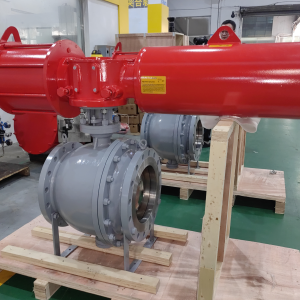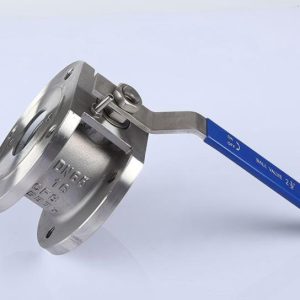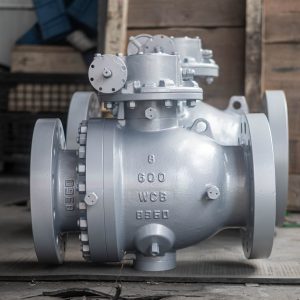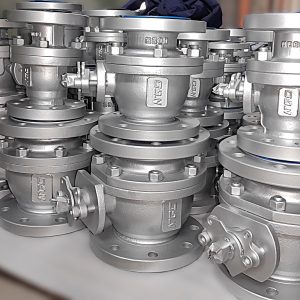

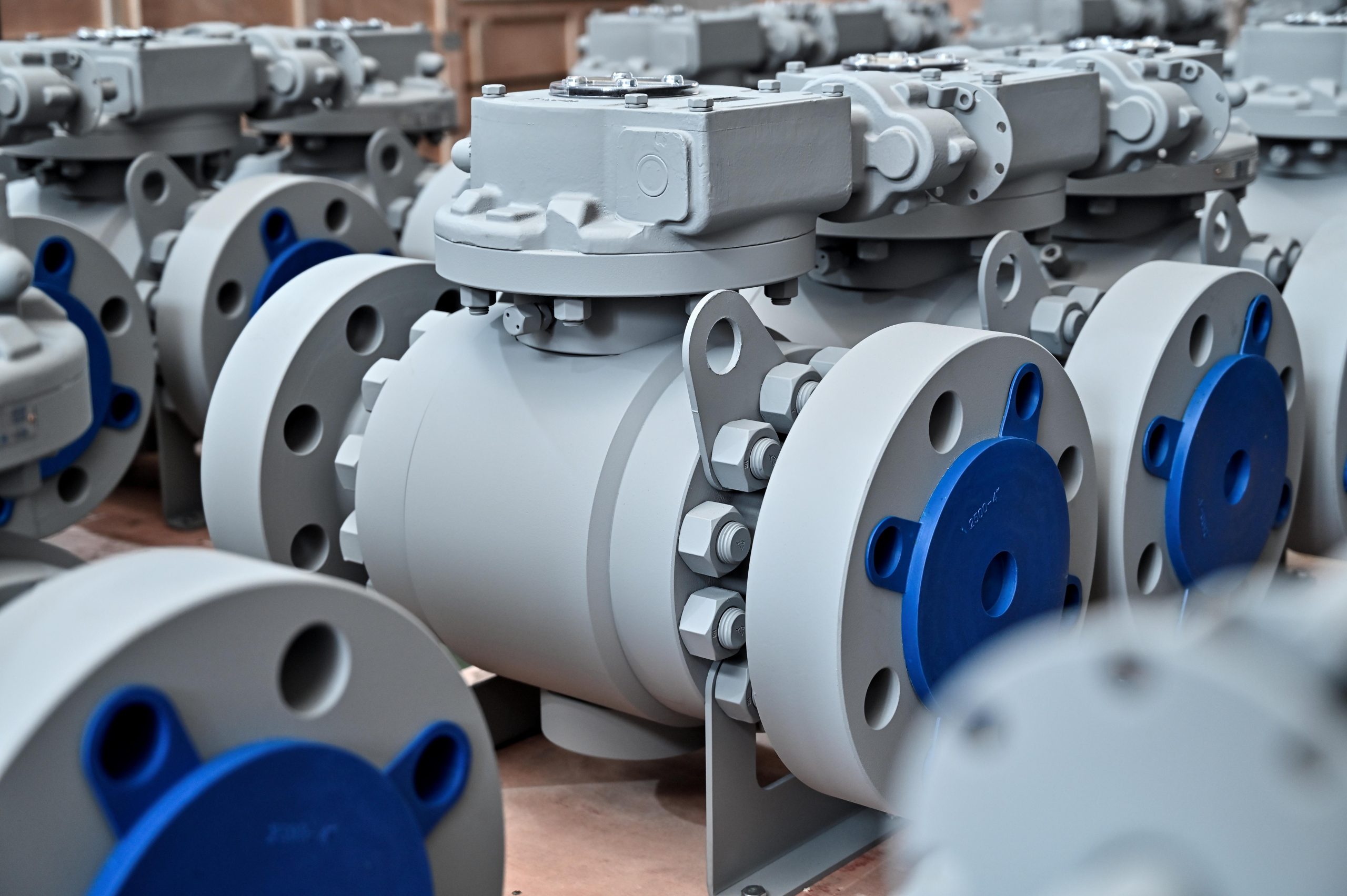
A metal seated ball valve is a special kind of valve. It is made to work in tough conditions. Unlike soft-seated valves, it uses strong metal parts. This makes it great for high pressure, heat, and rough use. These valves are used in oil, gas, chemical, and power industries. The need for these valves is growing fast. The market may grow from USD 3.2 billion in 2024 to USD 5.1 billion by 2033. They work well even in hard conditions, making them very important for industries today.
Key Takeaways
- Metal seated ball valves are built for tough jobs. They work well in high pressure and high heat situations.
- These valves are made from strong materials like carbon steel and hard alloys. This makes them last longer and resist damage.
- They stop leaks completely, which is very important in industries like oil and gas. Leaks in these areas can cause big safety problems.
- Because they are so strong, these valves need less fixing. This saves money over time for companies.
- They are great at handling rough and harmful materials. This makes them perfect for chemical plants and mining work.
- Picking the right valve means checking pressure, heat levels, and the type of material it will handle. This helps it work its best.
- Regular inspections and care can stop big problems. This keeps the valves working well for a long time.
- These valves may cost more at first, but they are more reliable and cheaper to fix later on.
Overview of Metal Seated Ball Valves
Construction and Design
Materials used in construction
Metal seated ball valves are made to handle tough conditions. The materials used are key to their strength and performance. Common materials include:
- Cast Carbon Steel: Strong and handles high pressure well.
- Cast Stainless Steel: Resists rust, great for chemical and marine uses.
- Hardened Alloys: Like tungsten carbide or chrome carbide, resist wear and damage.
The material choice depends on the job. For example, industries with corrosive chemicals use stainless steel. Those with rough materials prefer hardened alloys. Standards like ANSI/ASME B16.34 and API 6D ensure safety and quality.
Key components and their functions
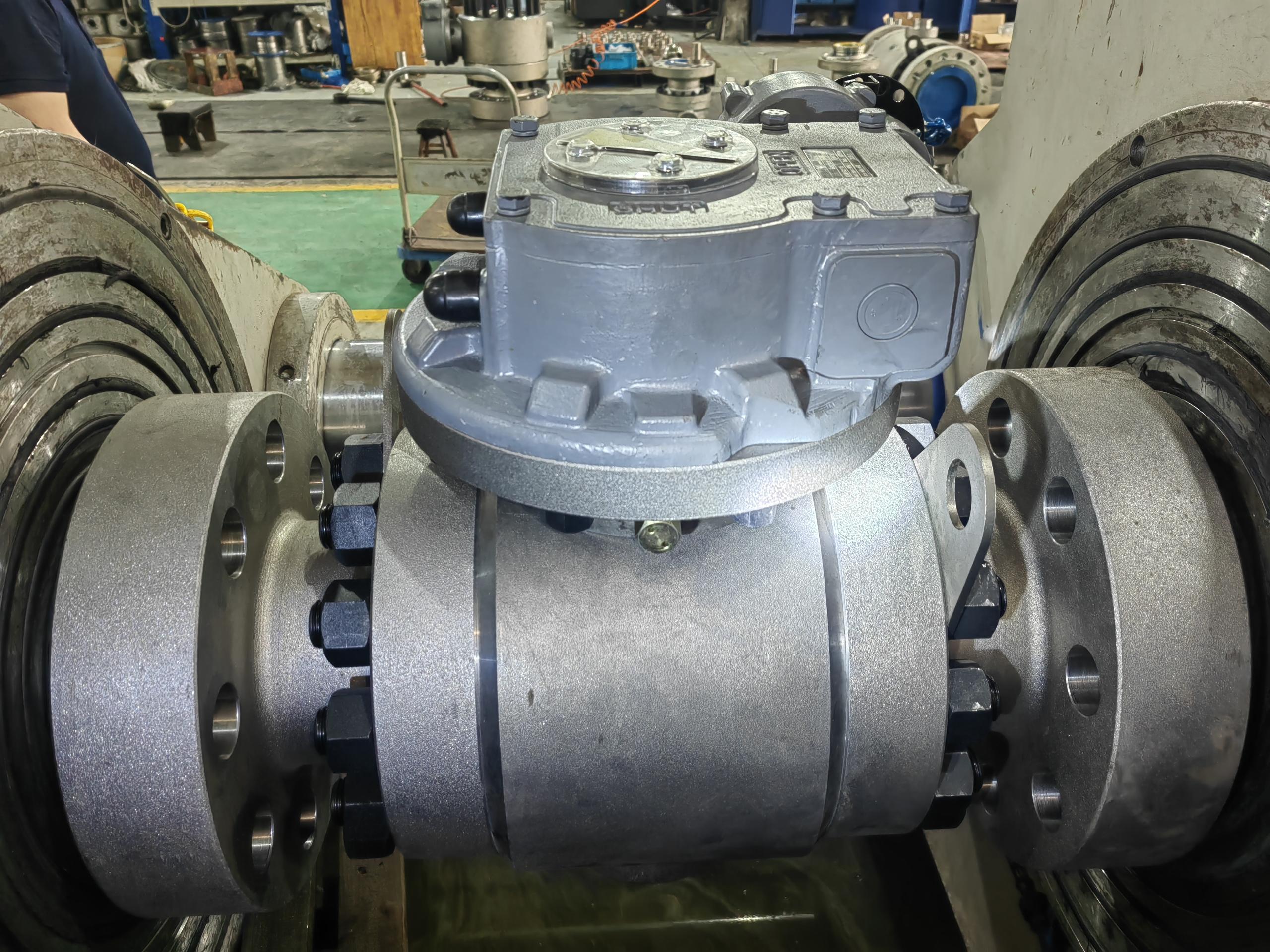
A metal seated ball valve has important parts, each with a job:
- Body: Holds all parts and gives strength.
- Ball: A round part with a hole to control flow.
- Seats: Metal parts that seal around the ball to stop leaks.
- Stem: Connects the ball to the handle or actuator for turning.
- Actuator or Handle: Lets you open or close the valve manually or automatically.
- Seals and Packing: Stop leaks around the stem and joints.
These parts work together for smooth operation in tough conditions. Features like blow-out proof stems and live-loaded packing add safety and reliability.
How Metal Seated Ball Valves Work
Mechanism of operation
Using a metal seated ball valve is simple. Turn the handle or actuator to rotate the ball inside. When the ball’s hole lines up with the pipe, the valve opens, letting media flow. Turn it 90 degrees, and the hole blocks the pipe, stopping the flow.
This design makes the valve easy to use and very effective. The metal seats make it strong enough for high heat, pressure, and rough materials without losing performance.
Differences from soft-seated ball valves
Metal seated ball valves are different from soft-seated ones. Soft-seated valves use materials like PTFE (Teflon) for seats. Metal seated valves use hard metals instead. This gives metal seated valves some benefits:
- Temperature Resistance: Metal seats handle high heat, good for power plants and steam systems.
- Durability: They last longer and resist damage from rough or corrosive materials.
- Leak-Tight Sealing: Special designs ensure very little leakage.
But, metal seated valves need more force to operate because of the hard materials. They are best for industries needing reliable valves in tough conditions.
Tip: For high heat or rough materials, pick a metal seated ball valve. It lasts long and needs less fixing.
Key Features and Benefits of Metal Seated Ball Valves
Durability and Longevity
Resistance to wear and extreme conditions
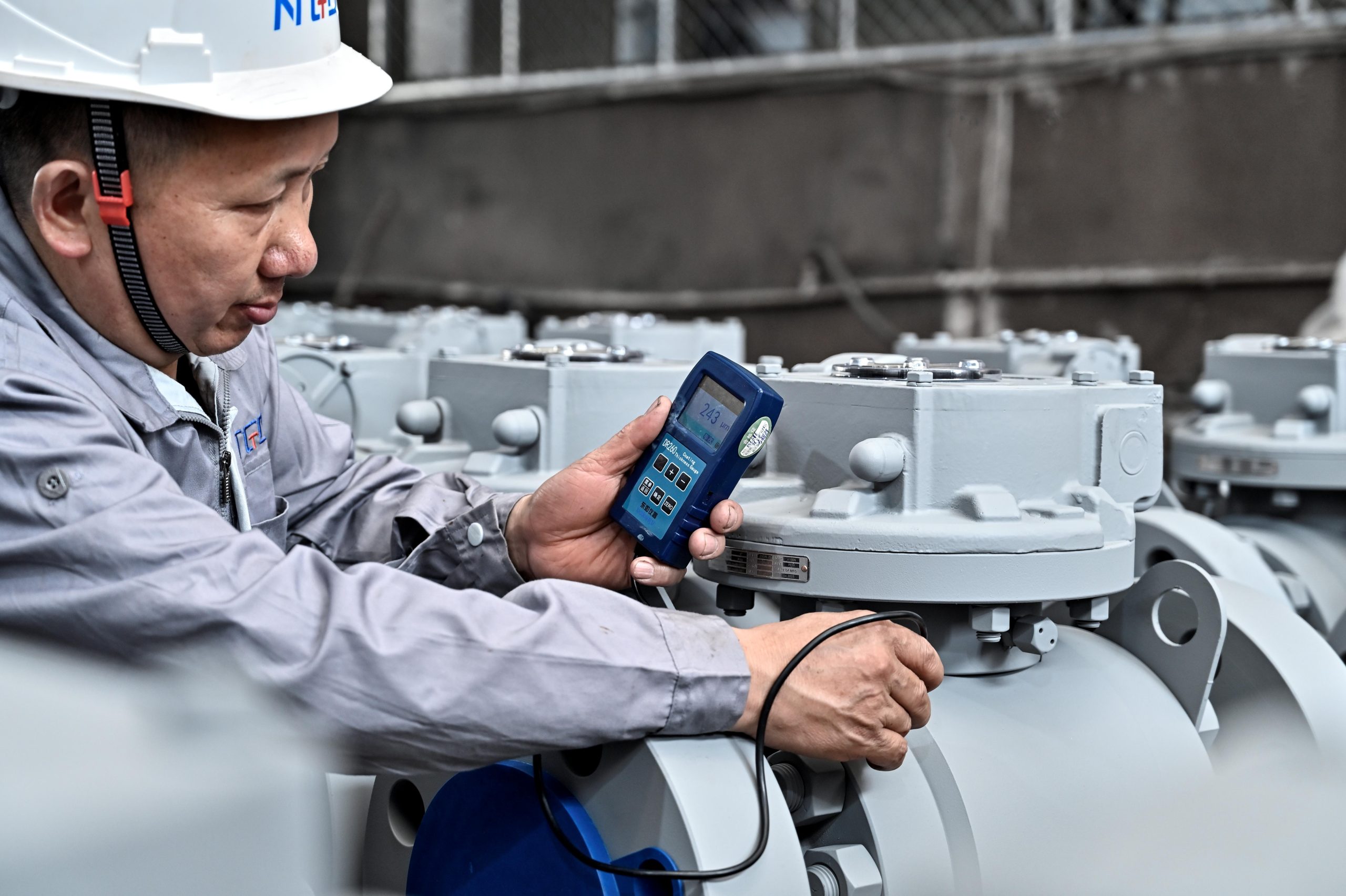
Metal seated ball valves are made for tough environments. Their strong seats and hard coatings resist damage and rust. This makes them perfect for handling rough materials or high pressure. Industries like mining and chemical plants use them for moving slurries and harsh chemicals without issues.
Special materials like hardened alloys and nickel plating make them last longer. These materials protect against wear and rust, keeping the valve working well. Live-loaded seats adjust for wear and heat changes, ensuring a tight seal over time.
High-temperature performance
These valves work well in very hot places where others fail. They handle temperatures from 200°C to over 350°C. This makes them great for steam systems, boilers, and turbines. Hard materials like Stellite keep them strong in extreme heat without breaking.
In power plants, they are used in important systems like steam dumps. They keep a tight seal even in tough conditions, ensuring safety and efficiency.
Enhanced Performance
Handling abrasive and corrosive media
Metal seated ball valves can handle rough and harmful materials. Their tough build and special coatings protect the inside parts from damage. This makes them ideal for oil and gas industries, where reliability is key for safety systems.
Compared to other valves, these perform better in harsh conditions. They keep working without problems, reducing the chance of system failures.
Leak-tight sealing
Stopping leaks is very important in industries, and these valves do it well. Their hard seats block leaks completely, even in tough jobs. This is crucial in chemical plants and power stations, where leaks can cause big problems.
Each valve is tested to meet strict sealing standards. With a four-year warranty against leaks, you can trust them to stay sealed for a long time.
Maintenance and Cost Efficiency
Reduced maintenance needs
These valves are simple and reliable, needing less upkeep. Their strong materials and coatings reduce wear, so they last longer. For example, in hydrogen dryers, they work well under high pressure with little maintenance.
Long-term cost savings
Buying these valves saves money over time. Their strength and low maintenance needs cut down costs. They also last longer in tough conditions, giving you more value.
Industries like feed dryers benefit from their tight seals and long life. This reduces downtime and repair costs, making them a smart choice for tough jobs.
Applications of Metal Seated Ball Valves
Oil and Gas Industry
High-pressure and high-temperature applications
The oil and gas industry often faces tough conditions. Metal seated ball valves work well in these situations. They handle high pressure and heat, making them useful for drilling and refining. For example, they perform great in natural gas pipelines with strong pressure. Their sturdy design keeps them working even in harsh environments.
These valves are popular because they last a long time. They resist damage from rough materials, staying reliable over time. As the industry grows into new reserves, the need for these valves increases.
Managing abrasive and corrosive fluids
Oil and gas operations deal with rough and harmful fluids. Metal seated ball valves are built to handle this challenge. Their hard seats and special coatings protect them from damage. This makes them good for slurries, chemicals, and other tough substances.
Using these valves lowers the chance of leaks or equipment problems. Their tight seal improves safety and keeps operations running smoothly.
Power Generation
Use in steam and thermal systems
Steam and heat systems are important in power plants. Metal seated ball valves are perfect for these jobs. They handle high heat and pressure in boilers and turbines. Their strong build ensures they work well in tough places.
These valves also help save energy by controlling flow precisely. They reduce waste and improve efficiency in coal plants or renewable energy setups.
Ensuring operational safety
Safety matters a lot in power plants. Metal seated ball valves help prevent leaks and harmful emissions. They are tested carefully to ensure they work in critical systems.
You can rely on these valves to stay strong under tough conditions. Their tight seals make them essential for safe operations.
Chemical Processing
Compatibility with aggressive chemicals
Chemical plants use strong and harmful substances. Metal seated ball valves are made to resist these chemicals. Their special materials and coatings keep them working well with acids and solvents.
Choosing these valves helps keep processes safe and reliable. They control flow well and prevent contamination or damage.
Maintaining process integrity
Keeping processes smooth is key in chemical plants. Metal seated ball valves help by sealing tightly and controlling flow. Their strong design stops leaks and keeps operations efficient.
These valves are easy to care for, reducing downtime. Whether making medicines or chemicals, they deliver the performance needed.
Did you know? Metal seated ball valves are becoming more popular. Industries need strong and reliable valves for tough jobs.
| Industrial Sector | Application Trend | Key Drivers |
|---|---|---|
| Oil and Gas | Growing use of metal seated ball valves | Reliable and efficient in tough conditions |
| Chemicals | More demand for valves that handle extreme environments | Need for strong and long-lasting valve systems |
| Power Generation | Increased focus on smart and automated valve solutions | Industrial growth and demand for advanced technologies |
Other Industrial Applications
Mining and mineral processing
Mining and mineral work happens in very tough places. Equipment must handle rough slurries, high pressure, and strong chemicals. Metal seated ball valves are perfect for these jobs. Their strong build and tough materials make them great for mining needs.
In mineral work, slurries with solid bits can harm regular valves. But metal seated ball valves resist damage with their hard seats and strong coatings. They keep a tight seal even with rough materials. This helps them work well and avoid leaks or breakdowns.
These valves also work in high-pressure tasks, like moving water or chemicals in ore work. They handle tough jobs, making them a top pick for mining companies. Using these valves means less downtime and lower repair costs, keeping work smooth.
Pulp and paper manufacturing
Making paper needs good flow control to keep quality high. Challenges include handling strong chemicals, heat, and thick slurries. Metal seated ball valves are strong enough to handle these problems.
In pulp work, materials can clog or harm regular valves. Metal seated ball valves stay smooth and resist damage, keeping flow steady. They work well with high-pressure steam or chemical use. Their tight seals stop leaks, which is key for good products.
Multi-port ball valves are also helpful here. They control many flow paths with one valve, saving space and making care easier.
Using metal seated ball valves in paper work boosts efficiency and cuts costs. They last long and need little care, making them a smart choice for this industry.
Pro Tip: Check your valves often to keep them working well. Finding wear early avoids big problems later.
Comparison with Other Types of Ball Valves
Metal Seated vs. Soft Seated Ball Valves
Material and construction differences
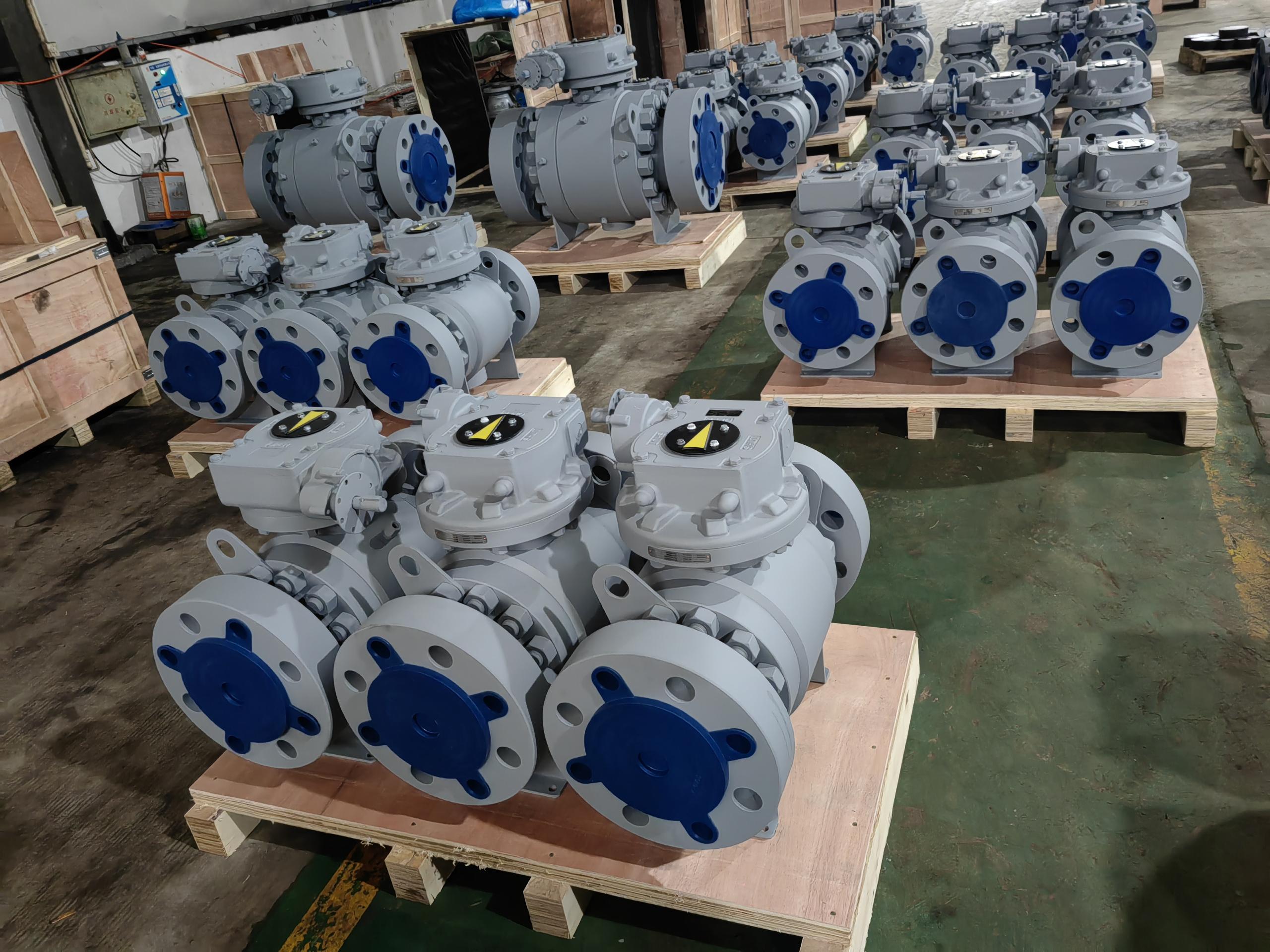
Metal seated ball valves use tough metals like tungsten carbide. These materials make them strong and long-lasting. Soft seated valves use softer materials like PTFE or polymers. These are less durable and wear out faster.
Metal seated valves work well in very hot places, up to 1,500°F. Soft seated valves can only handle heat up to 600°F. Metal seated valves are also better for rough and harmful materials. Soft seated valves are good for easier jobs without extreme conditions.
| Feature | Metal Seated Ball Valves | Soft Seated Ball Valves |
|---|---|---|
| Temperature Resistance | Up to 1,500 degrees F | Up to 600 degrees F |
| Durability | High | Moderate |
| Leakage Potential | Reduced | Higher |
| Ideal Applications | Oil refineries, Mining, Electric power generation, Petrochemical, Pulp and paper mills | General applications |
Performance in extreme conditions
Metal seated ball valves are better for tough jobs. They handle high pressure, heat, and rough materials easily. Soft seated valves wear out faster in these conditions.
Metal seated valves leak less, making them reliable for important tasks. They also need less fixing, saving time and money. For hard environments, metal seated valves are the best choice.
Metal Seated Ball Valves vs. Other Valve Types
Advantages over gate valves
Metal seated ball valves open and close quickly with a 90-degree turn. Gate valves take longer because they need many turns. Quick operation is helpful in emergencies.
Ball valves seal tightly even under high pressure or heat. Gate valves can leak more over time. Ball valves are smaller and easier to set up, making them great for tight spaces.
Advantages over globe valves
Metal seated ball valves are stronger and more efficient than globe valves. Globe valves control flow well but lose more pressure due to their design. Ball valves keep flow smooth and reduce pressure loss.
Metal seated valves last longer with rough or harmful materials. Globe valves need more care in tough conditions. For jobs needing strength and efficiency, metal seated ball valves are the better choice.
Note: Metal seated ball valves are strong and seal well. They work great in high heat and pressure, making them ideal for industries.
Factors to Consider When Selecting a Metal Seated Ball Valve
Application Requirements
Pressure and temperature ratings
Think about the pressure and heat levels in your system. Metal seated ball valves can handle tough conditions, but picking the right one is key. Floating ball valves work up to 300°C (572°F). Trunnion mounted ball valves handle up to 500°C (932°F). Pressure ratings can reach 700 bar, making them great for oil refineries and power plants.
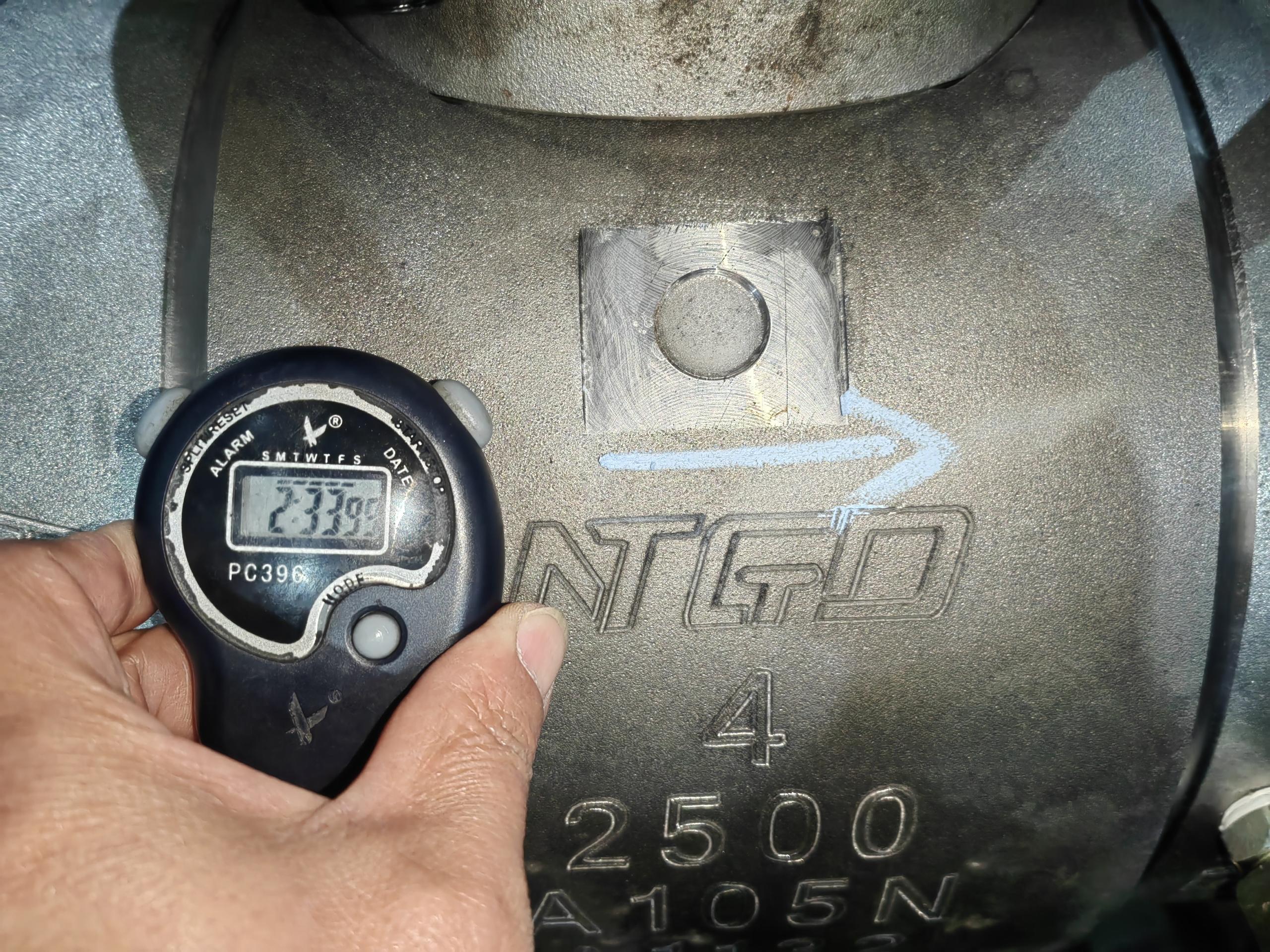
A valve must seal tightly under these conditions. NTGD makes valves that meet strict standards like ANSI FCI 70-2 Class VI. This ensures they work well even in hard environments.
| Valve Design | Temperature Range | Seat Leakage Standard | Material Used |
|---|---|---|---|
| Floating Ball Valve | Up to 300°C | ANSI FCI 70-2 Class VI | ASTM A276 Type 316 + SFNi |
| Trunnion Mounted Ball Valve | Up to 500°C | ISO 5208 Rate D/Class VI | ASTM A276 Type 316 + SFNi |
Type of media being handled
The material flowing through the valve matters a lot. Rough slurries, harmful chemicals, or thick fluids need special valves. Crude oil, natural gas, and acid gases need durable and resistant valves. NTGD designs valves to handle these tough materials safely and efficiently.
Using the wrong valve can cause leaks or system problems. Always match the valve’s material and design to the media for safe and smooth operations.
Material Selection
Choosing the right metal for the seat
The seat material affects how strong and long-lasting the valve is. Tungsten carbide or chrome carbide seats are good for rough materials. Stainless steel works well with corrosive substances. NTGD’s valves have hardened seats for tough jobs like slurries.
Precise machining ensures the ball and seat fit perfectly. This tight seal meets ANSI/FCI 70-2 Class V standards. It reduces wear and helps the valve last longer in tough conditions.
Corrosion resistance
Corrosion resistance is important for chemical plants or marine systems. Stainless steel and nickel alloys resist rust and chemical damage. NTGD tests its valves to ensure they meet high corrosion standards.
For example, in chemical plants with acids, corrosion-resistant valves prevent leaks. This keeps processes safe and lowers maintenance costs over time.
Valve Size and Configuration
Sizing for flow capacity
Picking the right size valve is important for smooth flow. A small valve can block flow, while a big one may lose control accuracy. Valves should work at 60%-80% of their max flow for best results.
NTGD offers sizing guides to help you choose the right valve. This avoids problems like turbulence and improves efficiency. Proper sizing also helps the valve last longer.
End connection types
The way the valve connects to the system matters. Flanged connections are easy to install and good for big pipelines. Threaded connections suit smaller setups. Welded connections are best for high-pressure or high-heat systems.
NTGD offers many valve designs for different needs. Whether you need a small valve for tight spaces or a strong one for heavy-duty jobs, NTGD has options for you.
Pro Tip: Work with trusted valve makers like NTGD to find the best valve for your needs.
Cost and Maintenance Considerations
Balancing upfront costs with long-term savings
When picking a metal seated ball valve, think beyond the price tag. These valves may cost more at first, but they last longer and need less fixing. Over time, this can save you money. A long-term cost analysis (LTCO) helps you see the full picture. It looks at the valve’s price, repair costs, and spare parts over its life.
Using LTCO, you can plan your spending better. For instance, a pricier valve might save money later by needing fewer fixes. This matters a lot in industries where downtime is costly. Regular checks and care based on the valve’s life cycle can cut costs even more. Keeping records of how the valve works helps you spot problems early. Fixing issues quickly keeps things running smoothly and saves money.
Tip: Buying a good valve now can stop big repair bills later.
Availability of replacement parts
Having spare parts is key to keeping your valves working. If a part breaks, getting the right replacement fast avoids delays. Before buying, check if the maker offers spare parts. Good suppliers often have catalogs and help you find what you need.
Standard designs make finding parts easier. For example, valves made to ANSI or API rules often share parts, making repairs simple. Picking a valve from a trusted brand ensures parts are available. This is vital in industries like oil and gas, where delays can cause big problems.
Pro Tip: Work with suppliers who offer quick support and spare parts to keep your systems running well.
Metal seated ball valves are important for tough industrial jobs. They are strong, seal well, and work in extreme conditions. These valves control fluid flow both ways and last a long time. They are reliable, keeping industries safe and efficient.
| Advantage | Description |
|---|---|
| Strong sealing | Metal seals stop leaks and meet safety rules. |
| Long-lasting | Resist damage and rust, lowering repair costs. |
| Simple to use | Quick 90-degree turn reduces mistakes. |
| Flexible use | Works with gas, oil, water, and steam in many industries. |
Think about pressure, heat, and materials when picking a valve. The right choice saves money and works well over time.
FAQ
What makes a metal seated ball valve unique?
Metal seated ball valves have metal seats, making them strong. They work well in high heat and pressure, unlike soft-seated valves.
Can metal seated ball valves resist corrosion?
Yes, they are made to fight rust and damage. Materials like stainless steel and alloys help them handle harsh chemicals safely.
How do you care for a metal seated ball valve?
Check the valve often for damage or wear. Clean it to remove dirt and use the right lubricants. Replace worn parts to keep it working well.
Are metal seated ball valves good for high heat?
Yes, they are great for very hot places. They can handle over 350°C, making them perfect for power plants and steam systems.
Which industries use metal seated ball valves?
Industries like oil, gas, power, and mining use these valves. They are strong and work well in tough conditions.
How do metal seated ball valves stop leaks?
The metal seats fit tightly around the ball to block leaks. Careful designs and precise parts ensure they seal well, even under pressure.
Are metal seated ball valves worth the cost?
They cost more at first but save money later. Their strength and low upkeep reduce repair costs and downtime.
Can metal seated ball valves handle rough materials?
Yes, they are built for tough jobs like slurries. Their hard seats and strong design resist damage, keeping them reliable.