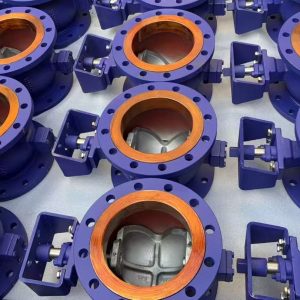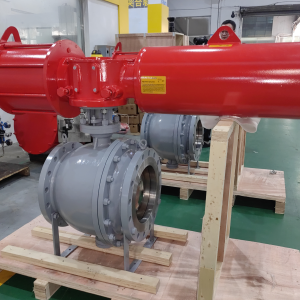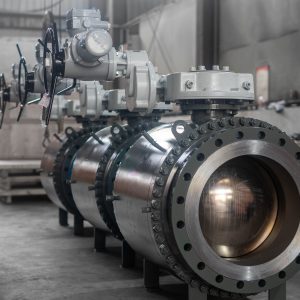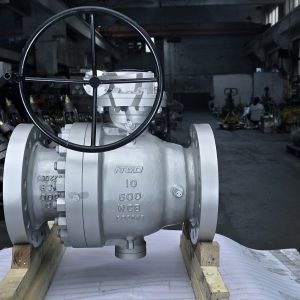

A fire safe ball valve is made to handle high heat. It keeps its seal even during a fire. Its metal seat stops dangerous materials from spreading in flames. This makes it important for oil and gas industries. These industries deal with flammable substances that can be risky.
Fire safety matters a lot in factories. Fires caused $1.2 billion in damages yearly in the U.S. In 2022, fires made up 30.5% of factory losses. Fire safe valves help lower these risks. They save lives and protect buildings.
Key Takeaways
- Fire safe ball valves are important for industries using flammable materials.
- They stop leaks during fires, keeping things safer.
- Check for certifications like API 607 and ISO 10497.
- These prove the valve meets strict fire safety rules.
- Pick valves made of strong materials like stainless steel.
- Reinforced graphite also helps them handle high heat better.
- Inspect seals and seats often to find damage early.
- This keeps the valve working well and reliable.
- Fire safe valves reduce harmful emissions, protecting the environment.
- They are very important for safety in industrial work.
- Install and align fire safe valves properly to avoid leaks.
- This also ensures they work smoothly without problems.
- Automatic fire safe valves work on their own in emergencies.
- They add extra safety without needing manual control.
- Using fire safe ball valves improves safety and follows rules.
- They also make work in risky industries more efficient.
Anatomy and Functionality of Fire Safe Ball Valves
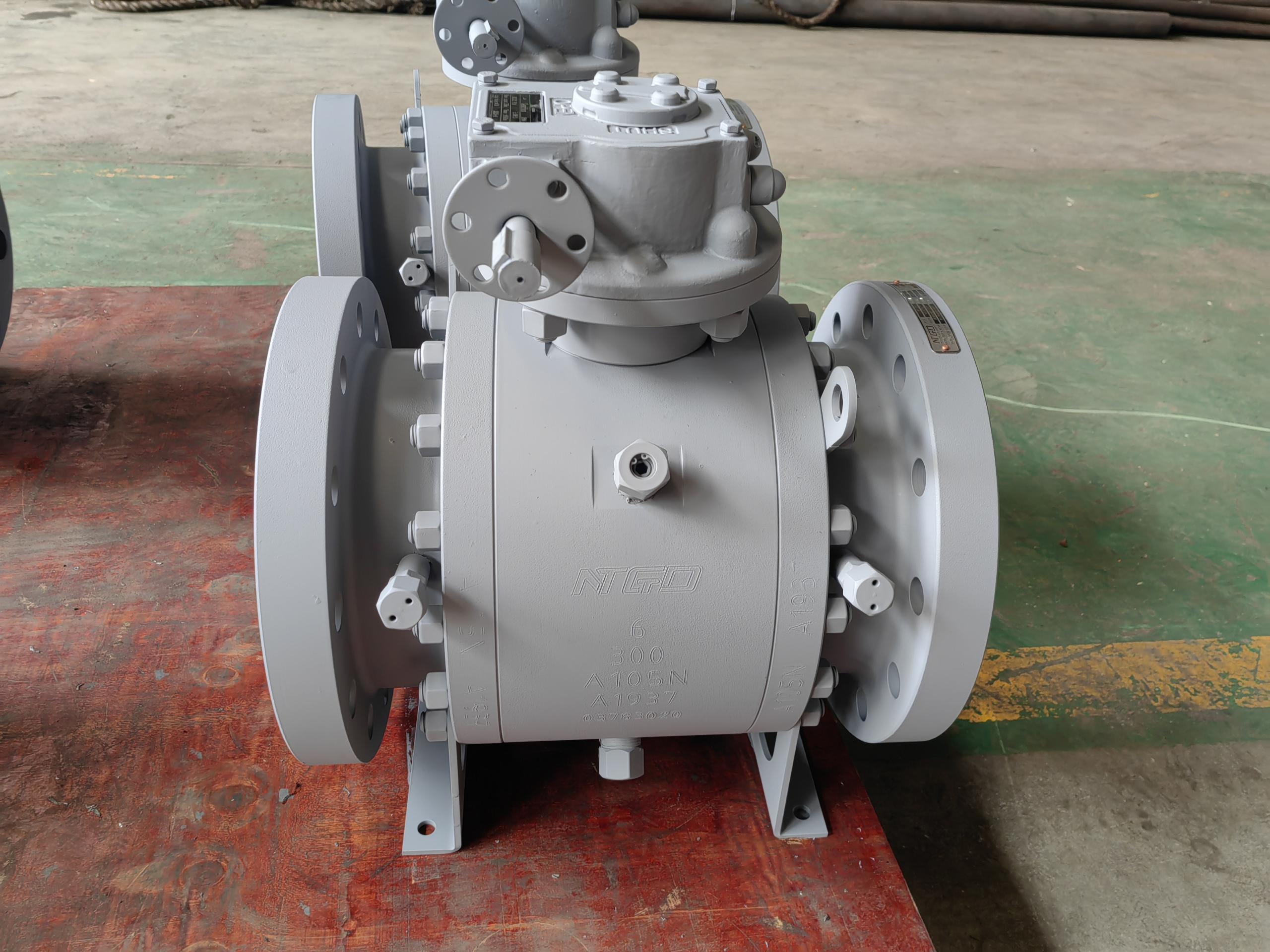
Key Components
Ball and Seat Design
The ball and seat are the main parts of the valve. The ball, usually made of strong metal like stainless steel, turns to control fluid flow. The seat, made from tough materials like reinforced Teflon, creates a tight seal around the ball. Fire safe valves have special seats that stop fluids from getting trapped. This prevents dangerous pressure buildup during fires. Some models, like the FR Series 316SS valves, have vented balls and purge ports. These features help release pressure safely and reduce leaks in high heat.
Stem and Body Construction
The stem connects the ball to the handle or actuator. It lets the ball turn to open or close the valve. Fire safe stems are built to resist heat without bending. The valve body, often made of stainless or carbon steel, is strong and fire-resistant. Companies like ISV follow strict standards and test all valve parts. These tests check the materials and ensure the valve works well during fires.
Fireproof Sealing Mechanisms
Fire safe valves have special seals to work during fires. These seals include backup metal-to-metal seals that activate if the main seals fail in heat. This design stops leaks and keeps the valve working. ISV’s valves meet API 607 standards, proving they can handle fire conditions.
How Fire Safe Ball Valves Work
Fire safe valves use a turning ball with a hole to control flow. When the handle turns, the hole lines up with the pipe, letting fluid pass. Turning the ball again blocks the flow. In normal use, the valve’s main seals stop leaks. During a fire, the fireproof seals activate to keep dangerous fluids contained. Automatic valves with actuators can do this without needing someone to turn them, adding extra safety.
Companies like ISV test their valves to make sure they work well. These tests go beyond industry rules and include detailed reports for buyers. By meeting API 607 and ISO 10497 standards, fire safe valves prove they can handle extreme heat and still work properly.
Identifying Genuine Fire Safe Ball Valves
When picking a fire safe ball valve, check its quality and standards. Real fire safe valves pass tough tests and meet strict certifications. This section explains how to spot reliable valves and their key features.
Certifications and Standards
API 607 and API 6FA
API 607 and API 6FA are important certifications for fire safe ball valves. These prove the valve stays strong during fires. API 607 tests soft-seated valves to stop leaks in high heat. API 6FA checks valves used in pipelines under fire conditions.
Valves with these certifications are trusted for fire safety. Makers like NTGD ensure their valves meet or exceed these rules. Always look for these certifications before buying a valve.
ISO 10497 Compliance
ISO 10497 is another key standard for fire-tested valves. It checks if valves stop leaks during and after fires. This applies to both manual and automatic valves. Valves with ISO 10497 pass strict tests for extreme heat reliability.
Choose valves with ISO 10497 compliance for proven fire safety. This certification ensures the valve works well in high heat.
Materials and Design Features
Fire-Resistant Materials
The materials in a fire safe ball valve are vital for its performance. Good valves use metals like stainless steel or carbon steel for strength. These metals resist bending or breaking in high heat.
Seats and seals often use reinforced graphite, which works well in fires. NTGD uses top-quality fire-resistant materials for safe and reliable valves.
Secondary Sealing Systems
Real fire safe ball valves have backup sealing systems. These kick in if the main seals fail during a fire. Metal-to-metal seals can work when soft seals break in heat.
This feature keeps the valve leak-proof in extreme conditions. Backup seals are a sign of a well-made fire safe valve.
Anti-Static Devices
Anti-static devices are crucial for fire safe ball valves. They stop static electricity from building up inside the valve. Static sparks can ignite flammable fluids, causing danger.
NTGD adds anti-static devices to improve valve safety. This is especially useful in industries handling flammable materials like oil and gas.
Tip: Always check the materials and features before buying a valve. A real fire safe ball valve has fire-resistant materials, backup seals, and anti-static devices.
Applications and Benefits of Fire Safe Ball Valves

Industrial Applications
Oil and Gas Industry
Fire safe ball valves are very important in oil and gas. They are used in pipelines, refineries, and offshore platforms. These valves safely handle flammable materials like crude oil and natural gas. During emergencies, they stop leaks and lower explosion risks. This also helps prevent harm to the environment. Automatic valves are common here because they work without needing someone to operate them during critical times.
Chemical Processing Plants
Chemical plants depend on fire safe ball valves for safety. These valves stop dangerous chemicals from leaking during fires. In places where acids or solvents are handled, fire-tested valves keep chemicals contained even in high heat. This reduces the chance of reactions that could make fires worse. Choosing the right valve protects workers, equipment, and ensures safety rules are followed.
Power Generation Facilities
Power plants use fire safe ball valves to control gas and fluid flow. These valves are key to safety in energy production. For example, in natural gas plants, they manage gas flow to turbines. If a fire happens, the valve’s fireproof design stops leaks. This keeps the plant safe and running smoothly. Picking the right valve can prevent big failures and costly downtime.
| Industry | Application Description |
|---|---|
| Oil and Gas | Used in pipelines, refineries, and offshore platforms to safely handle flammable materials. |
| Chemical Processing | Stops leaks of harmful chemicals during fires, improving safety. |
| Power Generation | Manages the flow of gases and fluids, ensuring safety in energy production. |
Benefits
Enhanced Safety
Fire safe ball valves provide excellent safety in tough situations. Their fireproof seals stop leaks during fires, protecting people and equipment. These valves keep dangerous fluids contained, reducing risks of explosions or spills. They are a must-have in industries where safety is critical.
Fugitive Emissions Control
These valves also help stop harmful emissions. They keep gases and liquids from escaping into the air or ground. This is especially helpful in oil and gas industries, where leaks can harm nature. Fire safe ball valves meet environmental rules while keeping operations safe.
Regulatory Compliance
Fire safe ball valves follow strict standards like API 607 and ISO 10497. These certifications show they work well under fire conditions. Using certified valves helps you follow safety laws and avoid fines. Whether in chemical plants or power facilities, fire-tested valves ensure your site meets legal requirements.
Tip: Always choose fire safe valves with trusted certifications and features. This ensures safety, reliability, and compliance in your work.
Technical Capabilities of Fire Safe Ball Valves
Pressure and Temperature Limits
Fire safe ball valves work well in tough conditions. They handle different pressures and temperatures without failing. For example, the 9400 Series works from -50°F to +1000°F. The 3000 Series operates between -20°F and 550°F. It also handles pressures up to 4000 psi WOG (275 bar) and meets ASME Class 900 standards.
| Series | Temperature Range | Pressure Rating |
|---|---|---|
| 9400 Series | -50°F to +1000°F | N/A |
| 3000 Series | -20°F to 550°F | Up to 4000 psi WOG (275 bar); ASME Class 900² |
These features make fire safe ball valves useful in industries like oil and gas. They ensure safety and smooth operations under extreme conditions. Picking the right valve helps avoid risks and keeps systems running well.
Performance Under Fire Conditions
Fire safe ball valves are tested to prove they work during fires. Tests mimic real fires to check if valves stop leaks and keep working. For example, valves face temperatures from 750°C to 1000°C (1382°F to 1832°F) for 30 minutes. During testing, leaks inside and outside the valve are measured to ensure they stay within limits.
| Test Aspect | Details |
|---|---|
| Valve Type | Fire-Safe Valve |
| Fire Exposure Duration | 30 minutes |
| Temperature Range | 750°C to 1000°C (1382°F to 1832°F) |
| Leakage Measurement | External and internal leakage measured during fire exposure |
| Acceptance Criteria | Leakage must stay within limits; operational integrity must be maintained after testing. |
| Post-Fire Testing | Pressure test conducted after cooling to ensure no significant leakage. |
| Operational Verification | Valve must open and close after fire exposure; any binding or excessive torque is recorded. |
These tests show fire safe ball valves can handle high heat and prevent leaks. After cooling, valves are checked for pressure and tested again. This ensures they stay safe and work properly after a fire.
Longevity and Durability
Fire safe ball valves are made to last a long time. They use strong materials like stainless steel and carbon steel that resist damage. Backup seals, like metal-to-metal seals, add extra safety during emergencies.
Taking care of valves helps them last even longer. Cleaning, checking seals, and adding lubricant keep them working well. A well-maintained valve performs better and stays reliable when needed most.
Tip: Pick valves with durable materials and follow care steps to make them last longer.
Installation and Maintenance Best Practices
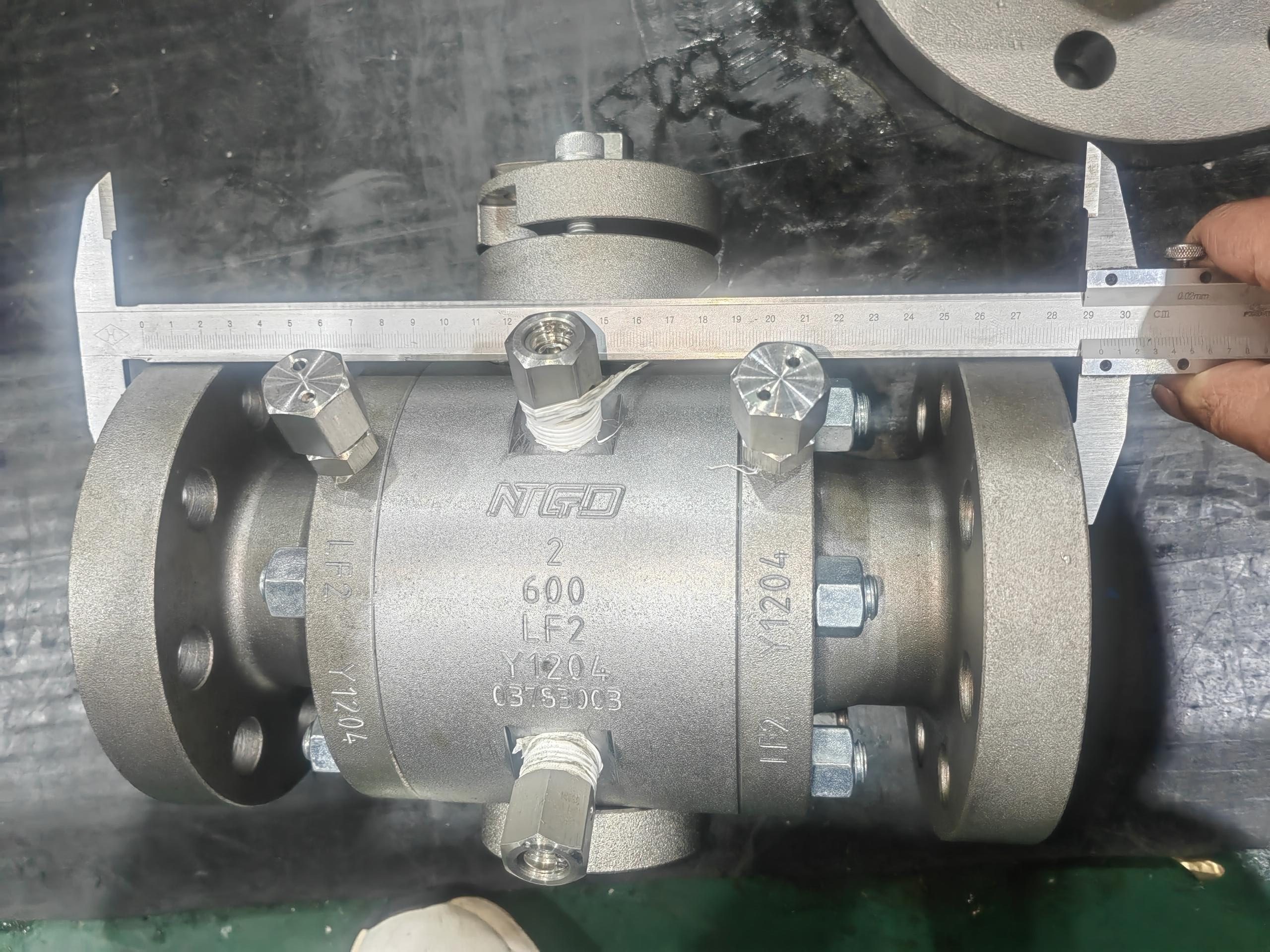
Installation Techniques
Correct Alignment
Aligning the valve with the pipeline is very important. It helps the valve work smoothly and prevents damage. If misaligned, the valve might leak or break. Follow rules like NFPA 13, NFPA 14, and NFPA 20 for proper placement.
| Standard | What It Covers |
|---|---|
| NFPA 13 | Sprinkler system setup, including valve installation. |
| NFPA 14 | Standpipe and hose system valve requirements. |
| NFPA 20 | Stationary pump valve rules for fire safety. |
Fire safe ball valves have a metal seat as backup. This keeps the seal working even if the plastic one melts in heat.
Torque Specifications
Using the right torque stops valve damage and ensures a tight seal. Too much torque can bend parts, while too little can cause leaks. Manufacturers give torque details for their valves. Always use a torque wrench to match these numbers.
Maintenance Tips
Inspecting Seals and Seats
Check seals and seats often to spot damage early. Look for cracks, corrosion, or wear that might affect the valve. Backup seals in fire safe valves also need checking to stay reliable.
- Check for leaks near the stem or valve body.
- Look for cracks or damage in the seats from heat.
- Add anti-corrosion coatings to make the valve last longer.
Lubrication and Cleaning
Lubricating moving parts reduces friction and helps the valve work better. Cleaning removes dirt that could block the valve. This is extra important in places with corrosive materials.
- Use good-quality lubricants made for the valve’s conditions.
- Clean the valve inside and out to remove debris.
- Apply grease to protect the valve and improve durability.
Troubleshooting
Leakage Prevention
Leaks happen if the valve isn’t installed right or seals wear out. To stop leaks, align and tighten the valve properly. Replace worn seals when needed. Fire safe valves with metal backup seals help prevent leaks during fires.
Addressing Wear and Tear
Valves can wear out from heavy use or tough environments. Fix this by replacing damaged parts like stems or seats. Regular cleaning and lubrication reduce wear and keep the valve working well.
Tip: Follow the manufacturer’s instructions for care and repairs to keep the valve in top shape.
Comparing Fire Safe Ball Valves to Alternatives
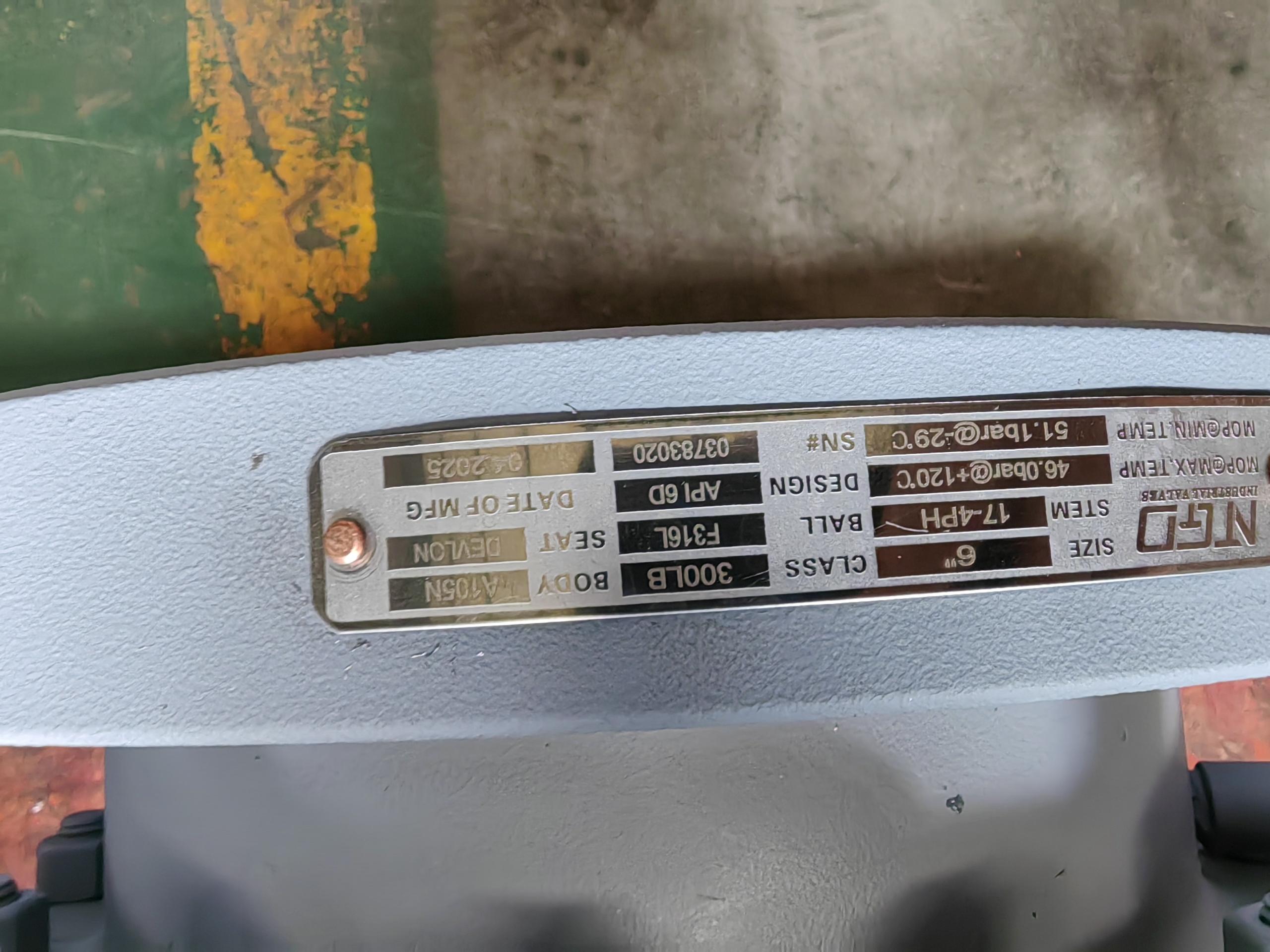
Fire Safe Ball Valves vs. Standard Ball Valves
Fire safe ball valves handle heat better than standard ones. Standard valves work fine in normal conditions but fail in fires. Fire safe valves have fireproof seals and backup systems. These features keep them working in high heat.
Standard valves use soft materials for seals and seats. These materials melt in fires, causing leaks. Fire safe valves use strong materials like reinforced graphite or metal seals. This design stops leaks and keeps dangerous fluids contained.
Industries like oil and gas need fire safe valves for safety. They are more reliable than standard valves in risky situations. For everyday use, standard valves may work. But in critical environments, fire safe valves are the best choice.
| Feature | Standard Ball Valves | Fire Safe Ball Valves |
|---|---|---|
| Fire Resistance | No | Yes |
| Sealing Mechanism | Soft materials | Fire-resistant materials |
| Application | General use | Safety-critical industries |
Fire Safe Ball Valves vs. Gate Valves
Gate valves and fire safe ball valves work differently. Gate valves use a gate to control flow. They are good for fully open or closed positions. But they are not great for precise flow control. Fire safe valves use a rotating ball for better control and faster operation.
Gate valves are bigger and slower to use. In emergencies, this delay can be dangerous. Fire safe valves work quickly, making them better for urgent situations. Gate valves also lack fireproof features.
For quick shutoff and fire safety, fire safe valves are better. Gate valves are fine for less demanding jobs but not for critical safety needs.
Fire Safe Ball Valves vs. Butterfly Valves
Butterfly valves and fire safe valves both control flow but differ in design. Butterfly valves use a disc to regulate flow. They are light and cheaper, good for large pipelines. But they don’t have fireproof features like fire safe valves.
Fire safe valves seal tightly and resist fire better. Butterfly valves often use soft seals that fail in heat. Fire safe valves use strong materials like stainless steel and graphite. This makes them more reliable in tough conditions.
If cost is your main concern, butterfly valves might seem better. But for safety and durability, fire safe valves are worth it.
Note: Choose a valve based on your needs. Fire safe valves are best for safety-critical jobs, while others work for simpler tasks.
A fire safe ball valve is very important for safety-focused industries. It stops dangerous leaks during fires and keeps operations safe. Its strong build and ability to control harmful emissions make it a trusted tool. Industries like oil and gas, chemical plants, and power facilities rely on it.
In 2022, fires at factories caused 30.5% of big losses. These fires led to $530 million in damages. This shows why safety tools like fire safe ball valves are needed. They lower risks and help meet safety rules. Using these valves improves safety, keeps systems running, and follows regulations.
Tip: Picking the right valve protects your workplace, people, and nature.
FAQ
How is a fire safe ball valve different from a regular valve?
Fire safe ball valves use heat-resistant materials and backup seals. These features stop leaks during fires. Regular valves don’t have these protections.
How can you tell if a fire safe ball valve meets standards?
Check for certifications like API 607, API 6FA, or ISO 10497. These prove the valve passed strict fire safety tests.
Can fire safe ball valves work in very high or low temperatures?
Yes, they are built for extreme temperatures. Some models work from -50°F to over 1000°F.
Are fire safe ball valves good for all industries?
They are best for industries like oil, gas, and chemical plants. For simpler jobs, other valves might work fine.
How often should you check a fire safe ball valve?
Inspect parts like seals and seats regularly. This is especially important in risky environments to keep them working well.
Do fire safe ball valves need special installation steps?
Yes, they must be aligned correctly and tightened with the right torque. Mistakes can cause leaks or damage.
What materials are used to make fire safe ball valves?
They are made from strong materials like stainless steel, carbon steel, and reinforced graphite. These resist heat and last long.
Can fire safe ball valves stop harmful leaks?
Yes, their design helps prevent leaks and meets environmental rules. This reduces harmful emissions effectively.