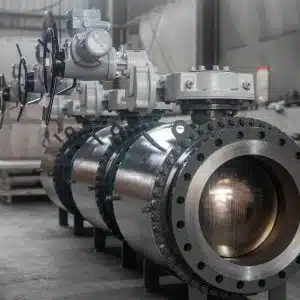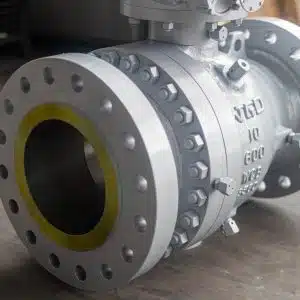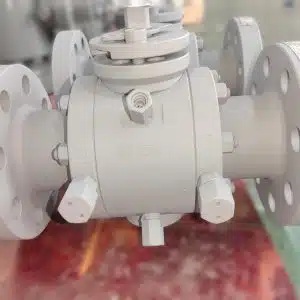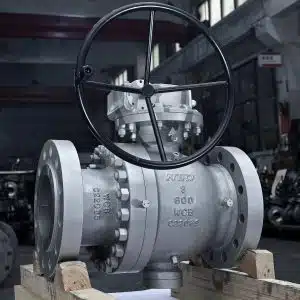
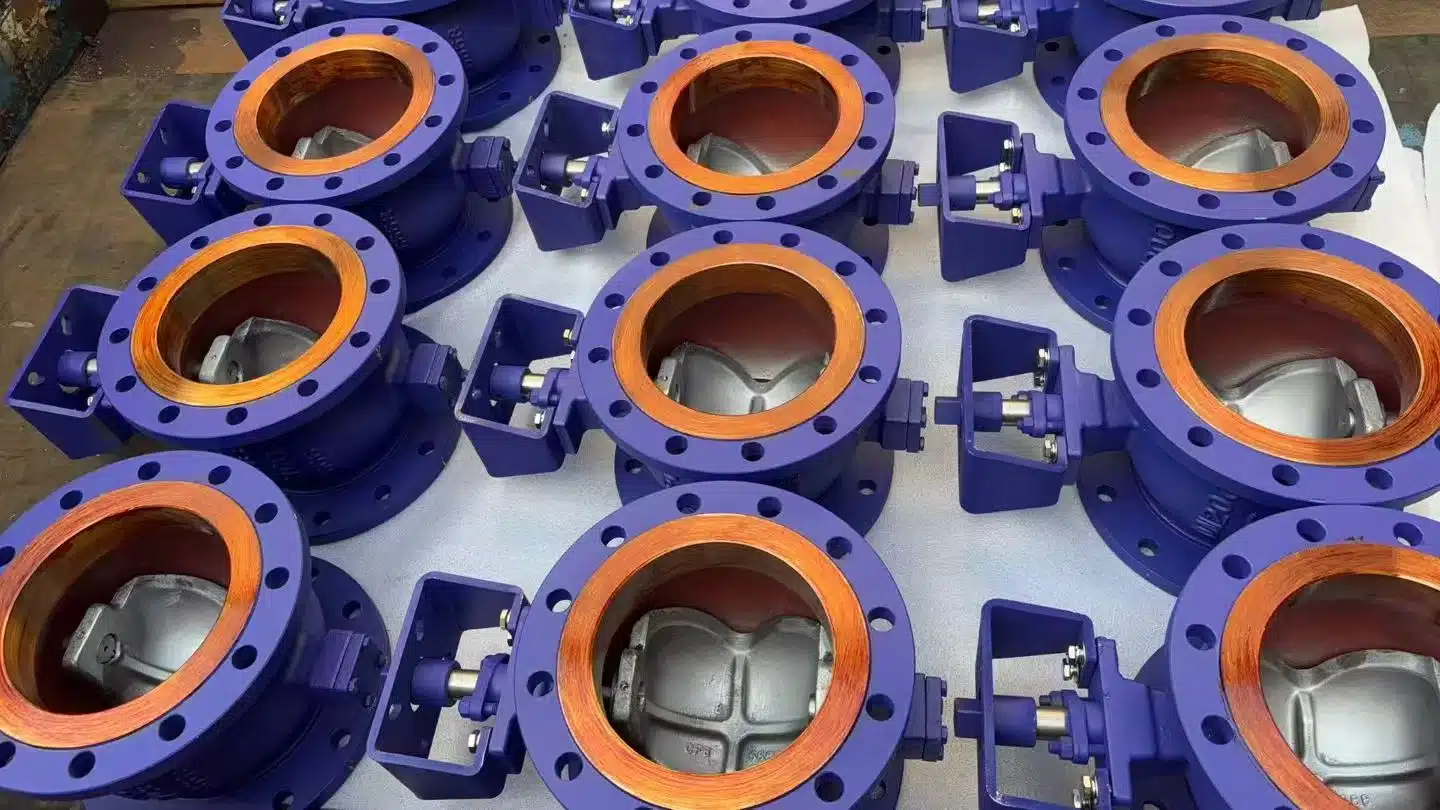
You use a V-port ball valve when you need to control flow very carefully in hard places. This valve has a special V-shaped notch. The notch helps you change the flow with great accuracy. Many industries use the V-port ball valve for fast and tough jobs. You see these valves where safety and good work are very important. Look at the table below to see where V-port ball valves help:
| Industry | Application Description |
|---|---|
| Chemical Industry | Used for careful fluid control and flow changes, especially for handling many chemicals and strong liquids. |
| Oil and Gas Industry | Used in getting oil, cleaning it, and moving gas to control flow. |
| Power Generation | Used in power plants to control cooling water, steam, and other fluids well. |
| Pharmaceutical Industry | Needed for clean work and careful fluid control in making medicine. |
| Food and Beverage Industry | Used to keep things clean and control flow during food making. |
| Pulp and Paper Industry | Used to control fluid and pulp flow in making paper. |
| Wastewater Treatment | Used to control and change flow in cleaning dirty water. |
| Biotechnology | Good for careful fluid control in making new things and growing cells. |
This complete guide helps you learn why NTGD V-port ball valves are special. You get a full guide on how they work. This guide gives you what you need to pick the right one. Trust this guide to help you use V-port ball valves better.
Key Takeaways
- V-port ball valves help control flow very accurately. This makes them great for jobs that need careful fluid control. The special V-shaped notch lets you change the flow smoothly. It stops sudden changes and keeps things steady. These valves work with both clean and dirty fluids. They can also handle slurries and thick liquids, so they are very useful. Picking the right material for a V-port ball valve is very important. It helps the valve last longer and work well in hard places. You should do regular maintenance to keep V-port ball valves working right. This is extra important when they are used in tough jobs.
What is a V-port ball valve?
A v port ball valve helps you control fluid in pipes. Many industries use it because it works well with tough fluids. The special part is the V-shaped notch in the ball. This notch lets you open the valve slowly. You can change the flow very carefully. When you turn the handle, the small end of the V opens first. This stops sudden changes in flow. It keeps things steady. You use a v port valve when you need to adjust flow, not just turn it on or off.
Key features
A v port valve has many important features:
- The V-shaped seat or ball lets you control fluid speed.
- You can open and close the orifice in a careful way. This helps you get flow that is almost linear.
- The valve works for clean and dirty fluids. It even works with fluids that have solid bits or are thick.
- You get a high control ratio, often 100:1 or more. This means you can make small or big changes in flow.
- The design helps keep the valve clean. It stops clogging, which is good for slurries or fibrous media.
- You can pick different materials for the valve. This changes how well it works in tough places.
Here is a table that shows how material affects how a v port valve works:
| Material | Impact on Performance |
|---|---|
| Stainless Steel | Makes the valve strong and tough in hard places |
| Carbon Steel | Gives strength and helps the valve last longer |
| Alloys | Helps the valve work better in extreme places |
Tip: Pick the right material for your v port ball valve. Think about the fluid and where you will use it.
New technology is now used in v port valves. Many have smart sensors and automation. Some have better seals and lighter bodies. These changes help you control flow better. They also make the valve last longer.
How it differs from other ball valves
You may wonder how a v port ball valve is different. The main difference is the V-shaped notch. Standard ball valves have a round port. They are best for quick on/off jobs. They do not let you control flow well. A v ball valve lets you change flow smoothly and accurately.
Here is a table to help you compare:
| Feature | Standard Ball Valve | V-Port Ball Valve |
|---|---|---|
| Flow Characteristics | Opens fast; not good for careful control | Equal flow; good for careful control |
| Regulation Performance | Not good; unstable at medium openings | Very good; stable and easy to control |
| Cut-off Performance | Very good; no leaks possible | Not as good as standard for stopping flow |
| Flow Resistance | Very low when fully open | Higher than standard; some resistance |
| Anti-scouring and Wear | Not good; wears out from solid bits | Good; sharp edge stops blockage |
| Applicable Working Conditions | Fast on/off for clean fluids | Careful control for dirty or thick fluids |
You use a v port valve when you need to control flow in hard places. It works well with slurries or thick fluids. The V-shaped notch helps clean itself. This stops clogging. You get a higher adjustable ratio. You can fine-tune flow much better than with a full port ball valve.
- A v port ball valve gives you:
- Better control when opening and closing.
- Flow that is almost linear.
- Accurate control of flow rates.
- Good adjustment for better process results.
You see v port valves where safety and efficiency matter. Standard ball valves are best for simple on/off jobs with clean fluids. If you need to handle dirty or thick fluids and want exact flow control, pick a v port ball valve.
NTGD makes v port ball valves with new designs and materials. You get valves that work well and last long, even in tough jobs.
How it works
Flow control mechanism
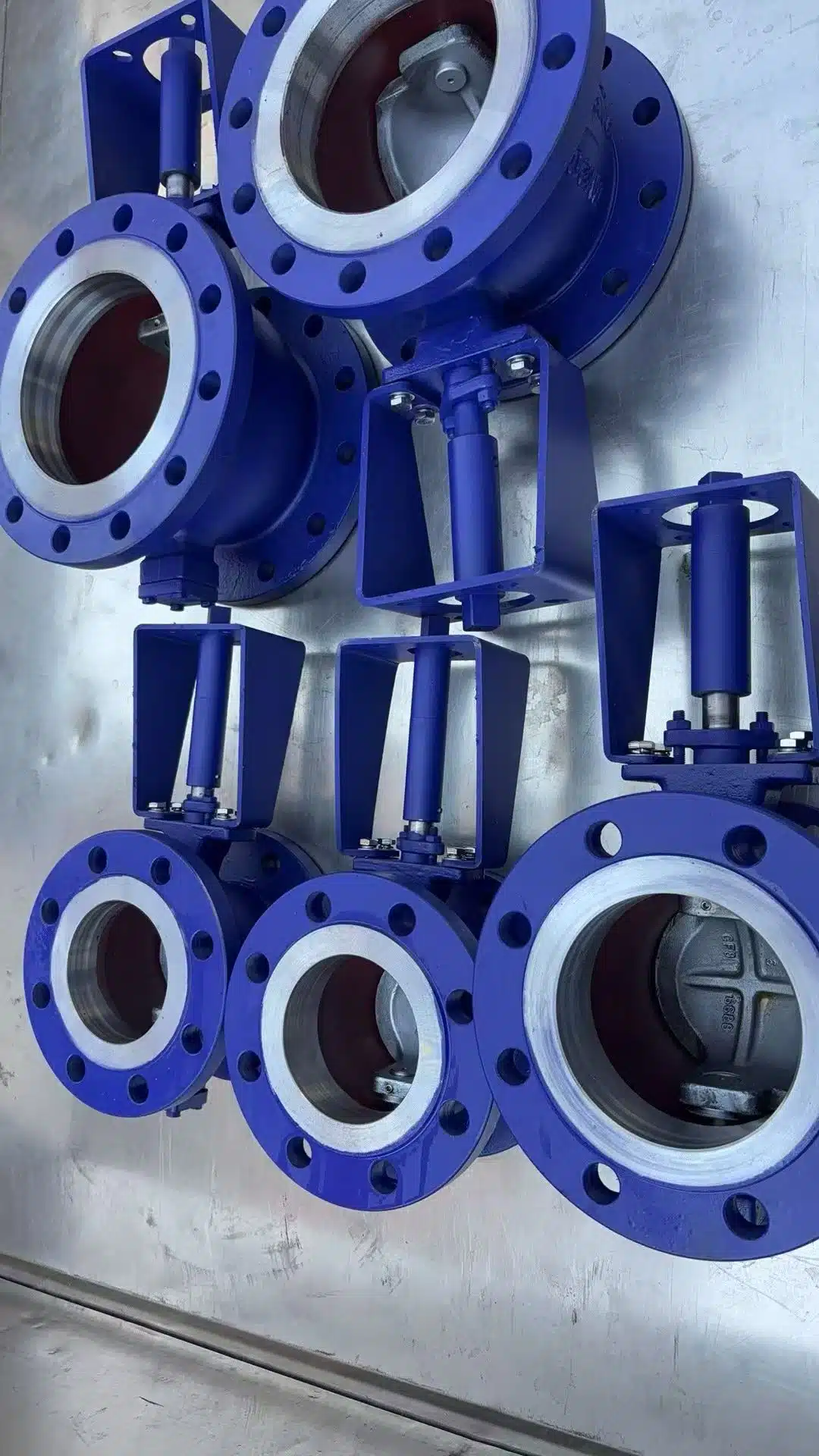
You use a v port ball valve when you need precise flow control in your system. The ball inside the valve has a special V-shaped cut-out. As you turn the handle, the ball rotates and the V-notch opens. This design lets you change the flow rate in a smooth, steady way. The flow rate increases in direct proportion to the angle of the ball. This means you get a linear flow characteristic. You can keep the flow stable, even if the pressure changes. This helps you avoid sudden jumps or drops in flow. Many industries trust NTGD valves for this reason. You get accurate control, which is important for safety and efficiency.
V-shaped notch design
The V-shaped notch is the key feature that sets this ball valve apart. The notch creates a variable opening as you rotate the ball. This allows for modulating control and fine adjustments. The unique geometry of the notch gives you a shearing action. This helps cut through thick or fibrous fluids and prevents clogging. You also get strong shut-off performance. The table below explains the engineering behind the V-shaped notch:
| Feature | Description |
|---|---|
| Unique Geometry | The V-shaped notch changes the flow area as the valve turns, giving linear flow. |
| Flow Control | Lets you adjust flow with high accuracy, unlike a standard ball valve. |
| Applications | Used in power plants, water treatment, and chemical processing. |
| Performance | Gives better shut-off and reduces cavitation in tough jobs. |
- The closure part is a semi-spherical ball with a V-notch for strong shut-off.
- The design lets you adjust the flow path size for precise flow control.
- It stops buildup inside the valve and keeps sealing performance high.
Ball valve types
You can choose from several types of ball valves. Each type works best for certain jobs. The table below shows the main types and how they compare:
| Ball Valve Type | Description |
|---|---|
| Standard Full-Port Ball Valve | Has a large, straight bore for low pressure drop. Best for on/off service. |
| Reduced Port Ball Valve | Has a smaller bore, so you get more pressure drop but lower cost. |
| V Port Ball Valve | Has a V-shaped notch for precise flow control and modulating service. |
- Precise flow modulation is possible with a v port ball valve, especially when the valve is 20-80% open.
- The shearing action helps cut through slurries and reduces clogging.
- You get high rangeability, so you can control flow across a wide range.
- Durable construction, often in stainless steel, makes these valves last in harsh places.
A v ball valve is not just for shut-off. It is a true control device. You get a compact valve with high flow capacity and strong shut-off. NTGD offers these valves for many industries that need reliable and modulating flow control.
Pros and cons
Precision and performance
You get excellent precision when you use a V-port ball valve. The V-shaped notch lets you control the flow with great accuracy. This makes the ball valve a top choice for jobs where you need steady and reliable flow. You can use it in places where small changes in flow matter a lot. NTGD designs its ball valve products to give you this level of control.
Here are some key performance metrics that help you measure how well a ball valve works:
| Performance Metric | Description |
|---|---|
| Flow Characteristics | Shows how the ball valve handles different flow speeds and conditions. |
| Throttling Accuracy | Tells you how closely you can control the flow rate. |
| Flow Coefficient | Shows the link between flow rate and pressure drop across the ball valve. |
You can trust a V-port ball valve to give you a nearly linear flow curve. This means you get smooth changes in flow as you turn the handle. The ball valve also works well with high pressure rating jobs. You can use it for both clean and dirty fluids. The design helps stop clogging and makes maintenance easier. You spend less time fixing problems and more time running your system.
Limitations
A V-port ball valve does have some limits. You may notice that it does not seal as tightly as a standard ball valve. If you need a perfect shut-off, you might want to look at other types. The V-shaped notch can wear out faster if you use it with very rough or gritty fluids. You should check the pressure rating before you pick a ball valve for your job. Some models may not handle very high pressure.
You also need to think about maintenance. While the design helps reduce clogging, you still need to check the ball valve often. If you use it in tough places, plan for regular maintenance to keep it working well. The v ball valve gives you great control, but you must balance this with the need for care and upkeep.
Note: Always match the ball valve to your system’s pressure rating and maintenance needs for best results.
V-port ball valve applications
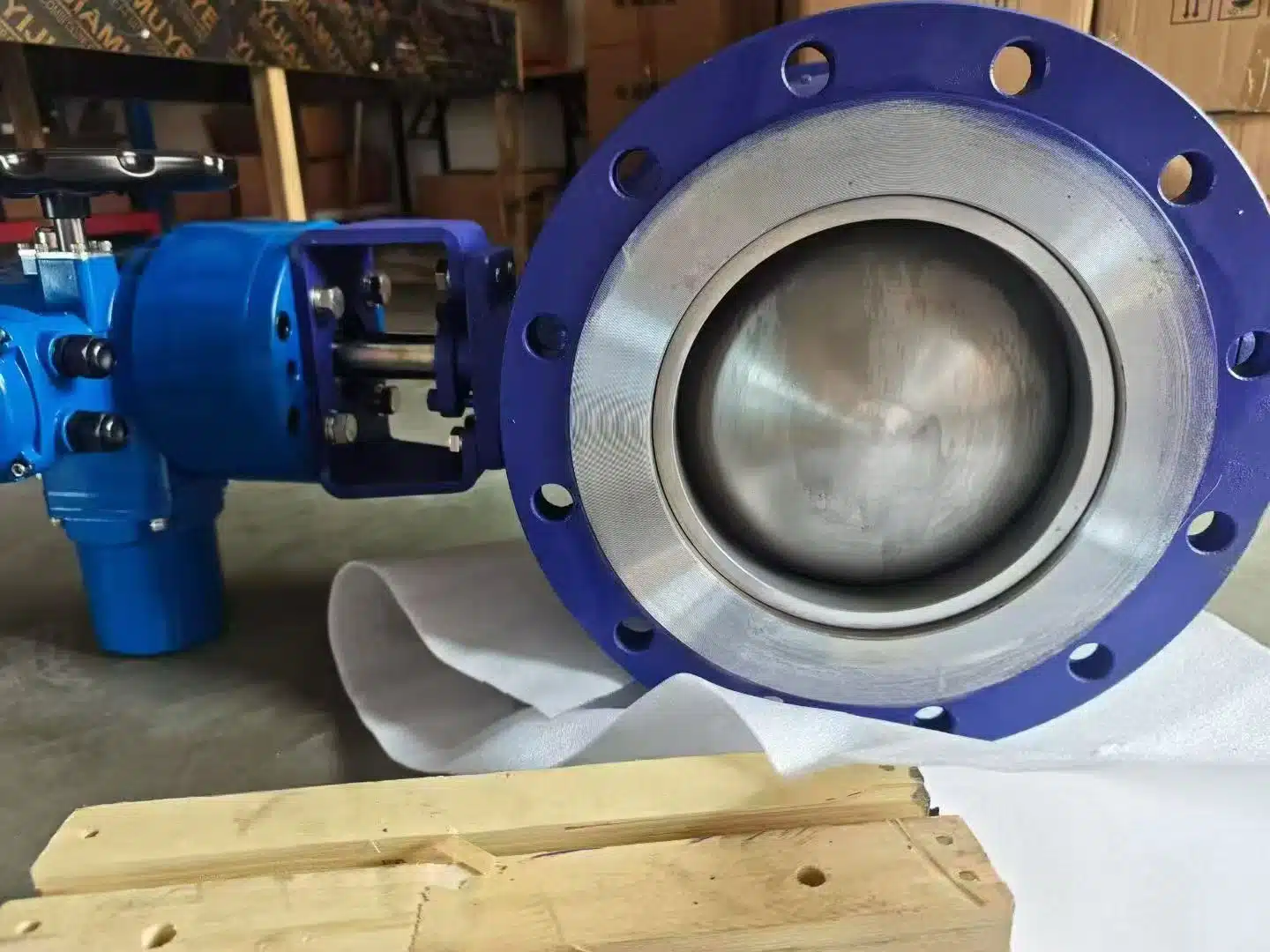
V-port ball valves are used in many industries. These valves help control flow very well. They work with water, chemicals, slurries, and gases. NTGD makes strong ball valves for hard jobs.
Industrial uses
You can find v-port ball valves in factories. They help control water, steam, and chemicals. Here are some places where you use them:
- Steam lines and boiler systems
- Plate heat exchangers and cooling water systems
- Glycol tracing lines and gas lines
- Level control and pump recirculation
- Fuel oil systems and atomizer misting
- Wastewater system lines and water separation
- Agriculture chemical lines and acid transfer
- Commercial water heaters and HVAC applications
- Food and beverage processing
- Chemical treatment and storage
- Pharmaceuticals
These valves let you change flow smoothly and fast. You can put them in any direction. This makes your work easier. The flow path is smooth, so there is less noise and less damage.
Tip: Pick v-port ball valves for tight shutoff and high flow in small spaces.
Power generation
Power plants need strong valves that last. V-port ball valves are used for cooling water, steam, and hot lines. The table below shows how these valves help power plants:
| Application | Benefit |
|---|---|
| Cooling Water | Efficient flow management |
| Steam | Enhanced safety in turbines and boilers |
| High-Temperature | Durability and quick response times |
You can control water and steam very well. This keeps your machines safe and working right. NTGD valves handle high pressure and heat. You can trust them for hard power plant jobs.
Slurries and high-viscosity fluids
Thick fluids and slurries are hard to move. V-port ball valves help with these problems:
- The sharp V-edge cuts thick and stringy fluids, so it does not clog.
- The V-notch opens slowly, so you can control flow and lower pressure drops.
- You get better flow in thick fluid jobs.
- The design makes less turbulence and lowers the chance of bubbles.
You can use these valves in water cleaning, waste plants, and chemical factories. They work with liquids, gases, and slurries. You get good results even in tough places.
Note: Water treatment, oil and gas, and food factories use v-port ball valves for safe and easy flow control.
Selection guide
Picking the right V-port ball valve is important. It helps you control flow well and makes the valve last longer. NTGD makes strong ball valves with good designs. You can count on NTGD for hard jobs and careful flow control.
Flow control and Cv
You need to pick the right Cv for your ball valve. Cv tells you how much fluid goes through the valve. Most of the time, you want the best control when the valve is open between 20% and 80%. Think about these things before you choose:
| Factor | Description |
|---|---|
| Valve Size and Shape | Bigger valves let more fluid pass. |
| Valve Design | The inside shape changes how you control flow. |
| Fluid Properties | Thick or heavy fluids make Cv lower. |
| Differential Pressure | More pressure means more flow and higher Cv. |
| Process Temperature | Hot fluids move easier, but too much heat can cause trouble. |
| Piping Conditions | Turbulence or pressure loss changes Cv. |
| Valve Material | Smooth materials help fluid move faster. |
Tip: Always check what your system needs. Match the ball valve’s Cv to get the best results.
Material options
You have to choose the right material for your ball valve. The material decides how long the valve lasts and if it can fight rust. NTGD gives you many choices for your job:
| Material Type | Corrosion Resistance | Longevity | Temperature Compatibility |
|---|---|---|---|
| Metals | High | Long | High |
| PVC | Moderate | Short | Low |
| PTFE | High | Long | High |
| Elastomers | Variable | Variable | Variable |
Stainless steel is good for tough places. PTFE seats work well with hot fluids. Always match the material to your fluid and where you use it.
Sizing and actuation
You must pick the right size for your ball valve. Most V-port ball valves are between ½ inch and 8 inches. NTGD has stainless steel bodies and PTFE seats for high pressure and heat. You can pick electric or air-powered actuators. Some are safe for bad weather or explosions. Positioners help you control the valve with signals like 4-20 mA or 3-15 PSI.
People often make these mistakes:
- Using the wrong way for flow
- Tightening too much or too little
- Not using thread sealant
- Pipes not lined up right
- Not checking the handle
- Forgetting to check seals
Industry rules like ISO 9001, API 6D, and ANSI B16.34 help you pick safe ball valves. NTGD follows these rules, so you get good quality and safety.
Note: Always follow the maker’s instructions and check what your system needs before you put in your ball valve.
Comparison with other ball valves
Standard vs. V-port
You often see standard ball valves in simple on/off jobs. These valves have a round opening. When you turn the handle, the flow starts or stops quickly. You do not get much control over how fast the fluid moves. If you need to adjust flow with care, a standard ball valve may not work well. A V-port ball valve gives you much better control. The V-shaped notch lets you change the flow slowly and smoothly. You can use it for jobs where you need to measure or regulate flow. NTGD offers V-port ball valves for places where accuracy matters.
| Feature | Standard Ball Valve | V-Port Ball Valve |
|---|---|---|
| Flow Control | Poor for precise control | Excellent for fine control |
| Shut-off Performance | Very strong | Strong, but not perfect |
| Best Use | Simple on/off | Flow regulation and metering |
Tip: Choose a V-port ball valve when you want to control flow, not just turn it on or off.
Segmented and trunnion types
Segmented ball valves and V-port ball valves both help you control flow. Segmented ball valves have a special V-notch. This design gives you equal flow percentage, like a globe valve. You get smooth changes and less turbulence. Maintenance is easy because you can remove the seat and replace it. V-port ball valves also use a V-notch, but segmented types are even better for fine control.
| Feature | Segmented Ball Valve | V-Port Ball Valve |
|---|---|---|
| Flow Control | Designed for precise flow control with V-notch | Machined for optimized flow, but less precise than segmented |
| Maintenance Requirements | Removable seat design for easy replacement | Standard maintenance, may require more effort for precise adjustments |
| Operating Torque | Requires less torque, allowing smaller actuators | Generally higher torque requirements |
- Segmented ball valves give you equal flow percentage, like globe valves.
- V-notch design helps with thick or rough fluids.
- Maintenance is easier with segmented ball valves because of the removable seat.
Trunnion ball valves work best for high-pressure jobs. They use extra supports to hold the ball in place. You get strong shut-off, but not much flow control. If you need to adjust flow, V-port or segmented ball valves are better choices.
When to choose V-port
You should pick a V-port ball valve for jobs that need careful flow control. These valves work well for flow regulation and metering. The V-shaped seat and ball design help you manage flow with high accuracy. NTGD makes V-port ball valves for tough jobs in factories, power plants, and water treatment.
- Use a V-port ball valve when you need precise flow control.
- Pick this valve for flow regulation and metering tasks.
- The special design helps you handle thick, dirty, or rough fluids.
Note: V-port ball valves from NTGD give you the control and reliability you need for demanding jobs.
You get many benefits when you choose NTGD V-port ball valves. These valves give you precise flow control, reliable shutoff, and options for different flow ranges. You should always match the valve to your system’s needs for best results. Regular checks and the right pressure rating help you avoid problems.