
Butterfly valves play a vital role in controlling fluid flow in pipelines. Their compact design and efficient operation make them indispensable in industries like oil and gas, water treatment, and power generation. With the global butterfly valve market projected to grow from USD 11.5 billion in 2024 to USD 17.2 billion by 2033, understanding butterfly valve types is more important than ever. Each type, such as the Wafer or Grooved, offers unique features that impact system efficiency and safety. Choosing the right valve ensures optimal performance and reliability in your fluid control systems.
Key Takeaways
- Butterfly valves help control liquids in many industries like oil, water, and HVAC systems.
- Picking the right valve type, like concentric, double offset, or triple offset, is important for it to work well.
- Think about the liquid type, flow speed, and conditions when choosing a valve to make sure it fits and works well.
- Taking care of valves and installing them correctly helps them last longer and work better.
- Talking to experts or makers can guide you in choosing the best valve for your system.
Overview of Butterfly Valves
Purpose and Functionality
Butterfly valves serve as essential components in fluid control systems. Their primary functions include:
- Quick shut-off in piping systems.
- Compact and lightweight design for easy installation.
- Improved flow coefficients and pressure recovery.
These valves operate using a rotating disc positioned within the flow path. You can align the disc with the flow direction to block it or turn it perpendicular to allow fluid passage. This simple mechanism ensures efficient flow regulation and makes butterfly valves suitable for various applications, including throttling and isolation. Their ability to operate with just 90 degrees of movement also makes them fast and easy to actuate compared to other valve types.
Importance in Various Industries
Butterfly valves play a critical role across multiple industries due to their versatility and efficiency. For example:
- Energy: They optimize fluid control in renewable energy projects.
- Water Treatment: These valves regulate water flow during treatment processes.
- Food and Beverage: They ensure efficient fluid control in production lines.
- Chemical and Petrochemical: Their corrosion-resistant materials handle aggressive media.
- HVAC Systems: They control air and fluid flow in heating and cooling systems.
In the oil and gas sector, butterfly valves are indispensable for regulating flow during exploration, refining, and distribution. Their lightweight design and cost-effectiveness make them a preferred choice in these demanding environments.
Key Features of Butterfly Valves
Butterfly valves stand out due to their unique design features:
- Disc Configuration: The sealing centerline of the disc aligns precisely with the valve body’s centerline, preventing leakage.
- Seat Design: A streamlined inner ring reduces flow resistance effectively.
- Sealing Mechanism: The disc compresses the rubber seat liner during closure, ensuring a tight seal.
Additionally, their compact and lightweight construction simplifies installation and maintenance. These valves also minimize pressure drop, making them ideal for high flow rates. However, they may not provide the tight sealing required for certain applications, such as those involving suspended solids. Despite this, their durability and cost-effectiveness make them a reliable choice for many fluid control systems.
Different Types of Butterfly Valves
Understanding the different types of butterfly valves helps you select the right one for your application. Each type offers unique features and advantages, making them suitable for specific scenarios. Below, we explore three common types: concentric, double offset, and triple offset butterfly valves.
Concentric Butterfly Valves
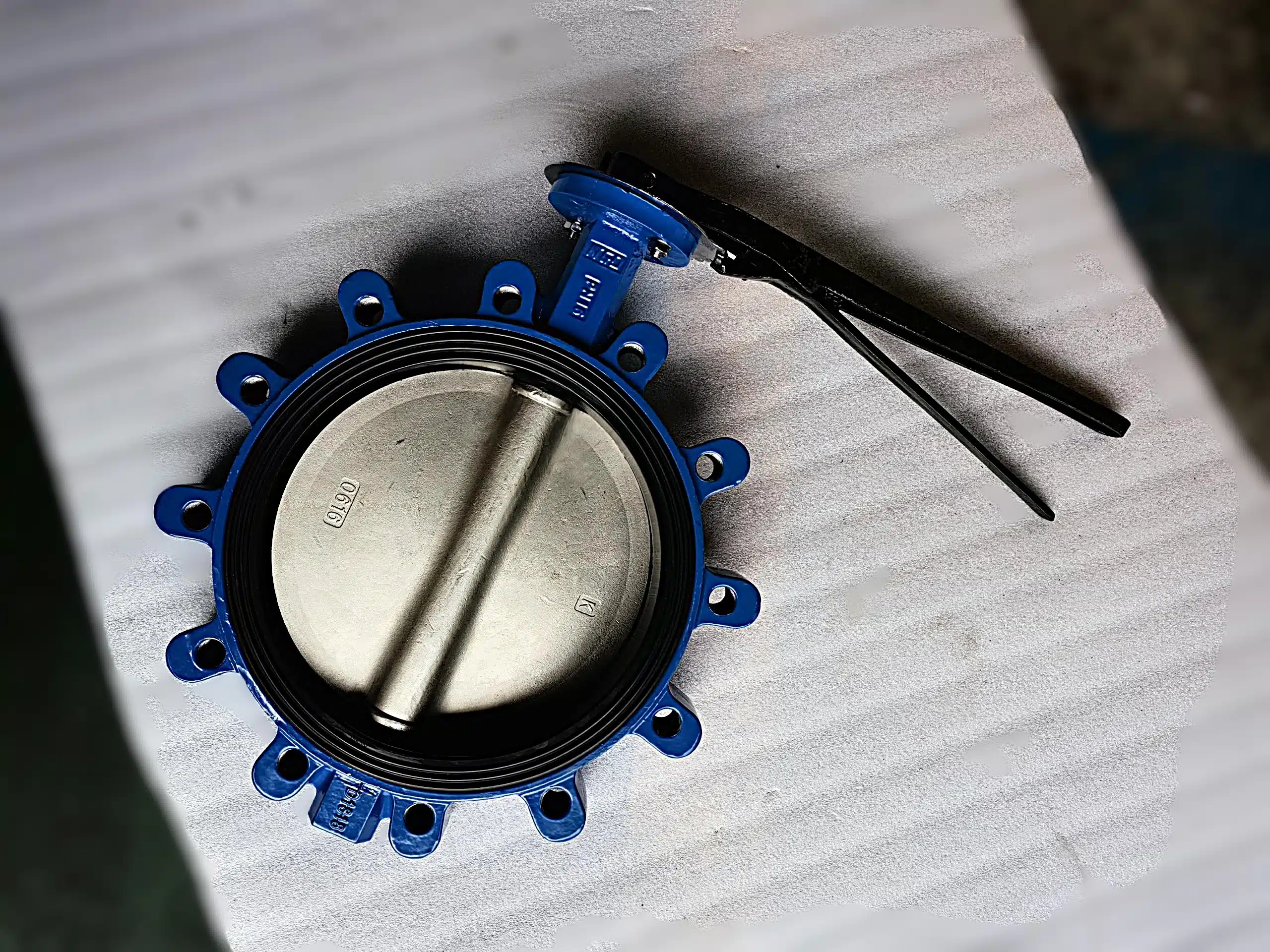
Concentric butterfly valves, also known as zero-offset valves, are the most basic type. Their design centers the disc’s sealing line with the valve body’s centerline. This alignment ensures effective sealing and prevents leakage. Key features of concentric butterfly valves include:
- Disc Configuration: The disc’s sealing centerline aligns with the valve body’s centerline.
- Seat Design: A soft rubber seat liner reduces flow resistance and enhances sealing efficiency.
- Sealing Mechanism: The disc compresses the rubber seat liner during closure, creating sealing pressure.
These valves are ideal for low-pressure applications. You’ll often find them in water management systems, HVAC systems, and chemical manufacturing. Their corrosion-resistant materials make them reliable for handling chemicals, while their simplicity ensures cost-effectiveness.
Double Offset Butterfly Valves
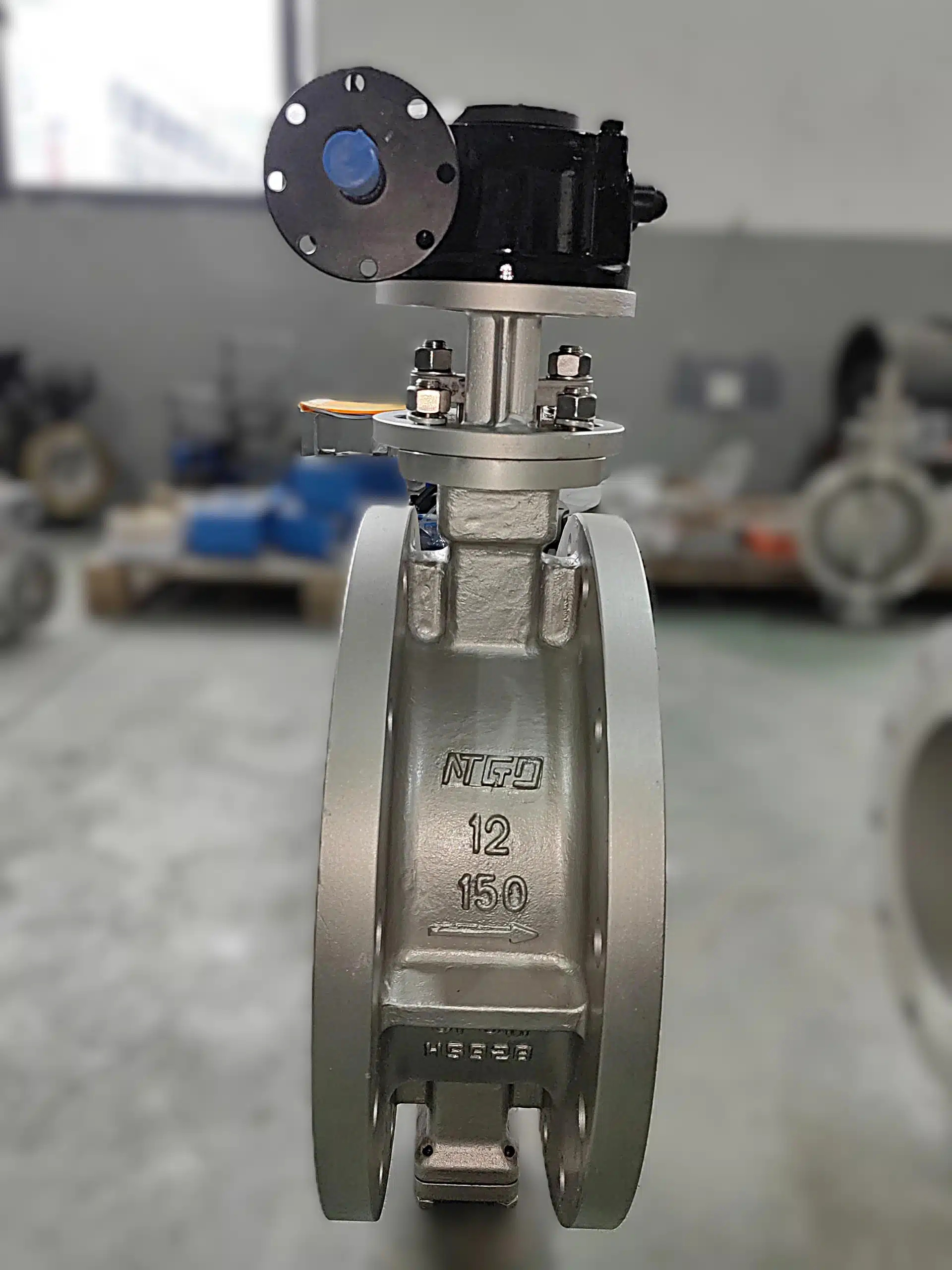
Double offset butterfly valves introduce two offsets in their design. The stem axis is offset behind the seat and body centerline and further offset from the vertical centerline. This creates a cam action during operation, reducing friction and improving sealing. Compared to concentric valves, double offset butterfly valves handle higher pressures and temperatures.
| Feature | Double Offset Butterfly Valve | Other Types |
|---|---|---|
| Design | Two offsets creating camming action | Varies (e.g., zero offset) |
| Friction | Reduced friction enhances sealing capabilities | Higher friction |
| Pressure and Temperature | Can handle higher pressures and temperatures | Limited capabilities |
| Applications | Suitable for water purification, HVAC, oil and gas | Varies by type |
These valves excel in industrial applications like water purification and wastewater treatment. Their ability to handle high-pressure and high-temperature conditions makes them a preferred choice for demanding environments.
Triple Offset Butterfly Valves
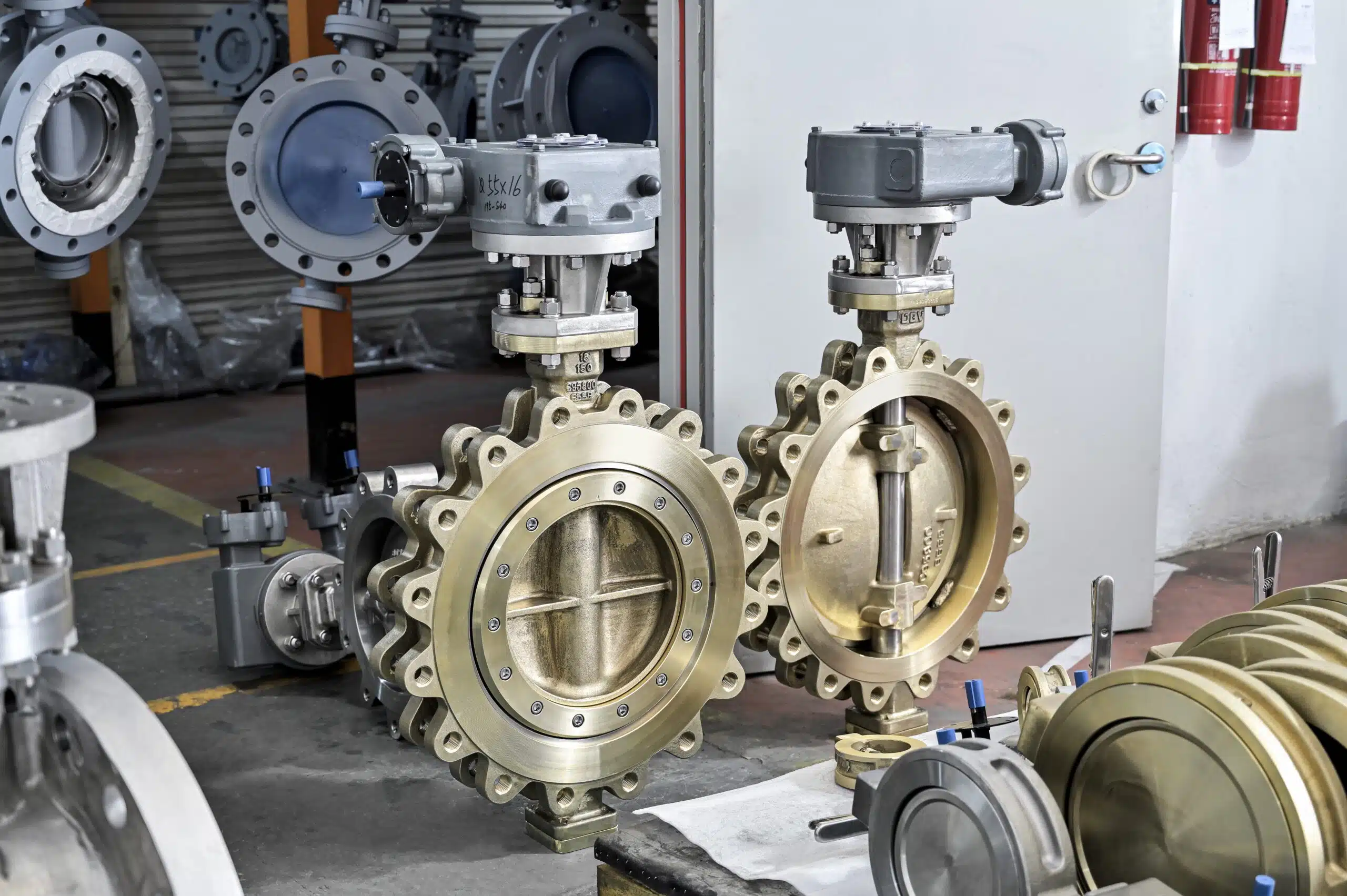
Triple offset butterfly valves take sealing performance to the next level. They feature a right-angle cone-shaped sealing mechanism, ensuring contact only at the final degree of closure. This design eliminates friction and enhances durability. Key features include:
- A metal-to-metal seal for tight shutoff in high-pressure and high-temperature environments.
- Frictionless operation that extends the valve’s lifespan.
- No cavities between sealing components, preventing debris buildup and reducing maintenance.
These valves are fire-safe and resistant to extreme conditions. Industries like oil and gas, power generation, and petrochemical benefit most from their reliability and performance. For example, they are essential in petroleum refineries where bubble-tight shutoff is critical.
Wafer Butterfly Valves
Wafer butterfly valves are among the most commonly used butterfly valve types due to their simple design and versatility. These valves feature a disc-shaped body with four holes for bolting, allowing them to be clamped between two flanges. Unlike other types, they rely on compression between the flanges to create a seal. This design makes them lightweight and cost-effective, but they are not suitable for end-of-line applications.
Key Features of Wafer Butterfly Valves:
- Compact and lightweight design for easy installation.
- Sealing achieved through flange compression.
- Suitable for applications requiring quick shutoff and flow control.
You’ll find wafer butterfly valves in various industries, including food processing, shipbuilding, and water treatment plants. They are also ideal for cooling water systems, vacuum services, and compressed air or gas applications. Their ability to handle high-pressure and high-temperature conditions makes them a reliable choice for demanding environments.
Tip: Wafer butterfly valves are perfect for systems where space and weight are critical considerations.
Lug Butterfly Valves
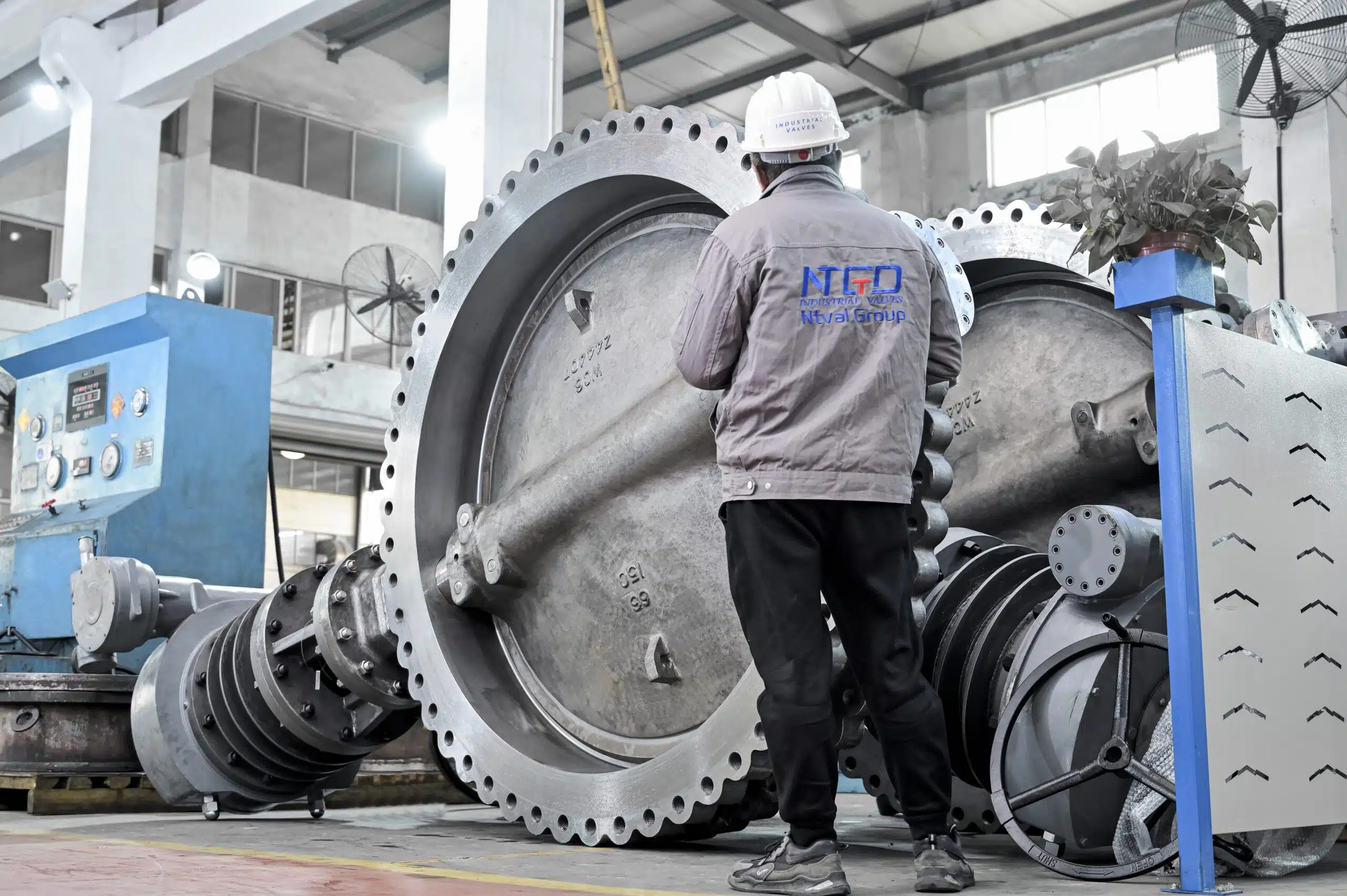
Lug butterfly valves differ from wafer valves in their design and functionality. These valves have threaded lugs on the valve body, allowing them to be bolted directly to the pipeline. This design provides a tighter seal and makes them suitable for end-of-line applications. Lug butterfly valves are typically made from durable materials like cast iron or steel, ensuring long-lasting performance.
Comparison: Wafer vs. Lug Butterfly Valves
| Feature | Wafer Butterfly Valve | Lug Butterfly Valve |
|---|---|---|
| Design | Disc-shaped body with four holes for bolting | Body with threaded lugs for bolting |
| Installation | Bolted between two flanges | Connected through bolts and nuts |
| Sealing Mechanism | Relies on compression between flanges | Tighter seal due to threaded connections |
| Suitability for Applications | Not suitable for end-of-line applications | Suitable for end-of-line applications |
| Material | Typically made from various materials | Usually made from cast iron or steel |
Lug butterfly valves excel in applications requiring tight shutoff and durability. Their compact design and ease of installation make them a cost-effective choice for many industries.
Flanged Butterfly Valve
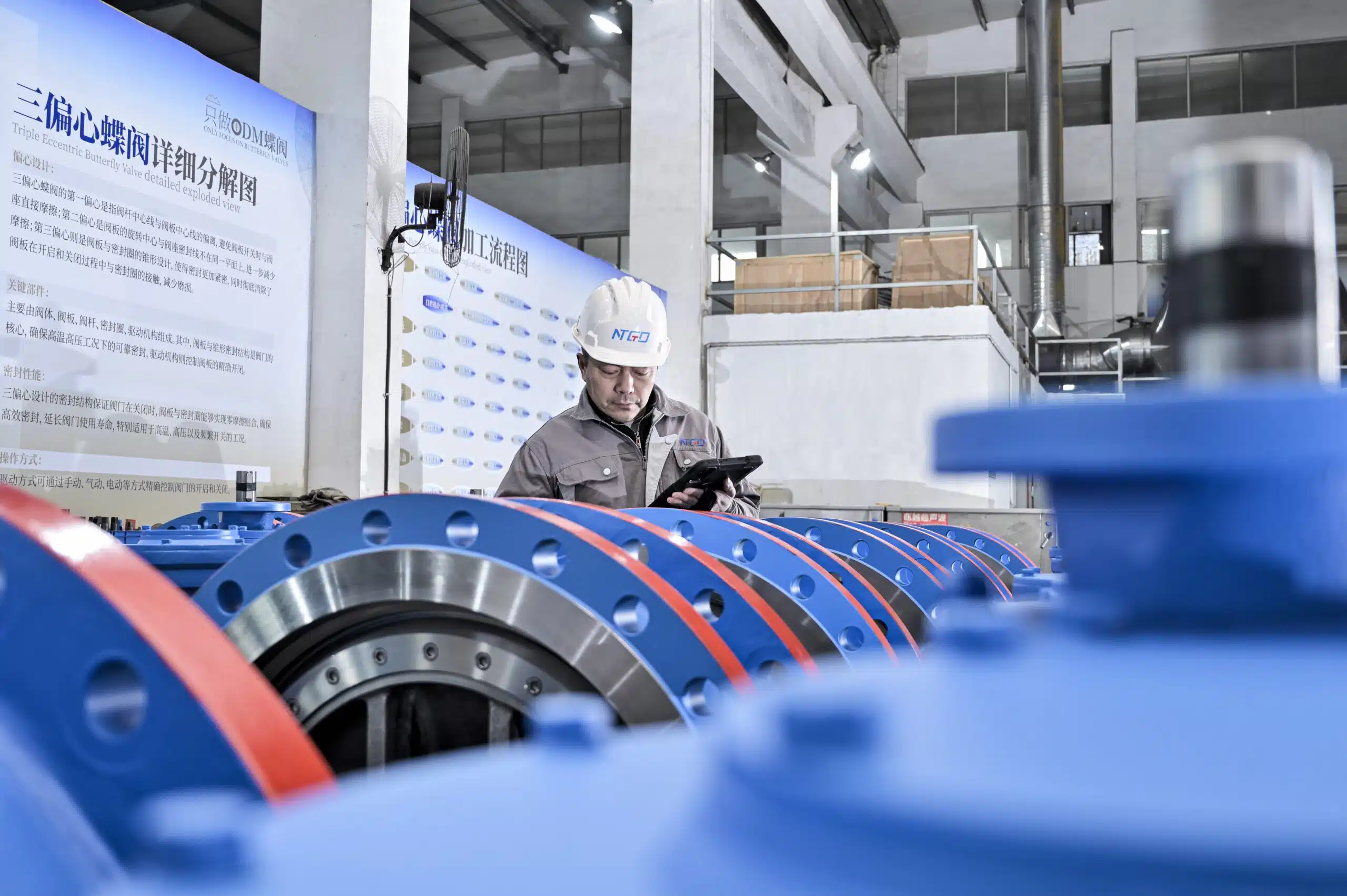
Flanged butterfly valves stand out for their robust construction and reliability in high-pressure applications. These valves feature flanges at both ends of the body, which connect directly to the pipeline. This design provides additional support, allowing the valve to handle higher pressures without compromising the seal.
Features of Flanged Butterfly Valves:
- Double-flanged design enhances stability and support.
- High-quality materials ensure durability under extreme conditions.
- Suitable for high-pressure systems, withstanding pressures up to 1,480 PSI and temperatures of 1200°F.
Flanged butterfly valves are ideal for critical applications in industries like oil and gas, chemical processing, and power generation. Their ability to maintain performance in harsh environments makes them a reliable choice for demanding systems.
Note: If you need a butterfly valve manufacturer, consider NTGD for high-quality and durable options tailored to your needs.
How to Choose the Right Butterfly Valve
Application-Specific Requirements
Selecting the right butterfly valve depends on the specific needs of your application. You must evaluate several factors to ensure the valve performs effectively. These include:
- Fluid Characteristics: Consider the temperature, pressure, viscosity, and corrosiveness of the fluid. For example, high-temperature fluids may require a triple offset or double eccentric butterfly valve.
- Flow Rate and Control: Determine the required flow rate and whether precise control or tight shutoff is necessary.
- Operating Conditions: Assess the maximum pressure and temperature the valve must withstand.
- Application Type: Identify the industry and function. For instance, food-grade applications often require stainless steel valves, while chemical processing may need corrosion-resistant materials.
- Pipeline Size: Ensure the valve matches the pipeline dimensions for proper installation and performance.
Understanding these requirements helps you choose a butterfly valve that provides superior flow control and effective flow isolation in pipelines.
Material and Compatibility Considerations
The material of the butterfly valve plays a crucial role in its compatibility with the fluid and operating conditions. Different materials offer unique properties suited for specific applications:
| Material | Properties | Applications |
|---|---|---|
| Stainless Steel | Corrosion resistance, durability, ease of cleaning | Food-grade butterfly valves |
| PVC | Low cost, ease of installation, not suitable for high temperatures | Food-grade butterfly valves |
| Carbon Steel | High strength, corrosion resistance | Refinery applications |
| Alloy Steel | Higher strength and corrosion resistance than carbon or stainless steel | Specialized applications |
| Brass | Toughness, durability, high temperature resistance, antimicrobial properties | Various food processing applications |
When selecting a material, consider fluid compatibility, temperature range, and pressure rating. For corrosive fluids, stainless steel or alloy steel ensures durability. For high-pressure systems, carbon steel provides the necessary strength. Matching the material to your application ensures the valve’s longevity and performance.
Installation and Maintenance Factors
Proper installation and maintenance are essential for the optimal performance of butterfly valves. Follow these steps during installation:
- Inspect the valve to ensure it is free from dirt or debris.
- Mount the actuator on the valve for proper alignment.
- Verify the valve’s material and pressure rating match the application.
- Align the connecting pipe flanges and center the valve between them.
- Tighten the flange bolts evenly to avoid leaks.
Regular maintenance extends the lifespan of the valve. Clean and inspect it periodically to identify potential issues. Lubricate moving parts to reduce friction and replace worn seals promptly. Addressing problems like leakage or corrosion ensures the valve continues to provide tight shutoff and effective flow control.
Tip: Consult a trusted butterfly valve manufacturer like NTGD for high-quality options tailored to your needs.
Comparing Butterfly Valve Types for Performance
When comparing butterfly valve types, you should focus on their performance in terms of pressure, temperature, and durability. Each type offers unique advantages, making it suitable for specific applications. Understanding these differences helps you select the most efficient option for your system.
- General Service vs. High-Performance Valves:
General service butterfly valves are simpler and more cost-effective. They work well in low-pressure and low-temperature environments. However, they are limited in size, typically up to 30 inches, and use elastomers that may erode over time. High-performance butterfly valves, on the other hand, can handle higher pressures and temperatures. These valves are made from materials like graphite, which resist corrosion and erosion. They are also available in larger sizes, up to 60 inches, making them suitable for demanding applications. - Sealing and Durability:
General service valves rely on soft elastomer seals, which may degrade under harsh conditions. High-performance valves use resilient materials, ensuring a tighter seal and longer lifespan. This makes them ideal for industries like oil and gas, where reliability is critical. - Cost and Value:
While general service valves have a lower upfront cost, high-performance butterfly valves offer better long-term value. Their durability and ability to withstand extreme conditions reduce maintenance costs and downtime.
To choose the right valve, consider consulting with experts or a trusted butterfly valve manufacturer like NTGD. They can guide you in evaluating factors like total cost of ownership and compliance with industry standards. This ensures you select a valve that meets your specific needs while maximizing safety and performance.
Tip: Understanding the working principles of butterfly valves can help you make informed decisions. Knowing how they operate and their advantages allows you to optimize your system’s efficiency.
Butterfly valves offer quick operation, cost efficiency, and reduced maintenance, making them ideal for diverse applications like cooling water systems, slurry services, and high-pressure pipelines. Their compact design ensures reliable performance while minimizing operating costs. Choosing the right butterfly valve depends on your specific needs, such as fluid type, pressure, and temperature. Consulting experts or manufacturers like NTGD can simplify this process. They provide insights into the best options for your system and help you navigate complex requirements. This ensures you select a valve that delivers optimal performance and longevity.
