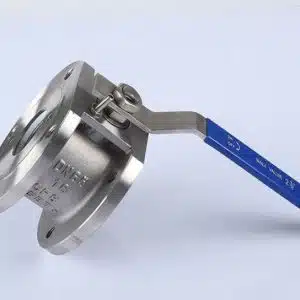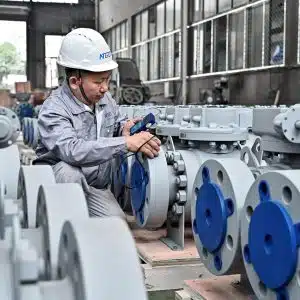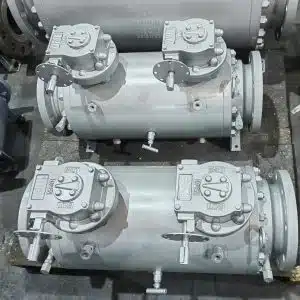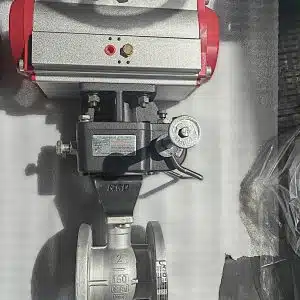
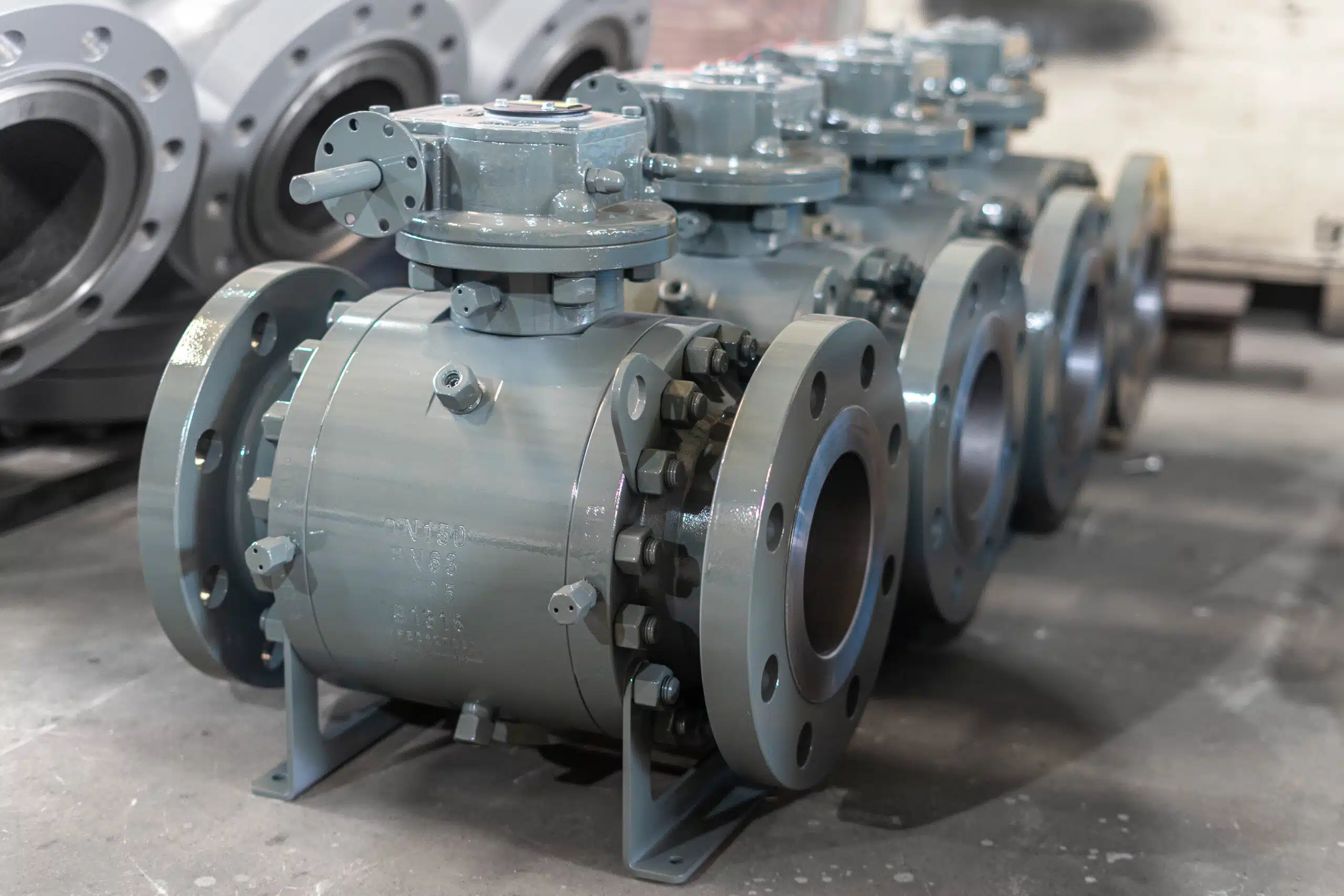
A flanged ball valve has a ball with a hole to control flow. This valve gives a strong and leak-free seal. Many industries pick the flanged ball valve for fast and easy use. Using flanged ball valves helps your system work well and stops leaks. Strong materials in new valves, like those from NTGD, can handle tough places and cut down on repair costs. The complete guide helps you make good choices and keep your equipment working. As more people use ball valves, you need a complete guide to keep up. You can trust this complete guide to show every part of the flanged ball valve. A complete guide helps you see how the flanged ball valve works in any system.
Key Takeaways
- Flanged ball valves make a tight seal that does not leak. They are great for controlling liquids and gases in many industries.
- It is important to know the main parts like the body, ball, and flanges. This helps you pick the right valve for your system.
- Pick the right flange connection type for your pipeline. This keeps your system safe and working well.
- You should check and oil flanged ball valves often. This helps them last longer and stops leaks from happening.
- Always use the manufacturer’s rules for putting in and using the valve. This keeps your system safe and working its best.
Flanged ball valves overview
What is a flanged ball valve
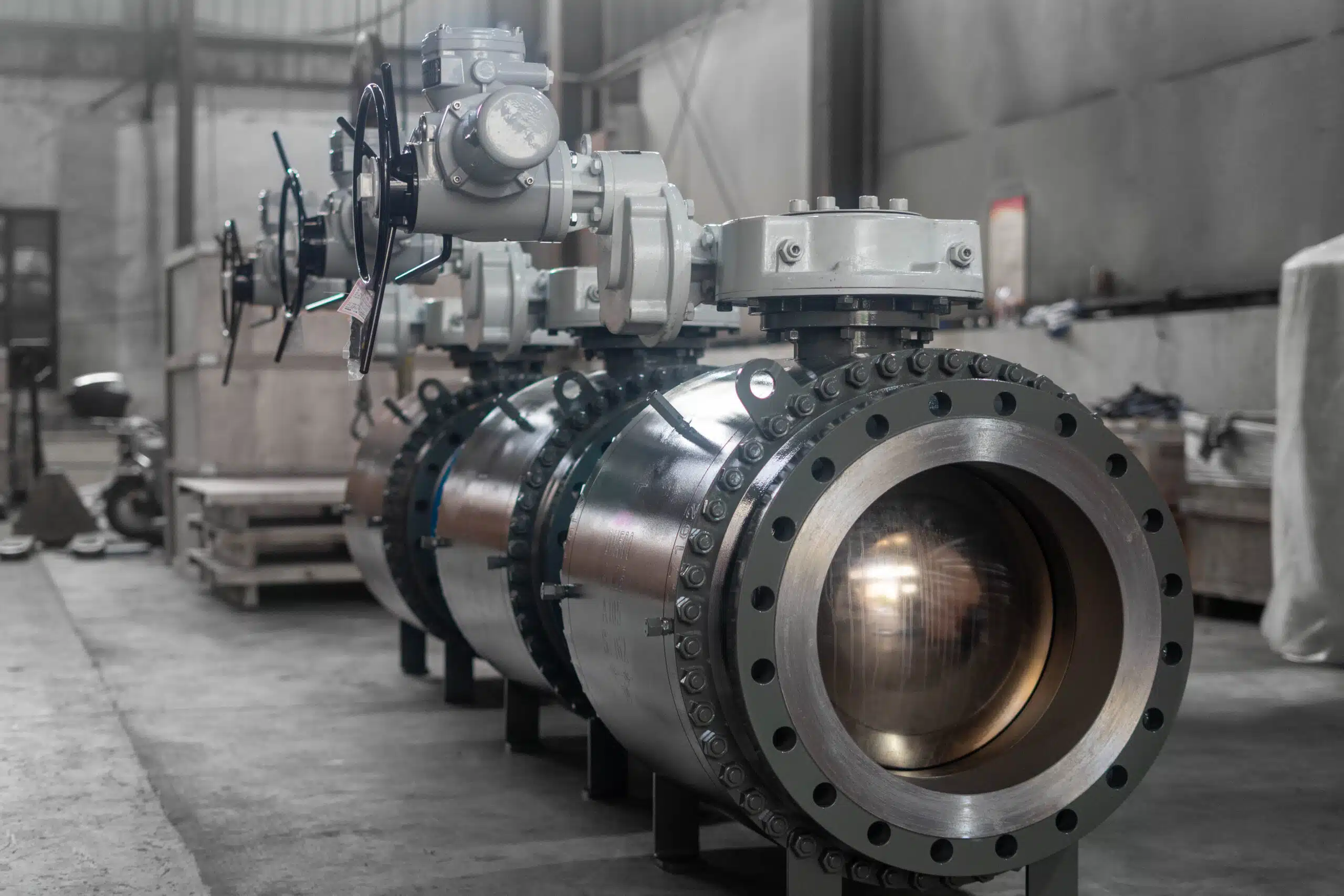
You use flanged ball valves to control the flow of liquids or gases in a pipeline. These valves have a ball with a hole in the middle. When you turn the handle, the ball rotates to open or close the flow. Flanged ball valves have flanges on both ends. You bolt these flanges to the pipe, which gives a strong and leak-free connection. NTGD makes flanged ball valves that work well in tough places. You can find these valves in many industries because they handle high pressure and temperature.
Flanged ball valves serve many important functions:
- Isolation: You can shut off flow for maintenance or emergencies.
- Flow regulation: Some designs let you control how much fluid passes through.
- Pressure management: These valves handle high-pressure surges without leaking.
You see flanged ball valves in oil and gas, chemical plants, and water treatment systems. Their quick operation and reliable sealing make them a top choice for demanding jobs.
Key components
You need to know the main parts of the flange ball valve structure. Each part helps the valve work well and last long. Here is a table that shows the key components and their roles:
| Component | Description | Contribution to Performance |
|---|---|---|
| Body | Holds all internal parts, made from strong materials. | Handles high pressure and harsh conditions. |
| Ball | Main part that controls flow. | Gives tight shut-off and smooth flow control. |
| Seats | Soft rings that touch the ball. | Stop leaks when the valve is closed. |
| Stem | Connects the ball to the handle. | Lets you turn the valve easily. |
| Flanges | Flat ends with holes for bolts. | Make it easy to attach to pipes. |
When you look at the flange ball valve structure, you see how each part works together for safe and easy use.
Flange connection types
You find different flange connection types in flanged ball valves. The type you choose depends on your system and standards. Here is a table with common flange standards:
| Standard | Description |
|---|---|
| SAE J518 | Uses 4 bolt holes in a rectangle. Has Code 61 and Code 62 classes. |
| ANSI/ASME B16.5 | Has many bolt holes in a circle. Covers sizes from 1/2″ to 24″ and pressure classes from 150# to 2500#. |
| DIN 1092-1/ISO 7005 | Uses “DN” for size and “PN” for pressure. Covers sizes from 10 to 2000 and pressure from 2.5 to 100 bar. |
You should match the flange type to your pipe and system needs. Flanged ball valves from NTGD follow these standards, so you get a safe and easy fit every time.
How flanged ball valves work
Working principle
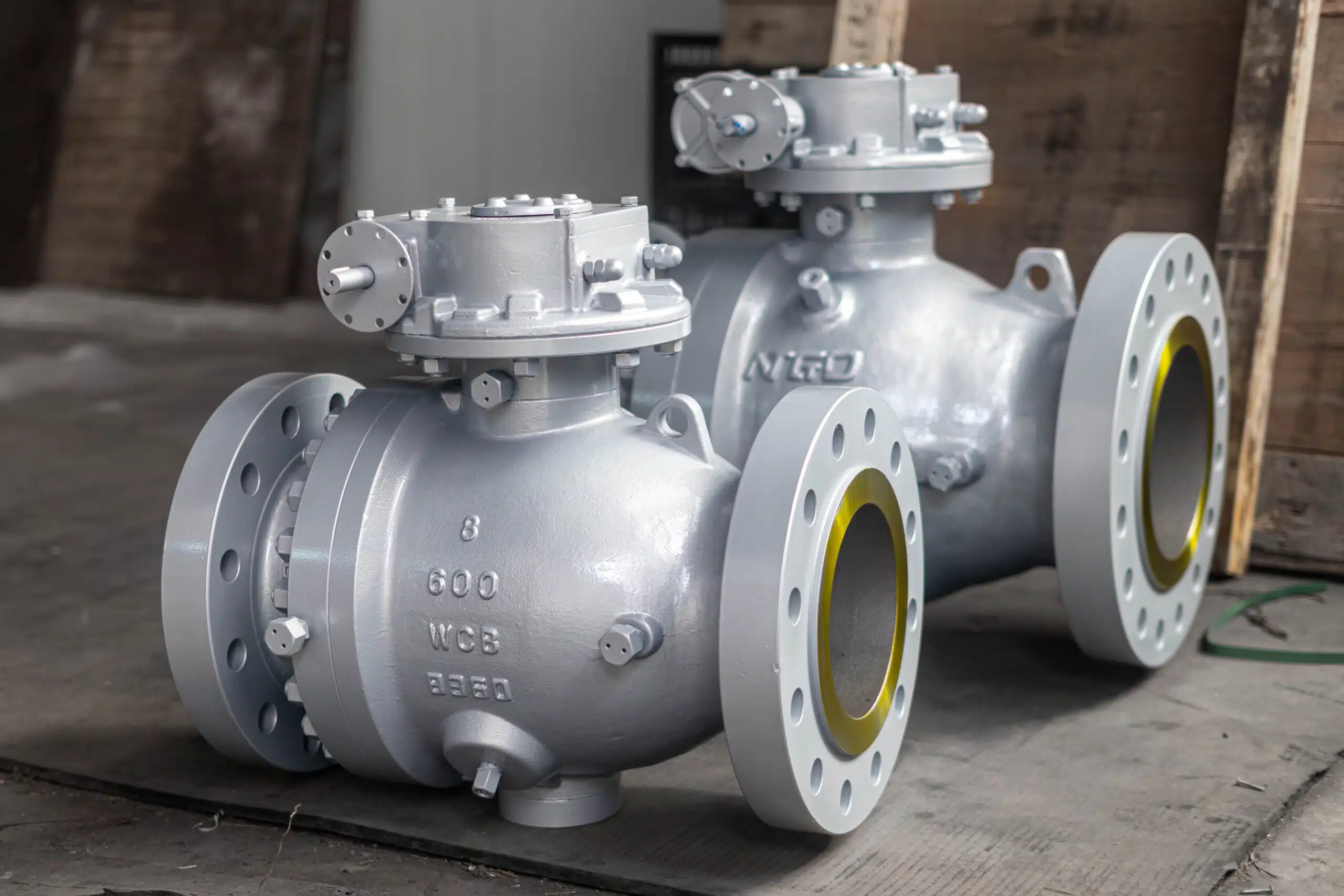
It is important to know how flanged ball valves work. These valves have a ball with a hole in the middle. When you turn the handle, the ball spins inside the valve. If the hole matches up with the pipe, fluid can move through. If you turn the ball sideways, the hole does not match the pipe, and the flow stops.
This design lets you stop or start flow quickly with one turn. You do not need to use a lot of strength. Flanged ball valves work differently than other valves. Here is a simple comparison:
- Ball valves have a ball that turns for quick shutoff and full flow.
- Globe valves use a disc that moves up and down to control flow.
- Gate valves use a flat piece that goes up or down to open or close.
- Ball valves only need a quarter turn to work. The ball’s hole lines up with the body to let fluid pass, and turns to stop flow.
NTGD makes flanged ball valves with special features. Some have trunnion-mounted balls. These trunnions help handle pressure and lower friction. Spring-loaded seats push against the ball for a tight seal. Some NTGD valves use a tilt-and-turn design. This keeps the ball pressed against the seat for a strong seal. Metal-seated valves from NTGD work well in hot and high-pressure places. Soft-seated valves stop leaks and resist chemicals.
Flow control
You can use flanged ball valves to change how much fluid moves in your system. The ball’s spot inside the valve decides how much fluid gets through. If you open the valve halfway, some fluid flows. If you open it all the way, you get the most flow. If you close it, no fluid moves.
Many things affect how well you can control flow with flanged ball valves. The table below shows what to think about:
| Factor | Description |
|---|---|
| Pressure | High pressure can hurt seals. Low pressure may not move enough fluid. |
| Temperature | Very hot or cold can change the valve’s shape and sealing. |
| Valve Orientation | The valve must be placed right for best results. Wrong setup can block flow. |
| Flow Characteristics | Different fluids act in different ways. The valve should match the fluid. |
| Valve Size | The valve must fit the pipe. Too big makes turbulence. Too small blocks flow. |
NTGD checks every flanged ball valve to make sure it works well in real systems. You get good results when you pick the right size and material.
💡 Tip: Always check the pressure and temperature before you put in a flanged ball valve. This helps you stop leaks and damage.
Bi-directional operation
Flanged ball valves let fluid move in both directions. You do not have to worry about which way you put the valve in. Both floating and trunnion-mounted types from NTGD seal well both ways. This makes your system easier to build and use.
The table below shows how bi-directional operation works in real life:
| Evidence Description | Source |
|---|---|
| The floating and trunnion-mounted designs are usually bi-directional in sealing. | The Evolution of the All-Encompassing Ball Valve |
| They can be put in any position to work. | |
| A bidirectional ball valve lets fluid go forward or backward. | Are Ball Valves Directional: Key Differences Between Bidirectional & Directional Valves |
| It has a double-end seal to close tight no matter which way the fluid goes. |
You can trust NTGD flanged ball valves to work safely and not leak, no matter which way the fluid moves. This feature saves you time when you install it and helps you feel sure about your system.
If you want to know how flanged ball valves work in your system, remember these things: The working principle uses a turning ball for fast shutoff. You control flow by turning the handle. Bi-directional operation lets you put the valve in any direction. NTGD flanged ball valves give you good results in every job.
Types and standards
Common types
There are many flange ball valve types you can buy. Each type works best for different jobs and systems. The main types are one-piece, two-piece, and three-piece flanged ball valves. You can also pick between floating ball and trunnion-mounted ball designs. NTGD has many flanged ball valves to fit what you need.
Here is a table that shows how flanged ball valves and standard ball valves are different:
| Feature | Flanged Ball Valves | Standard Ball Valves |
|---|---|---|
| Connection Type | Flanged ends bolted to pipeline | Threaded or welded ends |
| Installation | Quick installation, easily disassembled | May require cutting the pipe for removal |
| Maintenance | Easier maintenance and inspection | More labor-intensive |
| Leak Resistance | High leak resistance, suitable for high pressure | Lower leak resistance |
| Cost | Generally higher initial cost | Usually cheaper |
| Durability Under Pressure | Designed for high pressure and temperature | Threaded types may wear over time |
| Common Applications | Chemical processing, water distribution, gas handling | Smaller pipe systems, lower pressure |
Pick the right flange ball valve type for your system. This helps keep your system safe and working well.
Full port vs. standard port
When you pick flanged ball valves, you must choose full port or standard port. Full port valves have a flow path as big as the pipe. This means fluid moves easily and pressure does not drop much. Standard port valves have a smaller flow path. This makes it harder for fluid to move and causes more pressure drop.
Here is a table to help you see the differences:
| Valve Type | Flow Resistance | Pressure Drop | Flow Path Size |
|---|---|---|---|
| Full Port | Minimal | Very Low | Same as pipeline ID |
| Standard Port | Higher | Larger | Smaller than pipeline ID |
- Full port valves are best when you want fluid to move fast.
- Standard port valves are good if you do not need high flow.
The inside shape of the valve changes how fluid moves. Full port valves let fluid move smoothly. Standard port valves can slow down thick liquids.
Industry standards
You need to make sure your flanged ball valves follow important industry standards. These rules help you get safe and strong valves. NTGD flanged ball valves are made to meet these tough rules.
| Standard | Description |
|---|---|
| API 607 | Fire test standard for valves, ensuring safety under fire conditions. |
| API 6D | Specification for pipeline valves, focusing on design and performance requirements. |
- ISO 23826:2021 gives rules for valve design and testing for hydrogen transportation.
- This rule checks for strength, impact, and leaks.
Always pick flange ball valve types that meet these standards. This keeps your system safe and working the right way.
Advantages of flanged ball valves
Sealing performance
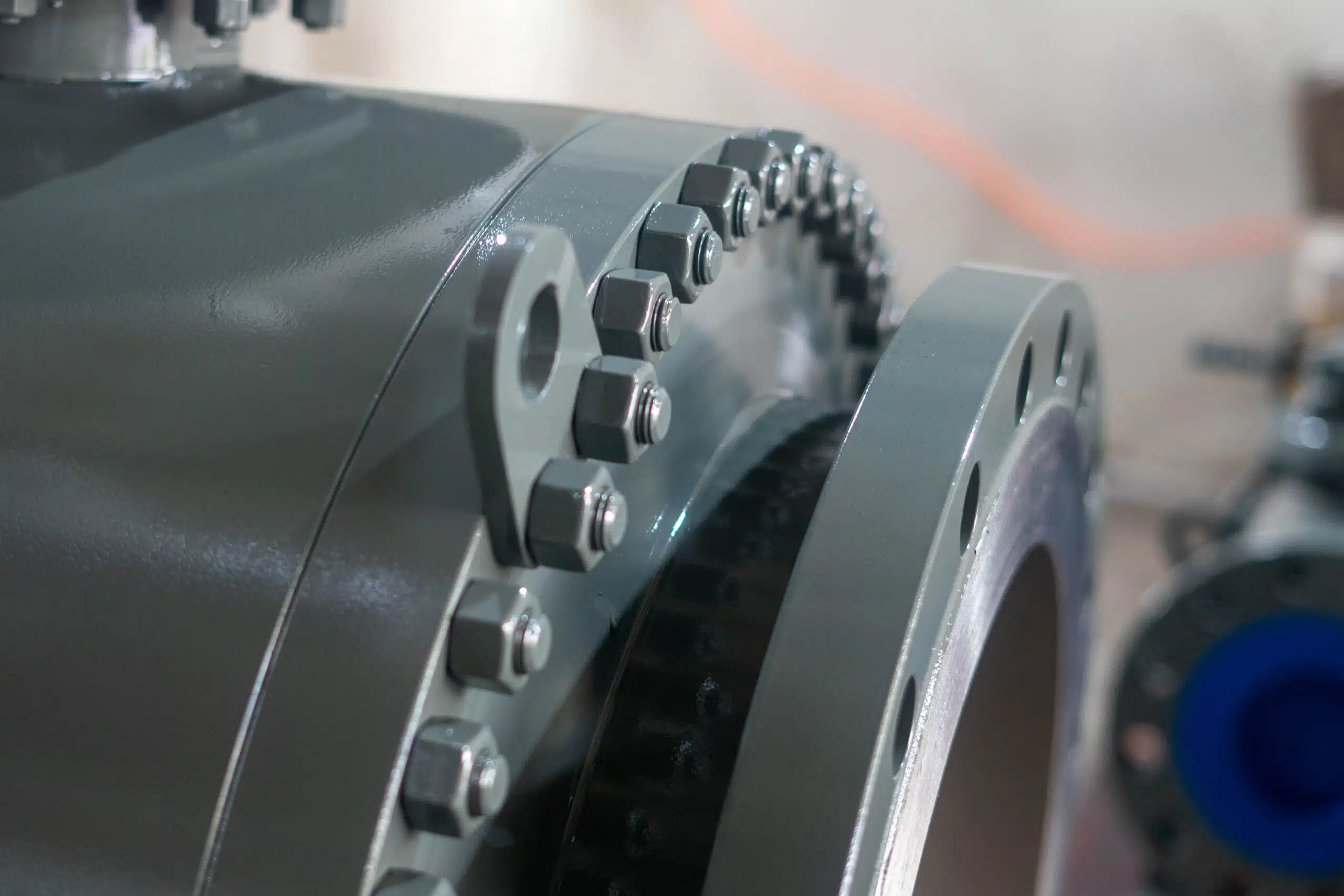
You want your system to not leak, even when things get tough. Flanged ball valves have strong sealing. These valves use special seat designs and careful making. They keep fluids inside the pipes. Many industries use strict rules to test sealing. NTGD flanged ball valves pass these rules, so you know they work well.
| Standard | Description |
|---|---|
| API 598 | Tests for leaks and checks pressure to make sure valves seal tightly. |
| API 607 | Fire testing for quarter-turn valves, showing sealing under fire conditions. |
| ISO 10497 | Similar to API 607, focuses on fire and sealing performance. |
Tip: Always look for these certifications when you pick flanged ball valves for important jobs.
Durability and materials
You need valves that last long and do not break easily. The materials in flanged ball valves matter a lot. NTGD uses stainless steel, cast iron, and brass to make valves that handle high pressure and heat. Each material is good for different things. The table below shows how each material affects how long the valve lasts and how well it fights rust.
| Material | Durability Characteristics | Corrosion Resistance Characteristics |
|---|---|---|
| Stainless Steel | Handles high temperature and pressure; very durable | Superior resistance, great for marine environments |
| Cast Iron | Strong and good for heavy-duty use | Resists water corrosion with protective layers |
| Brass | Tough, works with high pressure and temperature | Best for neutral and noncorrosive fluids |
You can choose the best NTGD flanged ball valves for your system. Pick what you need most—strength, rust resistance, or both.
Versatility
You want valves that work in many places and with many fluids. Flanged ball valves give you this choice. Their strong build and many sizes let you use them in oil and gas, medicine, and water treatment. You can find NTGD flanged ball valves in 2-inch, 3-way, and other types. These valves work with water, gas, chemicals, and more. This wide use is one of the main advantages of flanged ball valves.
Flanged ball valves help you fix many flow control problems. You get strong sealing, long life, and you can use them in many systems. When you pick NTGD, you get all the good things about flanged ball valves for your project.
Applications
Industrial uses
Flanged ball valves are used in many industries. They give strong shutoff and are easy to use. These valves help move oil, gas, or chemicals safely. NTGD flanged ball valves work well under high pressure. They are good for tough jobs. The table below shows how different industries use these valves:
| Industrial Sector | Typical Operating Conditions |
|---|---|
| Pipeline Transportation | Tight shutoff, high flow, and quick use for natural gas, crude oil, and refined products. |
| Wellhead Control | High pressure, stops rust, seals tight, and shuts off in emergencies. |
| Processing Plants | Controls flow in distillation units, heat exchangers, and important equipment. |
| Storage and Transfer | Tight shutoff, handles harsh conditions for oil and gas storage. |
| Offshore Platforms | Turns flow on or off for hydrocarbons during production and drilling. |
NTGD flanged ball valves keep your system safe and working. These valves handle tough fluids and high heat every day.
Commercial and residential
Flanged ball valves are also used in commercial and home plumbing. They make it simple to connect pipes and control water or gas. NTGD has valves for big buildings and homes. The table below shows how these valves work in plumbing:
| Feature/Aspect | Description |
|---|---|
| Design | Flanged ends make connecting in plumbing easy. |
| Materials | Stainless Steel and Carbon Steel, with special alloys for different needs. |
| Applications | Used in fluid and gas systems in many industries, including plumbing. |
| Operation | Can be turned by hand or with electric or air-powered tools for different plumbing jobs. |
You can use these valves for water, heating, and gas lines. NTGD flanged ball valves give steady service in all plumbing jobs.
💡 Tip: Pick the right valve material for your plumbing. This helps stop leaks and rust.
Suitable media
Flanged ball valves work with many fluids and gases. You can use them for water, steam, oil, natural gas, and chemicals. NTGD makes valves that handle both clean and dirty fluids. You get strong sealing and long life, even with harsh fluids. This means flanged ball valves have many uses.
- Water and wastewater
- Steam and hot water
- Oil and petroleum products
- Natural gas and air
- Chemical solutions
You can trust NTGD flanged ball valves for safe and easy flow control in all these cases.
Selection guide
Selection factors
When you choose flanged ball valves, you need to look at several important points. Picking the right valve helps your system work safely and last longer. Here are some key things to check:
- Material selection: Pick stainless steel for harsh or corrosive places. Use PVC for lower pressure jobs.
- Pressure ratings: Make sure the valve can handle the highest pressure in your system.
- Size compatibility: Match the valve size with your pipeline to keep flow steady.
- Connection types: Check that the valve flanges fit your pipes.
NTGD offers many options, so you can find the best fit for your needs.
Sizing and pressure
Getting the right size and pressure rating is very important for flanged ball valves. If you choose the wrong size, you may get leaks or poor flow. The table below shows how different factors affect performance and safety:
| Factor | Impact on Performance and Safety |
|---|---|
| Pressure Rating | Shows the highest pressure the valve can handle. This keeps your system safe. |
| Size | Affects how much fluid can move. Bigger valves may have lower pressure ratings. |
| Surge Pressure | Sudden jumps in pressure need higher-rated valves to avoid damage. |
| Temperature | High heat can lower the valve’s pressure rating. |
Always check the NTGD product data to make sure you pick the right valve for your job.
Compatibility
You want flanged ball valves that work well with your pipes and equipment. Here are some tips to help you:
- Use flanged ball valves for high pressure or high temperature jobs.
- Pick them when you need strong sealing to stop leaks.
- Make sure the valve size matches your pipe to keep flow smooth.
- Check the flow rate and look at the valve’s Cv (flow coefficient) to get the best results.
- Choose NTGD flanged ball valves for places like oil refineries, power plants, or chemical plants.
- Flanged connections help stop leaks, even when there is vibration.
🛠️ Tip: Always check your system’s needs before you buy. The right NTGD flanged ball valves will help your system run safely and smoothly.
Installation of flange ball valve
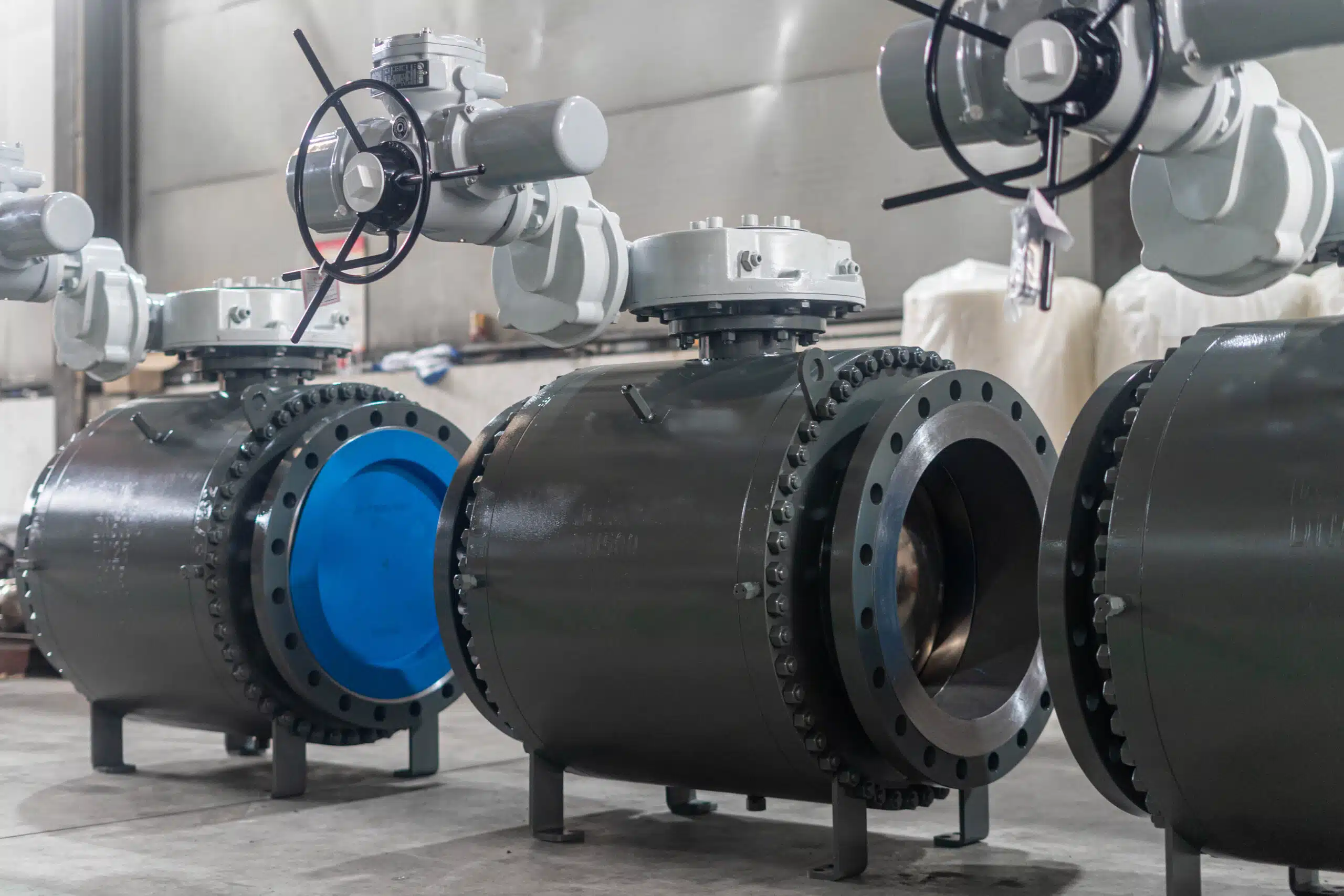
Putting in flanged ball valves the right way keeps your system safe. It also helps the system last longer. You can stop leaks and damage if you follow the right steps. NTGD says you should get ready and pay close attention when you install a flange ball valve.
Preparation
You need to get ready before you start. Good prep makes putting in the flange ball valve safer and easier. Here are some steps you should do:
- Turn off the pipeline and let out any pressure first.
- Drain all the fluid from the pipeline so nothing spills.
- Wear PPE like gloves and safety glasses to stay safe.
- Look at the valve for damage or dirt from shipping.
- Make sure the ball, seals, and stem line up and move well.
- Take off any covers from the valve flanges.
- Clean the valve bore to get rid of dirt or metal bits.
- Check that the pipes are straight and the flange faces match up.
- Hold up the pipeline so it can carry the valve’s weight.
- Clean out the pipeline to get rid of oil or welding bits.
- Open and close the valve a few times to see if it works.
🛠️ Tip: Getting ready the right way helps you avoid trouble and keeps your NTGD flanged ball valves working great.
Installation steps
Follow these steps to put in flanged ball valves the right way:
- Put the valve between the two pipe flanges. Make sure the valve is in the middle and the flanges match up.
- Put the bolts in the flange holes. Tighten the nuts with your hand to hold the valve.
- Check that the valve and pipes are still lined up. The flange faces should be flat and even.
- Tighten the bolts in a crisscross way. This helps the gasket seal and stops leaks.
- Use a torque wrench to tighten the bolts to the right amount.
- Take off any covers or protectors from the valve.
- Hook up any actuators or controls if you need them. Use clean, dry tubing for air connections.
- Slowly open the pipeline valves to let fluid in. Look for leaks around the flanges and valve body.
- Test the valve by opening and closing it a few times. Make sure it moves well and seals tight.
- If you see leaks, tighten the bolts a bit more or check the gasket.
| Best Practice Category | Key Points |
|---|---|
| Proper Installation Practices | Clean pipeline before installation. Follow NTGD instructions. Ensure correct valve orientation. Use clean, dry tubing for pneumatic connections. |
| Commissioning and Initial Testing | Conduct leak testing. Perform operational testing. Integrate with control systems accurately. |
💡 Note: Using these tips for flanged ball valves helps you stop leaks and keeps the valve working for a long time.
Safety tips
Staying safe is very important when you put in a flange ball valve. You can keep yourself and your equipment safe by following these tips:
- Always let out pressure and drain the pipeline before you start.
- Wear PPE, especially if the valve was used with dangerous fluids.
- Use lifting ropes or soft belts on the lifting lug or flange. Do not lift the valve by the handwheel or actuator.
- Keep covers on the valve when lifting to stop dirt from getting in.
- Do not hit the valve against other pipes or joints.
- Clean the pipeline and valve surfaces before welding.
- Have water or fire tools ready in case something goes wrong.
- Do not tighten the bolts too much or you could break the valve or gasket.
- Make sure all workers know what to do in an emergency and how to handle things safely.
| Safety Precaution | Description |
|---|---|
| Proper Handling | Use lifting ropes or soft belts. Avoid the handwheel or actuator. |
| Prevent Contamination | Keep blind covers on during lifting. |
| Avoid Impact | Do not let the valve hit other parts. |
| Clean Welding Joints | Clean all surfaces before welding. |
| PPE and Emergency Prep | Wear PPE. Have fire suppression ready. |
🚨 Tip: Careful handling and safety checks keep you and your NTGD flanged ball valves safe from harm.
If you follow these tips for flanged ball valves, your system will work well and stay safe. NTGD makes every valve easy to put in and use. Good prep, careful steps, and safe habits help every installation go well.
Operation and maintenance
Operation tips
You get the best results from flanged ball valves by following simple steps. Always turn the valve slowly when opening or closing it. This helps stop sudden pressure changes. If your system uses an actuator, make sure it fits the valve’s torque needs. NTGD says you should look at the valve often to check for leaks or rust. Turn the valve open and closed sometimes, even if you do not use it much. This keeps the ball from sticking and helps you find problems early. Change how you protect the valve based on where it is. For example, use covers or coatings if the weather is bad or there are strong chemicals.
Quick tips for optimal operation:
- Open and close valves slowly to keep seals safe.
- Make sure actuators fit the valve size and type.
- Turn valves often so they do not stick.
- Check for leaks and rust many times.
- Use covers or coatings if the area is tough.
Inspection & cleaning
Checking and cleaning flanged ball valves often helps you avoid big repairs. Follow these steps to keep your valves working well:
- Clean inside the valve when you have planned downtime. Use cleaners that work with your system’s fluids. Do not use strong chemicals that can hurt the valve.
- Put oil-based grease on moving parts. Use grease made for ball valves that does not mix with water.
- Look at the seals to see if they are worn out. Change them if needed to stop leaks.
- Make sure the valve and pipes are lined up and tight. This stops stress and damage.
- Use covers and anti-rust coatings if the area is harsh.
Clean more often if your system is in a rough place. Keep a log to write down when you check and fix things. NTGD says you should look at and test the valve often to find problems early.
| Maintenance Task | Frequency | Best Practice |
|---|---|---|
| Visual Inspection | Monthly | Look for leaks and rust |
| Internal Cleaning | Every 6 months | Use safe cleaners |
| Seal Check | Every 6 months | Change if worn |
| Lubrication | As needed | Use the right grease |
Lubrication & replacement
Lubricating and changing parts on time helps flanged ball valves last longer. Follow NTGD’s instructions for the best care. Grease the valve on a schedule that fits your system. Pick grease that works with your system’s heat, pressure, and fluid. Do not use too much grease. Extra grease can trap dirt and cause problems. Check and change seals often, especially in three-piece ball valve types. Clean the valve to get rid of dirt and bits. This keeps the valve moving well and stops it from breaking early.
NTGD’s care for flanged ball valves includes:
- Greasing the valve as the maker says.
- Changing seals in rough or high-pressure systems.
- Cleaning to remove buildup and keep the valve moving.
🛠️ Tip: Always follow NTGD’s care schedule for flanged ball valves. This helps you stop breakdowns and keeps your system safe.
Troubleshooting
Leak issues
Leaks can happen in flanged ball valves while you use them. There are a few main reasons for leaks. The table below shows common causes and fixes:
| Cause | Description |
|---|---|
| Stem leaks | Stem O-rings or seals get old or break. They lose stretch after lots of use or from chemicals. |
| Worn seat or seal | The seal wears out and cannot stop leaks, even when closed. |
| Improper installation | If the valve is not lined up right or bolts are too tight, it may leak. |
You can find leaks by looking at the valve, testing pressure, or listening for strange sounds. If you see a leak, do these steps: First, turn off the system to let out pressure. Next, drain the valve all the way before fixing it. Then, change any broken parts and make sure everything is put in right.
NTGD flanged ball valves are easy to fix because they are strong and simple to take apart.
Stiff operation
Sometimes, the handle on flanged ball valves is hard to turn. This usually means there is dirt or not enough grease. Try these steps to fix it: Put valve grease around the handle. If it is still hard to move, shut off the valve and clean the area. Open the valve and take out any dirt above the seat or on the ball. Check if you can change the seat. If you cannot, you may need a new one.
NTGD says you should take care of your valves often. This keeps them working well and stops bigger problems.
Corrosion & wear
Corrosion and wear can make flanged ball valves break sooner. You should check for these problems a lot. Use safe tests like ultrasonic or X-ray to find cracks or damage. Look at the valve and measure how thick it is to catch problems early. If you see bad corrosion, change the valve right away.
You should also:
- Look for wear or damage, especially near the ball and seals.
- Plan regular checks to find trouble early.
- Change old parts before they break to stop bigger problems.
NTGD flanged ball valves use tough materials to fight rust, but you still need to care for them. If you follow these steps, you can fix common problems fast and keep your system safe.
You now know how flanged ball valves work, their main benefits, and how to care for them. Use the tips in this guide to choose, install, and maintain flanged ball valves in your system.
- Always follow NTGD’s advice for best results.
For complex jobs or high-risk systems, talk to a professional for extra safety.