
High-pressure ball valves help control fluids or gases in factories. These valves keep things safe and efficient in high-pressure areas. They are made to control flow accurately, even in tough conditions. Industries like oil, gas, chemical plants, and power plants use them for hard jobs. Their strong build and steady work make them very important for big tasks.
Key Takeaways
- High-pressure ball valves manage liquids and gases in tough jobs. They help keep things safe and working well.
- These valves are made from strong metals like stainless steel and brass. This makes them last long and resist rust.
- They work quickly. A small quarter-turn opens or shuts the valve fast. This helps in emergencies.
- High-pressure ball valves stop leaks with tight seals and testing. This is important to keep the environment safe.
- Picking the right valve means checking pressure limits, materials, and setup. This ensures it works best.
What Are High-Pressure Ball Valves?
Definition and Purpose
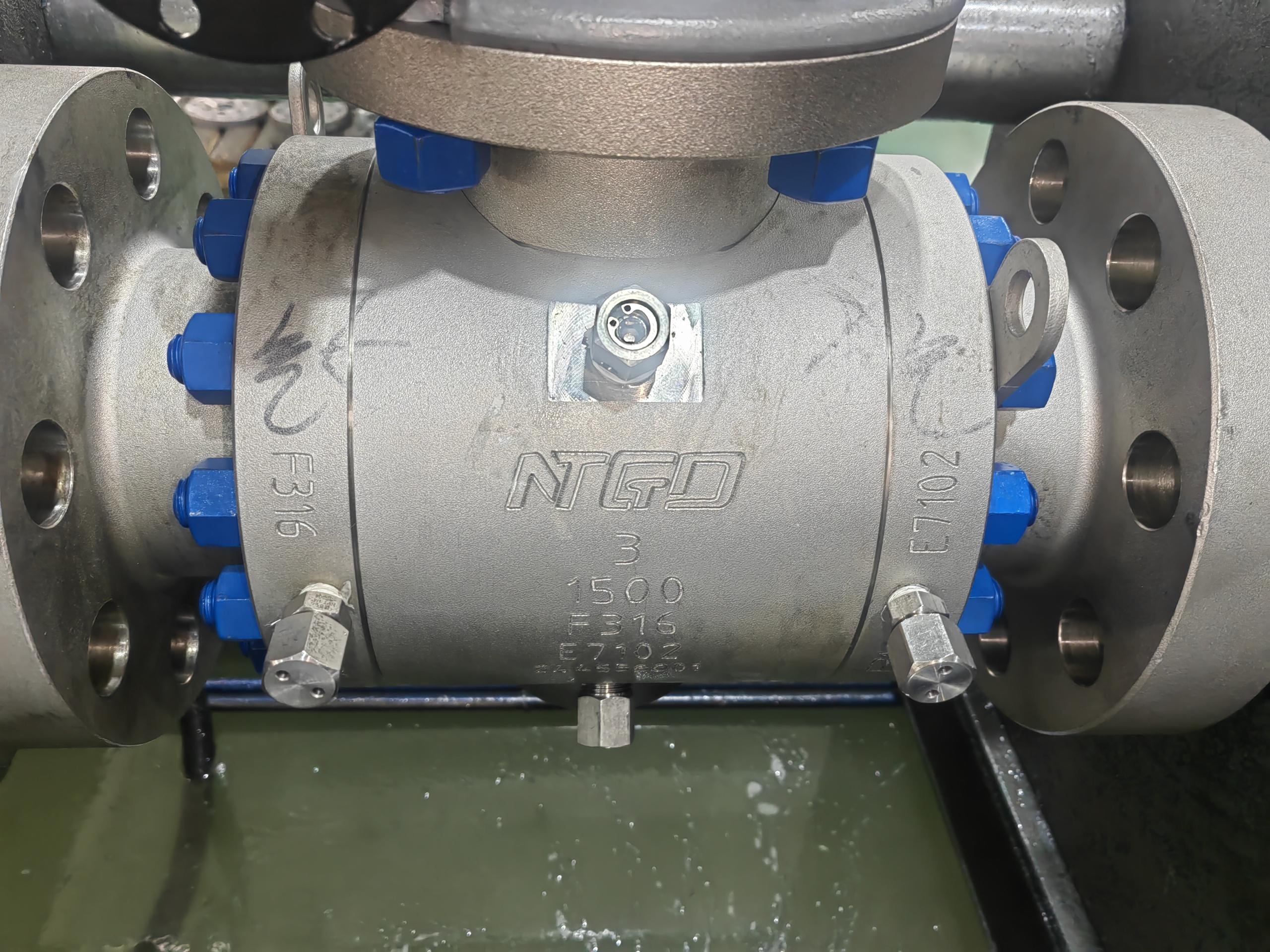
High-pressure ball valves are tools made to control liquids or gases in systems with very high pressure. These valves are used in industries like oil, gas, chemical plants, and power stations where safety and efficiency matter a lot. They can handle pressures up to 500 bar (7,250 psi) and temperatures from -10 to 80 °C (14 to 176 °F). Their design allows fluids to flow freely without slowing down, making them perfect for jobs needing smooth flow. Whether you need to start, stop, or adjust flow, these valves work well in tough conditions.
Key Components
High-pressure ball valves have important parts that make them strong and useful:
- Valve Body: The outer shell, often made of stainless steel or brass, is strong and resists rust.
- Ball: A round piece with a hole in the middle lets fluid pass when lined up with the flow.
- Seats: Made from materials like PEEK, they seal tightly to stop leaks.
- Stem: Links the ball to the handle or actuator, letting you move the valve.
- Handle or Actuator: Lets you open or close the valve quickly, either by hand or automatically.
Using materials like stainless steel for high-pressure jobs or brass for non-rusting fluids makes these valves fit different needs.
How They Work
High-pressure ball valves use a simple system to work. Turning the handle or actuator spins the ball inside. When the ball’s hole lines up with the flow, the valve opens, letting fluid through. Turning the ball 90 degrees closes the valve, stopping the flow. This quick turn makes control easy and precise.
There are different types of ball valves, like 2-way and 3-way designs. A 2-way valve is simple and turns flow on or off. A 3-way valve can mix or change the flow between paths. These features make high-pressure ball valves very useful for managing flow in many systems.
Key Features of High-Pressure Ball Valves
Strong and Long-Lasting
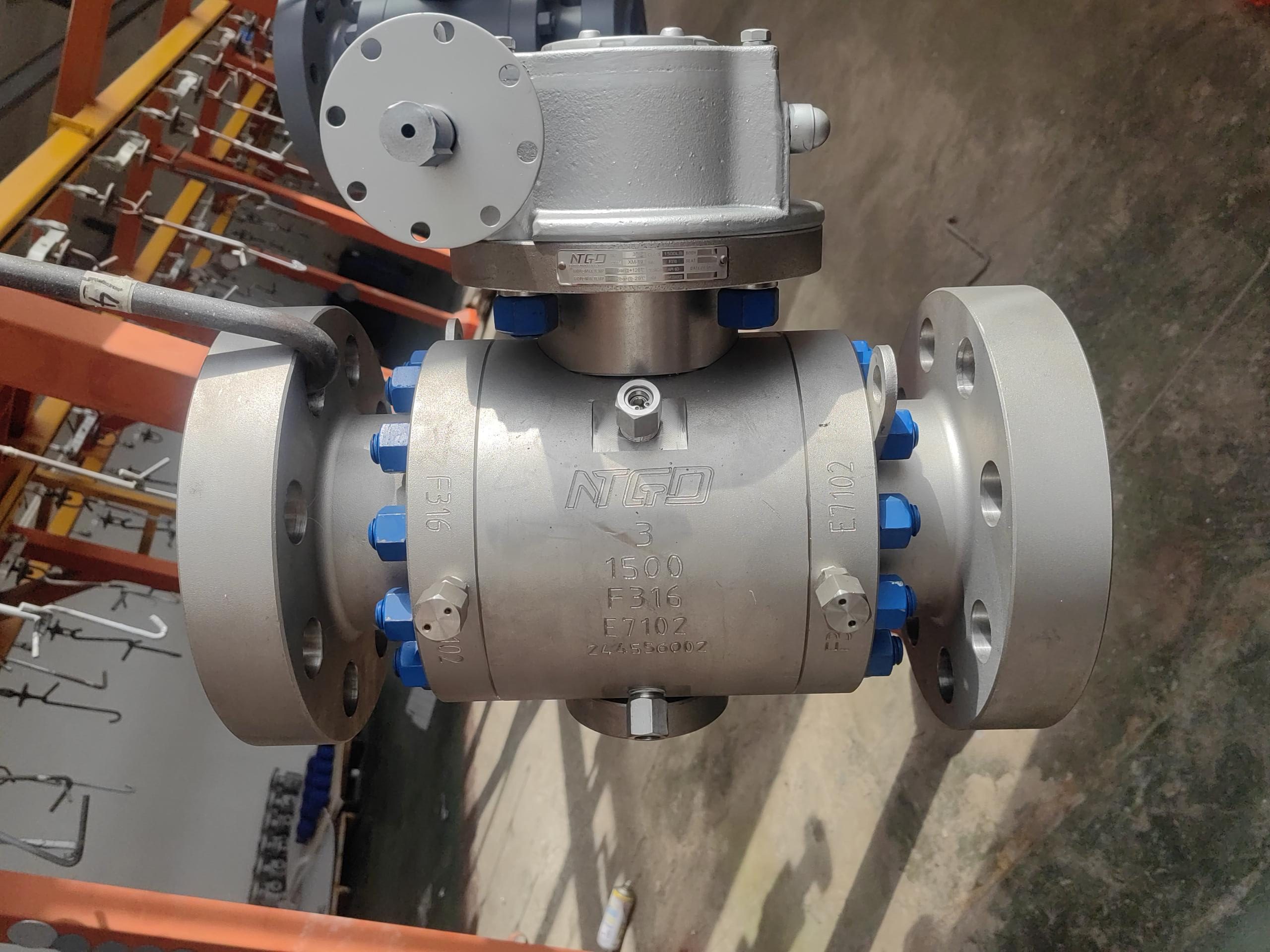
High-pressure ball valves are made to last a long time. Companies like NTGD use tough materials like stainless steel, brass, and special plastics. Stainless steel doesn’t rust, so it works well in chemical plants and oil refineries. Brass is strong and good for fluids that don’t cause rust.
| Key Feature | Description | Uses |
|---|---|---|
| Strength | Made with tough materials like steel or brass. | Great for tough places like oil refineries. |
These strong materials mean the valves work well for years. You won’t need to replace or fix them often.
No Leaks
Stopping leaks is very important for high-pressure ball valves. These valves go through many tests to meet safety rules. Tests check pressure, materials, and seals to make sure they work well.
- Tests follow strict rules to check valve safety.
- Testing finds problems and ensures safe use.
- Special tools check how well the valve seals.
NTGD makes valves with carefully designed seats, often using PEEK material. This keeps the valve sealed tight, even under high pressure. This is very important for oil and gas pipelines, where leaks can be dangerous and harmful to the environment.
Handles High Pressure and Heat
High-pressure ball valves work well in extreme conditions. They can handle pressures up to 20,000 psi (1,379 bar) and temperatures from -10 to 80 °C (14 to 176 °F).
| Specification | Value |
|---|---|
| Max Pressure | Up to 20,000 psi |
| Pressure in Bar | 1,379 bar |
| Seat Material | PEEK |
| Safety Design | Blow-out proof |
These features make them perfect for hydraulic systems and chemical plants. NTGD ensures their valves meet these tough standards, so they work well in hard jobs.
Quick and Easy to Use
High-pressure ball valves are made to work fast and easily. Their simple design lets you use them without much effort. Turning the handle just a quarter-turn opens or closes the valve completely. This needs little force, so it’s easy to operate, even in high-pressure systems.
These valves are great when quick action is needed. For example, in emergencies, they can stop accidents or damage by shutting off quickly. They also control flow instantly, making them perfect for pipelines and systems needing precise adjustments.
- Main Efficiency Benefits:
- Open or close with just a quarter-turn.
- Shut off or open instantly.
- Easy to use with low force needed.
With their speed and ease, high-pressure ball valves help keep systems safe and running well. Their quick action ensures smooth and safe operations.
Flexible Materials
The materials used in high-pressure ball valves make them fit many jobs. Common materials include stainless steel, carbon steel, and alloy steel. Stainless steel doesn’t rust and lasts long, so it’s great for tough places like chemical plants. Carbon steel is strong and affordable, good for high-pressure jobs. Alloy steel is extra strong and works well in hard conditions.
Manufacturers test these materials carefully to ensure they work well. Special tests check for cracks and confirm the valve’s strength. These tests make sure the valves meet strict rules, even in sensitive environments.
Special materials like stainless steel 316L and Hastelloy add more options. Stainless steel 316L works well with different liquids, while Hastelloy resists rust and handles heat. These features make high-pressure ball valves dependable in tough and varied conditions.
Picking the right material ensures your valve works well for your needs. Whether in chemical plants, power stations, or other industries, the right choice makes a big difference.
Applications of High-Pressure Ball Valves in Industrial Systems
Oil and Gas Industry
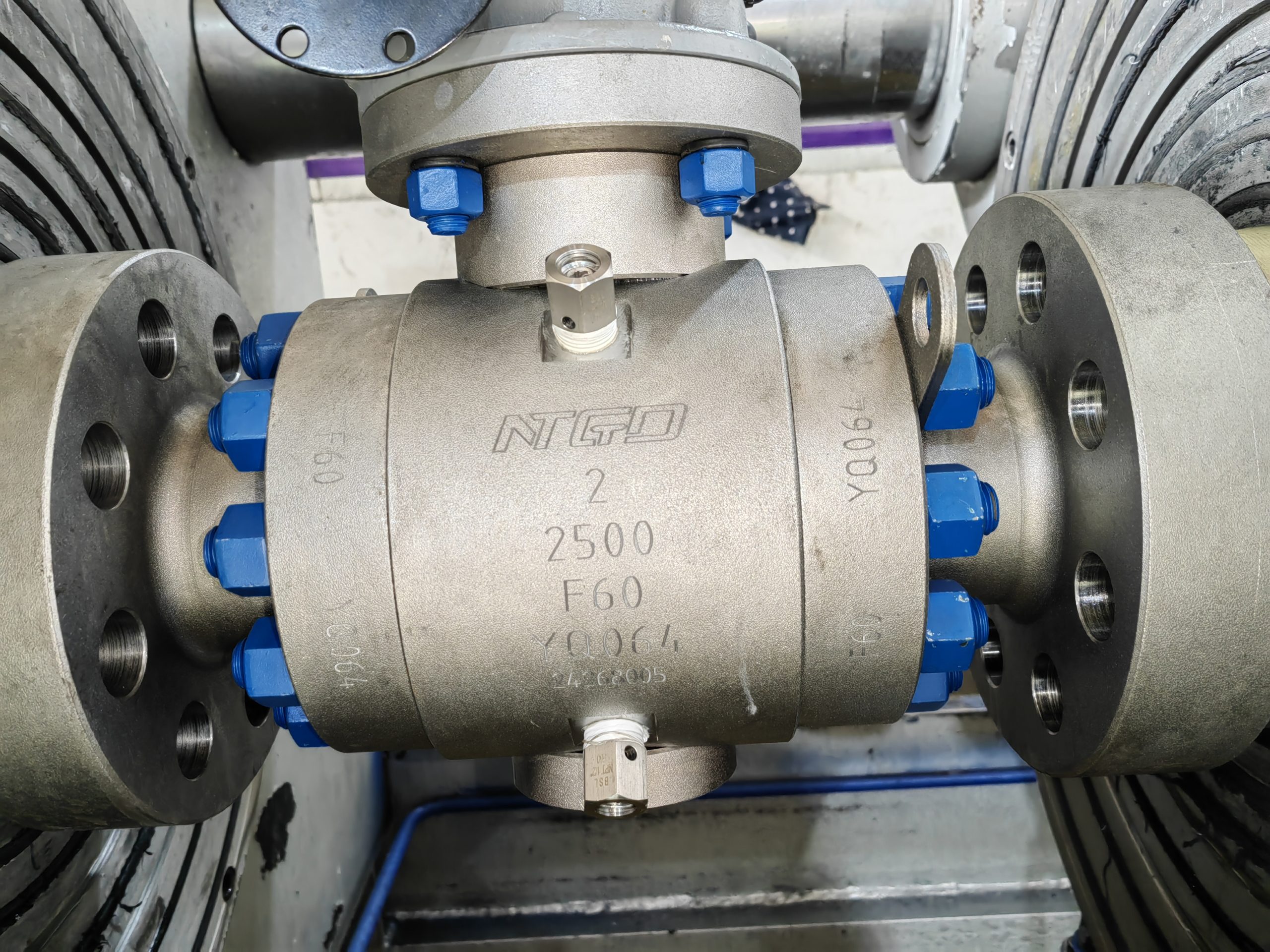
High-pressure ball valves are important in oil and gas work. They are used in pipelines, refineries, and plants to control oil and gas flow. These valves are strong and work well under tough conditions. Their design stops leaks, keeping systems safe and protecting the environment.
Big operations need valves larger than 6 inches to handle heavy flow. For example, gas valves control natural gas in pipelines. They seal tightly and shut off quickly to avoid accidents. As energy projects grow, the need for these valves increases.
| Application Area | Description |
|---|---|
| Large-scale Operations | Big valves manage heavy flow in oil and gas pipelines. |
| Infrastructure Investment | Energy and water projects increase demand for high-pressure valves. |
| Performance Requirements | Built to handle tough conditions with strong and reliable performance. |
Chemical Processing
Chemical plants use high-pressure ball valves to manage tricky fluids. These valves handle harsh chemicals and keep systems safe. Their tight seal prevents leaks, protecting workers and equipment. They also help systems run smoothly, which is very important in this field.
Chemical industries need valves that meet strict safety rules. For example, they control dangerous fluids with precision. Their design reduces leak risks and follows industry standards. This makes them a top choice for chemical factories worldwide.
- Benefits in chemical plants:
- Handles harsh chemicals safely.
- Prevents leaks and keeps systems secure.
- Meets strict safety rules for chemical processes.
Water and Wastewater Systems
High-pressure ball valves are also key in water systems. They are used in city water networks, treatment plants, and industrial setups. These ball valves control water flow for smooth distribution and cleaning.
Medium industries use valves between 1 and 6 inches for many tasks. These valves work well in water treatment and power plants. Large systems need valves over 6 inches to handle big water flows, like in city networks.
| Application Sector | Valve Size Range | Key Insights |
|---|---|---|
| Medium-scale Industries | 1 to 6 inches | Useful for water treatment, chemical plants, and power systems. |
| Large-scale Operations | Above 6 inches | Needed for city water systems and pipelines with heavy flow. |
| Emerging Markets | N/A | Growing cities and industries in Asia, Latin America, and Africa boost demand. |
These valves help water systems stay reliable and efficient, especially in fast-growing areas.
HVAC Systems
High-pressure ball valves are very important in HVAC systems. HVAC stands for Heating, Ventilation, and Air Conditioning. These systems need accurate control of fluid flow to work well. Using these valves helps the system run smoothly and save energy.
One big advantage is energy saving. These valves lower pressure drops and control fluid flow better. This reduces wasted energy. Newer technologies like Pressure Independent Control Valves (PICVs) make them even more efficient. PICVs allow exact flow control and automatic temperature changes. This keeps the system at the right settings without wasting energy.
High-pressure ball valves also help HVAC systems follow strict energy rules. Meeting these rules ensures legal use and supports eco-friendly practices. The table below shows the main features and benefits of these valves in HVAC systems:
| Key Features | Benefits |
|---|---|
| Energy Saving | Improves system efficiency by reducing pressure drops. |
| Advanced Technology | Allows precise flow and temperature control. |
| Rule Compliance | Meets strict energy standards and building codes. |
Adding high-pressure ball valves to your HVAC system improves performance. They help save energy and meet important rules.
Power Generation
In power plants, high-pressure ball valves are very useful. They are used in systems like boiler feedwater, steam pipes, and cooling systems. These valves are strong and handle high pressure, making them perfect for tough jobs in power plants.
As the energy industry moves to cleaner sources, better valves are needed. Modern power plants need valves that are reliable and can handle new challenges. High-pressure ball valves meet these needs with precise control and no leaks, even under high pressure.
These valves also make power systems work better. For example, they control steam and cooling water flow. This helps turbines and other machines work their best. Better control means less energy is wasted, supporting cleaner energy goals.
Choosing high-pressure ball valves for power plants improves reliability and efficiency. They also help support cleaner and greener energy solutions.
Selecting the Right High-Pressure Ball Valve
Pressure and Temperature Ratings
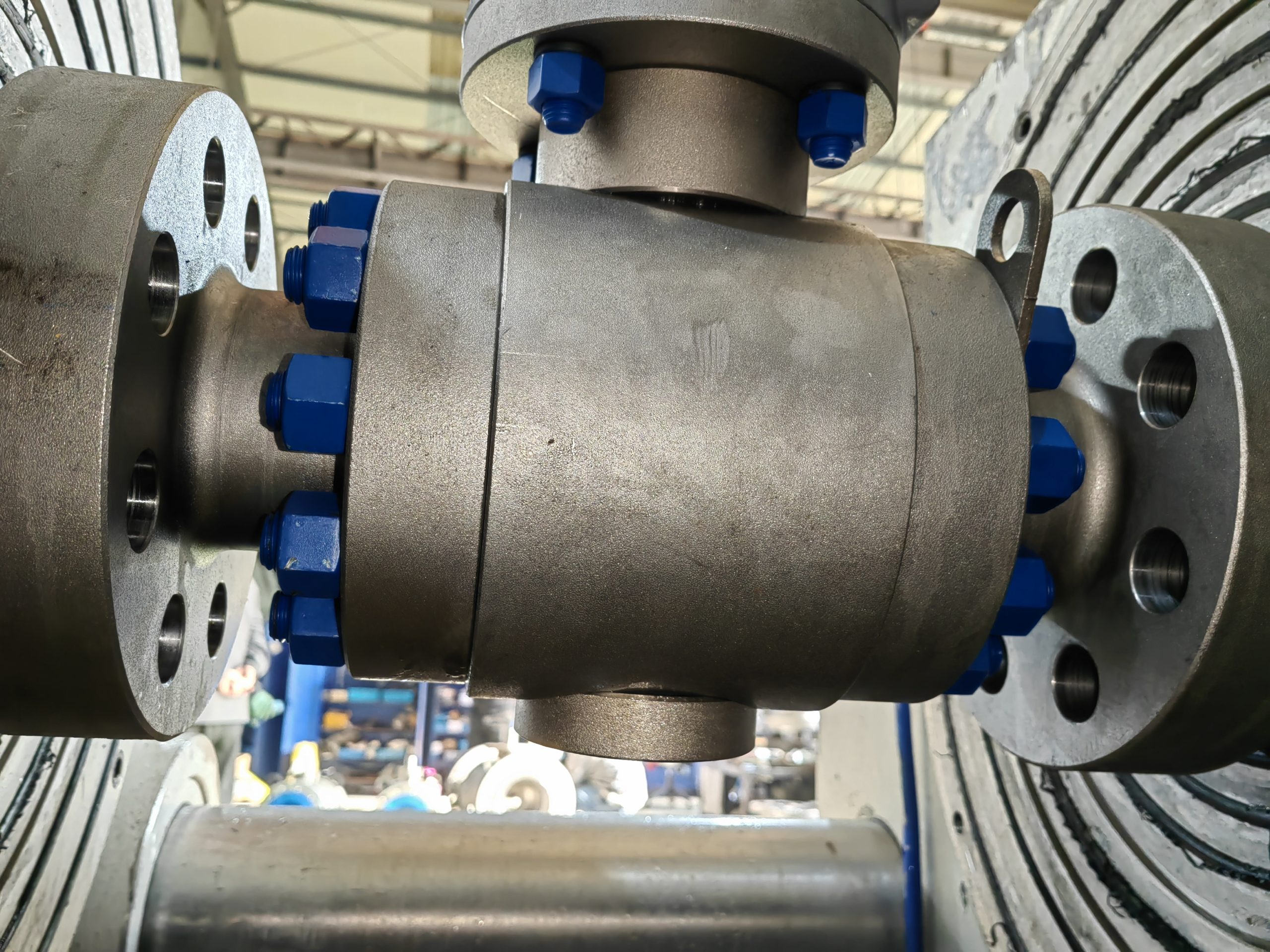
When picking a high-pressure ball valve, check its pressure and temperature limits. These limits show if the valve can handle your system’s needs safely. Valves are grouped by how much pressure and heat they can take.
| Pressure Class | Max Pressure (psi) | Temperature (°F) |
|---|---|---|
| Class 150 | Up to 285 | 100 |
| Class 600 | Up to 1,480 | 100 |
| PN 16 | Up to 232 | 100 |
Always match the valve’s pressure class to your system’s highest pressure. For systems with high flow, full-bore valves are best. They reduce pressure drops, helping your system run smoothly and avoid damage.
Material and Environmental Compatibility
The valve’s material is very important for how well it works. Pick materials that can handle the fluid and the environment. For example:
- Corrosion resistance: Stainless steel or Hastelloy doesn’t rust, so it’s good for harsh places.
- Chemical compatibility: Make sure the valve material won’t react with the fluid, especially in chemical plants.
- Temperature and pressure endurance: Materials like PEEK keep seals tight, even in tough conditions.
Choosing the right material helps the valve last longer and work better in hard environments.
Connection Types and Installation
Installing the valve correctly makes it work well. High-pressure ball valves have different connection types, like threaded ports or compression fittings. For example:
- BSPP threaded ports range from G 1/8 inch to G 2 inch.
- Cutting ring connections range from 6 to 30 mm, based on load class.
Follow these steps to install it securely:
- Clean the pipe with sandpaper.
- Slide the nut and ring onto the pipe.
- Push the pipe into the valve and tighten the nut.
- Test the valve by opening and closing it to check for leaks.
Keep the valve in good shape by cleaning it and checking for wear regularly.
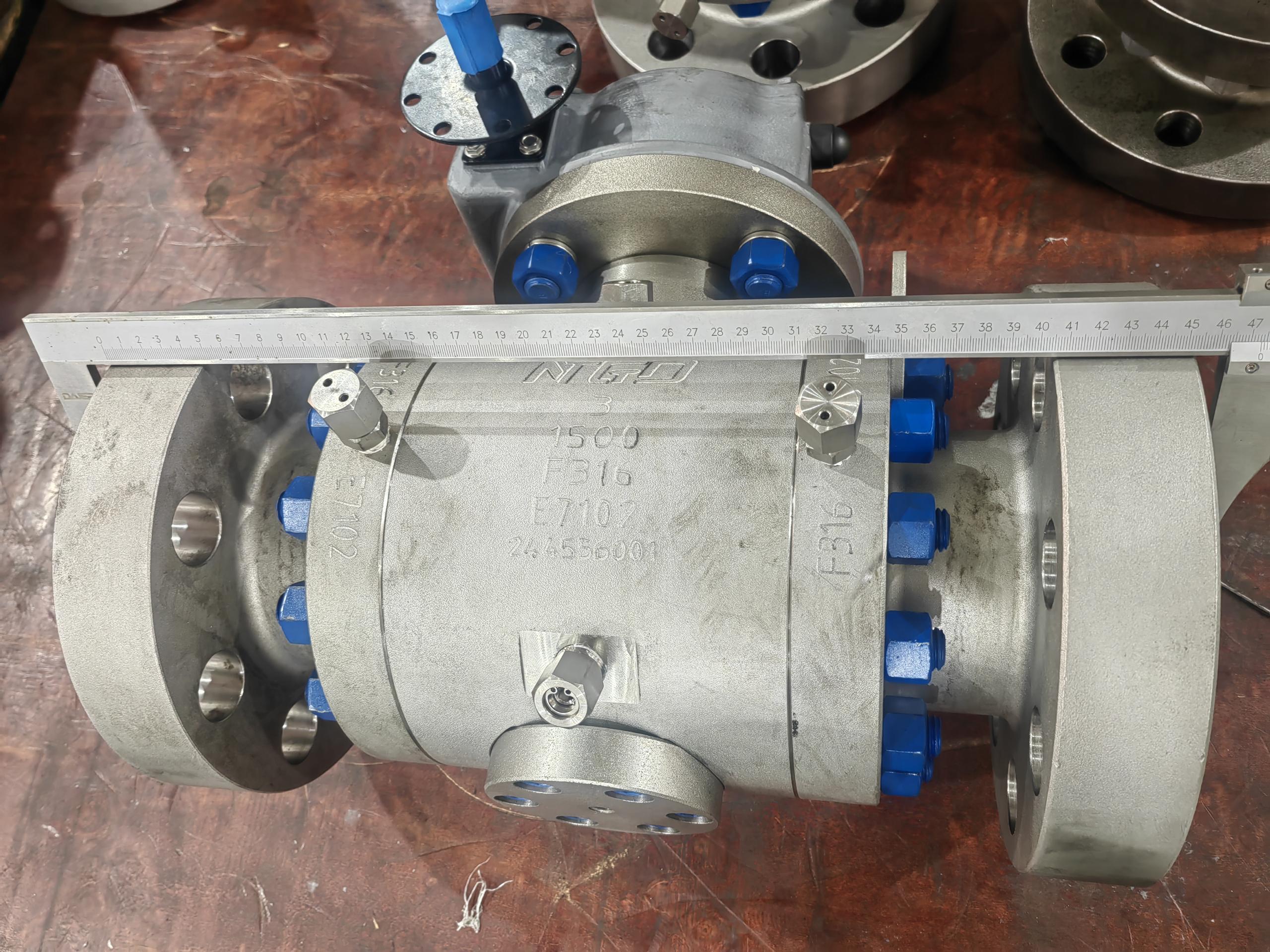
High-Pressure Ball Valves vs. Other Valve Types
Comparison with Gate Valves
High-pressure ball valves and gate valves work differently. Gate valves use a sliding gate to control flow. Ball valves use a rotating ball with a hole for flow. Ball valves are quicker and easier to use. A simple quarter-turn opens or closes them fast. Gate valves need several turns, which takes more time.
Ball valves seal tightly, stopping leaks better than gate valves. This makes them safer for high-pressure systems. Gate valves work well in low-pressure setups but may leak under high pressure. If you need quick action and safety, ball valves are the best choice.
Comparison with Globe Valves
Globe valves and ball valves also have key differences. Globe valves use a disc and seat to control flow. This design allows precise control but causes more resistance. Ball valves have a smooth flow path, reducing pressure drops. This makes ball valves better for steady flow systems.
Ball valves are easier to maintain than globe valves. Globe valves have more parts, making repairs harder. Ball valves have a simpler design, so cleaning and fixing them is easier. For efficiency and low maintenance, ball valves are a better option.
Unique Advantages
High-pressure ball valves have special features that make them stand out. They handle extreme pressure and heat, making them useful in tough industries. For example, trunnion ball valves prevent leaks and work well in oil and gas systems. In water treatment, Farpro Valve’s AWWA valves resist rust and last long.
Ball valves are also very adaptable. Companies like Gemco Valve and ATEC Valve make special designs for hard jobs. These include handling hot, abrasive powders. These qualities make high-pressure ball valves reliable for tough environments.
| Application Area | Evidence |
|---|---|
| Oil and Gas Industry | Trunnion ball valves are preferred for their high-pressure handling and leak prevention. |
| Water Treatment Plant | Farpro Valve’s AWWA standard valves demonstrated excellent corrosion resistance and high-pressure capabilities. |
| Gas Technology Institute | Gemco Valve and ATEC Valve created specialized valves for extreme temperature abrasive powders, showcasing adaptability in demanding conditions. |
High-pressure ball valves are important in many industries. They are strong and accurate, working well under high pressure. These valves are used in medium jobs like chemical plants and water systems. They are also used in big jobs like oil pipelines and city water networks.
| Valve Size | Where They Are Used | Why They Are Needed |
|---|---|---|
| 1 to 6 inches | Medium jobs like factories and water treatment | Useful in many industries for different tasks |
| Above 6 inches | Big jobs like pipelines and city water systems | Needed for big projects and long-lasting use |
| N/A | Special sizes for unique needs | New technology and better designs make them useful |
Picking the right valve keeps systems safe and working well. These valves are a must-have for tough jobs.
