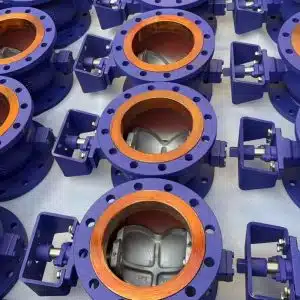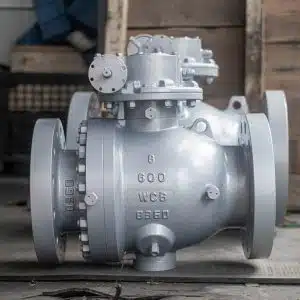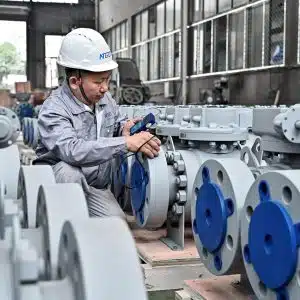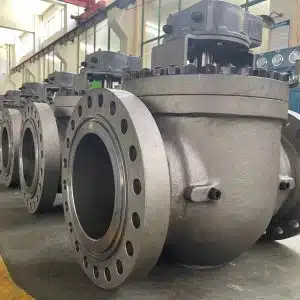
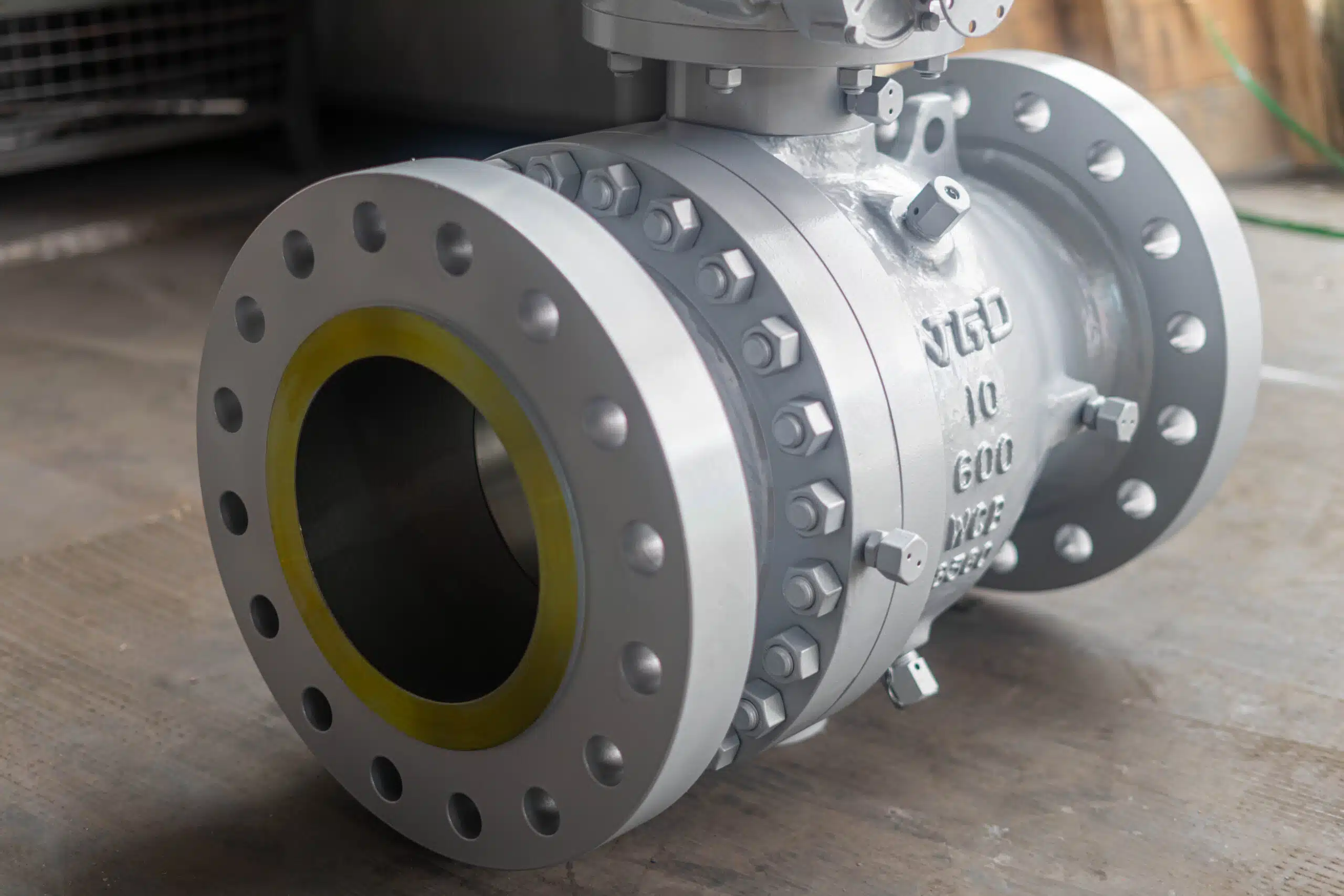
A complete guide to full bore ball valves lets you control flow easily. It does not make the pipe smaller inside. A regular ball valve is different. The full bore type keeps the hole as big as the pipe. This means there is very little pressure drop. The flow is almost like a straight pipe. This design helps systems work well and run smoothly. Full bore ball valves are great for high efficiency. Some people think all ball valves are the same, but only full bore ball valves give the best results for tough jobs. This complete guide shows why picking the right valve is important.
Key Takeaways
- Full bore ball valves have the same width as the pipe. This lets a lot of liquid move through. There is very little pressure lost.
- These valves work well with thick or sticky fluids. They help stop clogs and keep things running smoothly.
- Picking the right material for your full bore ball valve is very important. It helps the valve last longer and work well in different jobs.
- You need to check and clean full bore ball valves often. This keeps them working well and stops expensive fixes.
- Full bore ball valves can be used in many places. They are used in oil and gas, water cleaning, and chemical jobs.
Complete Guide Overview
What Is a Full Bore Ball Valve
You might ask what makes a full bore ball valve different. This valve has an inside width that matches the pipe. The flow stays wide and straight, so you do not lose much flow or pressure. Reduced bore ball valves have a smaller opening inside. A full bore ball valve keeps the channel the same size as the pipe. This means there is almost no limit to the flow. You can move a lot of fluid fast and easily.
A full bore ball valve is good for systems that need high flow and low pressure drop. These valves are used in oil and gas, water treatment, and chemical plants. This guide explains all the main things you should know about these valves.
Tip: If your system moves thick or sticky fluids, a full bore ball valve helps stop clogs and keeps things working well.
| Main Topics Covered in Full Bore Ball Valves | Description |
|---|---|
| Types of Ball Valves | Shows different types, including full bore and what makes them special. |
| Working Principles | Tells how full bore ball valves work. |
| Applications | Explains where and how full bore ball valves are used. |
| Characteristics and Advantages | Gives details about the good things full bore ball valves offer. |
Key Features
A full bore ball valve has many features that make it a top pick for high-flow jobs. Here are the main features you should know:
- High Flow Capacity: The wide, straight design lets lots of fluid move with little push needed.
- Reduced Clogging: The smooth, open path helps stop blockages. This is helpful if you use slurries or fluids with bits in them.
- Enhanced Durability: Many full bore ball valves are made from strong materials that do not wear out or rust fast. This means you do not have to fix or replace them often.
- Versatility: You can use these valves in many places. They work with many temperatures and pressures.
If you want a valve that keeps your system working well and lasts long, a full bore ball valve is a good pick. You get strong results, long use, and easy use.
How a Full Bore Ball Valve Works
Understanding how a full bore ball valve works helps you make the best choice for your system. This section of the complete guide explains the main parts and how they work together to give you reliable flow control.
Main Components
A full bore ball valve uses several key parts to deliver smooth and efficient operation. Each part plays a special role in keeping the valve strong and easy to use.
- Body: This is the main shell that holds all the parts together. The body protects the inside from damage and keeps the valve safe from leaks.
- Ball: The ball sits inside the valve body. It has a hole through the middle that matches the size of the pipe. When you turn the handle, the ball rotates to open or close the flow.
- Seats: These rings hold the ball in place and make a tight seal. They stop leaks and help the valve last longer.
- Stem: The stem connects the handle to the ball. When you turn the handle, the stem turns the ball.
- Handle or Actuator: You use the handle to open or close the valve. Some systems use an actuator for automatic control.
- Seals and Packing: These parts stop fluid from leaking around the stem and other joints.
You can find full bore ball valves made from different materials. Each material offers special benefits for certain jobs. Here is a table to help you choose the right one:
| Material | Advantages |
|---|---|
| Brass | Strength, durability, antimicrobial properties, good resistance to chemicals and corrosion. |
| Stainless Steel | Excellent corrosion resistance, maintains strength under high temperatures and pressures. |
| PVC | Durable, affordable, resistant to corrosion and most acids, suitable for plumbing and irrigation. |
| CPVC | Enhanced temperature resistance, suitable for higher temperature applications than standard PVC. |
Note: Choosing the right material helps your ball valve last longer and work better in your system.
Operation
A full bore ball valve works in a simple but powerful way. When you turn the handle, the ball inside rotates. If the hole in the ball lines up with the pipe, fluid flows straight through. If you turn the handle a quarter turn, the ball blocks the flow. This quick action lets you start or stop flow fast.
The design of a full bore ball valve gives you several important benefits:
- The hole in the ball matches the pipe size. This means you get no extra flow restriction.
- The path through the valve stays smooth and open. You keep the same speed and pressure as in the rest of the pipe.
- You see less pressure drop. Your pumps do not have to work as hard, so you save energy.
- The valve does not have dead spaces. This helps prevent contamination and keeps your product clean.
Here is a table that shows how these features help your system:
| Feature | Benefit |
|---|---|
| Matched bore diameter | Eliminates flow restrictions and minimizes turbulence |
| Unobstructed flow path | Maintains media’s velocity and pressure characteristics |
| Reduced pressure drops | Ensures efficient flow control and lowers energy requirements for pumping |
| Prevention of dead spaces | Reduces contamination risk and ensures product quality |
💡 Tip: You can use a full bore ball valve in systems that need fast, full flow with little risk of clogging or pressure loss.
A full bore ball valve gives you strong, reliable control. You get the best results when you need high flow and low pressure drop. This makes it a top choice for many industries and a key part of any complete guide to flow control.
Full Bore vs. Standard Ball Valve
Flow and Pressure Drop
When you compare a full bore ball valve to a standard ball valve, you notice a big difference in how fluid moves through your system. A full bore ball valve has an opening that matches the pipe size. This design allows for uninterrupted flow, so you get almost no resistance. The flow rate stays high, and the pressure drop is very low. In contrast, a standard ball valve, also called a reduced bore valve, has a smaller opening. This creates more resistance and a bigger pressure drop.
You can see the difference in flow rates by looking at the flow coefficient (Cv) values. The table below shows how much more fluid can pass through a full bore ball valve compared to a reduced bore valve of the same size:
| Valve Type | Valve Size (inches) | Flow Coefficient (Cv) |
|---|---|---|
| Full Bore | 4 | 2300 |
| Reduced Bore | 4 | 770 |
| Full Bore | 6 | 5400 |
| Reduced Bore | 6 | 1800 |
| Full Bore | 8 | 10000 |
| Reduced Bore | 8 | 2500 |
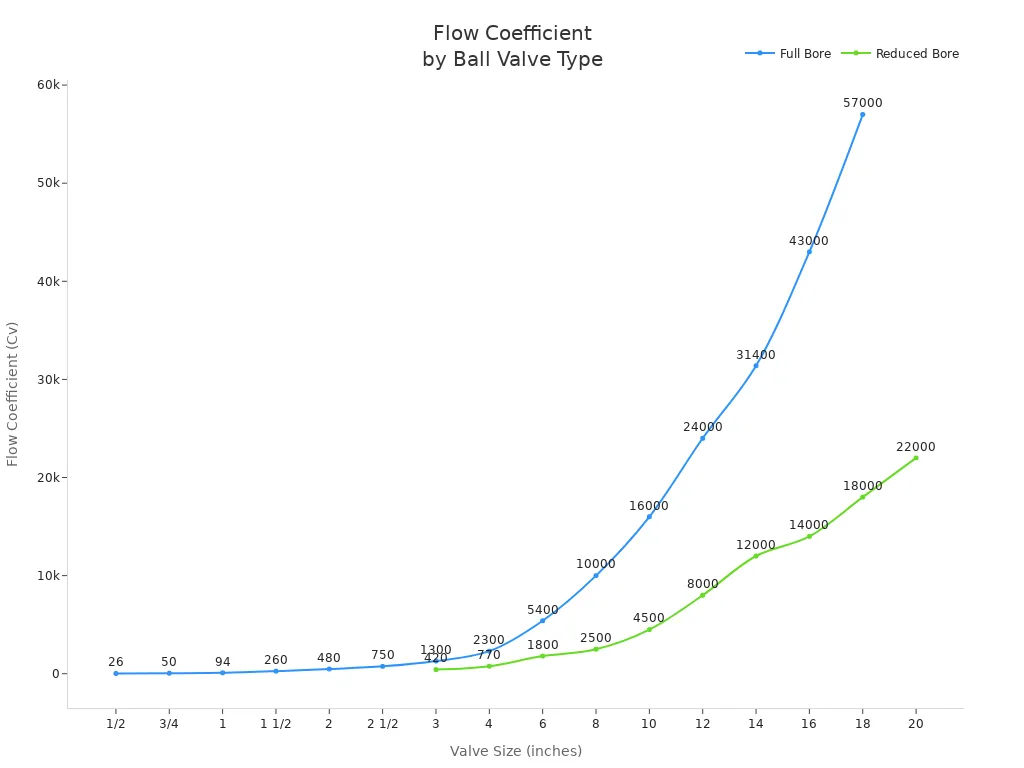
A full bore ball valve acts almost like a straight pipe. You get low flow resistance and minimal pressure drop. Standard ball valves restrict the flow, which means your pumps must work harder to keep up.
Note: Full port valves have lower pressure loss. Reduced port valves can cause two to four times more pressure loss, leading to higher energy use and bigger pumps.
Efficiency
You want your system to run efficiently. A full bore ball valve helps you do that. Lower pressure drop means your pumps use less energy. You save money on power, and your equipment lasts longer because it does not have to work as hard.
Here is a quick comparison:
| Feature | Full Bore Ball Valves | Standard Bore Ball Valves |
|---|---|---|
| Flow Resistance | Almost no resistance | Higher resistance |
| Flow Path Size | Same as pipe connections | Smaller than pipe connections |
| Pressure Drop | Reduced | Increased |
| Turbulence | Minimized | Higher |
With a full bore ball valve, you get better flow, less turbulence, and lower energy costs. This complete guide shows that choosing the right ball valve can make your system more reliable and cost-effective.
Applications of Full Bore Ball Valve
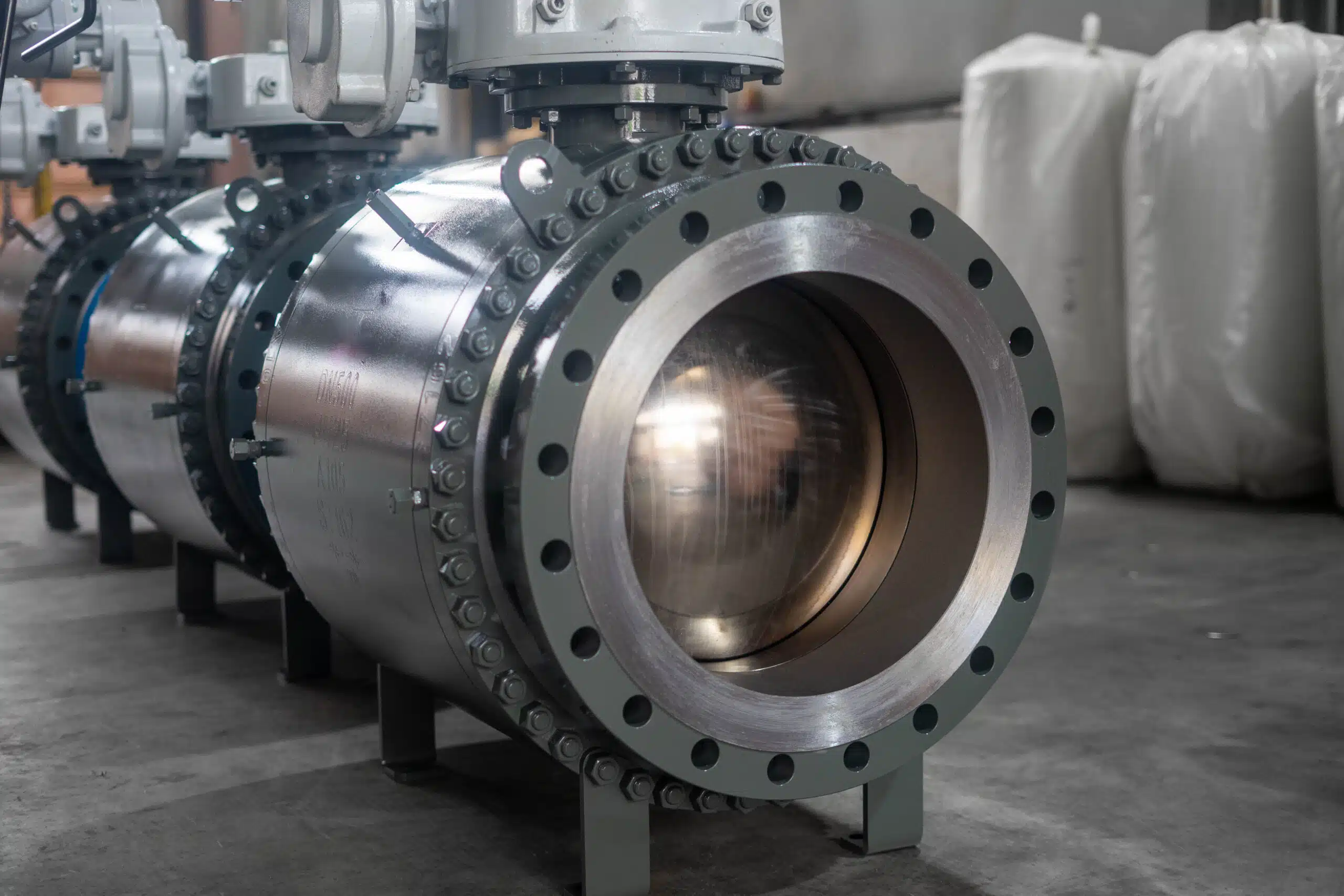
Full bore ball valves are used in many industries. They work best where you need steady flow and little upkeep. These valves also give a tight shutoff when needed. Here are some common uses and why this valve is special.
Oil and Gas
Full bore ball valves are important in oil and gas work. They handle hard jobs and keep things safe. You can use them for:
- Shutting off wellheads during drilling and production.
- Controlling flow in subsea systems with high pressure.
- Tracking oil and gas as it moves from wells.
- Managing flow and pressure in pipelines.
- Handling natural gas during cleaning and drying.
- Moving crude oil and finished products in refineries.
- Controlling chemicals in petrochemical plants.
- Regulating flow in storage and delivery systems.
People pick this valve because it keeps flow steady and needs little care, even in tough places.
Water Treatment
Water treatment plants need valves that keep things clean and running well. Full bore ball valves have many good points:
| Benefit | Description |
|---|---|
| Unrestricted Flow | The hole is as big as the pipe, so flow is strong and energy use is low. |
| Pipeline Pigging Compatibility | You can send cleaning tools through without getting stuck. |
| Reduced Turbulence | Less narrowing means less wear, which is good for rough fluids. |
These valves are easy to clean and do not need much fixing, so your system lasts longer.
Chemical Processing
Chemical plants must be safe and work well. Full bore ball valves help with both. You use them for:
- Making sure there are no leaks.
- Keeping pressure drop low for better work.
- Shutting down fast in emergencies with dangerous materials.
These valves need little care and help you feel safe when working with chemicals.
HVAC
Heating, ventilation, and air conditioning systems need good flow control. Full bore ball valves help you:
- Control flow well to save energy.
- Keep pressure drops small for better work.
- Change flow to fit heating or cooling needs.
- Lower stress on pipes and stop water hammer.
- Reduce wear on pipes and parts so systems last longer.
You get easy care and steady work, so these valves are a smart pick for HVAC.
Tip: This guide shows that picking the right ball valve helps your system work better and have fewer problems.
Selecting a Full Port Ball Valve
Picking the right ball valve is very important. You need to choose one that fits your system. This helps keep things safe and working well for a long time. This guide shows you four things to think about: material, size, pressure and temperature, and connection types.
Material
You should pick a material that works for your job. The table below lists some common materials and what they are good for:
| Material | Key Characteristics |
|---|---|
| Stainless Steel | Does not rust, lasts long, works in many places |
| Brass | Not expensive, easy to make, good for most uses |
| PVC | Light, does not rust, used for water and chemicals |
| Carbon Steel | Strong, lasts long, good for high heat and pressure |
NTGD has full bore ball valves in all these materials. They are made well, seal tight, and last a long time. NTGD valves work in oil and gas, water cleaning, and chemical plants.
Tip: Always check what will flow through the ball valve. Some chemicals need special materials so the valve does not get damaged.
Size
The size of the valve changes how much can flow. You want a full port ball valve that is the same size as your pipe. This lets the most fluid move through and stops slowdowns. You get steady flow and less pressure drop. Standard port valves can slow things down and use more energy.
- Full port ball valves are the same size as the pipe for best flow.
- You get almost no slowdowns, great for systems that need lots of flow.
- Standard port valves make more resistance and higher pressure loss.
Pressure & Temperature
Always check the pressure and temperature before buying. You need a ball valve that can handle your system’s needs. The tables below show normal ratings:
| Specification | Value |
|---|---|
| Max. Temperature | 400°F |
| Max. Pressure | 246 PSI |
| Valve Class | Max Pressure (psi) | Temperature (°F) |
|---|---|---|
| Class 150 | 285 | 100 |
| Class 600 | 1,480 | N/A |
| PN 16 | 232 | N/A |
Make sure these numbers match your pipeline. NTGD valves follow strict rules for tough jobs.
Connection Types
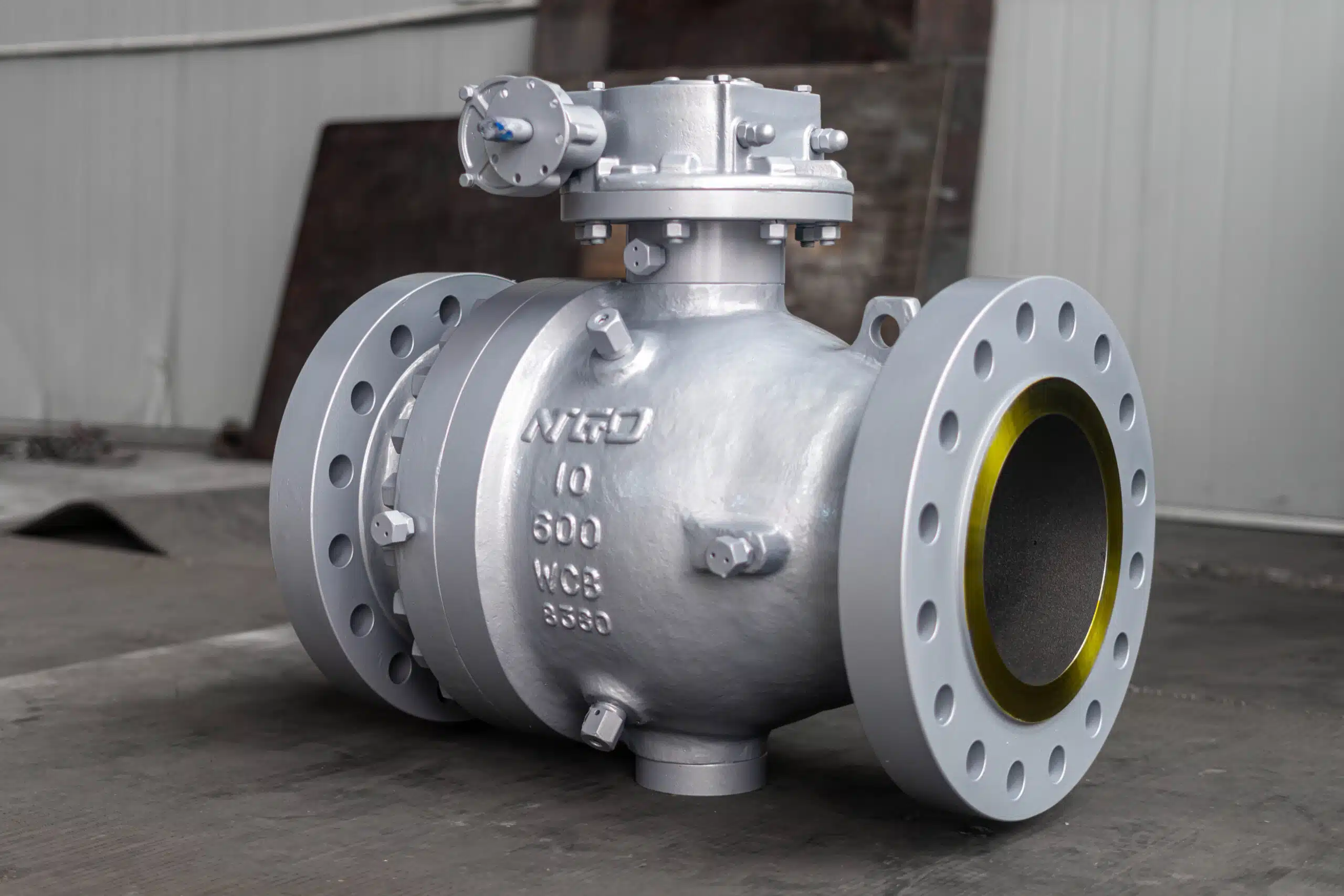
How you connect the valve matters for safety and setup. For high pressure, you need strong bodies and good seals. Trunnion mounted ball valves hold the ball at both ends. This gives a tight seal and makes it easy to use. NTGD has strong connection choices for oil and gas pipes and other hard jobs.
Note: Always think about how you will use the ball valve, how you will open it, and how to take care of it. Ask about safety papers and how many times you can use it each year.
You get the best results when the valve fits your system. NTGD full bore ball valves are strong, safe, and work in many places.
Installation & Maintenance
Pre-Installation
Before you install a full bore ball valve, you need to check a few things to make sure your system works well.
- Make sure the valve is in the open position. This step helps keep debris out of the valve during setup.
- Check that the valve matches your pipe size and material.
- Inspect the valve for any damage or dirt.
- Confirm that you have all the right tools and safety gear.
Tip: Careful pre-installation checks help prevent leaks and make the job easier.
Installation Steps
Follow these installation tips to get a leak-free connection:
- Inspect threads on both the pipe and the valve. Clean them if you see any dirt or damage.
- Apply Teflon tape or a suitable sealant to the male pipe threads.
- Start threading the valve onto the pipe by hand. This helps you line it up correctly.
- Tighten the valve with your hand or an adjustable wrench. Do not over-tighten.
- For glued sleeve connections, use PVC primer and cement. Hold the joint together and let it cure.
- If you use a flanged ball valve, clean the flanges, line up the valve, bolt it in place, and tighten the bolts in a crisscross pattern.
- Attach output lines and test the valve for leaks. Open and close the valve to check operation.
Maintenance Tips
Good ball valve maintenance keeps your full port ball valve working for years.
- Inspect the valve often for leaks, corrosion, or damage.
- Exercise the valve by opening and closing it to prevent it from sticking.
- Clean the valve and pipes to remove dirt and buildup.
- Lubricate moving parts to reduce friction.
- Test the seals to make sure they are tight.
- Train your team on proper care and safe use.
- Replace worn parts quickly to avoid bigger problems.
Regular maintenance and troubleshooting help you avoid costly repairs and downtime.
Troubleshooting
If you have problems with your full bore ball valve, use this table to find quick solutions:
| Problem Description | Solution Description |
|---|---|
| Unable to Shut Off the Ball Valve | Clean inside, check seals, replace worn parts. |
| Partially Closing Ball Valve | Clean valve, check ball and stem, replace damaged parts. |
| Stuck Ball Valve | Clean ball and seats, lubricate, replace if badly damaged. |
| Leakage in Ball Valves | Check and replace seals, gaskets, or valve seats. |
| Sediment and Dirt Buildup | Clean valve and pipes often to remove debris. |
| Worn-out O-Ring | Check and replace O-rings with the right size and material. |
A complete guide to installation and care helps you get the best from your full bore ball valve. With the right steps, you keep your system safe, efficient, and long-lasting.
When to Use a Full Bore Ball Valve
Ideal Scenarios
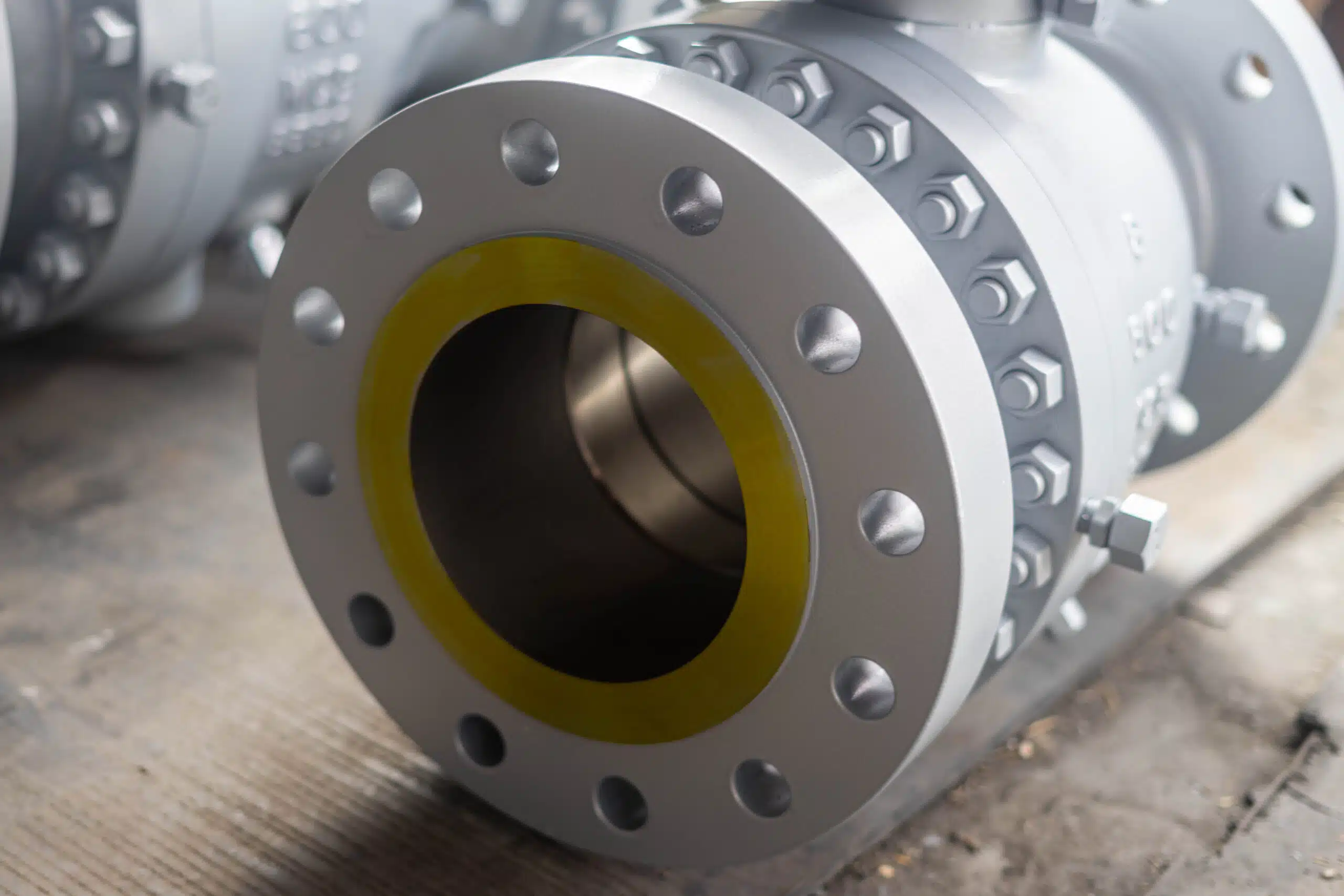
Pick a full bore ball valve when you need the best flow. Many industries use this valve because it keeps the flow path wide. This design lets fluids move fast with little push needed. Here are some times when this valve is the best choice:
- Gas pipelines need fast flow and low pressure loss.
- Water systems need steady and strong flow.
- Processing plants want a clear path for smooth work.
- Systems using pipeline cleaning tools, called “pigs,” need no narrowing.
- Jobs needing full flow or tight shutoff do well with this valve.
You get the most from this valve when you want no slowdowns. It helps your system run smooth. The complete guide says this valve is key when you must keep the same pipe size all the way.
Tip: If your process cannot risk clogs or pressure loss, this valve helps you feel safe.
Limitations
A full bore ball valve has many good points, but you should know its limits too. Some jobs may not fit this valve because of its size, price, or special design. The table below shows the main limits:
| Limitation | Explanation |
|---|---|
| Increased Size and Weight | This valve is bigger and heavier, so it can be hard to put in small spaces. |
| Higher Cost | The design and materials cost more, so it may cost more money. |
| Potential for Fluid Trapping | Fluid can get stuck inside the valve, which may cause problems if it freezes. |
Think about these things before you choose. Most of the time, the good things about a full bore ball valve are more important than the bad, especially when you need strong, steady flow control.
You gain many benefits when you choose a full bore ball valve for your system. The table below highlights key advantages:
| Advantage | Why It Matters |
|---|---|
| Minimal Pressure Loss | Keeps flow steady and strong |
| Higher Flow Rate | Moves more fluid with less effort |
| Long-term Cost Savings | Reduces repairs and downtime |
You should always select, install, and maintain your ball valve with care. Regular checks and proper setup help prevent leaks and keep your system safe. For special needs, talk to experts who can guide you. This complete guide helps you make the best choice for your project.