
Globe valve trim refers to the internal functional parts of a globe valve that directly influence shutoff, throttling, wear resistance and service compatibility. In most industrial selection discussions, globe valve trim usually includes the disc or plug, seat or seating surface, stem, backseat and other fluid-contact functional surfaces that affect how the valve closes or regulates flow.
For a standards-based definition boundary, Valve Magazine cites the MSS SP-96 valve trim definition, which describes trim as functional parts exposed to line fluid, usually including the stem, closure member and seating surfaces.
This guide explains how those trim parts should be reviewed when selecting a globe valve for a specific fluid, temperature, pressure, corrosion risk, erosion risk and shutoff requirement.
In simple terms, the valve body contains pressure. The trim controls how the valve performs.
This distinction matters because two globe valves may have the same body material, pressure class and end connection, but behave differently in service because the trim materials and trim geometry are different. A globe valve used for clean water, saturated steam, mildly corrosive liquid, abrasive media or high-pressure-drop throttling may require different disc, seat and stem choices.
What Is Globe Valve Trim?
Quick Definition for Industrial Valve Selection
Globe valve trim refers to the internal functional parts of a globe valve that directly influence shutoff, throttling, wear resistance and service compatibility. In most industrial selection discussions, globe valve trim usually includes the disc or plug, seat or seating surface, stem, backseat and other fluid-contact functional surfaces that affect how the valve closes or regulates flow.
This guide explains how those trim parts should be reviewed when selecting a globe valve for a specific fluid, temperature, pressure, corrosion risk, erosion risk and shutoff requirement.
In simple terms, the valve body contains pressure. The trim controls how the valve performs.
This distinction matters because two globe valves may have the same body material, pressure class and end connection, but behave differently in service because the trim materials and trim geometry are different. A globe valve used for clean water, saturated steam, mildly corrosive liquid, abrasive media or high-pressure-drop throttling may require different disc, seat and stem choices.
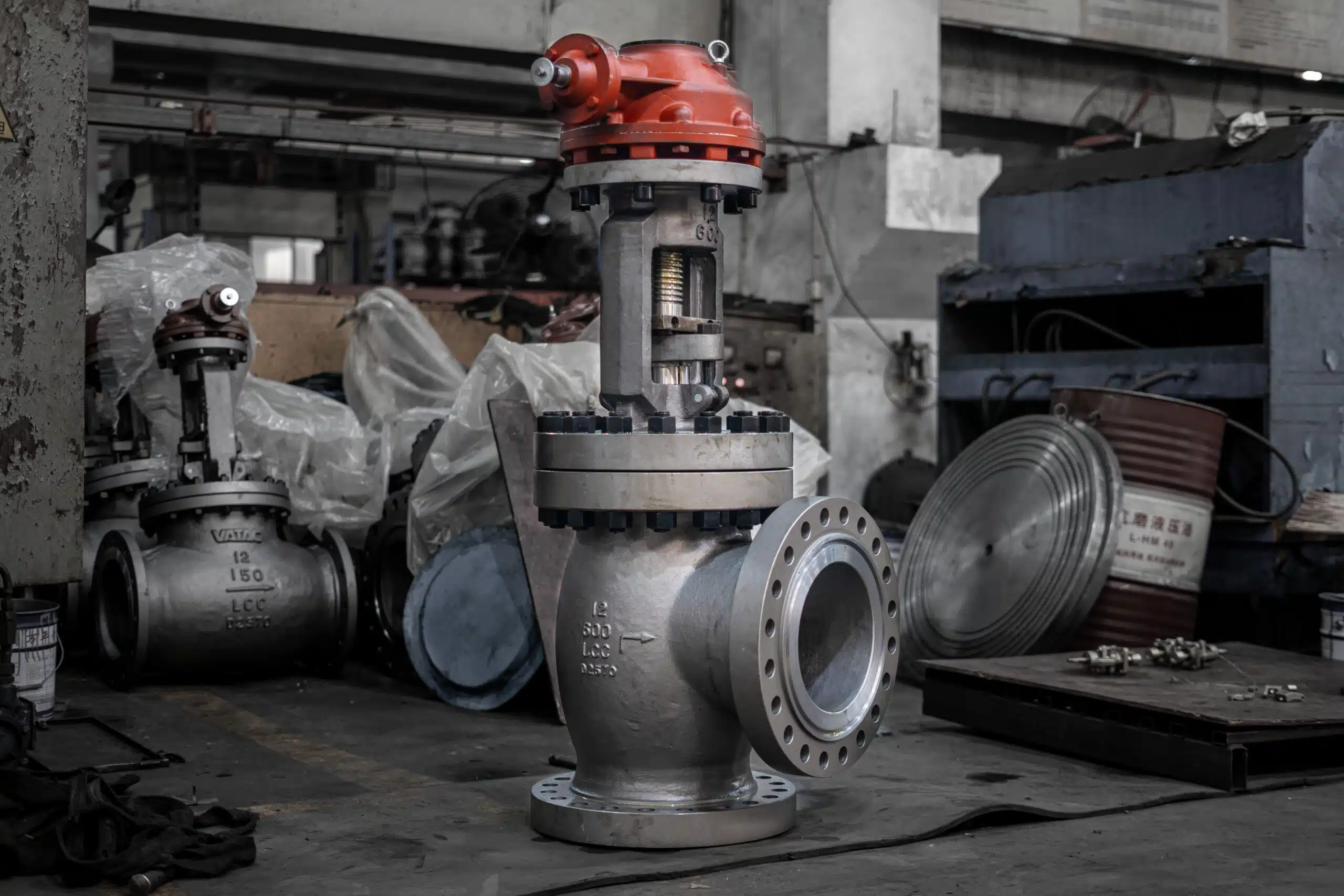
Why Trim Matters in Shutoff, Throttling and Service Life
Globe valves are commonly selected where shutoff, flow regulation or repeated operation matters more than very low pressure drop. In these services, the trim is exposed to direct mechanical and fluid stress.
A poor globe valve trim selection can lead to:
- leakage across the seat;
- accelerated seat or disc wear;
- galling between contact surfaces;
- erosion from high-velocity flow;
- corrosion of stem, disc or seating surfaces;
- unstable throttling performance;
- higher maintenance frequency;
- shortened service life.
In real plant operation, these issues are not only material problems. They can appear as unplanned maintenance, unstable process control, repeated leakage after short service or a valve that no longer performs the way it was specified.
For this reason, globe valve trim selection should not be treated as a small material detail at the end of a purchase order. It is a service-condition decision that connects the process fluid, temperature, pressure, pressure drop, shutoff expectation, operating frequency and valve construction.
Trim vs Body, Bonnet, Packing and General Valve Parts
What Counts as Globe Valve Trim
Not every internal or external valve part should be treated as trim. For selection purposes, trim normally refers to the parts that are directly involved in sealing, regulating, guiding or resisting wear from the process medium.
The exact scope may vary by manufacturer, standard or project specification, but the practical selection boundary is clear: if a part affects shutoff, throttling, fluid-contact wear or material compatibility, it may be part of the trim discussion.
| Item | Usually Treated as Trim? | Why It Matters | Current Article Depth |
|---|---|---|---|
| Disc / plug | Yes | Moves toward or away from the seat to stop or regulate flow | Core focus |
| Seat / seating surface | Yes | Creates the sealing surface against the disc or plug | Core focus, with seat material handled carefully |
| Stem | Yes | Transfers motion and may be exposed to fluid or packing area stress | Core focus |
| Backseat | Often yes | Provides a sealing interface in some bonnet / stem designs | Light technical explanation |
| Body | No | Main pressure-containing shell | Boundary only |
| Bonnet | No, unless specific internal surfaces are defined by specification | Pressure-containing cover and stem support area | Boundary only |
| Packing | Usually not trim | Stem sealing element, not the main disc-seat shutoff interface | Boundary only |
| Handwheel / actuator | No | Operating device, not fluid-control trim | Excluded from main discussion |
| Flange / end connection | No | Piping connection, not trim | Excluded from main discussion |
A body material that is acceptable for pressure containment does not automatically mean the disc-seat-stem trim package is suitable for corrosive, erosive or high-pressure-drop service. Body and trim should be specified as separate selection items when the service is demanding.
What Should Not Be Treated as Trim
For this article, trim does not mean the whole valve, the whole internal parts list or the entire bill of materials. Body, bonnet, flanges, yoke, handwheel, actuator and external bolting may be important for valve selection, but they are not the main focus of globe valve trim selection.
This boundary prevents a common mistake: selecting a globe valve only by body material while assuming the trim will automatically match the service. A carbon steel body with suitable trim may work in one service, while a stainless steel body with poorly selected trim may fail earlier in another service. Body material and trim material should be checked separately.
If the buyer needs a full breakdown of body, bonnet, packing, handwheel, stem nut and other general parts, NTGD’s globe valve parts guide is a better place to handle that intent.
Main Globe Valve Trim Components and Their Functions
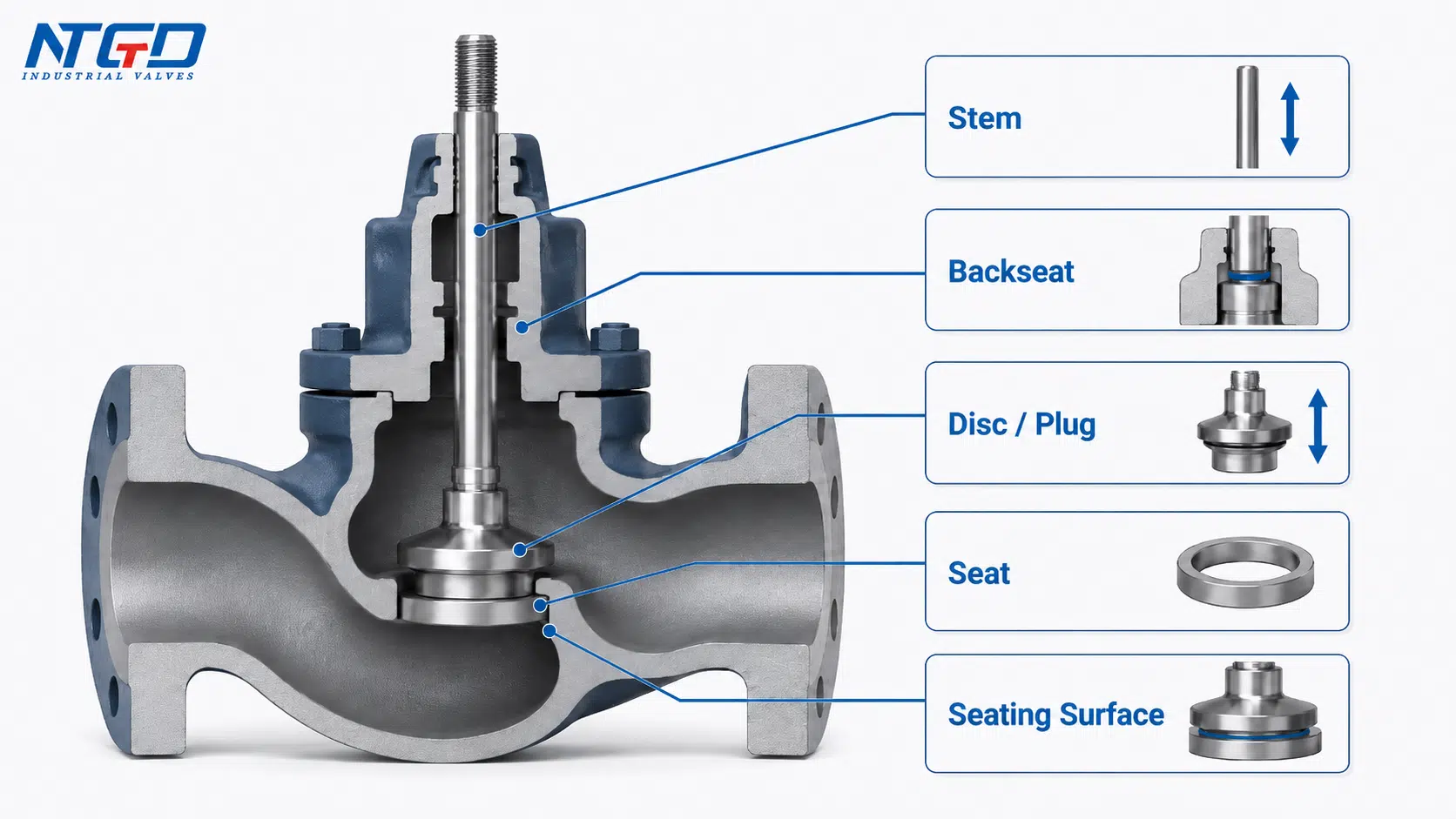
Disc or Plug
The globe valve disc, also called a plug in many designs, is the moving closure member. It travels toward the seat to reduce or stop flow and moves away from the seat to open the flow path. In throttling service, the shape of the disc or plug affects the opening area, flow velocity and control behavior.
A globe valve disc should not be selected only by name. Its geometry, guiding method, seating surface and material all influence performance.
Seat and Seating Surface
The seat is the stationary sealing surface that receives the disc or plug when the valve closes. In many globe valves, the seat may be integral with the body or installed as a seat ring. For trim selection, the most important point is not only whether the seat exists, but how the disc and seat work together under pressure, temperature and fluid conditions.
Seat material is a larger topic by itself. In this article, the seat is discussed mainly as part of the trim interface. A deeper soft-seat vs metal-seat discussion should be handled by a dedicated seat material guide.
For soft-seat vs metal-seat selection, use NTGD’s globe valve seat material guide rather than treating this trim selection page as a full seat material article.
Stem and Backseat
The stem transfers motion from the handwheel, gear operator or actuator to the disc or plug. Because the stem controls the position of the disc, stem material, surface condition and compatibility with packing and bonnet design can influence operation reliability.
The backseat is a secondary sealing surface used in some globe valve designs. It is not the main seat that shuts off line flow, but it may still be considered in trim or specification discussions depending on the standard and manufacturer design.
| Trim Component | Main Function | Selection Relevance | What to Check |
|---|---|---|---|
| Disc / plug | Moves to close, open or throttle the flow path | Shutoff, throttling behavior, wear pattern | Shape, material, seating surface, guiding method |
| Seat / seating surface | Provides the sealing interface | Leakage control, erosion resistance, shutoff reliability | Seat material, hardfacing, replaceability, surface finish |
| Stem | Transfers operating motion to disc / plug | Operation reliability, corrosion resistance, strength | Material, surface condition, connection to disc |
| Backseat | Provides secondary sealing interface in some designs | Bonnet / stem sealing support | Whether project specification treats it as trim |
| Seating surface hardfacing | Protects contact surfaces in severe service | Wear, galling and erosion resistance | Hardfacing material, compatibility, service limits |
For selection, the most important point is not simply identifying these parts. The starting point is how the disc, seat and stem work as a functional set. The disc-seat pair controls shutoff and throttling contact, while the stem must reliably position that pair under the actual operating duty.
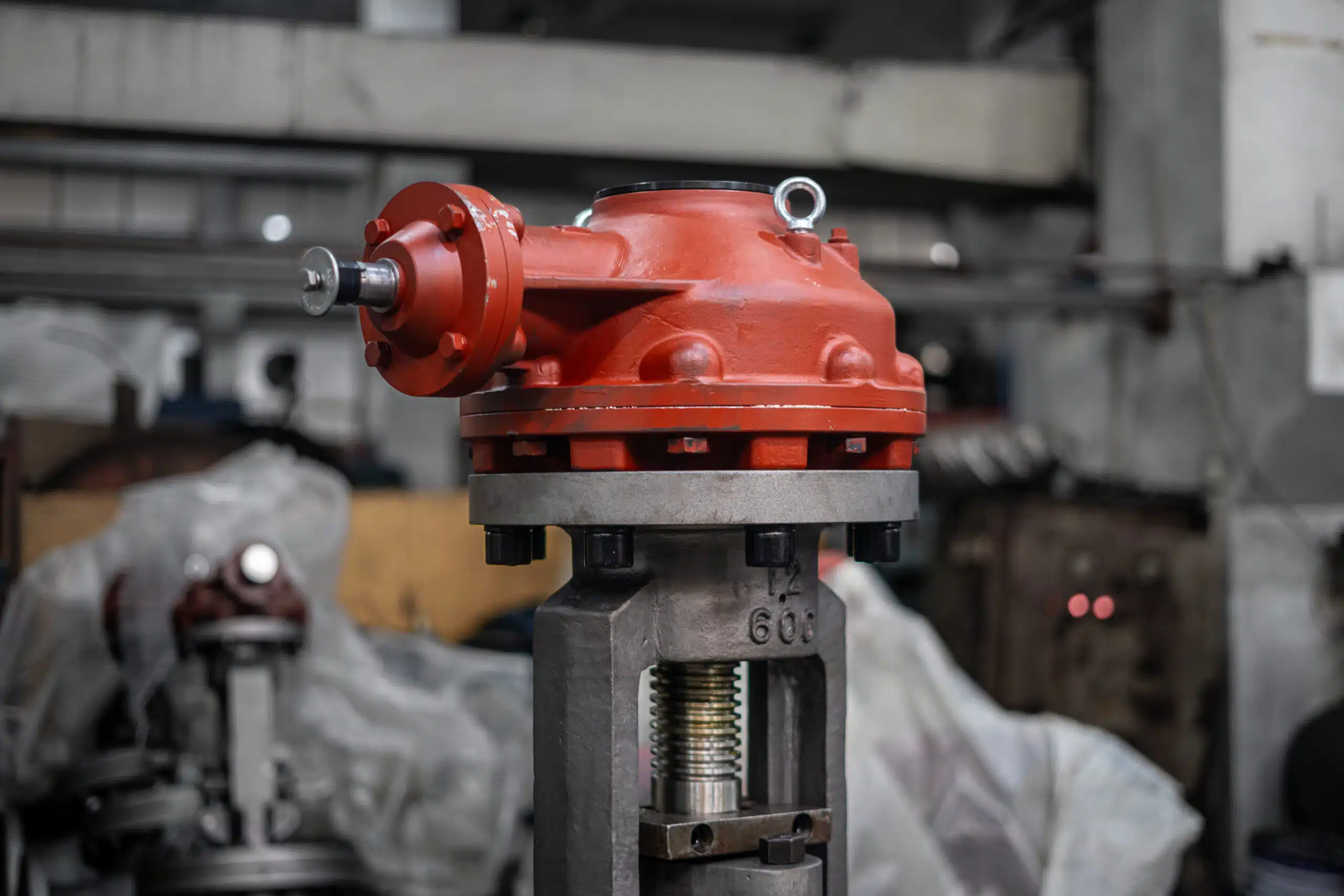
Component Interaction, Not Isolated Parts
Globe valve trim should be understood as an interacting system. A hardfaced disc with an unsuitable seat material may not solve leakage. A corrosion-resistant seat with an incompatible stem material may still create maintenance problems. A disc shape suitable for on-off service may not be ideal for repeated throttling.
The wrong material pairing often shows up first at the sealing interface: leakage, scoring, galling, uneven wear or unstable throttling. That is why trim selection should review the disc, seat and stem together rather than treating each component as a separate material line.
How the Disc, Seat and Stem Work Together
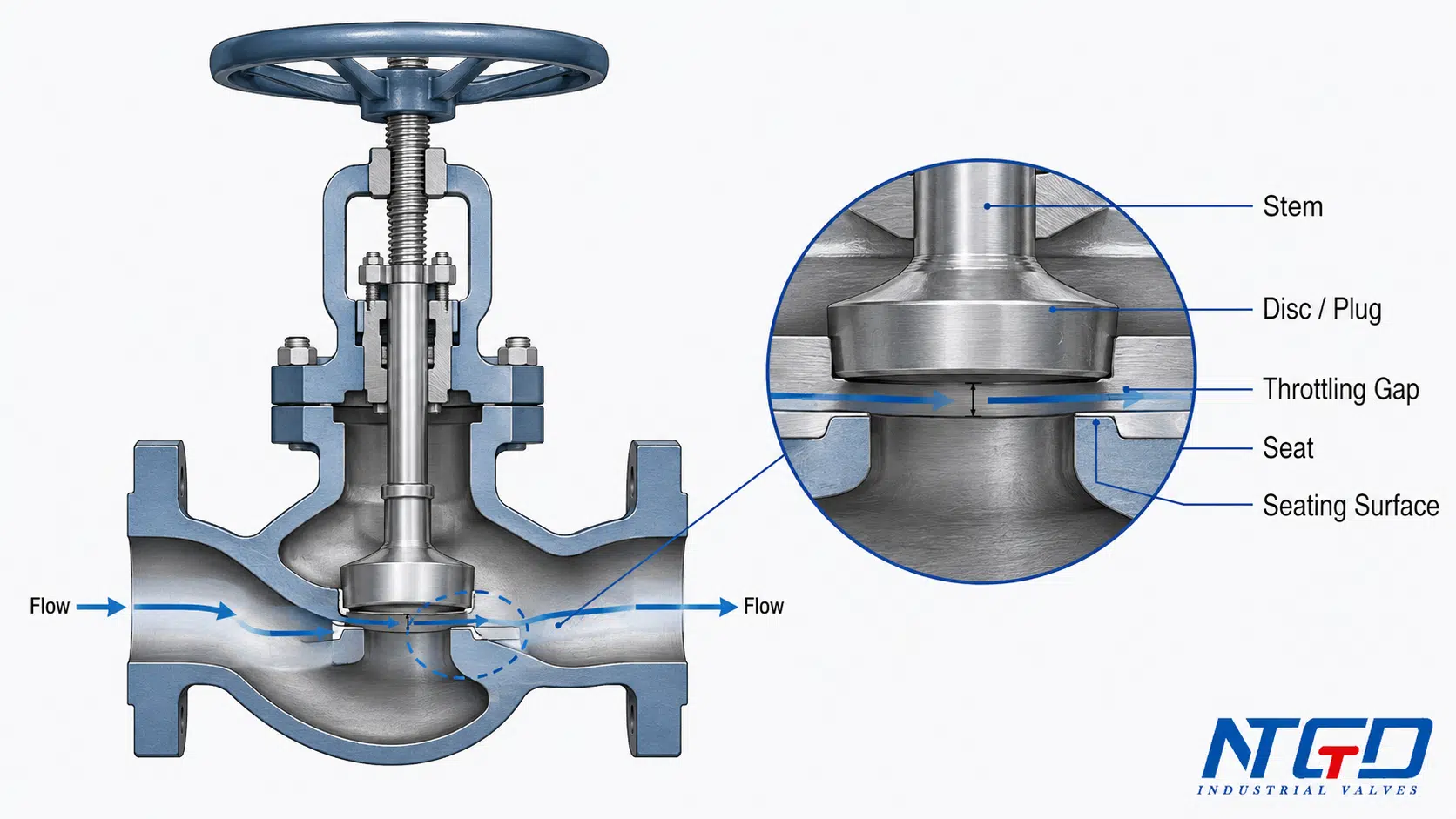
Disc-Seat Contact and Shutoff
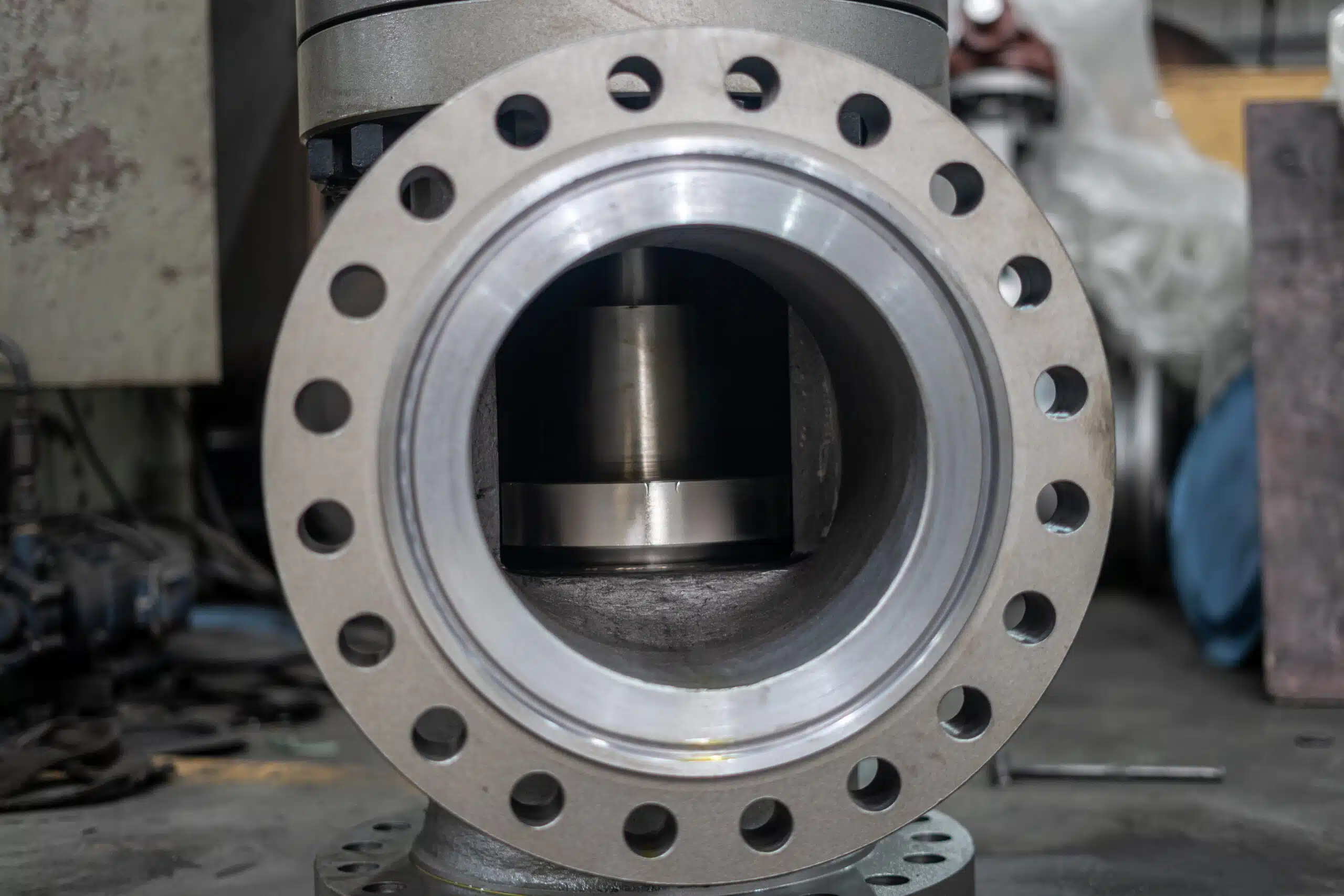
The most important functional relationship in a globe valve trim is the disc-seat contact. When the valve closes, the disc or plug moves against the seat. The contact between these two surfaces creates the shutoff boundary.
If the material pair is not suitable for the service, shutoff may deteriorate even if the valve body remains structurally sound. Common causes include corrosion at the seat, erosion of the seating surface, deformation from temperature, galling between hard contact surfaces or particles trapped at the sealing line.
For clean, moderate service, a standard trim combination may be enough. For high temperature, abrasive media, corrosive fluids or frequent operation, the disc-seat material pair should be reviewed more carefully.
Throttling Gap and Flow Regulation
A globe valve is often used for throttling because the disc moves perpendicular to the seat and creates a controlled opening area. As the disc lifts from the seat, the flow path changes gradually. The space between the disc and seat becomes the throttling gap.
This gap is where velocity, pressure drop and flow control behavior become important. If the valve operates frequently at a small opening or under a high pressure drop, the trim may be exposed to localized erosion, vibration, noise or unstable control. The exact risk depends on service conditions, valve design and sizing.
The disc shape matters because it affects how the flow area changes as the valve opens. A disc shape that works for simple shutoff may not provide the expected flow behavior in throttling service, and in the wrong pressure-drop condition it may concentrate velocity near the seating surface and accelerate local wear.
This is why globe valve disc selection belongs inside the broader trim selection discussion.
Why Material Pairing Affects Leakage, Wear and Galling
Material selection is not only about choosing a strong or corrosion-resistant alloy. In a globe valve, the disc and seat repeatedly contact each other. If both contact surfaces are poorly paired, the result may be wear, scoring or galling.
Hardfacing may be used in severe service to improve wear resistance on seating surfaces. However, hardfacing is not a universal fix. It must be compatible with the process fluid, temperature, pressure drop, required shutoff and mating surface. The correct decision depends on the full service profile.
Differential hardness is one way engineers reduce the risk of galling between mating metal surfaces. The principle is simple: the two contact surfaces should not be selected as random hard materials; they should be paired so that the surfaces can seal, resist wear and avoid adhesive damage during repeated contact. The exact material and hardness relationship should be confirmed by the applicable specification and manufacturer design.
Disc and Plug Types Used in Globe Valve Trim
Ball, Composition and Plug-Type Discs
Different globe valve disc types support different shutoff and throttling expectations. The terms used may vary by manufacturer, but the practical selection question is the same: how does the closure member contact the seat and how does it behave during opening?
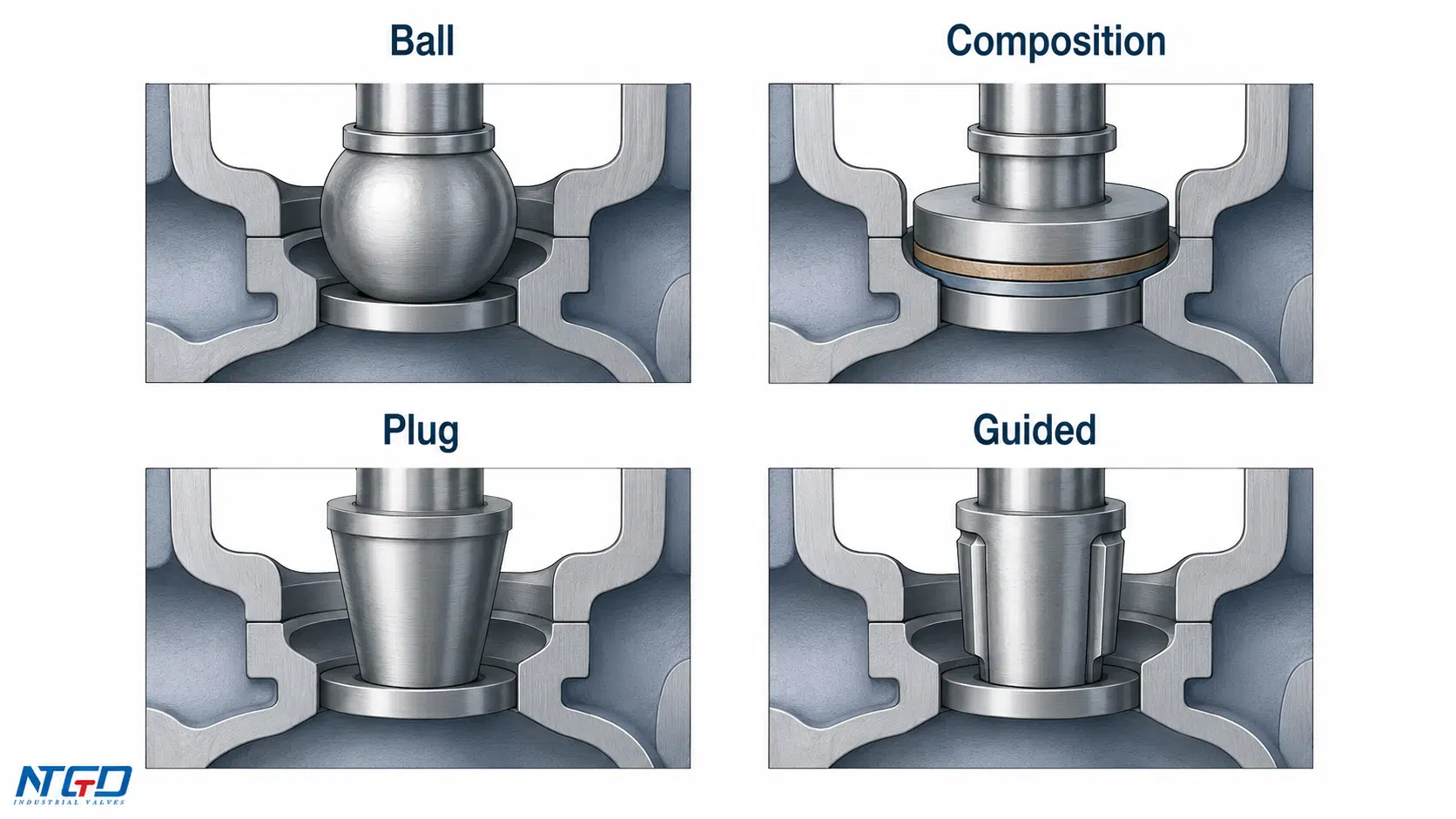
| Disc / Plug Type | Main Function | Typical Selection Logic | Caution |
|---|---|---|---|
| Ball-type disc | Simple shutoff in relatively moderate service | Often used where tight control is not the main requirement | Not usually the first choice for precise throttling |
| Composition disc | Uses a softer insert or seating element in some designs | Can support improved shutoff in selected services | Seat material compatibility must be checked separately |
| Plug-type disc | Longer or tapered geometry for better regulation | Often considered where throttling performance matters | Must be checked for erosion, pressure drop and guiding |
| Flat / standard disc | Simple contact with seat | May suit basic on-off or low-complexity service | Flow control behavior may be limited |
| Tapered / conical disc | More gradual opening behavior | Can support smoother flow change in some throttling services | Not a substitute for correct sizing and material selection |
| Body-guided plug / disc | Improved guidance under demanding flow conditions | May be considered for higher velocity or pressure-drop applications | Design details depend on manufacturer and standard |
Disc type is not just a preference for one component shape. It changes the throttling gap, the way the disc contacts the seat, the stability of the flow path and the wear pattern on the seating surface.
Tapered, Conical or Body-Guided Designs for Throttling Service
A globe valve used mainly for isolation does not have the same trim requirements as a globe valve used for repeated throttling. In throttling service, the disc or plug may operate at intermediate openings for long periods. The shape and guidance of the plug become more important because the trim must handle flow forces, velocity and pressure drop.
A body-guided or well-guided plug design may help improve stability in demanding applications, but this should be confirmed with the valve manufacturer or engineering team. Trim geometry, valve size, pressure class, flow rate and service conditions all influence the final recommendation.
How Far This Article Should Go on Disc Types
This article is not a full globe valve disc type guide. Disc type is included because globe valve disc is a supporting part of trim selection. The goal is to show how disc geometry affects shutoff, throttling and material choice, not to replace a dedicated disc design article.
Globe Valve Trim Material Selection by Service Conditions
Corrosion, Fluid Chemistry and Compatibility
Globe valve trim material should be selected according to the process medium, not only according to the valve body material. Fluid chemistry, pH, chlorides, sour service, oxidizing or reducing conditions and chemical concentration may all influence whether a standard trim is sufficient.
Common trim material directions may include stainless steel, 13Cr-type trim, 316 / 316L stainless steel, nickel alloys, Monel, Alloy 20, Hastelloy-type materials or other project-specific alloys. The correct selection must be verified against the project specification, fluid compatibility and manufacturer data.
When corrosion resistance becomes the main service driver, the stainless steel globe valve page can support the product-side review after the trim material requirement is defined.
Temperature, Pressure and Pressure Drop
Temperature affects material strength, hardness, corrosion behavior and sealing stability. Pressure and pressure drop affect the mechanical load across the disc-seat interface. A trim that works in low-pressure clean liquid may not be suitable for high-temperature steam or high-pressure-drop throttling.
When pressure drop is high, the trim should be reviewed for erosion, noise, vibration, cavitation or flashing risk where applicable. These are not only material questions. They also involve valve sizing, flow path, disc geometry and operating position.
For severe pressure or pressure-drop applications, the high pressure globe valve page can help connect trim review with the required pressure class and valve construction.
The following video provides a real NTGD reference for a high-pressure Y-pattern pneumatic globe valve, which is more relevant when trim review involves pressure drop, actuation and severe service conditions.
Erosion, Solids, Velocity and Frequent Operation
Abrasive particles, suspended solids, high velocity and frequent cycling can damage the seating surface. In these services, the disc-seat pair may need improved wear resistance, hardfacing or a different geometry. The trim should be selected for actual operating behavior, not only for static pressure and temperature.
Operation frequency also matters. A valve that cycles many times per day places different demands on the stem, disc connection and seating surfaces compared with a valve that remains open most of the time.
Hardfacing, Stellite and Wear-Resistant Trim
Hardfacing is often considered when the seating surfaces need improved wear resistance. Stellite and other hardfacing materials are commonly discussed in severe service trim selection, especially where erosion, high temperature or repeated metal-to-metal contact is expected.
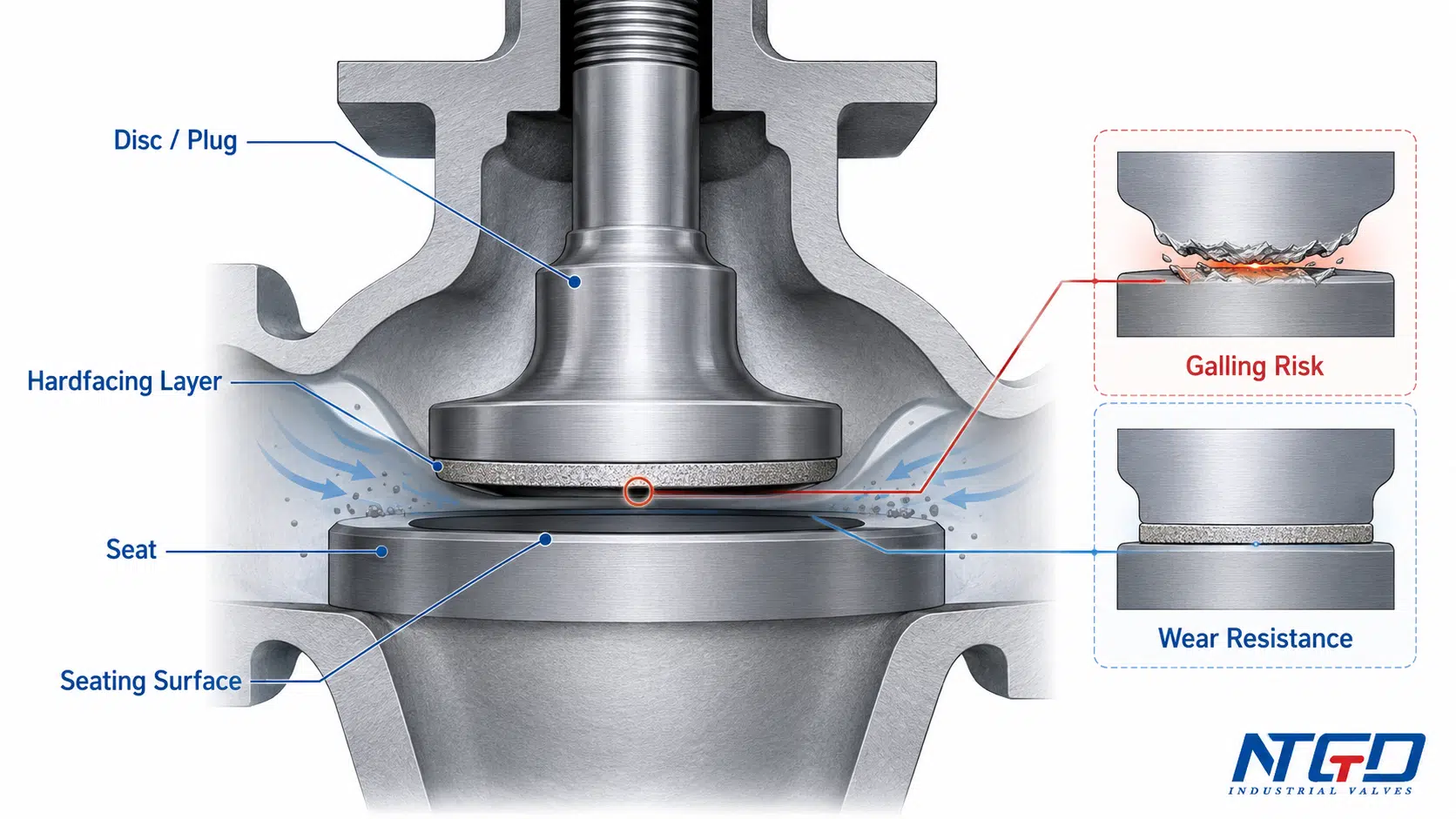
For hardfacing context, Valve Magazine summarizes how valve internals such as seats and closures may face erosion, abrasion, corrosion, galling and cavitation risk in its overview of valve hardfacing materials and processes.
However, hardfacing should not be selected automatically. The engineer or buyer should confirm:
- which surfaces are hardfaced;
- whether the disc, seat or both require hardfacing;
- whether the hardfacing is compatible with the medium;
- whether differential hardness is needed to reduce galling risk;
- whether the service requires special standards or testing;
- whether the valve design supports the expected throttling duty.
The table below is a starting point, not a final specification. In actual selection, the difficult cases are usually combinations of stress factors, such as corrosion plus high temperature, pressure drop plus solids, or frequent throttling plus erosive service.
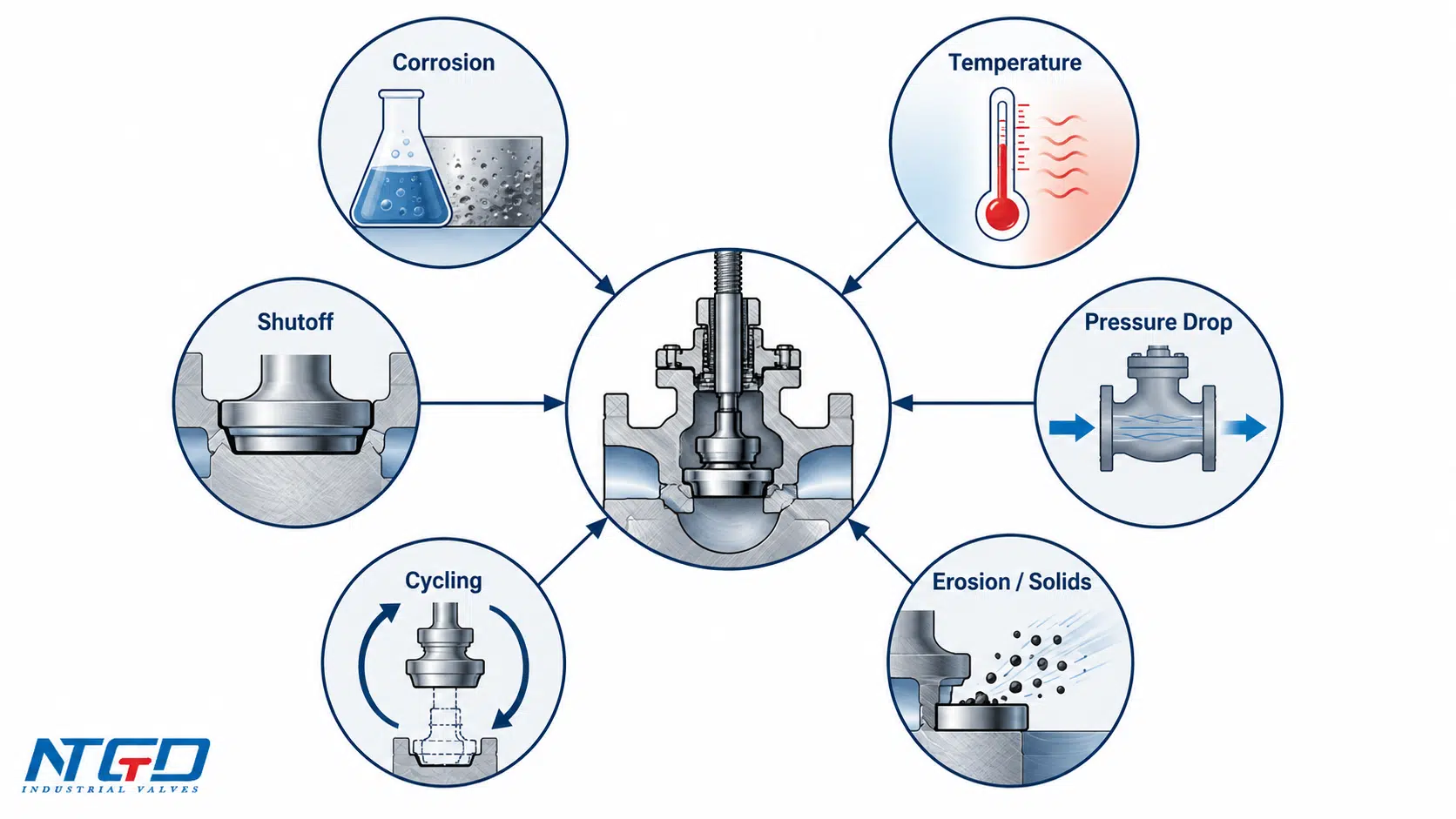
| Service Condition | Main Trim Concern | Possible Material / Design Direction | Engineering Caution |
|---|---|---|---|
| Clean water or general utility service | Basic shutoff and corrosion resistance | Standard trim may be sufficient | Confirm shutoff class and operating frequency |
| Steam or high-temperature service | Strength, oxidation, wear, sealing stability | Heat-resistant trim or hardfaced seating surfaces may be considered | Verify temperature limits and seat design |
| Mildly corrosive liquid | Chemical compatibility | Stainless or corrosion-resistant alloy trim may be considered | Body material and trim material may differ |
| Chloride or aggressive chemical service | Pitting, crevice corrosion, chemical attack | Higher alloy trim may be required | Confirm with compatibility data and project specification |
| Abrasive or solid-laden service | Erosion of seat and disc | Hardfacing or wear-resistant trim may be required | Check velocity, solids and valve opening range |
| High pressure drop throttling | Erosion, vibration, noise, unstable control | Guided plug, hardfacing or special trim may be needed | Requires engineering review, not only material selection |
| Frequent cycling | Contact wear, stem wear, galling | Compatible material pairing and surface treatment | Confirm operation frequency and actuator behavior |
For steam service, NTGD’s steam globe valve guide explains why temperature, pressure, shutoff duty and throttling duty should be reviewed together.
If high pressure drop, abrasive solids, aggressive chemistry or frequent throttling is present, the trim should be reviewed as an engineering package rather than selected from a material list alone.
API Trim Numbers and Trim Charts: How to Use Them Correctly
What an API Trim Number Usually Describes
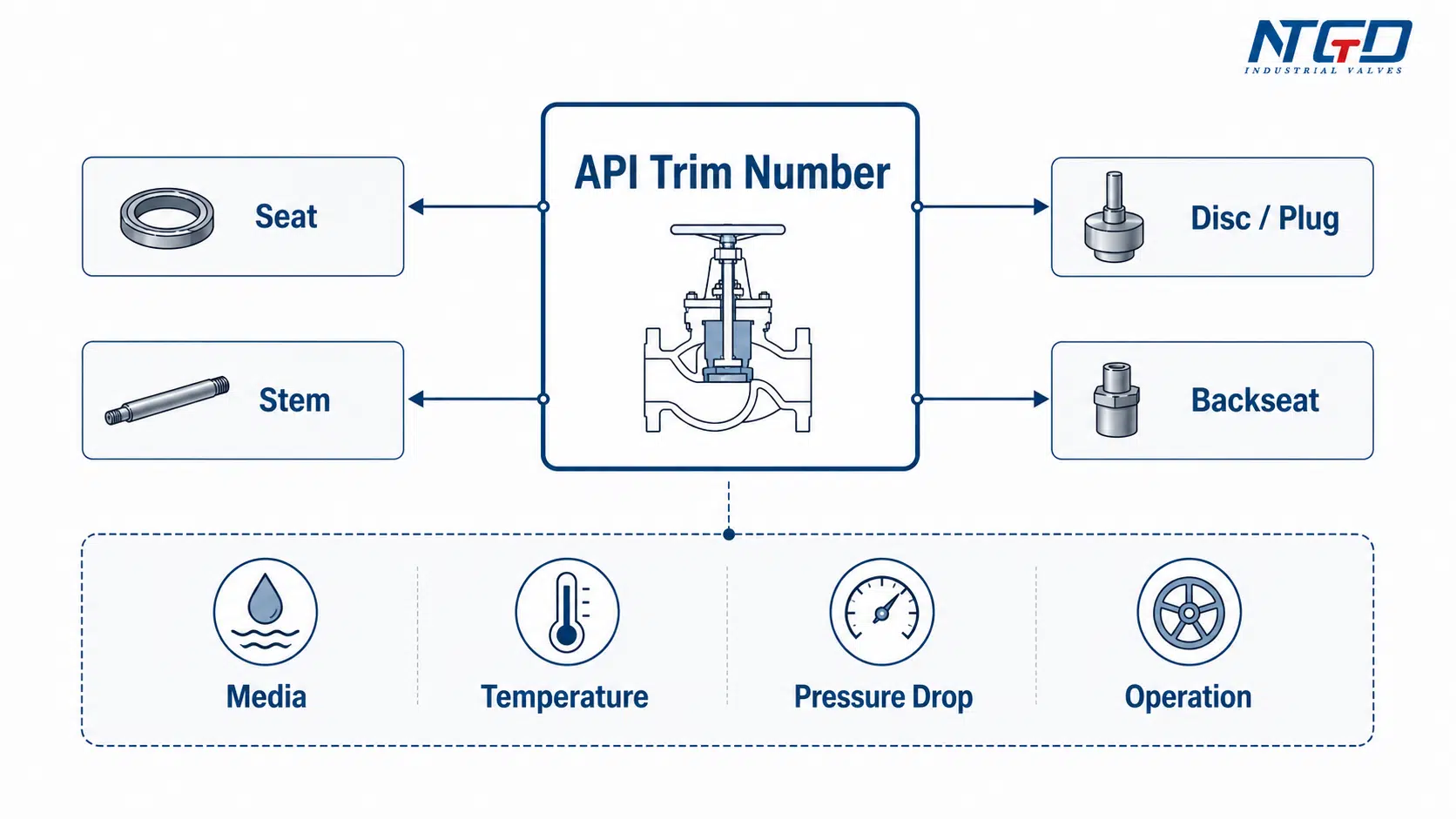
API trim numbers and trim charts are useful because they provide a common language for trim material combinations. In many valve specifications, a trim number describes the material or facing used for parts such as the seat, disc or wedge, stem, backseat and other trim-related surfaces.
For buyers, the main value of a trim number is communication. It helps align the project specification, supplier quotation and inspection expectation.
For standards context, API’s API valve standards program documents identify API 600 and API 602 among valve-related standards that may appear in valve specifications.
In this article, API or standard trim refers mainly to a material-combination language for internal valve parts such as the seat, disc or plug, stem and backseat. It should not be confused with control valve trim terms that describe flow-characteristic elements such as characterized plugs, cages or multi-stage control trim.
| Trim Chart Field | What It Usually Describes | Why It Matters | What to Confirm |
|---|---|---|---|
| Trim number | A standardized or commonly referenced trim combination | Helps communicate material package | Applicable standard and project requirement |
| Seat surface | Material or facing at the sealing seat | Directly affects leakage, wear and corrosion | Integral, welded, hardfaced or replaceable design |
| Disc / plug surface | Material or facing on the moving closure member | Affects shutoff and throttling contact | Material pair with seat |
| Stem material | Material of the operating stem | Affects strength, corrosion and operation | Compatibility with service and packing environment |
| Backseat / bushing | Secondary sealing or guiding surface in some designs | May affect maintenance and sealing support | Whether included in project trim definition |
| Hardness / hardfacing | Surface hardness or overlay requirement | Affects wear and galling behavior | Exact material, process and inspection requirement |
Why a Trim Chart Is Not a Complete Selection Decision
A trim chart does not know the actual service conditions. It does not fully account for fluid chemistry, solids, velocity, pressure drop, operating frequency, shutoff requirement, valve size, actuator behavior or maintenance expectation.
This is why API trim numbers should be treated as reference language, not as a shortcut for globe valve trim selection. A trim number may describe a material package, but the service conditions decide whether that package is suitable.
A practical selection process should start with service conditions, then identify the functional trim requirements, then confirm whether a standard trim number or special trim package fits the application.
What to Confirm with the Manufacturer or Engineering Team
Before finalizing trim, confirm:
- the applicable standard and edition required by the project;
- whether the quoted trim number covers seat, disc, stem and backseat;
- whether the body material and trim material are different;
- whether any seating surfaces are hardfaced;
- whether soft seating materials are involved;
- whether the valve is intended for on-off or throttling service;
- whether pressure drop, velocity or solids require special review;
- whether any NACE, sour service, cryogenic, high-temperature or emission requirements apply.
Common Globe Valve Trim Selection Mistakes
Treating Body Material as Trim Material
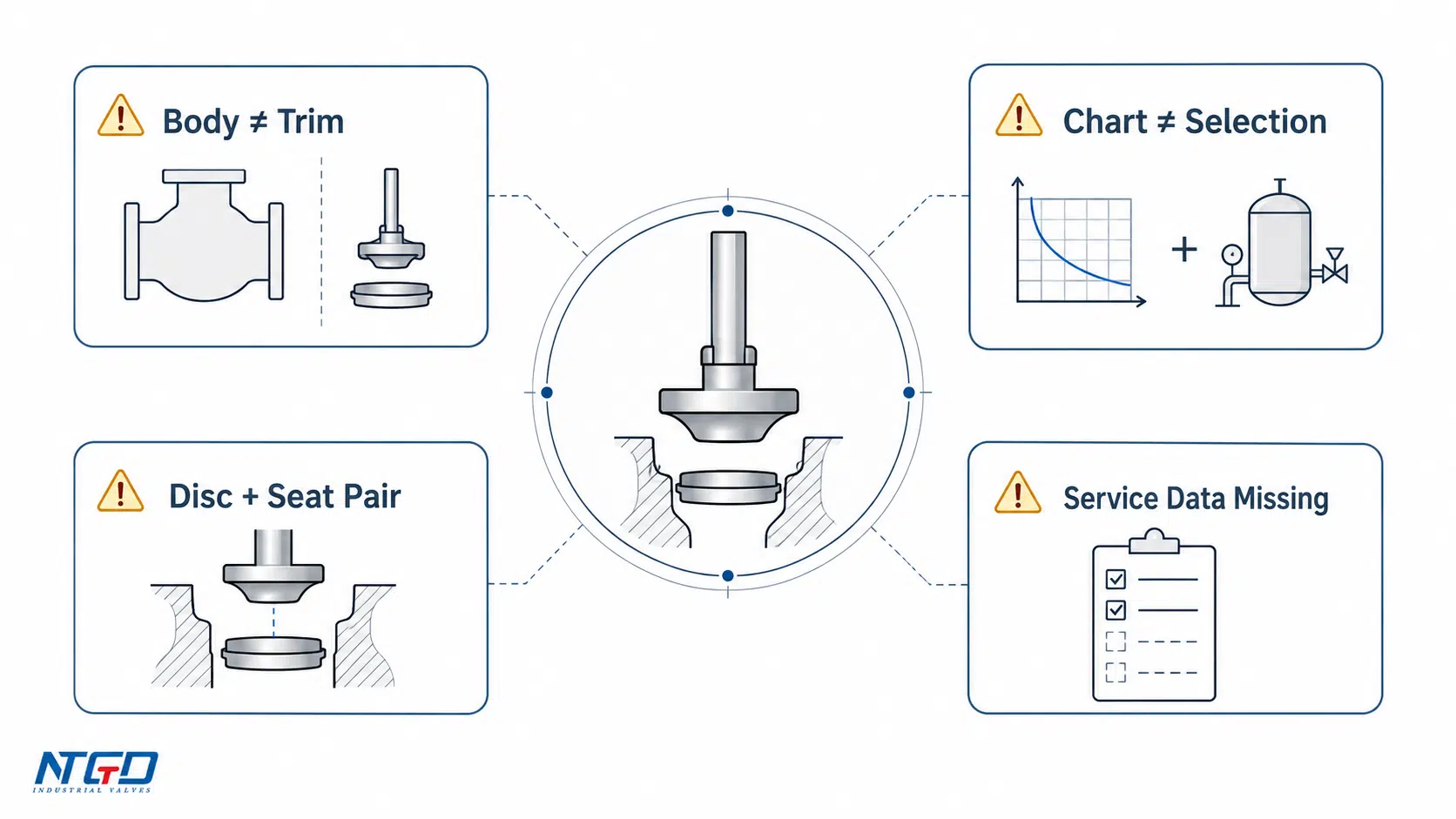
A frequent mistake is assuming that the valve body material defines the entire valve. It does not. The body is the pressure-containing shell. The trim is the performance interface.
A WCB body, stainless steel body or alloy body may still use different trim packages depending on the service. The purchase specification should identify both body material and trim material when the service requires it.
Selecting by API Number Only
API trim numbers are useful, but they do not replace service analysis. Selecting by trim number alone may miss corrosion, erosion, pressure drop or operating frequency issues.
Ignoring the Disc-Seat Pair
The disc and seat should be considered together. A strong disc material paired with an unsuitable seat surface can still result in leakage or wear. In throttling service, the shape of the disc and the condition of the seating surface both affect performance.
Overlooking Service Conditions and Operation Frequency
A valve that operates rarely in clean liquid has different trim requirements from a valve that modulates frequently in hot, corrosive or erosive service. If the actual operating profile is not communicated, the trim recommendation may be incomplete.
| Mistake | Why It Happens | Risk | Better Check |
|---|---|---|---|
| Assuming body material equals trim material | Body material is easier to see in specifications | The body may survive while seat, disc or stem surfaces corrode or wear early | Specify body and trim separately |
| Choosing trim only from a chart | API trim numbers look complete | Actual pressure drop, solids or chemistry may make the listed trim unsuitable | Confirm media, temperature, pressure drop and operation |
| Ignoring disc-seat pairing | Disc and seat are considered separately | Leakage, galling, scoring or uneven wear at the sealing line | Review mating surfaces together |
| Overlooking throttling duty | Valve is treated as simple on-off equipment | Erosion, vibration or unstable flow regulation at intermediate openings | Confirm opening range and pressure drop |
| Treating seat material as the whole trim | Seat receives most attention | Stem, disc and backseat may be missed | Review the full trim package |
| Reverse-engineering failed trim without root cause analysis | A failed valve is copied as the replacement basis | The same leakage, wear or corrosion problem may repeat | Identify why the previous trim failed before duplicating it |
What to Specify When Requesting a Globe Valve Trim Recommendation
Service Data to Provide
A useful globe valve trim recommendation starts with service data. Without service conditions, the supplier can only provide a general trim option.
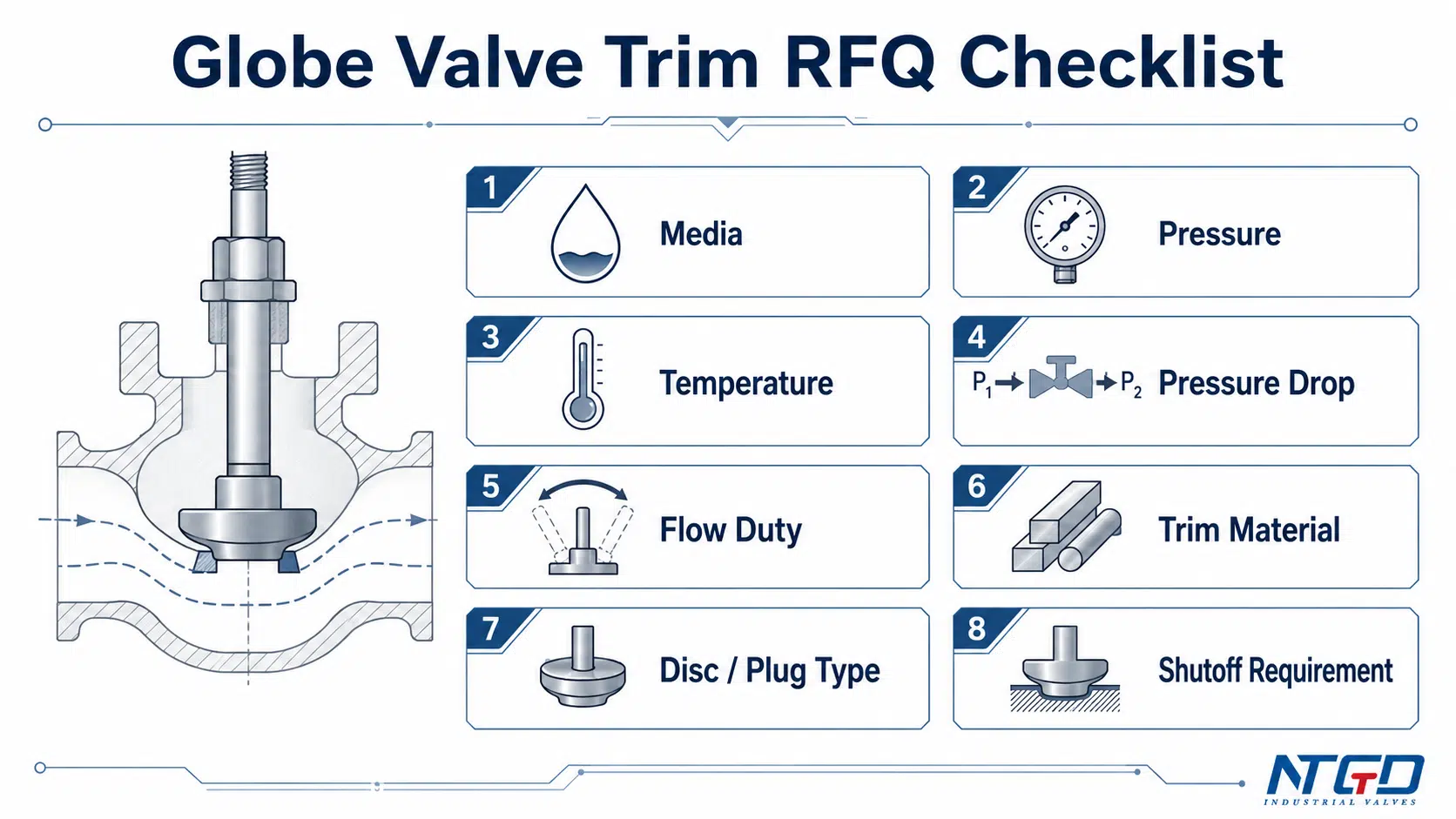
Pressure drop and solids are two of the most commonly missing inputs in throttling or erosive service. If the valve will regulate flow or the medium contains particles, these details are often critical for judging erosion, noise, hardfacing and disc-seat wear risk.
| Data Needed | Example Information to Provide | Why It Matters |
|---|---|---|
| Fluid / media | Water, steam, oil, gas, acid, slurry, chemical name | Determines corrosion and erosion risk |
| Temperature | Normal and maximum operating temperature | Affects material strength and sealing stability |
| Pressure | Inlet pressure and pressure class | Affects mechanical loading |
| Pressure drop | Normal and maximum pressure drop | Important for throttling, erosion and noise risk |
| Flow condition | On-off, throttling, modulating, intermittent | Determines disc / plug and wear requirements |
| Solids or particles | Presence, size, concentration if known | Affects erosion and seating damage |
| Corrosion concern | Chlorides, pH, sour service, chemical concentration | Influences alloy and hardfacing choice |
| Shutoff requirement | General shutoff or tighter leakage expectation | Affects seat / disc material and design |
| Operation frequency | Rare, daily, frequent cycling, automated control | Affects wear and stem / disc connection |
Valve and Specification Data to Provide
The valve data should be clear enough for the manufacturer to match the trim recommendation to the actual valve construction.
| Specification Item | Why It Matters |
|---|---|
| Valve size | Affects flow area, trim loading and manufacturer design |
| Pressure class | Defines pressure boundary and design range |
| End connection | Needed for complete valve quotation, but not a trim substitute |
| Body material | Must be checked separately from trim material |
| Existing or requested trim number | Useful reference if already specified |
| Disc / plug type if known | Helps match shutoff and throttling expectation |
| Seat type if known | Helps confirm seat-disc pairing |
| Applicable standard | Aligns design, material and inspection expectation |
| Manual or actuated operation | Affects operating force, cycling and control duty |
| Special requirements | NACE, cryogenic, high temperature, emission, testing or inspection requirements |
When to Ask for Engineering Review
Engineering review is especially important when the service includes:
- high pressure drop;
- frequent throttling;
- abrasive particles;
- corrosive chemistry;
- high temperature;
- thermal cycling;
- critical shutoff;
- automated operation;
- sour or special chemical service;
- uncertainty about existing trim material.
In these cases, globe valve trim selection should be reviewed as a functional combination of disc, seat, stem, backseat, material and operating duty. The goal is not only to name a trim material, but to confirm whether the complete trim package fits the actual service.
FAQ About Globe Valve Trim Selection
What is trim in a globe valve?
Trim in a globe valve usually means the internal functional parts that affect shutoff, throttling and fluid-contact performance. This typically includes the disc or plug, seat or seating surface, stem, backseat and related sealing or guiding surfaces depending on the design and specification.
What does valve trim include?
Valve trim commonly includes the closure member, seating surface, stem and other internal fluid-contact functional parts. For globe valves, the most important trim elements are usually the disc or plug, seat, stem and backseat. The exact definition should be checked against the project specification and manufacturer design.
Is the disc part of globe valve trim?
Yes. The globe valve disc, often also called a plug, is normally treated as part of the trim because it directly controls shutoff and throttling. Its shape, material and seating surface affect leakage, flow regulation and wear.
What is globe valve trim material?
Globe valve trim material is the material used for the internal functional parts that touch the fluid or form the sealing interface, such as the disc, seat, stem or backseat. If it is chosen incorrectly, the first visible problems often appear as leakage, corrosion, scoring or accelerated wear at the disc-seat interface.
How do you select globe valve trim material?
Start with the service conditions, not the material name. Review the fluid, temperature, pressure, pressure drop, corrosion risk, solids, velocity, shutoff requirement and operating frequency. Then check the disc-seat pair, stem material, hardfacing needs and any applicable standard or trim number.
What is the difference between valve trim and valve body?
The valve body is the main pressure-containing shell. Valve trim refers to the functional internal parts that contact the fluid and affect shutoff, throttling and wear. Body material and trim material should be specified separately when service conditions require it.
What is the seat in a globe valve?
The seat is the stationary sealing surface that the disc or plug contacts when the valve closes. It is part of the disc-seat sealing interface. Seat material matters, but a full soft-seat vs metal-seat comparison should be handled in a dedicated seat material guide.
Is an API trim number enough for selection?
No. An API trim number is useful for describing a trim material combination, but it does not fully define service suitability. The actual media, temperature, pressure drop, corrosion, erosion, shutoff requirement and operating frequency still decide whether that trim package is appropriate.
Can the same globe valve trim be used for both on-off and throttling service?
Sometimes, but it should not be assumed. On-off service mainly tests shutoff and seating reliability, while throttling service exposes the trim to changing flow area, velocity and pressure drop. If the valve will regulate flow frequently, the disc geometry, seat material and wear resistance should be reviewed more carefully.
Conclusion
Globe valve trim selection is not only a question of choosing a material grade. It is a functional decision involving the disc or plug, seat, stem, backseat, seating surfaces, material pairing, pressure drop, fluid chemistry, erosion risk and operating duty.
A reliable selection process starts with the service conditions, then checks which trim components carry the sealing, throttling and wear load. API trim numbers and trim charts can support the specification, but they should not replace service-based review.
When the service is corrosive, erosive, high-temperature, high-pressure-drop or frequently throttled, the safest approach is to review the trim as a complete disc-seat-stem package before finalizing the valve specification.
Application / Specification Support
If you already have a preliminary globe valve trim choice, send the service data for review before finalizing the specification. The most useful information includes the media, pressure, temperature, pressure drop, flow condition, body material, expected trim material or trim number, disc / plug type if known, shutoff requirement, applicable standard and operating method.
This allows the valve manufacturer or engineering team to confirm whether a standard trim package is suitable, or whether hardfacing, special alloy trim, a different disc / plug design or a more application-specific review is needed.
For a complete valve inquiry after trim review, the globe valve product page is the appropriate product-side bridge.
