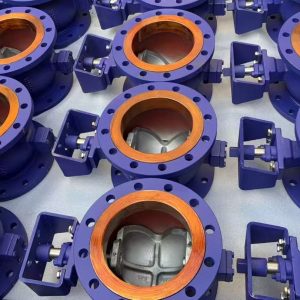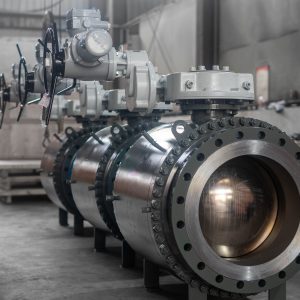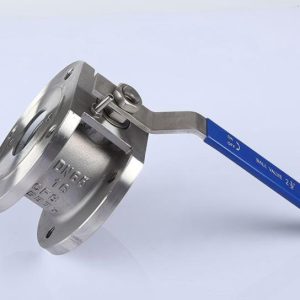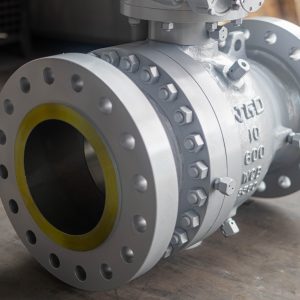

A pneumatic ball valve uses compressed air to move liquids or gases in a pipe. This valve works fast and is very dependable. Many industries use pneumatic ball valves because they last long and work well. You can find these valves in many places:
- Petrochemical: 30% market share
- Power: 25% market share
- Metallurgical: 20% market share
- Paper: 15% market share
- Other sectors: 10% market share
This Complete Guide will help you learn why you might pick a pneumatic ball valve for your job.
Key Takeaways
- Pneumatic ball valves use compressed air to control liquids and gases fast. This makes them great for busy industries.
- You should check for leaks and add oil often. This helps pneumatic ball valves last longer and work well.
- Picking the right pneumatic ball valve is important. Two-way or three-way types help control flow better in your system.
- Look at the valve’s material and how it connects. This helps match your system and keeps it safe and working well.
- Learn about new pneumatic technology. This can make your system work better and be more reliable.
Complete Guide Overview
This guide will help you learn about pneumatic ball valves. It explains what they do and why they are important. You will find out how a pneumatic ball valve works. You will also see what makes it special. Many industries use these valves because they work well.
What Is a Pneumatic Ball Valve
A pneumatic ball valve uses air pressure to move liquids or gases. The pneumatic actuator moves the ball inside the valve very fast. This gives you quick and steady on-off control. These valves are great when you need things to happen fast. You can find them in oil and gas plants. They are also in water treatment and food factories. The guide shows how the valve body, ball, seats, stem, seals, and actuator all work together.
Tip: Check the air supply and seals before you use the valve. This stops leaks and keeps your system safe.
Key Features
It is good to know what makes a pneumatic ball valve special. The guide lists these main points:
- Fast on-off action for quick control
- Low resistance so you save energy
- Good sealing to stop leaks
- Simple parts for easy fixing
- Strong metals like stainless steel for hard jobs
Here is a table that shows ways to keep your valve working well:
| Feature | Description |
|---|---|
| Preventive Maintenance | Check the valve often to find problems early. |
| Lubrication Management | Use the right oil to help the actuator move. |
| Documentation | Write down checks to plan for next time. |
The guide also gives tips for putting in and caring for your valve. It tells you about rules like API 6D and ISO 5211. After reading, you will know how to pick, use, and take care of a pneumatic ball valve anywhere.
How Pneumatic Ball Valves Work
Components
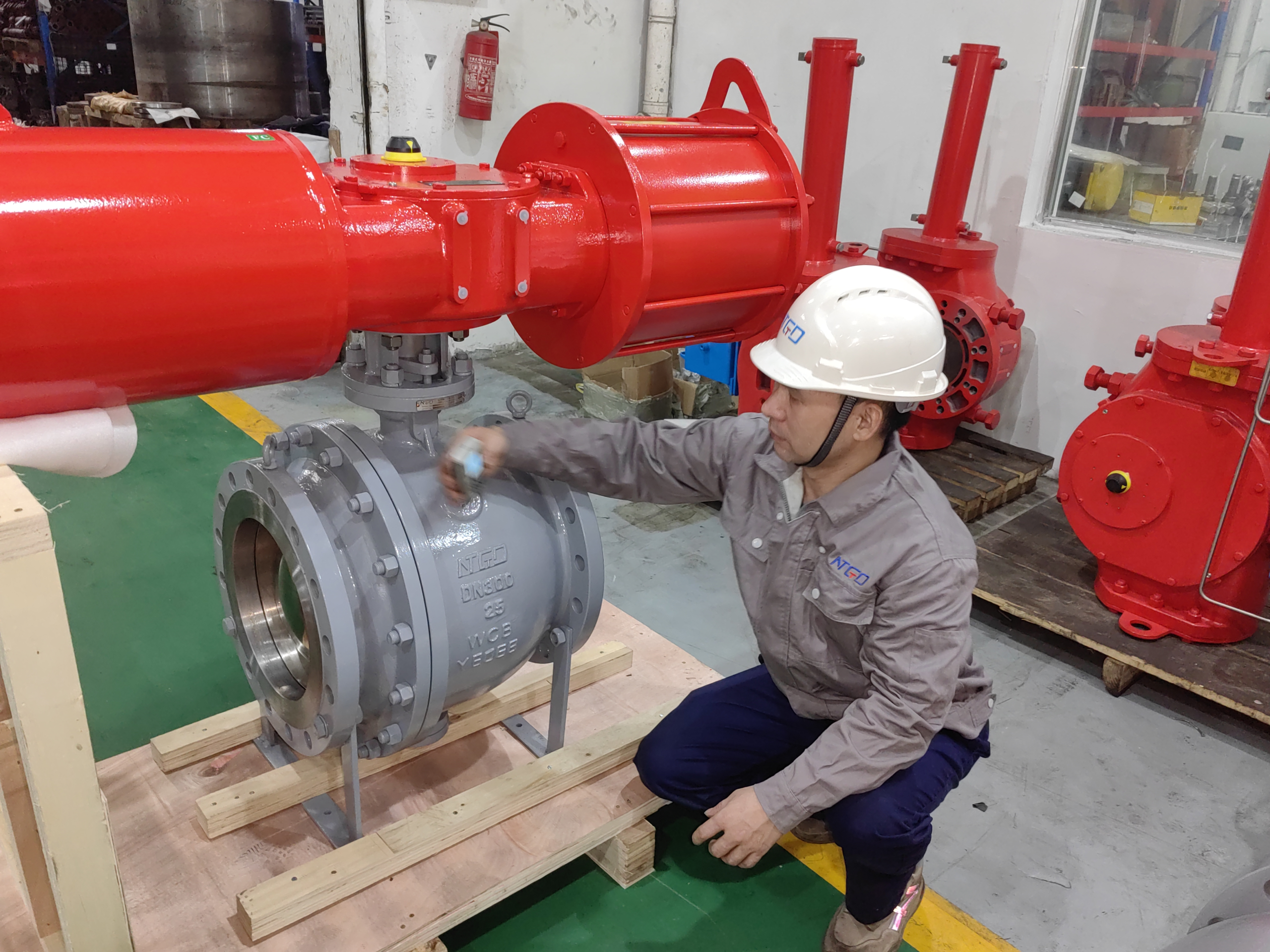
You need to know the main parts of a pneumatic ball valve before you use it. Each part has a special job. The table below shows the main components and what they do:
| Component | Role |
|---|---|
| Body | Holds all other parts and keeps the valve strong under pressure. |
| Ball | Sits inside the valve and controls fluid flow by turning to open or close. |
| Stem | Connects the actuator to the ball so you can move the ball easily. |
| Actuator | Uses pneumatic power to move the stem and ball for fast operation. |
| Seats | Make a tight seal between the ball and body to stop leaks. |
| Seals and Packing | Keep fluid from leaking around the stem and joints. |
| End Connections | Let you attach the valve to your pipes and systems. |
Tip: When you choose a pneumatic ball valve from NTGD, you get strong materials and tight seals. This helps you avoid leaks and keeps your system safe.
Working Principle
A pneumatic ball valve uses a simple but smart design to control the flow. You use compressed air to move the actuator. The actuator turns the stem, which rotates the ball inside the valve. The ball has a hole through the middle. When you turn the ball so the hole lines up with the pipe, fluid flows through easily. If you turn the ball 90 degrees, the hole blocks the pipe and stops the flow.
- You get fast action with a pneumatic ball valve. The quarter-turn design lets you open or close the valve in just half a second to one second. This is much faster than electric valves, which take about six seconds.
- The ball rotates inside the valve body. When the hole matches the pipeline, fluid flow is smooth and steady. If you need to stop the flow, you turn the ball so the hole faces away from the pipe. This blocks the fluid and shuts off the system.
- You can use this valve for quick shut-off jobs. The pneumatic actuator gives you strong and reliable movement every time.
Note: Fast response time means you can control the flow quickly. This helps you keep your system safe and efficient.
You see how NTGD pneumatic ball valves make flow control easy. You get strong parts, quick movement, and tight seals. This helps you manage fluid flow in your system with confidence.
Types of Pneumatic Ball Valves
When you choose a pneumatic ball valve, you need to know the different types. Each type has a special design and use. Picking the right one helps you control the flow in your system better. NTGD offers many options to fit your needs.
Two-Way and Three-Way
You can pick between two-way and three-way valves. Each one works best for certain jobs. The table below shows how they compare:
| Feature | Two-Way Valves | Three-Way Valves |
|---|---|---|
| Number of Ports | 2 ports: an inlet and an outlet | 3 ports: two inlets and one outlet |
| Flow Direction | Single direction (on/off control) | Two directions (mixing or diverting flow) |
| Applications | Basic on/off and variable flow systems | Constant flow systems, mixing, and diverting |
| Internal Structure | N/A | L-port and T-port types |
| Cost-Effectiveness | N/A | Can replace multiple 2-way valves |
- Two-way valves have one inlet and one outlet. You use them for simple on/off jobs.
- Three-way valves have three ports. You can use them to mix or divert flow. They come in L-port and T-port shapes. This lets you handle more complex flow paths. You can often use one three-way valve instead of several two-way valves.
Tip: If you want to save space and make your system simple, try a three-way pneumatic ball valve.
Full Port and Reduced Port
You also need to choose between full port and reduced port designs. This choice affects how much fluid moves through the valve and how much pressure you lose.
- Full port valves have a ball bore that matches the pipe’s inner diameter. This means you get maximum flow and very little resistance.
- Reduced port valves have a smaller opening. This can slow down the flow and cause more pressure loss.
Here is a table to help you compare:
| Valve Type | Flow Rate Impact | Pressure Drop Impact |
|---|---|---|
| Full Port | Unobstructed flow, minimal restriction | Lower pressure drop |
| Reduced Port | Increased flow resistance | Higher pressure loss |
If you need to keep your flow rate high and avoid losing pressure, pick a full port valve. This is important for systems that move thick liquids or solids. Reduced port valves work well when you do not need as much flow and want to save on cost.
Note: NTGD full port pneumatic ball valves help you keep your system efficient and energy-saving.
Actuator Types
The actuator is the part that moves the valve. You can pick from different actuator types. Each one has its own strengths.
| Actuator Type | Advantages |
|---|---|
| Membrane Type | Small stroke, directly drives the valve stem. |
| Piston Type | Long stroke, good for jobs that need more force. |
| General | Simple build, strong output, steady and safe action. |
- Membrane actuators work well for small movements and quick jobs.
- Piston actuators give you more power and a longer stroke. You use them when you need to move the valve with more force.
- General actuators have a simple design. They give you strong and steady movement. You can trust them for safety and reliability.
Callout: Always match the actuator type to your system’s needs. NTGD can help you pick the best one for your job.
You now know the main types of pneumatic ball valves. You can choose the right design, port size, and actuator to control the flow in your system. This helps you get the best performance and safety.
Selection Criteria
When you pick a pneumatic ball valve, you need to think about a few things. The valve should fit your system’s needs for flow, pressure, material, connection, and temperature. NTGD has many choices that work for different jobs. These valves help keep your system safe and working well.
Flow and Pressure
You need to know the flow rate and pressure before you choose a valve. The valve size and pressure rating must match your system. If you pick the wrong size, the valve might not work right. It could even break. Engineers check the flow and pressure to make sure the valve is strong enough. This helps your system run safely and without problems.
Material and Seal
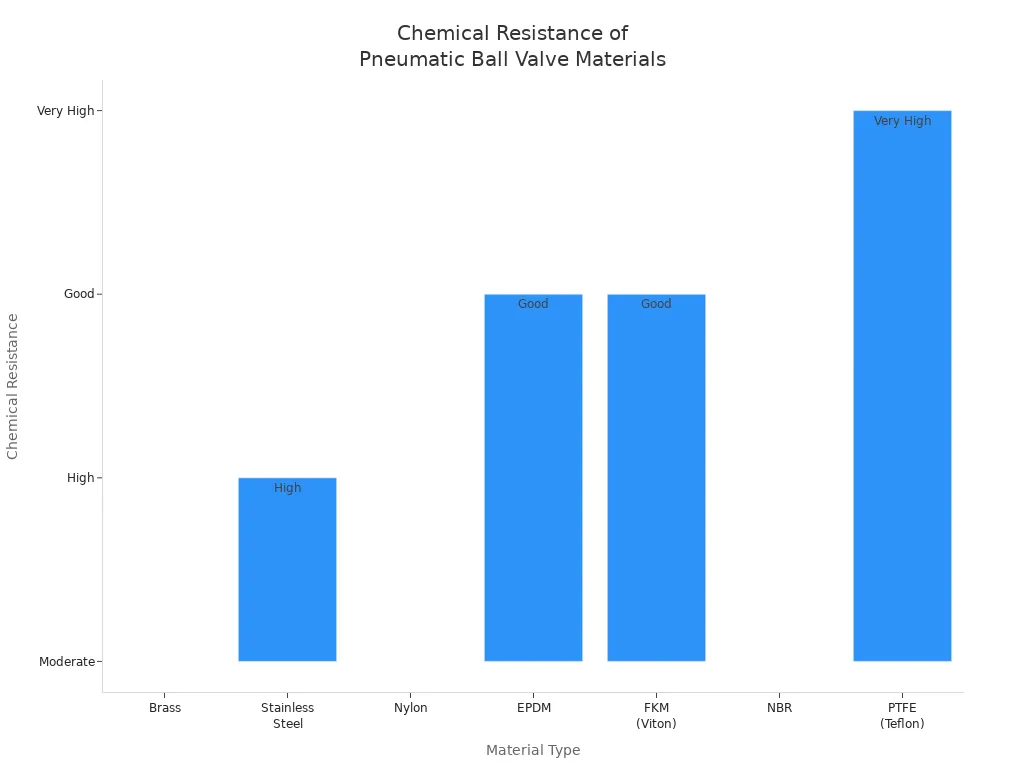
The material and seal decide how the valve handles different fluids. Stainless steel is best for tough jobs and harsh chemicals. PTFE (Teflon) seals are very good with many chemicals. They also work with lots of fluids. The table below shows some common materials and how well they resist chemicals:
| Material Type | Description | Chemical Resistance |
|---|---|---|
| Brass | Works with many chemicals, not good for seawater | Moderate |
| Stainless Steel | Great for harsh chemicals, lasts a long time | High |
| Nylon | Cheap and useful for many jobs | Moderate |
| EPDM | Good for hot water | Good |
| FKM (Viton) | Works with air, oils, and fuels | Good |
| NBR | For water and oil up to 75°C | Moderate |
| PTFE (Teflon) | Handles almost all chemicals, high pressure and heat | Very High |
Tip: NTGD pneumatic ball valves use strong materials and seals. This makes them good for hard jobs.
Connection Methods
There are different ways to connect your pneumatic ball valve. Each way works best for certain systems:
- Flanged connections are good for big pipes and high pressure.
- Threaded connections are easy and cheap, best for small pipes.
- Tri-clamp connections are simple to clean and put in, good for low pressure.
- Wafer-type connections are small and fit medium pressure pipes.
- Welded connections are strong and do not leak, great for high pressure but hard to change.
Temperature Range
Temperature changes how your valve works. Most pneumatic actuator ball valves work from 200°C to 250°C. Nitrile types can handle 120°C to 150°C. Trunnion-mounted valves can go up to 500°C or more. Always check the temperature range to make sure it fits your system.
| Type of Valve | Temperature Range (°C) |
|---|---|
| Pneumatic Actuator Ball Valve | 200 – 250 |
| Pneumatic Actuator Ball Valve (Nitrile) | 120 – 150 |
| Trunnion-mounted Pneumatic Ball Valve | 300 – 500 or higher |
Callout: If you think about these things when picking a pneumatic ball valve, you get better control, safety, and longer valve life.
Benefits and Drawbacks
Benefits
You get many advantages of using pneumatic ball valves in your system. These valves help you control flow quickly and safely. NTGD designs each pneumatic ball valve to give you strong performance and long life. Here are some key benefits you will notice:
| Benefit | Description |
|---|---|
| Quick Operation | You can open or close the valve fast with a simple 90-degree turn. |
| Minimal Flow Resistance | The full-bore design lets fluid move easily, so you lose less pressure. |
| Low Torque Requirements | The quarter-turn action means you need less force to move the valve. |
| Durability in High-Frequency Ops | Strong materials help the valve last longer, even with lots of use. |
- You save energy because the valve does not slow down the flow.
- You get reliable flow control and regulation, even in tough jobs.
- You spend less time on repairs since the valve needs little maintenance.
- You can use a pneumatic ball valve in many places, from factories to water plants.
Tip: NTGD pneumatic ball valves help you keep your system safe and efficient with fast action and strong seals.
Drawbacks
You should also know about the limits of a pneumatic ball valve. Every valve has some drawbacks. Knowing these helps you make better choices for your flow control needs.
- You need a steady air supply for the pneumatic actuator to work. If you lose air, the valve may not open or close.
- The valve can cost more at first than a simple manual valve.
- Some valves may not handle very thick or dirty fluids well.
- You may need extra space for the actuator and air lines.
If you plan your system well, you can reduce these problems. NTGD offers support to help you pick the right valve for your job.
Note: Always check your system’s needs before you choose a pneumatic ball valve. This helps you get the best results for flow control and regulation.
Applications of Pneumatic Ball Valves
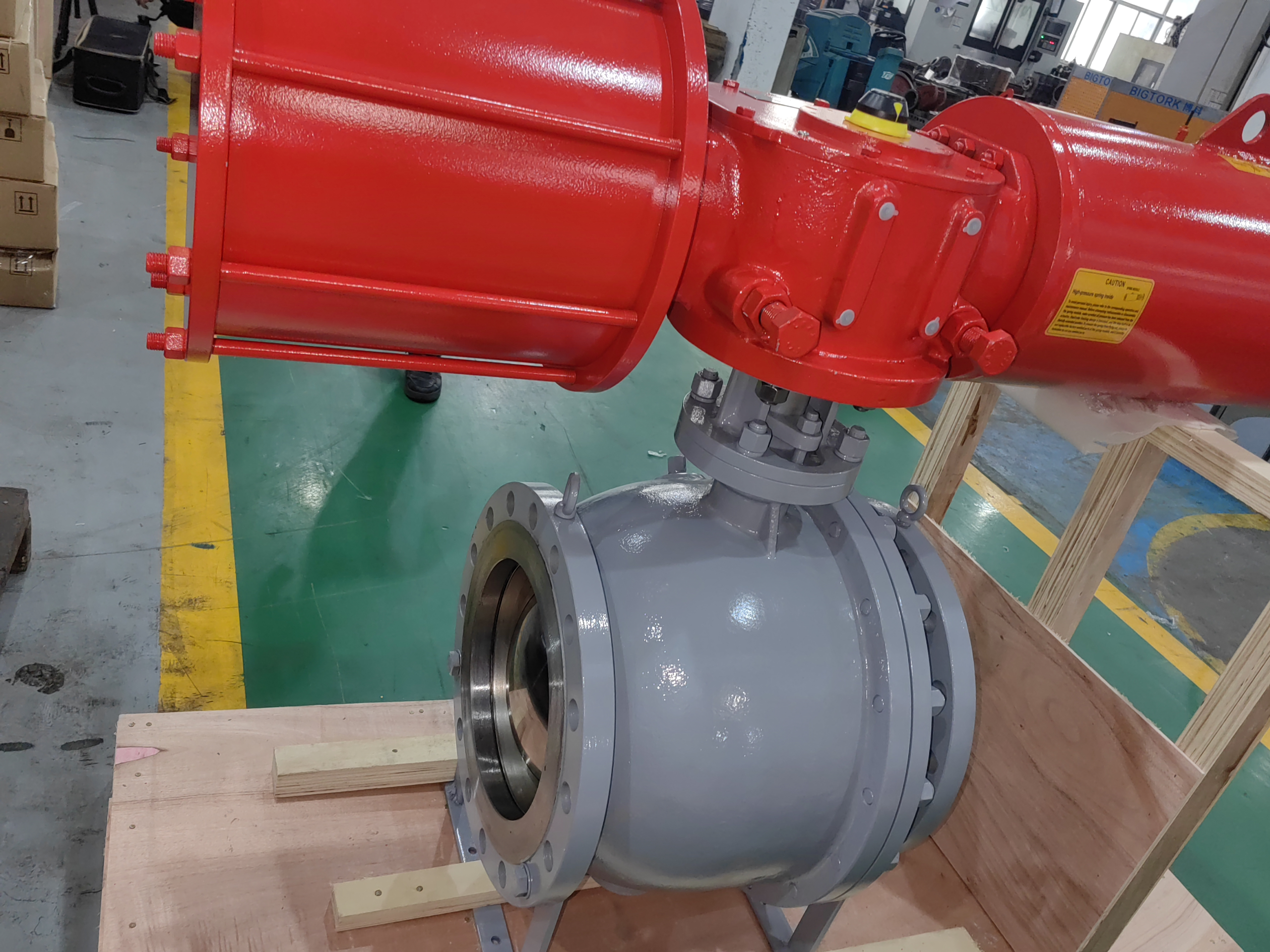
You can use pneumatic ball valves in many industries. These valves help you control flow fast and safely. The table below lists some main uses:
| Application |
|---|
| Chemical |
| Medical |
| Mining |
| Automation |
| Other |
Industrial Automation
In industrial automation, pneumatic ball valves move liquids and gases. These valves connect to control systems. You can change flow right away. They close in about 0.8 seconds. This quick action keeps your process safe and smooth. You get good control and strong parts. NTGD pneumatic ball valves last long, even in tough places.
Key performance points are:
- Response Time: Opens and closes quickly for fast changes.
- Control Accuracy: Lets you control flow exactly.
- Durability: Works well under high pressure and heat.
- Reliability: Protects control parts from harsh fluids.
Tip: Use these valves for batch jobs and to plan repairs before problems happen.
Water and Wastewater
Pneumatic ball valves are used in water and wastewater plants. They help keep flow and pressure steady. These valves help you follow rules for clean water. You save money because they use less energy.
Some common jobs are:
- Flow Regulation: Change water flow at each step.
- Pressure Control: Keep pressure at safe levels.
- Process Automation: Connect valves to systems for better control.
These valves help stop pollution and make water cleaner.
Oil and Gas
Oil and gas jobs need strong valves. NTGD pneumatic ball valves seal tight and work fast. You use them to control oil, gas, and other fluids in pipes. They work well with high pressure and heat. You can trust them to keep your system safe.
Food and Beverage
Food and drink jobs need clean valves. Sanitary pneumatic ball valves have smooth surfaces. This stops germs from growing. The valve body is stainless steel. All parts that touch food are polished. There are no cracks or holes, so food stays safe. NTGD valves meet strict food safety rules.
Note: Always pick valves that fit your job. NTGD helps you choose the best pneumatic ball valve for your needs.
Installation and Maintenance
Installation
You want your pneumatic ball valve to work right from the start. Good installation helps your system stay safe and work well. Follow these steps to get the best results:
- Look at the valve and fittings for any damage before starting.
- Make sure the valve fits your system by checking the specs.
- Get tools like a wrench, screwdriver, and sealant ready.
- Clean the pipes to get rid of dirt and old fluid.
- Find the arrow on the valve to check which way the flow goes.
- Line up the valve with the pipes and attach it tightly.
- Think about how you will reach the actuator and the flow direction.
- Leave space for heat to make parts bigger if it gets hot.
- Keep flanges straight so the valve does not get bent.
Tip: NTGD says to follow these steps to stop leaks and help your valve last longer.
Maintenance
Doing regular maintenance helps your pneumatic ball valve last longer. You should clean and check the valve at least once every year. Use the right cleaner for the valve’s material. Put synthetic oil on moving parts to keep them working well. Use covers or boxes to keep out bad weather and dust.
| Best Practice | Description |
|---|---|
| Proper installation | Have trained workers put in the valve to stop early repairs. |
| Regular cleanings | Clean the valve every year to stop dirt from building up. |
| Valve lubrication | Use the right oil so the valve moves easily. |
| Routine inspections | Check for leaks, rust, and tightness every year. |
| Environmental protection | Use covers to keep out dirt and water. |
| Diagnostics and calibration | Test the valve to make sure it works right. |
Note: NTGD’s maintenance tips help you stop big problems and keep your pneumatic system working well.
Troubleshooting
Sometimes, your pneumatic ball valve may have problems. Here are some common issues and how to fix them:
- Air leaks: Listen for hissing or see air pressure drop. Tighten the fittings, change seals, or check hoses.
- Blockages: Dirt can slow the valve down. Turn off the system, clean with air, and change filters if needed.
- Pressure problems: Bad regulator settings or broken compressors cause trouble. Check the regulator, look at the compressor, and change old parts.
Callout: Fast troubleshooting keeps your NTGD pneumatic ball valve working and your system safe.
Pneumatic vs. Electric
Operation
Before you pick a valve, you should know how each one works. A pneumatic ball valve uses air to move fast. It opens and closes quickly. This is good when you need to change flow fast. Electric ball valves use a motor to turn the ball. They take longer to open and close. But they move smoothly. The table below shows how they are different:
| Metric | Pneumatic Actuated Ball Valves | Electric Actuated Ball Valves |
|---|---|---|
| Speed | 1–3 seconds (small valves) | 5–10 seconds (depends on motor) |
| 3–6 seconds (medium valves) | 10–15 seconds (large valves) | |
| Response Time | 0.2–1 second | 2–5 seconds |
| Reliability | High, fewer moving parts | Good, but more complex |
Tip: If you want fast and reliable action, NTGD says to use a pneumatic ball valve.
Performance
How well a valve works depends on your job. Pneumatic valves work in very hot or cold places. You can use them with strong chemicals or high pressure. Electric valves are best in normal weather and when you need careful control. The table below helps you see the differences:
| Feature | Electric Actuators | Pneumatic Actuators |
|---|---|---|
| Temperature Resistance | -30°C to +70°C | 196°C to +200°C |
| Corrosion Resistance | IP67-rated, good for chemicals | Stainless steel, good for offshore |
| Pressure Handling | Up to 100 Nm torque | High force, good for thick fluids |
| Maintenance | Few moving parts, motor can fail | Simple, needs dry air |
| Safety | Battery backup options | Spring-return for safety |
Note: NTGD pneumatic ball valves are strong and last long in hard jobs.
Application Suitability
You should pick the valve that fits your system. Pneumatic ball valves are best for factories and water plants. They work well when flow changes fast. They also handle thick or dirty fluids. Electric valves are good for labs and HVAC. They are best when you want slow and steady flow. NTGD has both types, so you can choose what you need.
- Use a pneumatic ball valve for quick shut-off and high pressure.
- Pick an electric valve for slow and careful flow.
Callout: Always check what your system needs before you choose. NTGD can help you find the right valve for your job.
Future Trends
Automation
Big changes are coming for pneumatic ball valves. Automation is growing fast in many jobs. New features will make your work easier and safer. Companies now make energy-saving designs. These valves use less power and save energy. You spend less money on running costs.
More valves now connect to smart systems with IoT. You can watch how your valve works all the time. This helps you find problems early and fix them before things break. Your system keeps working without stopping.
Valves are also getting smaller and easier to fit. You can put them in tight spots where old valves could not go. This is good for places with little space for machines.
Tip: NTGD has pneumatic ball valves that help with smart automation and save energy. You get strong and modern valves you can trust.
Materials
The materials in pneumatic ball valves are changing too. You will see new choices that last longer and work better. Some new valves may use designs that copy nature. These designs help valves bend and stay safe. You can use them in more ways.
Companies test new metals and plastics for valves. These materials can handle strong chemicals and high heat. You can use your valve in more places without worry. NTGD follows these trends to give you safe and strong valves for every job.
| Material Trend | Benefit |
|---|---|
| Advanced alloys | Better strength and durability |
| High-tech plastics | Improved chemical resistance |
| Bio-inspired designs | More flexibility and safety |
You can count on NTGD to bring you the newest pneumatic ball valve technology. You will always have valves that fit new industry needs.
You now know how a pneumatic ball valve works and why it is important in many jobs. When picking a pneumatic ball valve, think about what your system needs. Follow NTGD’s advice for putting in and taking care of the valve. These valves help you control flow fast and keep things safe.
Keep learning about new pneumatic technology and let NTGD help with your next project.