
Author Name: Bruce Zheng
Author Role: Co-Founder and Valve Engineer at NTGD Valve
Author Bio: Bruce Zheng is Co-Founder and Valve Engineer at NTGD Valve, focusing on industrial valve selection, application, and technical content for global B2B buyers.
Last Updated: May 27, 2026
Quick Answer: How to Choose a Butterfly Valve
Butterfly valve selection should start with the service condition, not with the valve type alone. Before choosing a concentric, double-offset, triple-offset, wafer, lug, flanged, manual, pneumatic or electric butterfly valve, define the media, pressure, temperature, flow requirement, shutoff expectation, solids content, corrosion risk and operation frequency.
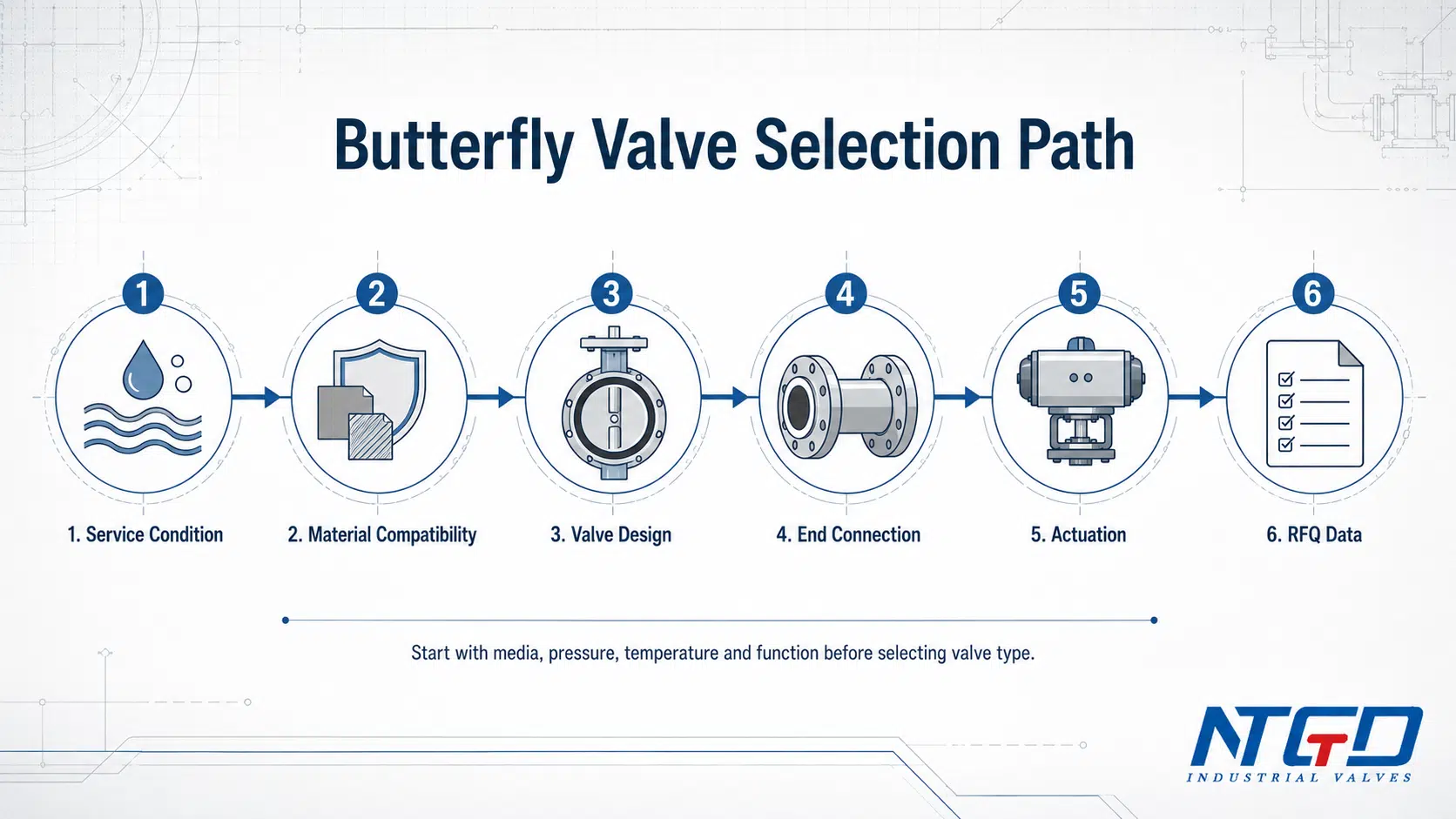
For most industrial applications, the basic selection path is:
- Define whether the valve is mainly for isolation, throttling or both.
- Verify media type, temperature, pressure, flow rate and possible pressure drop.
- Select suitable seat, disc and body materials for the service.
- Choose the valve design: concentric, double offset or triple offset.
- Specify the end connection and actuation method.
- Prepare the RFQ data so the manufacturer can review size, rating, materials, actuation and documentation requirements.
Incorrect butterfly valve selection can cause leakage, high operating torque, unstable throttling, premature seat wear or unplanned maintenance. In many projects, these problems can cost more than the difference between two valve options.
Start with the service condition, not the valve type
A common mistake is to ask, “Should I use a wafer or lug butterfly valve?” before checking the service condition. Body style matters, but it is not the first decision.
The first questions should be:
- What media will pass through the valve?
- Is the media clean, corrosive, viscous, abrasive or solid-laden?
- What are the operating pressure and temperature?
- Is the valve used for isolation, throttling or control?
- How often will the valve operate?
- Is manual operation acceptable, or is actuation required?
- What pipeline standard, flange standard or documentation package is needed?
If these questions are skipped, the valve may look correct on size and pressure class but still fail because the seat is incompatible, the actuator torque is insufficient, or the shutoff requirement is unrealistic for the selected design.
A practical butterfly valve selection path
A practical selection path for industrial buyers is:
Service condition → material compatibility → valve design → end connection → actuation → RFQ confirmation
This approach helps avoid choosing a valve only by size, pressure class or price. Two butterfly valves may have the same nominal size and pressure rating, but they can behave very differently if the seat material, disc design, body style or actuator is not suitable for the actual service.
For a broader valve-type comparison before narrowing to butterfly-specific choices, see NTGD’s industrial valve selection guide.
Butterfly Valve Selection Criteria Matrix
The following matrix gives a practical starting point for butterfly valve selection. It should not replace manufacturer review, but it helps organize the key information before an RFQ.
| Selection Factor | What to Check | Why It Matters | Selection Direction | RFQ Data Needed |
|---|---|---|---|---|
| Media | Water, wastewater, chemical, steam, gas, slurry, oil, powder or mixed fluid | Media affects seat, disc, body and sealing choice | Match materials to corrosion, abrasion and compatibility risk | Media name, concentration, cleanliness, solids content |
| Temperature | Normal, high, low or cycling temperature | Seat materials and sealing performance are temperature-sensitive | Soft seat, PTFE, FKM or metal seat may be considered depending on service | Operating and design temperature |
| Pressure | Working pressure, shutoff pressure and pressure fluctuations | Pressure affects body rating, disc strength, seat load and actuator torque | Verify pressure class and shutoff requirement | Design pressure, working pressure, differential pressure |
| Flow Requirement | Full open/close, throttling, flow regulation or emergency shutoff | Butterfly valves are not equally suitable for all control duties | Define whether isolation or control is the main function | Flow rate, expected opening position, pressure drop |
| Seat Material | EPDM, NBR, PTFE, FKM, metal seat or other materials | Seat choice affects leakage, chemical resistance, wear and service life | Select by media, temperature, pressure and valve design | Preferred seat material or service data for review |
| Disc Material | Ductile iron, stainless steel, alloy or coated disc | Disc contacts the media and affects corrosion and wear resistance | Match disc material with media and service severity | Disc material requirement |
| Body Material | Cast iron, ductile iron, carbon steel, stainless steel or alloy | Body material affects pressure boundary and corrosion resistance | Match body material to pipeline, pressure and environment | Body material, standard, coating requirement |
| Valve Design | Concentric, double offset, triple offset | Design affects sealing, torque, temperature range and service severity | Choose design based on service severity and shutoff expectation | Valve type, pressure class, shutoff class if required |
| End Connection | Wafer, lug, flanged or double flanged | Affects installation, maintenance and pipeline support | Match to piping layout, isolation needs and flange standard | End connection, flange standard, face-to-face requirement |
| Actuation | Lever, gearbox, pneumatic actuator, electric actuator | Operation method affects torque, speed, automation and safety | Choose by valve size, frequency, accessibility and control system | Manual or actuated, signal type, fail position |
| Installation Conditions | Space, orientation, access, vibration and maintenance needs | Poor access or incorrect installation can reduce service life | Review piping layout and accessibility before purchase | Installation drawing, pipeline orientation |
| Documentation | Standards, inspection, testing, certificates | Important for EPC, project and regulated industries | Define documentation before quotation | Inspection, test report, certificate and standard requirements |
How to use the criteria before requesting a quote
Use this matrix as a pre-selection tool before requesting a quote. If media, temperature, differential pressure, flow requirement or operating function is missing, the valve recommendation will remain uncertain. The safest next step is to complete the missing service data first, then verify the final valve configuration with the manufacturer.
Start with Operating Conditions: Media, Pressure, Temperature and Flow
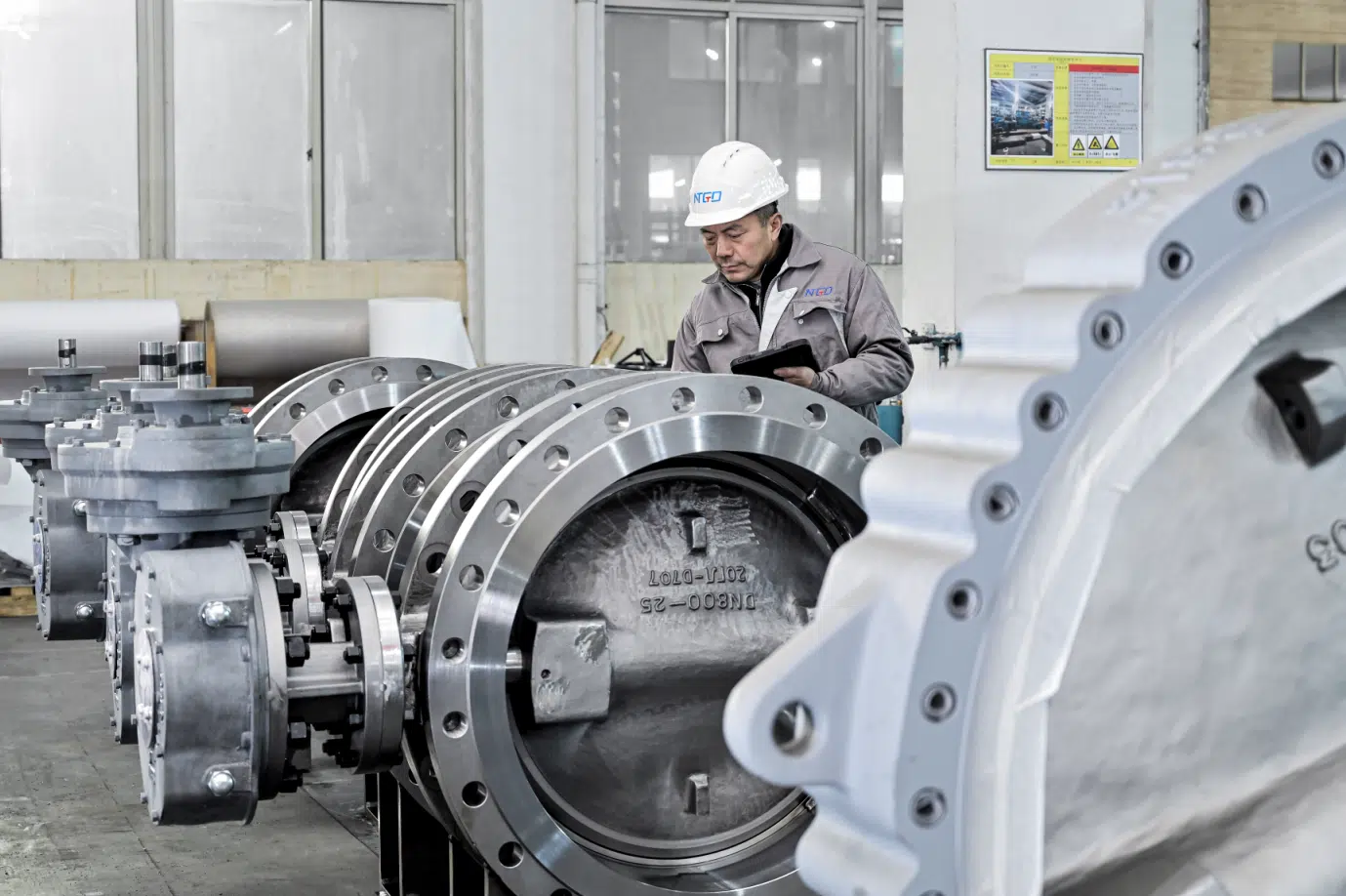
Operating conditions control nearly every butterfly valve selection decision. A valve that works well in clean water may not be suitable for abrasive slurry, high-temperature steam, corrosive chemicals or frequent modulating service.
Media type, corrosion, viscosity and solids content
The media determines how the valve body, seat, disc and stem will interact with the process. Clean water, wastewater, air, chemical media, oil, steam, slurry and powder service all place different demands on the valve.
For clean water or general utility service, a resilient-seated butterfly valve may be suitable if pressure and temperature are within the material range. For corrosive media, the body, disc and seat must be reviewed carefully. For slurry or abrasive service, seat wear, disc erosion and solids accumulation should be evaluated before selecting a standard soft-seated design.
Important media-related checks include:
- Is the media clean or dirty?
- Does it contain solids, fibers, scale or abrasive particles?
- Is it corrosive or chemically aggressive?
- Does it contain oil, solvent, acid, alkali or chloride?
- Is the media viscous or sticky?
- Will the valve be exposed to frequent cleaning, flushing or temperature cycling?
These questions help determine whether a standard soft-seated butterfly valve is enough, or whether a higher-performance design, special material, coating or another valve type should be reviewed.
Pressure, temperature and pressure drop limits
Pressure and temperature influence both the pressure boundary and the sealing system. The body material and pressure class must be suitable for the design pressure, while the seat material must remain stable at the operating temperature.
For butterfly valve selection, pressure should not be treated as only one number. Buyers should define:
- normal working pressure;
- maximum design pressure;
- differential pressure across the disc;
- closeoff pressure;
- pressure fluctuation or surge risk;
- expected pressure drop during operation.
Temperature should also be checked under both normal and abnormal conditions. Some elastomeric seats may perform well in moderate-temperature water service but may not be suitable for high-temperature steam, aggressive chemicals or thermal cycling. PTFE, FKM or metal-seated designs may be considered in some services, but the final choice depends on the full service condition and product design.
Flow rate, Cv and sizing confirmation
Sizing a butterfly valve only by pipeline diameter is a common selection mistake, especially when the valve will be used for throttling or automated control.
Butterfly valves can provide a compact flow path, but sizing still matters. An oversized valve may operate at a very small opening during throttling, which can create unstable control, noise, vibration or poor regulation. An undersized valve may create excessive pressure drop or fail to meet flow requirements.
For simple isolation service, line size may often guide the initial valve size, but this still needs validation against pressure, flow and shutoff requirements. For throttling or automated control, the buyer should provide flow rate, pressure drop and control expectations so the manufacturer can review Cv, torque and actuator requirements.
This article does not provide a full butterfly valve sizing chart or Cv calculator. Those calculations depend on detailed process data and product-specific performance information. The safer approach is to provide process data in the RFQ and verify sizing with the manufacturer.
Select Seat, Disc and Body Materials for the Service
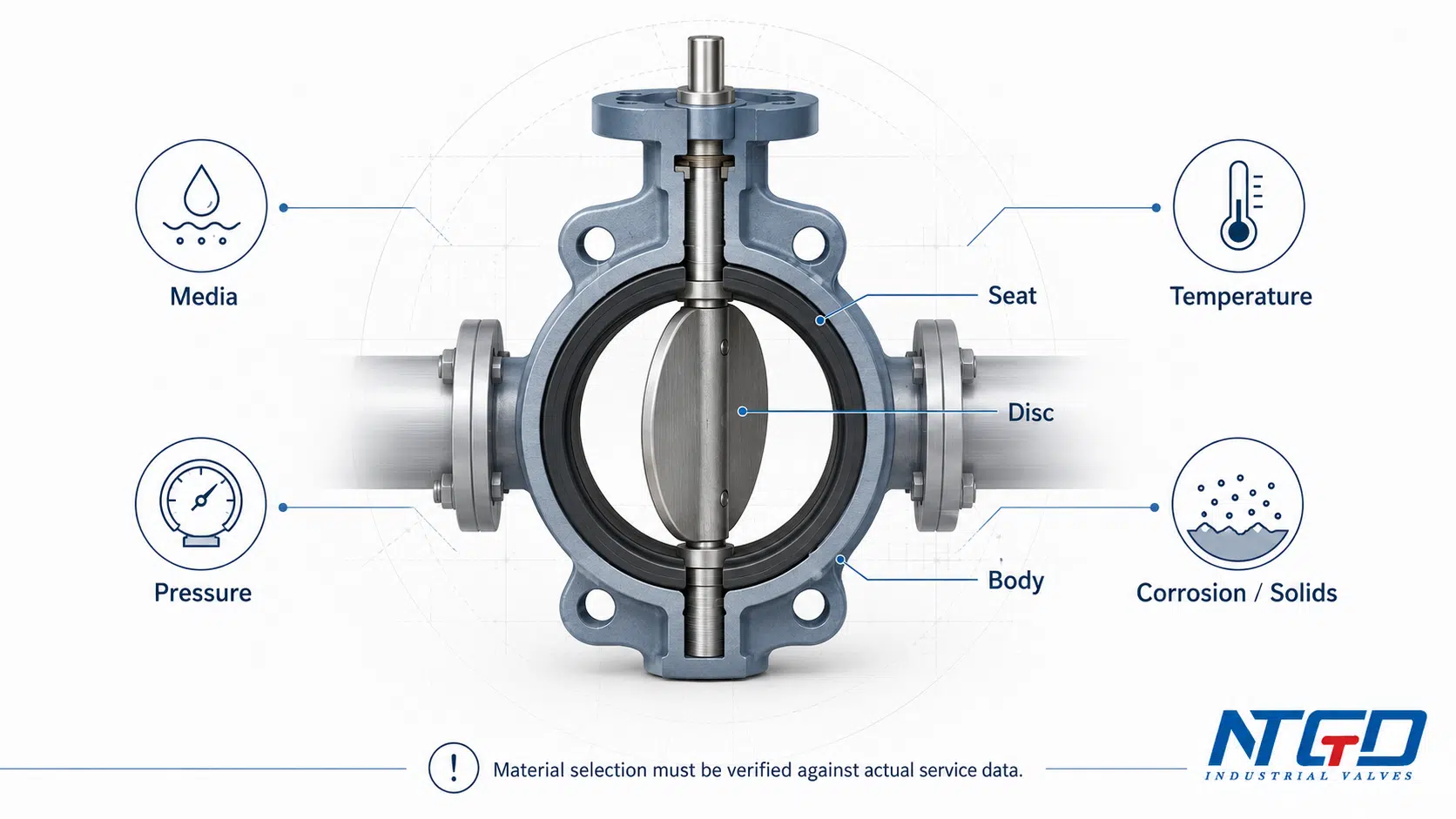
Material selection is one of the most important parts of butterfly valve selection. The seat controls much of the shutoff performance, the disc is directly exposed to the media, and the body forms the pressure boundary.
Seat material and sealing compatibility
The seat is the sealing interface between the valve body and the disc. Seat material affects leakage control, operating torque, temperature range, chemical compatibility, wear resistance and service life.
Common butterfly valve seat directions include:
| Seat / Sealing Direction | Typical Service Consideration | Main Selection Question | Caution |
|---|---|---|---|
| EPDM seat | Water, some wastewater and general non-oil service | Is the media compatible with EPDM and within the seat’s temperature limits? | Not suitable for all oils or hydrocarbons |
| NBR / Buna-N seat | Some oil, air and hydrocarbon-related services | Is oil resistance more important than higher-temperature or chemical resistance? | Not suitable for every chemical or high-temperature service |
| PTFE / R-PTFE seat | Chemical compatibility and lower-friction sealing needs | Is PTFE suitable for the pressure, temperature and valve design? | Mechanical strength and pressure limits must be verified |
| FKM / Viton-type seat | Some higher-temperature or chemical services | Does the service require stronger chemical or temperature resistance? | Compatibility must be checked for the actual media |
| Metal seat | High-temperature, severe service or abrasive conditions in some designs | Is a metal-seated double-offset or triple-offset design required? | Not automatically better for every service; leakage class and design matter |
For chemical exposure or FKM/Viton-type seat discussions, compare the seat family against an elastomer chemical resistance guide instead of relying on the material name alone.
No seat material is universally best. The correct choice depends on media, concentration, temperature, pressure, cleaning process, solids content, abrasion, shutoff expectation and valve design.
A wrong seat choice may lead to swelling, hardening, leakage, higher operating torque or shortened service life under the actual media and temperature. This section provides a selection-level material boundary only; detailed compatibility curves, manufacturer-specific compounds and replacement-seat decisions should be verified with product data or a dedicated seat material guide.
A safe seat selection question is not “Which material is best?” but:
Which seat material remains compatible and stable under the actual media, pressure, temperature and operating cycle?
Disc and body material selection
The disc is exposed to flow and often contacts the seat during operation. Its material should be selected according to corrosion risk, abrasion risk and shutoff expectation.
Common disc and body considerations include:
| Component | What to Review | Selection Logic |
|---|---|---|
| Disc | Corrosion, coating, erosion, surface finish, contact with seat | Select material that can resist media attack and maintain sealing surface condition |
| Body | Pressure boundary, external environment, pipeline material, coating | Select material and coating suitable for pressure, corrosion and installation environment |
| Stem | Torque transmission, corrosion, strength | Specify stem material for operating torque and service exposure |
| Liner / coating | Corrosion or abrasion protection | Review compatibility with media and operating temperature |
For general water service, ductile iron or cast iron bodies may be used depending on pressure and standard requirements. For corrosive chemical service, stainless steel or lined designs may be reviewed. For abrasive service, disc coating, seat wear and flow behavior should be evaluated carefully.
When corrosion resistance is the main driver, compare the service data with NTGD’s stainless steel butterfly valve options instead of selecting body material by name alone.
Why material selection must be confirmed by service data
Material selection should never be made from material names alone, because even the same material can perform very differently under varying service conditions.
Performance can change with:
- media concentration;
- temperature;
- pressure;
- solids content;
- flow velocity;
- cleaning process;
- exposure time;
- cycling frequency;
- sealing load;
- valve design.
This is why RFQ data should include the exact media and operating condition. A material table can guide discussion, but the final selection should be verified against actual service data and the manufacturer’s product range.
Choose the Valve Design: Concentric, Double Offset or Triple Offset
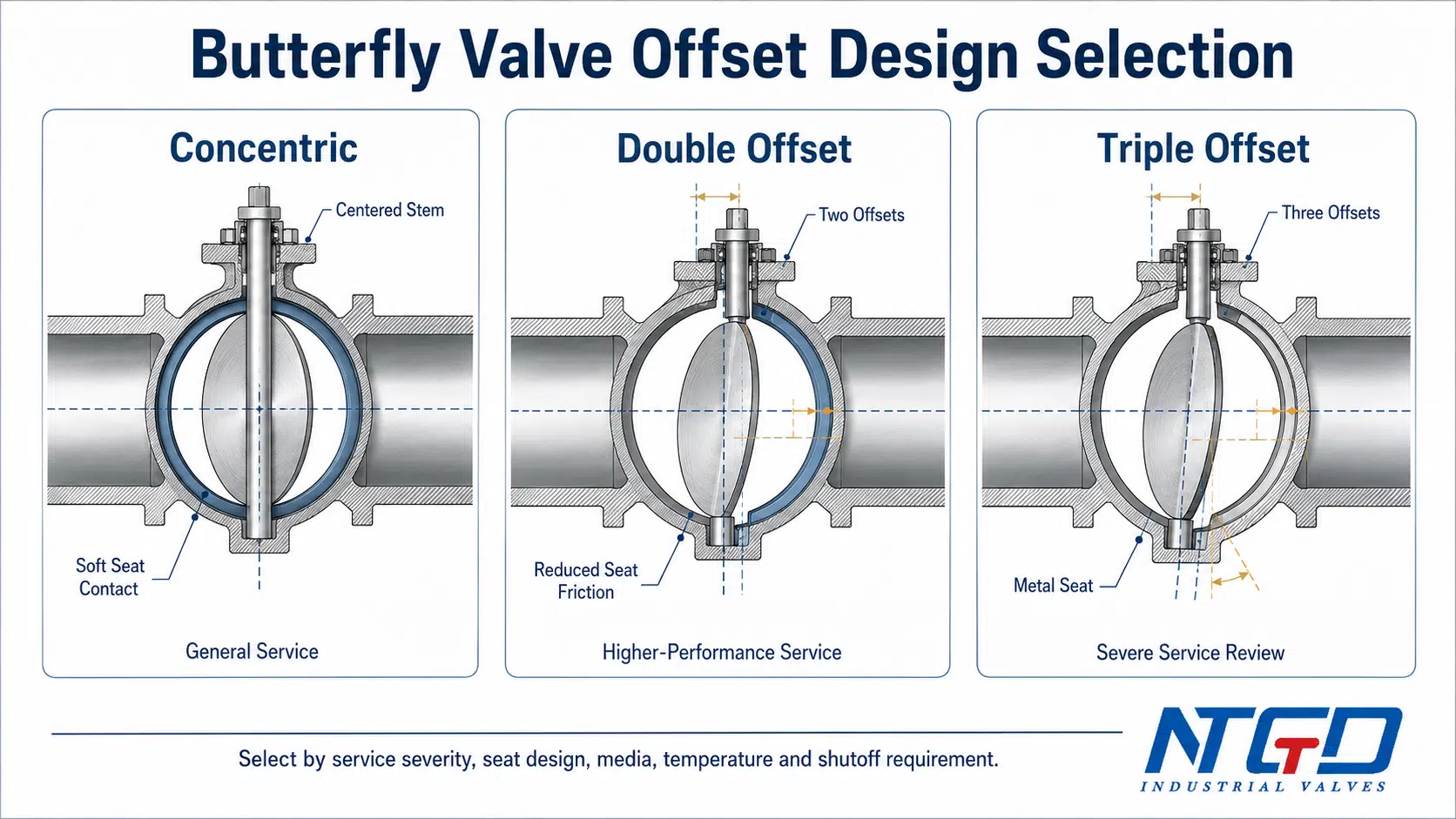
Butterfly valve design affects sealing behavior, torque, seat wear, pressure range, temperature suitability and application fit. The selection should be based on service severity, not only on nominal size.
For a wider overview of concentric, double-offset, triple-offset and connection-based categories, use the butterfly valve types guide before returning to the service-condition selection criteria in this article.
Concentric and resilient-seated butterfly valves
A concentric butterfly valve has the stem centered in the disc and body. Many common soft-seated butterfly valves use this design. The disc contacts the resilient seat during opening and closing.
Typical selection direction:
- clean water;
- HVAC water systems;
- general utility pipelines;
- low to moderate pressure service;
- simple on/off operation;
- compact installation.
Main advantages include simple structure, compact body, lower cost and quick quarter-turn operation. However, because the disc and seat remain in contact during rotation, seat wear and friction should be considered, especially in frequent operation, abrasive media or high-temperature service.
A concentric soft-seated butterfly valve should not be treated as a universal solution for every industrial service. In abrasive media, frequent cycling, demanding shutoff or elevated-temperature service, the same seat contact that makes the design simple may also increase wear, torque or leakage risk.
Double-offset and high-performance butterfly valves
A double-offset butterfly valve moves the disc away from the seat more efficiently during opening. This can reduce seat friction and improve service capability compared with a basic concentric design.
Typical selection direction:
- higher pressure or temperature than standard resilient-seated service;
- more demanding shutoff requirements;
- chemical, oil and gas, steam or industrial utility service depending on design;
- applications where seat wear and torque must be reviewed more carefully.
Double-offset or high-performance butterfly valves may use soft seats, PTFE seats or other sealing designs depending on the product. The buyer should verify pressure rating, seat material, leakage requirement, temperature range and media compatibility.
A double-offset design is a stronger selection direction for more demanding service, but it still may not be enough for severe abrasive slurry, very high-temperature service or strict metal-seated shutoff requirements unless the exact design is reviewed.
Triple-offset and metal-seated butterfly valves
A triple-offset butterfly valve uses three offset geometries to reduce friction between the disc and seat. It is often considered for more severe service, higher temperature, metal seating or tighter shutoff requirements.
Typical selection direction:
- high-temperature service;
- severe industrial processes;
- metal-seated sealing;
- critical shutoff applications;
- services where soft seats may not be suitable.
Triple-offset designs can be valuable, but they should not be selected only because they sound more advanced. The service must justify the design. The buyer should verify leakage class, pressure class, seat design, body material, disc material, actuator torque and applicable standards.
For general water, utility or low-severity service, a triple-offset valve may add unnecessary cost and complexity without improving the actual application outcome.
For a deeper review of when this design is justified, see NTGD’s guide to the advantages and disadvantages of a triple eccentric butterfly valve.
Choose the End Connection and Actuation Method
End connection and actuation determine how the butterfly valve fits into the pipeline and how it will be operated. These choices affect installation, maintenance, shutoff, automation and long-term usability.
Wafer, lug and flanged body styles
Common butterfly valve body styles include wafer, lug and flanged designs.
| Body Style | Typical Selection Direction | Main Review Point | Caution |
|---|---|---|---|
| Wafer butterfly valve | Compact installation between flanges | Space-saving and general inline service | Not all wafer designs are suitable for dead-end service |
| Lug butterfly valve | Applications requiring bolted installation on both sides | Pipeline isolation and easier removal of one side in some designs | Dead-end rating must be verified |
| Flanged butterfly valve | Larger sizes or heavier-duty pipeline connection | Stronger connection and easier alignment in some pipelines | Face-to-face and flange standard must be verified |
| Double flanged butterfly valve | Large-diameter water, wastewater or industrial lines | Stable installation and flange-to-flange connection | Weight, installation space and standard must be reviewed |
End connection should be selected based on piping layout, flange standard, maintenance needs and whether one side of the pipeline may need to be removed while the other side remains connected.
For a focused connection comparison, see the wafer-type vs flanged butterfly valve selection guide.
If dead-end service, one-side pipeline removal or limited maintenance access is expected, verify the body style, bolting arrangement and dead-end rating instead of assuming that every wafer, lug or flanged butterfly valve can be used in the same way.
If one-side pipeline removal or dead-end service is part of the project, review the lug butterfly valve configuration carefully with the required dead-end rating.
Manual lever, gearbox, pneumatic and electric actuation
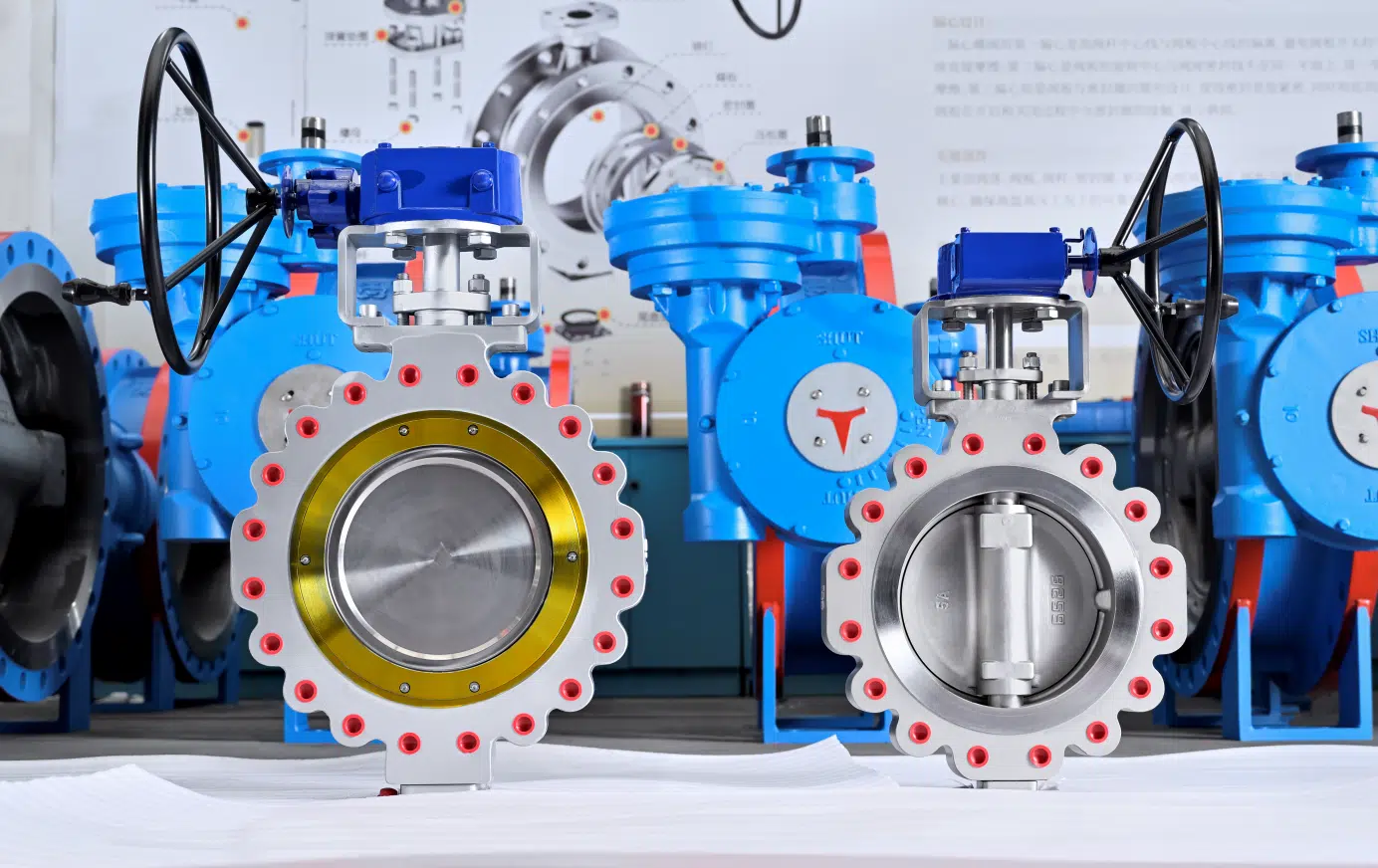
Actuation should be selected according to valve size, operating frequency, torque, accessibility and automation needs.
| Operation Method | Typical Use | Selection Point |
|---|---|---|
| Manual lever | Small sizes and low operating torque | Simple local open/close operation |
| Gearbox | Larger sizes or higher torque | Easier manual operation and better control of disc movement |
| Pneumatic actuator | Frequent operation, fast automation or plant air systems | Define air supply, fail position and control accessories |
| Electric actuator | Remote operation or electrical control systems | Specify voltage, signal, torque and operating environment |
A large butterfly valve may be difficult or unsafe to operate with a simple lever. An automated butterfly valve may require actuator sizing, limit switches, solenoid valves, positioners or control signal review. Actuator selection should be treated as part of valve selection, not as an afterthought.
For larger valves or higher operating torque, a gear operated butterfly valve may be a better manual operation route than a simple lever.
For plant-air automation or frequent open/close service, review the pneumatic butterfly valve route together with actuator torque, accessories and fail position.
For remote electrical operation, an electric actuated butterfly valve should be specified with voltage, control signal, torque and environment data.
Operation frequency, accessibility and automation needs
A butterfly valve that is operated once a month has different requirements from a valve that cycles many times per day. Frequent operation increases the importance of torque, seat wear, actuator durability and control accessories.
Before choosing actuation, define:
- how often the valve opens and closes;
- whether operation is local or remote;
- whether the valve needs modulating control;
- whether a fail-open or fail-close position is required;
- whether the installation area is accessible;
- whether the environment is outdoor, corrosive, dusty or hazardous;
- whether feedback signals are required for the control system.
These details should be included in the RFQ when automation is required.
Match the Valve to Flow Control, Isolation and Application Conditions
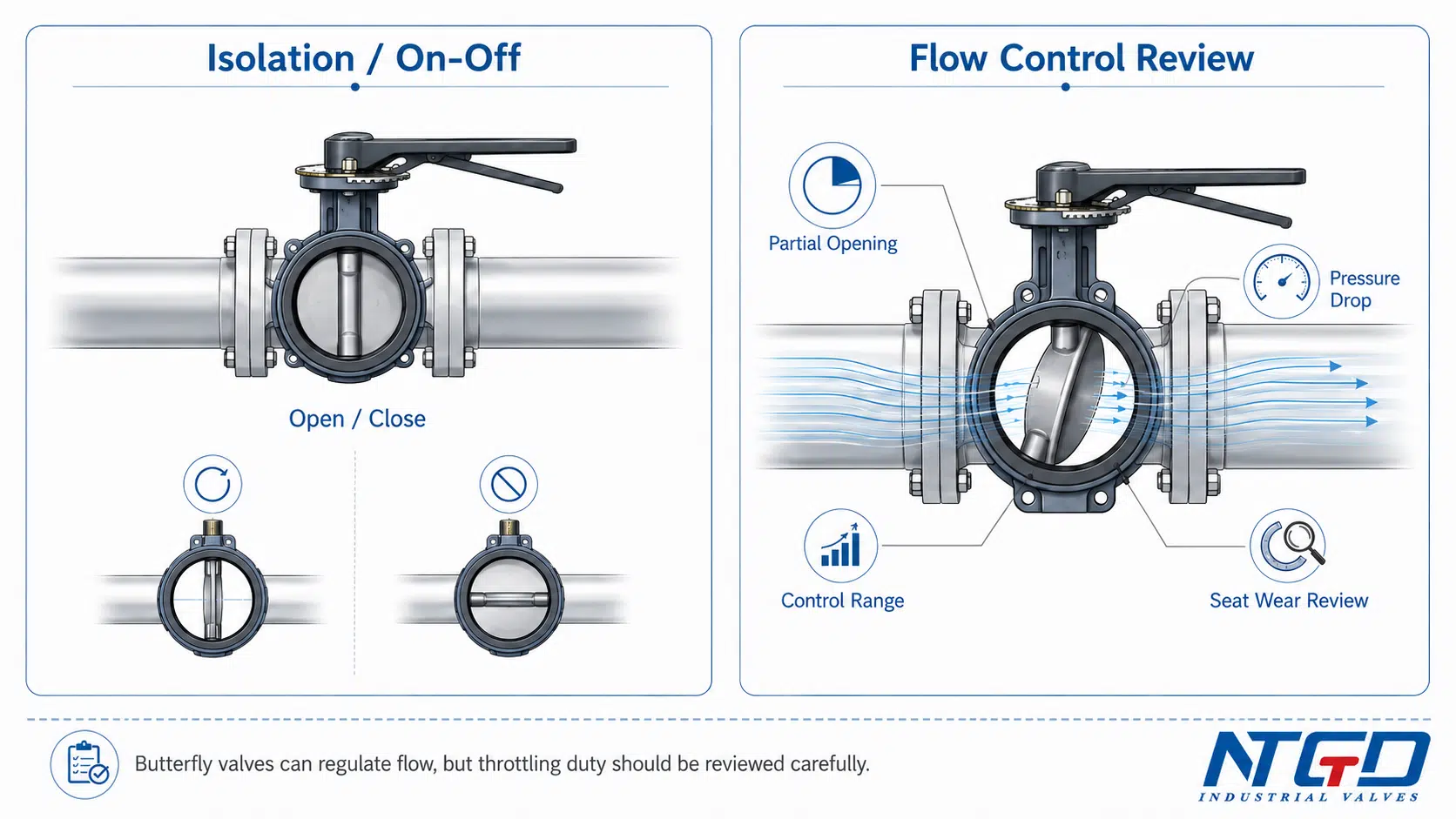
A butterfly valve can be used for isolation and, in some cases, throttling or flow control. However, not every butterfly valve design is suitable for precise control or severe throttling. The application should determine the selection direction.
Isolation, throttling and flow-control limits
For simple isolation, the main concern is whether the valve can open, close and seal reliably under the specified pressure and media conditions. For throttling, additional questions become important:
- What opening range will the valve usually operate in?
- Is stable control required?
- What pressure drop occurs across the valve?
- Is cavitation, noise, vibration or erosion possible?
- Is the seat suitable for partially open operation?
- Is an actuator and positioner required?
Butterfly valves are commonly used for on/off and general flow regulation, but they are not always the best choice for high-precision throttling. If the service requires accurate control over a wide range, the buyer should review the process data carefully and compare the valve type with the control requirement.
For throttling service, poor selection can keep the disc operating near a very small opening angle, where flow becomes less stable and seat wear, noise or vibration may increase.
For throttling duty, keep flow range, pressure drop and cavitation risk in the review; this control valve sizing reference notes that butterfly valves are generally used for limited throttling and can be prone to cavitation at lower flows.
Application mapping by service condition
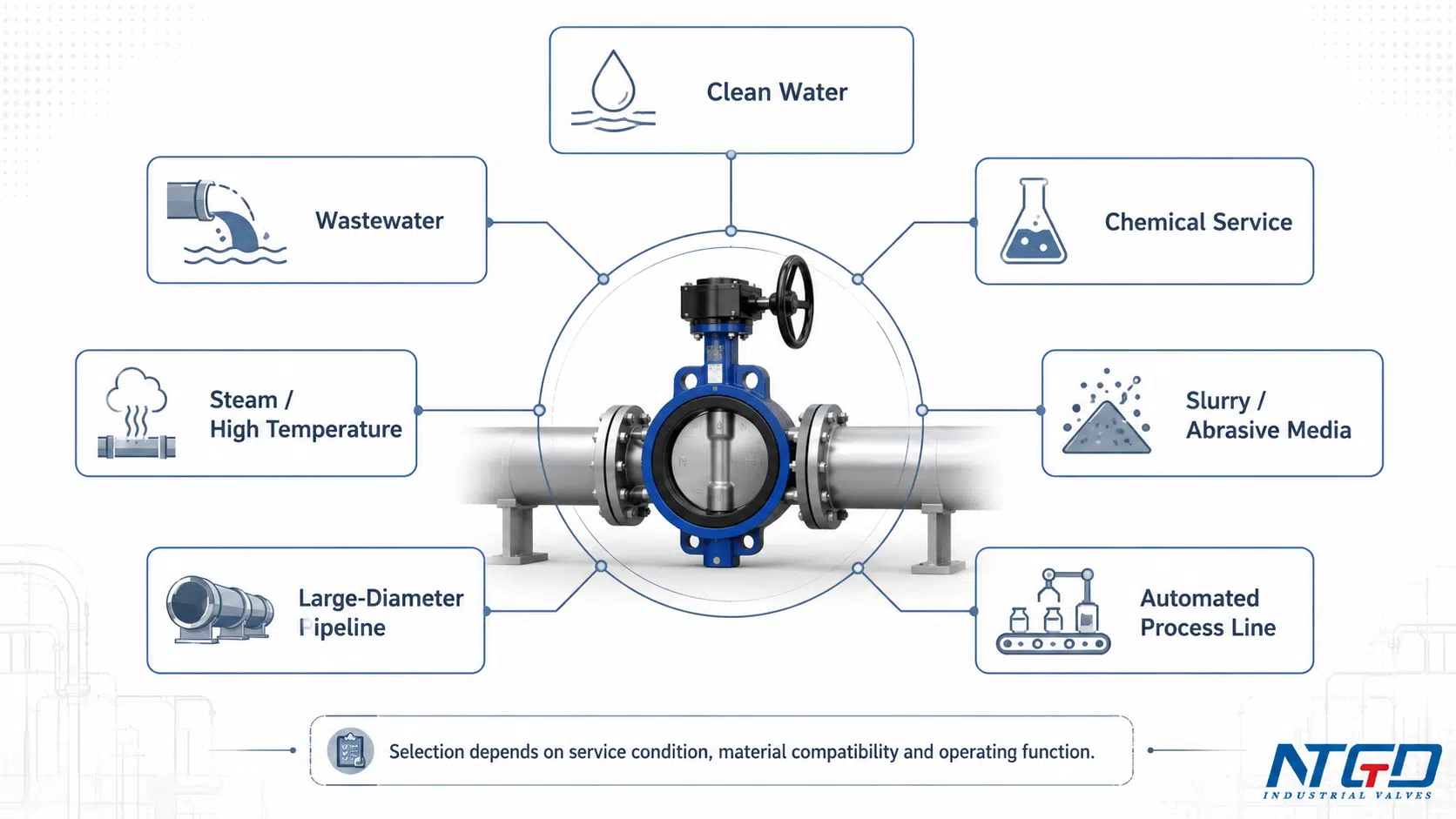
| Service Condition | Common Selection Concern | Possible Butterfly Valve Direction | Caution |
|---|---|---|---|
| Clean water | General shutoff and compact installation | Resilient-seated concentric butterfly valve | Verify pressure, temperature and flange standard |
| Wastewater | Solids, debris and seat wear | Resilient or specially selected design | Review solids content and cleaning risk |
| Chemical service | Corrosion and seat compatibility | PTFE, FKM, stainless steel or lined options may be reviewed | Confirm exact chemical and concentration |
| Steam or high temperature | Seat temperature limit and leakage requirement | High-performance or metal-seated design may be required | Do not assume soft seat is suitable |
| Slurry or abrasive media | Disc erosion, seat wear and solids buildup | Special design or alternative valve type may be needed | Review abrasion and shutoff expectation carefully |
| HVAC / utility water | Space-saving and general flow regulation | Wafer or lug soft-seated butterfly valve | Avoid overextending HVAC logic to severe industrial service |
| Large-diameter pipelines | Installation, torque and actuation | Flanged or double flanged butterfly valve with gearbox or actuator | Verify torque, lifting, support and flange standard |
| Automated process line | Remote operation and control signal | Pneumatic or electric actuated butterfly valve | Specify actuator torque, signal, fail position and accessories |
Application mapping helps narrow the selection, but it does not replace project review. A valve suitable for clean water may not be suitable for slurry, steam or chemical service even if the size and pressure class look similar.
When a butterfly valve may not be the best fit
A butterfly valve may not be the best choice when:
- very precise throttling is required;
- heavy abrasive slurry may damage the disc or seat;
- the media may build up around the disc;
- very tight shutoff is required under severe service;
- high temperature exceeds soft-seat limits;
- the pressure drop or control condition is unsuitable;
- the pipeline requires a full unobstructed bore;
- maintenance access is limited and valve removal is difficult.
In these cases, the buyer should review whether another valve type, a higher-performance butterfly valve design or a special material configuration is more appropriate. For example, precise throttling may require a control-oriented valve design, while full-bore isolation, heavy solids handling or severe abrasive duty may require a different valve type or a specially engineered butterfly valve rather than a standard soft-seated design.
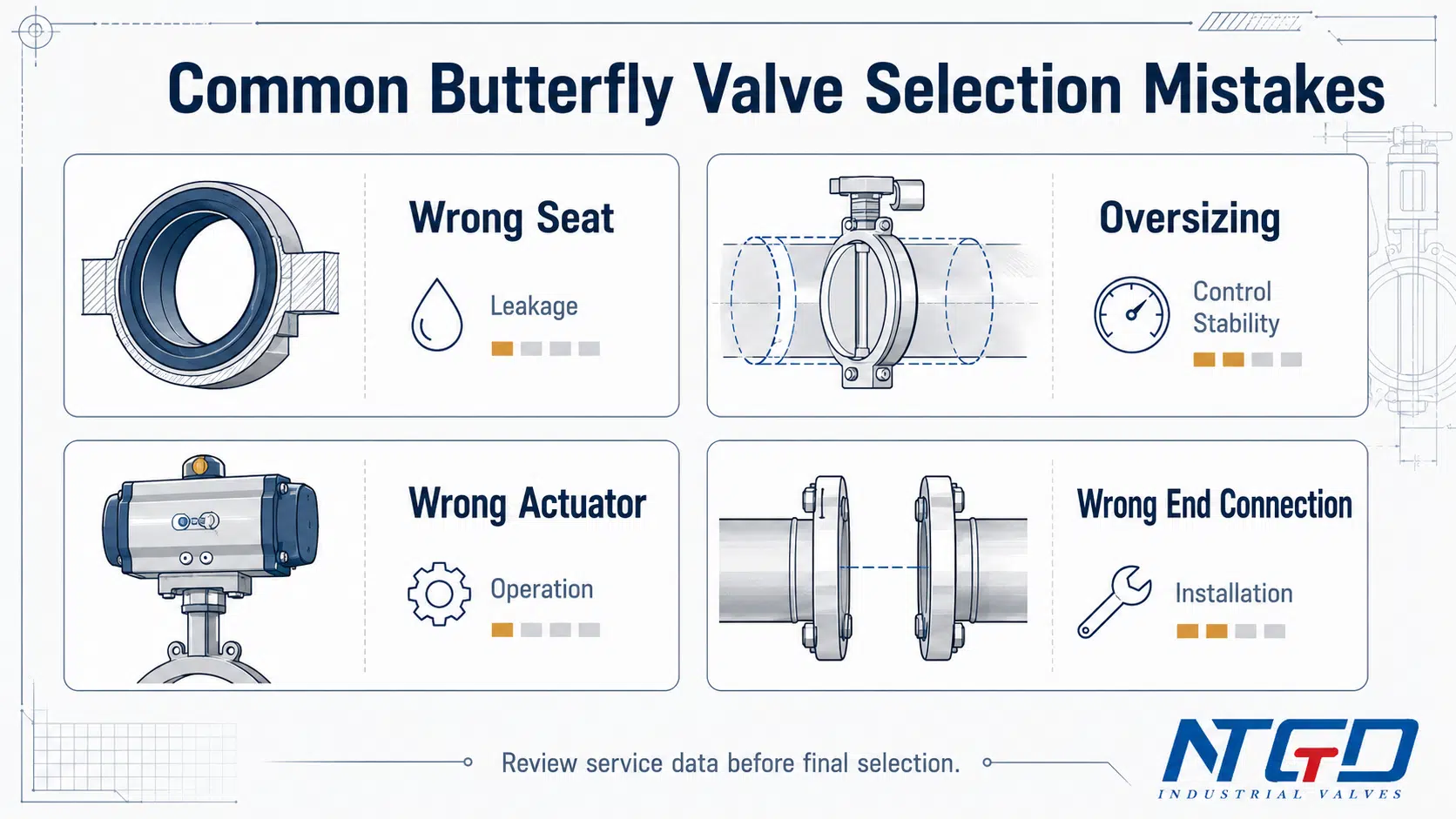
Common Butterfly Valve Selection Mistakes and Engineering Consequences
A good butterfly valve selection guide should not only list options. It should also explain what can go wrong when the wrong option is selected.
| Selection Mistake | Likely Engineering Consequence | How to Avoid It |
|---|---|---|
| Choosing seat material by name only | Seat swelling, hardening, cracking, leakage, unplanned maintenance or shortened service life may occur | Lock the seat option only after actual media, concentration, temperature, pressure and manufacturer data have been reviewed |
| Using a soft seat in unsuitable high-temperature service | Seat deformation, leakage or premature failure | Review temperature range and consider suitable design alternatives |
| Ignoring solids or abrasive particles | Seat wear, disc erosion or incomplete shutoff | Identify solids content, particle type and abrasion risk before selection |
| Treating all butterfly valves as suitable for throttling | Unstable control, noise, vibration or seat damage | Review control range, pressure drop, operating angle and actuator needs |
| Oversizing the valve for control service | Unstable flow control, excessive noise or vibration, premature seat wear and possible actuator stress | Review flow rate, Cv and normal operating range before finalizing size |
| Undersizing the valve | Excessive pressure drop or insufficient flow capacity | Verify process flow and pressure drop data |
| Choosing wafer, lug or flanged body style only by price | Installation conflict or maintenance difficulty | Match body style to piping layout, maintenance plan and dead-end service requirement |
| Using manual operation on a high-torque valve | Difficult or unsafe operation | Verify torque and consider gearbox or actuator |
| Ignoring actuator fail position | Process upset, equipment damage or unsafe conditions may occur during power or air supply failure in critical services | Specify fail-open, fail-close or fail-in-place requirements early |
| Leaving standards and documentation until after quotation | Rework, delays or project approval issues | Include standards, testing and certificates in the RFQ |
These mistakes are common because butterfly valves look simple from the outside. In real pipelines, however, sealing performance, torque, pressure drop and service life depend on the combined effect of media, material, design and operation.
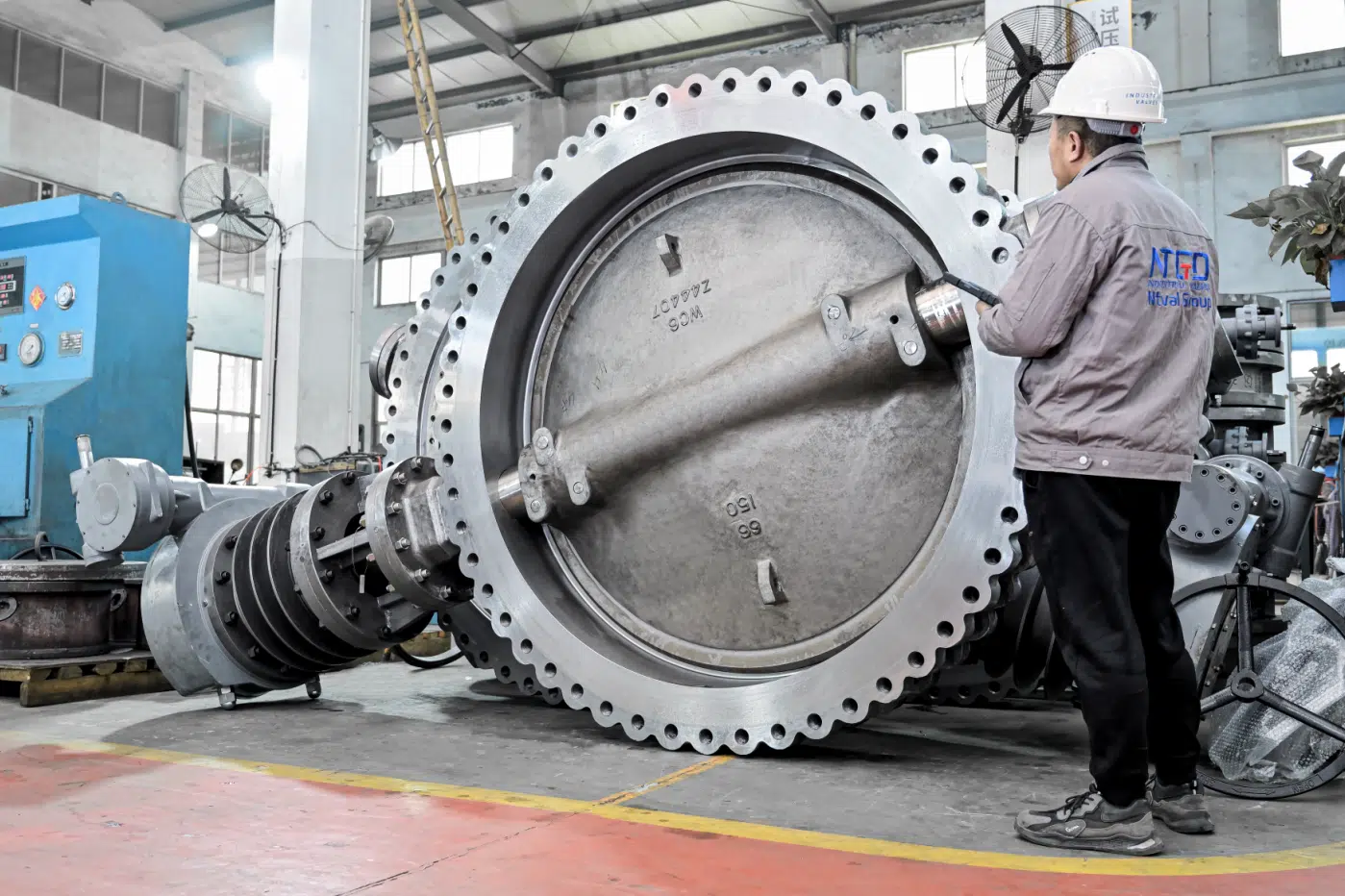
For a real product reference, the following NTGD video shows large triple-offset / eccentric butterfly valves. Use it as a visual support for severe-service butterfly valve design review, not as a replacement for service-condition-based selection.
Butterfly Valve RFQ Checklist
A clear RFQ helps the manufacturer or supplier review the correct valve design. If the RFQ only says “butterfly valve, DN200, PN16,” the recommendation may miss critical service details.
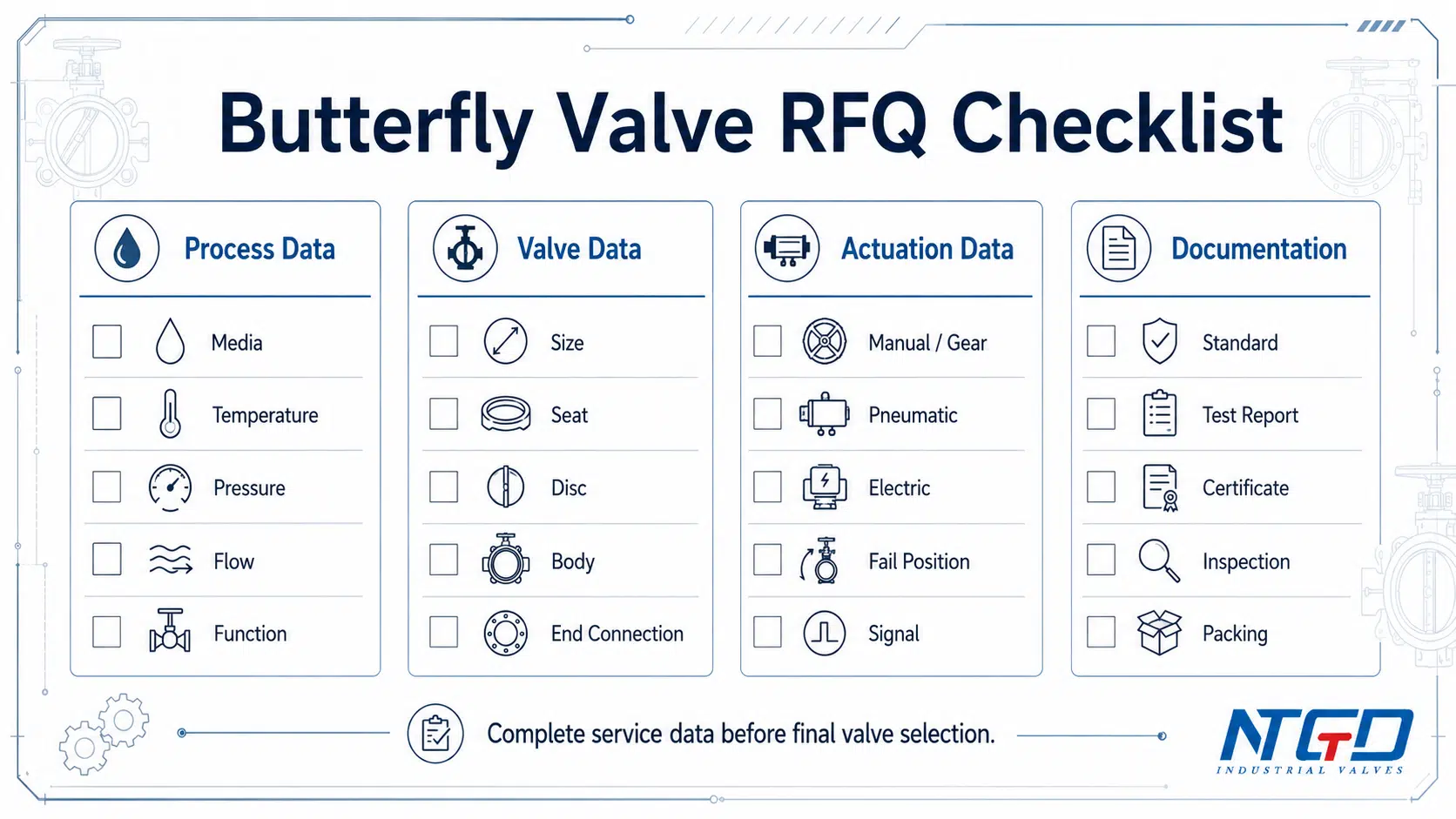
Process data to prepare before inquiry
| Process Data | Information to Provide |
|---|---|
| Media | Fluid name, concentration, cleanliness, solids content |
| Temperature | Normal operating temperature and maximum design temperature |
| Pressure | Working pressure, design pressure and differential pressure |
| Flow | Flow rate, expected pressure drop and control requirement |
| Function | Isolation, throttling, flow control or emergency shutoff |
| Pipeline | Pipe size, flange standard, face-to-face requirement and installation orientation |
| Environment | Indoor, outdoor, corrosive, dusty, hazardous or submerged condition |
Valve and actuation data to confirm
| Valve Data | Information to Confirm |
|---|---|
| Valve design | Concentric, double offset, triple offset or manufacturer recommendation |
| Body style | Wafer, lug, flanged or double flanged |
| Body material | Cast iron, ductile iron, carbon steel, stainless steel or alloy |
| Disc material | Ductile iron, stainless steel, coated disc or alloy |
| Seat material | EPDM, NBR, PTFE, FKM, metal seat or service-based recommendation |
| Stem material | Stainless steel or other required material |
| Actuation | Lever, gearbox, pneumatic actuator or electric actuator |
| Control accessories | Limit switch, solenoid valve, positioner, handwheel or control signal |
| Fail position | Fail-open, fail-close or fail-in-place if actuated |
| Documentation | Test report, material certificate, inspection requirement or standard compliance |
Documentation, standards and inspection requirements
For industrial projects, documentation can be as important as the valve itself. Before sending the inquiry, verify whether the project requires:
- pressure test report;
- material certificate;
- inspection certificate;
- coating requirement;
- flange standard;
- face-to-face standard;
- actuator wiring diagram;
- operation and maintenance manual;
- third-party inspection;
- packing and shipping requirements.
If project documentation references API butterfly-valve requirements, verify whether API 609 for butterfly valves is the applicable standard in the project specification.
For pressure-boundary and closure-tightness test language, align inspection requirements with the applicable product standard and a pressure-testing reference such as ISO 5208 for industrial valve pressure testing.
The earlier these requirements are shared, the easier it is to avoid quotation revisions and delivery delays.
FAQ About Butterfly Valve Selection
How do you choose a butterfly valve?
Choose a butterfly valve by defining the service condition first. Review the media, pressure, temperature, flow rate, shutoff requirement, solids content, material compatibility, valve design, end connection and actuation method before sending an RFQ.
What factors should be considered when selecting a butterfly valve?
The main butterfly valve selection criteria include media type, pressure, temperature, flow requirement, seat material, body material, disc material, valve design, end connection, actuation, installation condition and documentation requirements.
What seat material is best for a butterfly valve?
There is no single best seat material for every butterfly valve. For early selection, start by matching the seat to the media type, temperature range, pressure, chemical exposure and solids content. Water service, oil service, corrosive chemicals and high-temperature service may require different seat directions, so the final choice should be verified with actual service data and product information.
Is a butterfly valve suitable for flow control?
A butterfly valve can be used for general flow regulation and some throttling services, but it is not always suitable for precise control or severe throttling. At small opening angles or high pressure drop conditions, flow may become unstable and seat wear, noise or vibration can increase. Flow rate, pressure drop, operating angle, actuator type and seat design should be reviewed before using a butterfly valve for flow control.
How do I choose wafer, lug or flanged butterfly valves?
Choose wafer, lug or flanged body style based on piping layout, installation space, maintenance needs and flange standard. Wafer valves are compact, lug valves may support easier isolation in some piping arrangements, and flanged or double flanged valves are often reviewed for larger or more demanding pipelines.
What information is needed for a butterfly valve RFQ?
A butterfly valve RFQ should include size, pressure rating, media, temperature, pressure, flow rate, body material, disc material, seat material, end connection, actuation method, flange standard, documentation requirements and any inspection or testing needs.
Do I need a butterfly valve sizing chart?
A sizing chart may help in early review, but final sizing should be verified with actual process data and manufacturer information. For throttling or automated service, provide flow rate, pressure drop and control requirements so Cv, torque and actuator selection can be reviewed properly.
Conclusion
Successful butterfly valve selection starts with accurate service conditions, not only valve type, size or price. A reliable selection should move from media, pressure, temperature and flow data to material compatibility, valve design, end connection, actuation and RFQ documentation. Using the selection framework and RFQ checklist above can help reduce leakage risk, sizing mistakes, actuator mismatch and unnecessary quotation revisions.
Light CTA / Application and Specification Support
After completing the butterfly valve RFQ checklist above, share your service media, temperature, pressure, pipe size, flow requirement, end connection, material preference and actuation need with NTGD Valve. Our team can review the service data and help match the valve design, seat material, disc material, body style and actuation method to the actual industrial application.
